Stock Market Update: Dow Jones, S&P 500, and Nasdaq Futures Rise Slightly as Investors Anticipate Key PCE Data
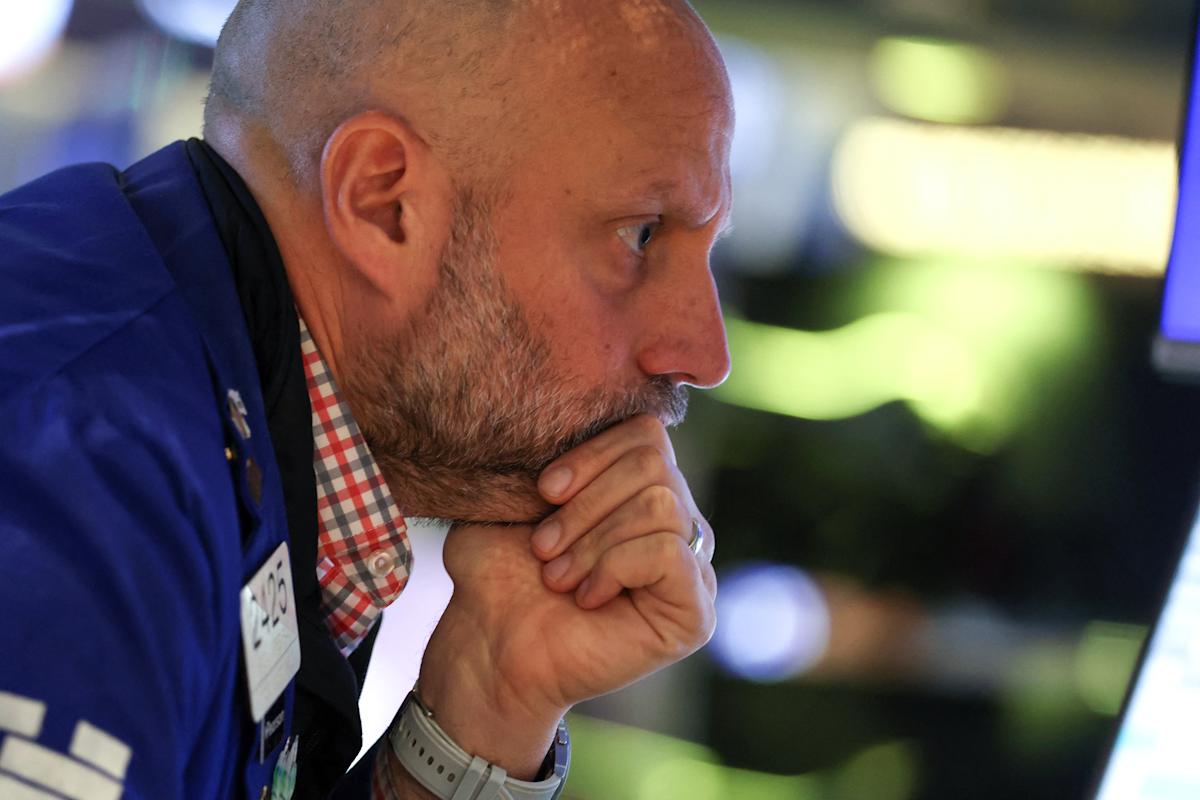
Market Overview: U.S. stock futures are up slightly after a decline on Thursday, with major economic data expected to influence market sentiment, including the Personal Consumption Expenditures index.
Sector Performance: Most S&P 500 sectors were down on Thursday, with health care and consumer discretionary leading losses, while Intel Corp. was a standout gainer, rising 8.87% due to investment talks.
Economic Data Insights: Analysts note that the S&P 500's significant rally since 2019 is supported by earnings growth, and upcoming economic data releases on personal income and spending are anticipated to impact market direction.
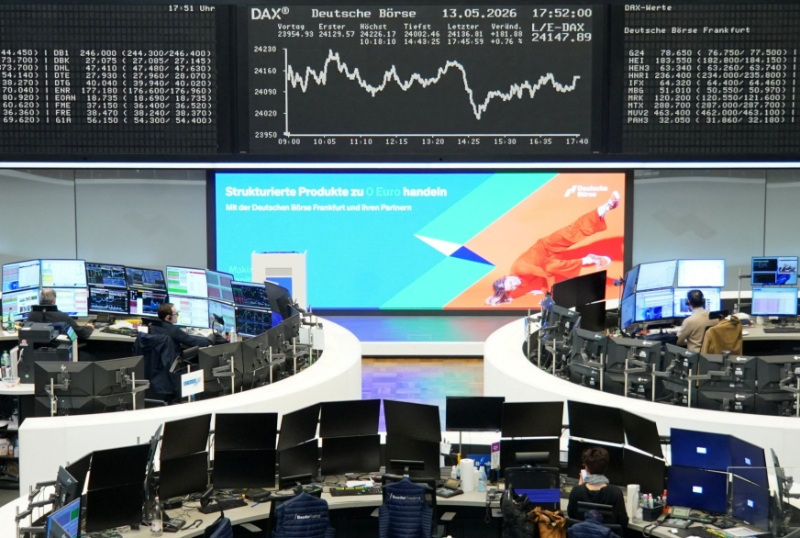
Global Market Trends: Asian markets are mostly down, while European markets show gains; crude oil and gold prices have seen slight increases, reflecting mixed global economic signals.
Trade with 70% Backtested Accuracy
Analyst Views on TSM

About TSM
About the author

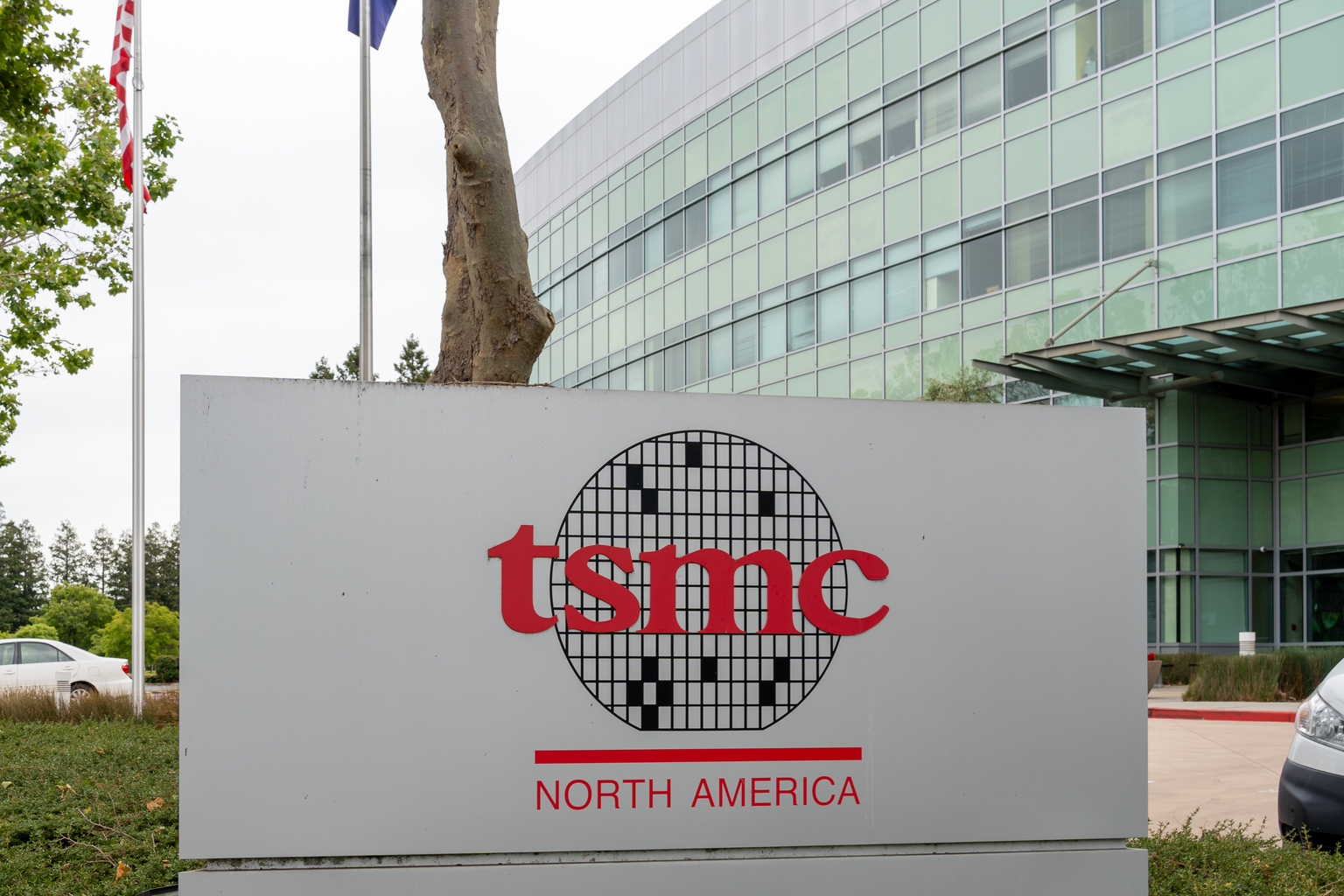
TSMC Plans to Sell 8.1% Stake in Vanguard
- Share Sale Plan: TSMC plans to sell approximately 152 million common shares of Vanguard International Semiconductor, reducing its stake from 27.1% to 19%, as part of its strategy to focus resources on core business activities.
- Strategic Relationship Maintenance: Despite the reduction in shareholding, TSMC asserts that the sale will not impact its strategic relations with Vanguard, including outsourcing interposer production and licensing GaN technology, ensuring continued collaboration between the two companies.
- Board Representation Change: TSMC will cease to have representation on Vanguard's board starting June 2024, marking a significant shift in their relationship that could influence future decisions and collaborative efforts.
- Market Outlook: TSMC anticipates the global chip market will reach $1.5 trillion by 2030, reflecting confidence in long-term industry growth, although the current share sale may raise concerns regarding its strategic focus.

Fidelity Emerging Markets Multifactor ETF Outperforms Peers


- Five-Year Returns: Fidelity Emerging Markets Multifactor ETF (FDEM) achieved a 52% return over the past five years, significantly outperforming the iShares MSCI Emerging Markets ETF (EEM) at 34%, demonstrating its superior performance across full market cycles, particularly in lower volatility environments.
- Risk-Adjusted Returns: Although FDEM lags during momentum-driven rallies dominated by large tech stocks, its factor screening strategy effectively protects capital during downturns, showcasing better risk-adjusted returns, making it suitable for investors seeking stable returns.
- Investment Strategy: FDEM reweights large- and mid-cap emerging market equities based on factor scores focusing on value, quality, momentum, and lower volatility, aiming to reduce correlation with U.S. equities, thus providing investors with a more diversified portfolio and avoiding concentration risks.
- Market Adaptability: While FDEM may underperform compared to EEM in the short term, its long-term strategy is well-suited for investors looking for more robust returns in emerging markets, especially in a macro environment of a strong dollar and rising rates, where factor tilts can alleviate some pressure.
Trump's Silence on Taiwan After Xi Meeting Raises Concerns
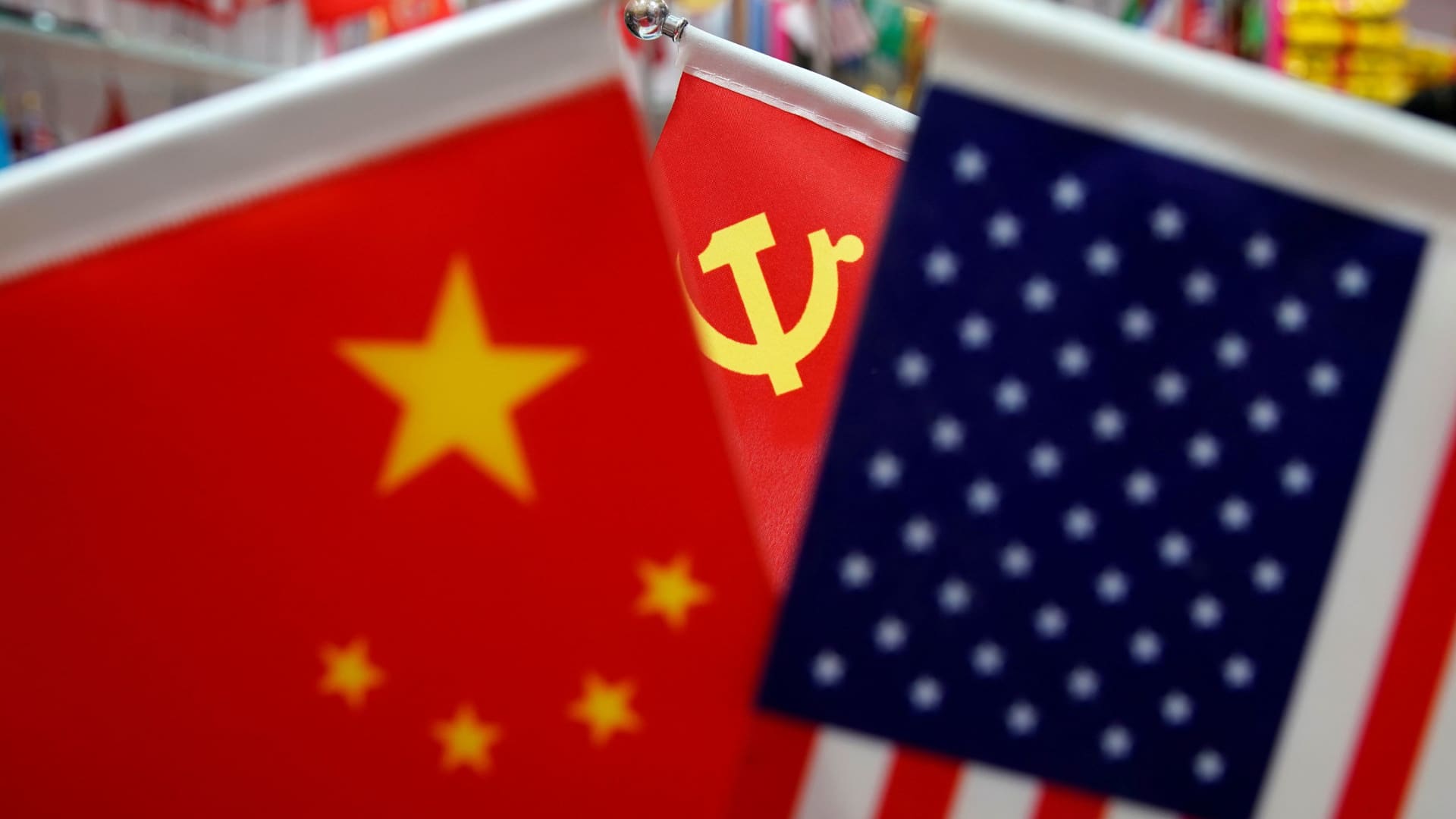
- Background on Arms Sales: The U.S. announced a record $11 billion arms sale to Taiwan in December, yet Trump's silence on the issue post-meeting with Xi highlights the complexities and sensitivities surrounding U.S. policy towards Taiwan.
- Absence of Discussion: Although Trump indicated Taiwan would be on the agenda, Secretary of State Rubio confirmed that the topic did not feature prominently in discussions, reflecting the tense dynamics and strategic ambiguity in U.S.-China relations.
- Trump's Position: In an interview, Trump expressed reluctance for Taiwan to pursue independence and emphasized that the U.S. should not be drawn into conflict over Taiwan's defense, indicating a cautious and uncertain approach to Taiwan policy.
- Taiwan's Response: Taiwan officials stated that Trump's and Rubio's comments suggest no significant change in U.S. policy towards the island, emphasizing that China's military threats remain the primary destabilizing factor in the region, highlighting Taiwan's reliance on U.S. support.

D1 Capital's Q1 Investment Moves in Tech Stocks


- Meta Stake Liquidation: D1 Capital completely exited its position of over 376,000 shares in Meta during Q1, previously valued at more than $240 million, reflecting concerns over the social media giant's ongoing decline, as Meta's stock fell over 13% in the quarter, marking its largest quarterly loss since 2022.
- Amazon Position Increase: Despite Amazon's stock dropping over 9% in Q1, D1 Capital increased its stake by more than 34%, making it the fund's eighth-largest holding with a current value of approximately $376.5 million, indicating confidence in the e-commerce giant's future growth potential.
- AI Investment Expansion: D1 Capital expanded its investments in AI stocks during Q1, including Broadcom and Nvidia, while also opening new stakes in Alphabet, ASML, and Taiwan Semiconductor, demonstrating a strategic focus on the AI sector to capitalize on future technological trends.
- Instacart Remains Leader: Instacart continues to be D1 Capital's largest holding in Q1, valued at $845 million, with Sundheim serving on its board since 2020, reflecting a strong commitment to the company's long-term investment potential.
David Tepper Increases Tech Stock Investments


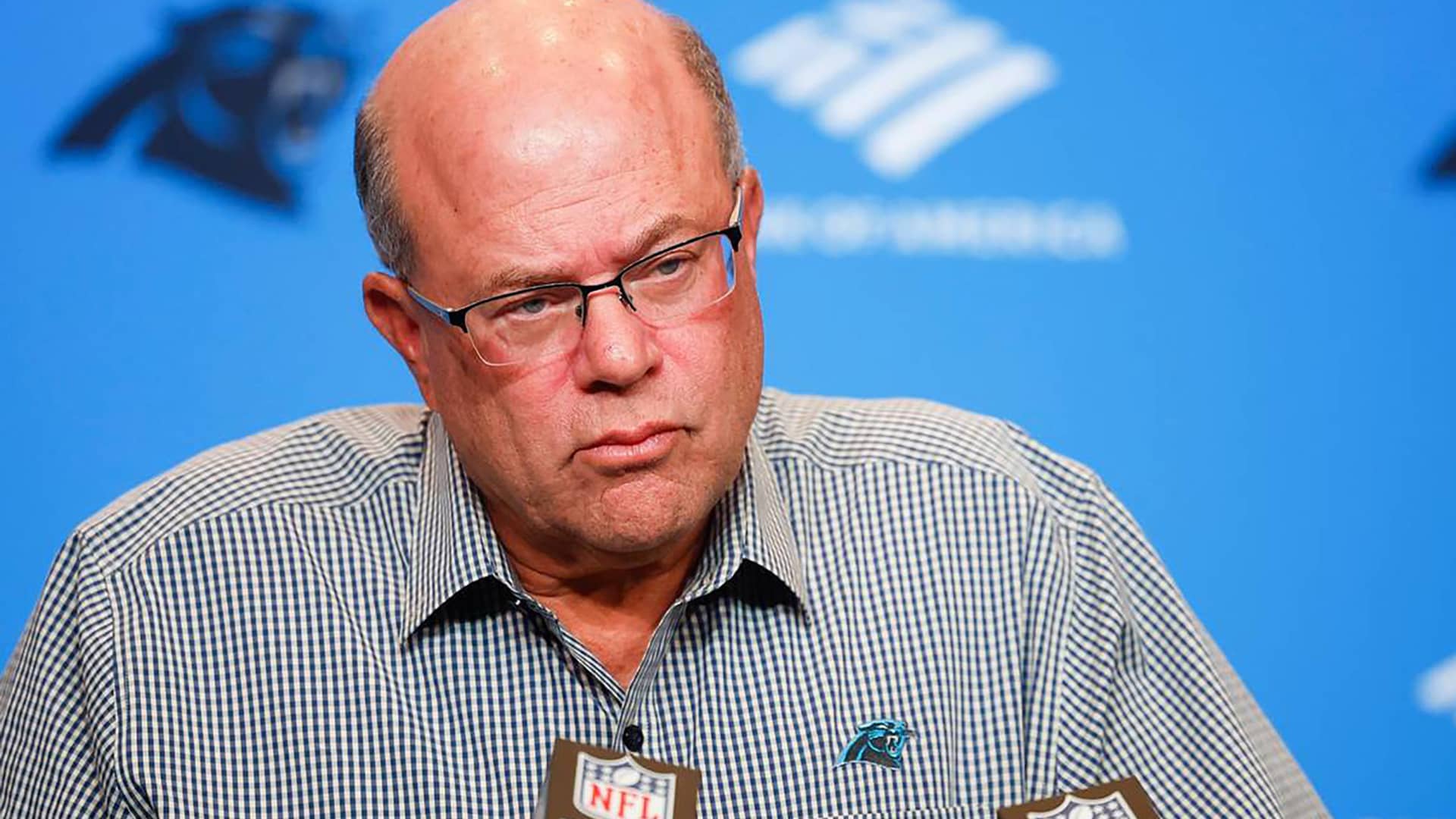
- Amazon Stake Increase: By the end of March, Appaloosa Management increased its Amazon stake by 98%, making it the largest disclosed holding valued at approximately $900 million, indicating strong confidence in e-commerce and cloud computing sectors.
- Uber and Vistra Boost: The hedge fund raised its Uber stake by 242% and increased its Vistra Energy holding by 114%, reflecting an optimistic outlook on the recovery of the mobility and energy markets.
- New Investment in Sandisk: Appaloosa disclosed a new position in Sandisk valued at roughly $179 million at the end of March, highlighting its focus on storage solutions and the growing demand from data centers.
- Reduction in Several Holdings: Despite increasing stakes in several tech stocks, Appaloosa reduced its positions in Alibaba, Alphabet, and Nvidia by 33%, 3%, and 13% respectively, demonstrating a cautious approach amid market volatility.

3G Capital Adjusts Portfolio, Increases Alibaba Holdings

- Portfolio Adjustment: 3G Capital's latest 13F filing reveals an exit from Microsoft (MSFT) with 90,000 shares sold, while doubling its Alibaba (BABA) holdings to 150,000 shares, indicating a strategic shift towards confidence in the Chinese market.
- Semiconductor Stock Increases: The fund added 40,000 shares of Analog Devices (ADI), 35,000 shares of Applied Materials (AMAT), and 25,000 shares of Taiwan Semiconductor (TSM), reflecting optimism about the semiconductor industry's growth potential driven by global tech demand.
- Other Stake Changes: 3G Capital increased its stake in Meta Platforms (META) from 90,000 to 105,000 shares, indicating continued confidence in the tech sector, while reducing holdings in Carvana (CVNA), MercadoLibre (MELI), and Amazon (AMZN), suggesting a cautious outlook on these companies.
- Market Reaction Anticipation: This significant portfolio adjustment may attract market attention towards 3G Capital's future investment strategies, particularly in the tech and consumer sectors, potentially impacting the short-term performance of related stocks.
TSMC Plans to Sell 8.1% Stake in Vanguard
- Share Sale Plan: TSMC plans to sell approximately 152 million common shares of Vanguard International Semiconductor, reducing its stake from 27.1% to 19%, as part of its strategy to focus resources on core business activities.
- Strategic Relationship Maintenance: Despite the reduction in shareholding, TSMC asserts that the sale will not impact its strategic relations with Vanguard, including outsourcing interposer production and licensing GaN technology, ensuring continued collaboration between the two companies.
- Board Representation Change: TSMC will cease to have representation on Vanguard's board starting June 2024, marking a significant shift in their relationship that could influence future decisions and collaborative efforts.
- Market Outlook: TSMC anticipates the global chip market will reach $1.5 trillion by 2030, reflecting confidence in long-term industry growth, although the current share sale may raise concerns regarding its strategic focus.
Fidelity Emerging Markets Multifactor ETF Outperforms Peers
- Five-Year Returns: Fidelity Emerging Markets Multifactor ETF (FDEM) achieved a 52% return over the past five years, significantly outperforming the iShares MSCI Emerging Markets ETF (EEM) at 34%, demonstrating its superior performance across full market cycles, particularly in lower volatility environments.
- Risk-Adjusted Returns: Although FDEM lags during momentum-driven rallies dominated by large tech stocks, its factor screening strategy effectively protects capital during downturns, showcasing better risk-adjusted returns, making it suitable for investors seeking stable returns.
- Investment Strategy: FDEM reweights large- and mid-cap emerging market equities based on factor scores focusing on value, quality, momentum, and lower volatility, aiming to reduce correlation with U.S. equities, thus providing investors with a more diversified portfolio and avoiding concentration risks.
- Market Adaptability: While FDEM may underperform compared to EEM in the short term, its long-term strategy is well-suited for investors looking for more robust returns in emerging markets, especially in a macro environment of a strong dollar and rising rates, where factor tilts can alleviate some pressure.
Trump's Silence on Taiwan After Xi Meeting Raises Concerns
- Background on Arms Sales: The U.S. announced a record $11 billion arms sale to Taiwan in December, yet Trump's silence on the issue post-meeting with Xi highlights the complexities and sensitivities surrounding U.S. policy towards Taiwan.
- Absence of Discussion: Although Trump indicated Taiwan would be on the agenda, Secretary of State Rubio confirmed that the topic did not feature prominently in discussions, reflecting the tense dynamics and strategic ambiguity in U.S.-China relations.
- Trump's Position: In an interview, Trump expressed reluctance for Taiwan to pursue independence and emphasized that the U.S. should not be drawn into conflict over Taiwan's defense, indicating a cautious and uncertain approach to Taiwan policy.
- Taiwan's Response: Taiwan officials stated that Trump's and Rubio's comments suggest no significant change in U.S. policy towards the island, emphasizing that China's military threats remain the primary destabilizing factor in the region, highlighting Taiwan's reliance on U.S. support.
D1 Capital's Q1 Investment Moves in Tech Stocks
- Meta Stake Liquidation: D1 Capital completely exited its position of over 376,000 shares in Meta during Q1, previously valued at more than $240 million, reflecting concerns over the social media giant's ongoing decline, as Meta's stock fell over 13% in the quarter, marking its largest quarterly loss since 2022.
- Amazon Position Increase: Despite Amazon's stock dropping over 9% in Q1, D1 Capital increased its stake by more than 34%, making it the fund's eighth-largest holding with a current value of approximately $376.5 million, indicating confidence in the e-commerce giant's future growth potential.
- AI Investment Expansion: D1 Capital expanded its investments in AI stocks during Q1, including Broadcom and Nvidia, while also opening new stakes in Alphabet, ASML, and Taiwan Semiconductor, demonstrating a strategic focus on the AI sector to capitalize on future technological trends.
- Instacart Remains Leader: Instacart continues to be D1 Capital's largest holding in Q1, valued at $845 million, with Sundheim serving on its board since 2020, reflecting a strong commitment to the company's long-term investment potential.
David Tepper Increases Tech Stock Investments
- Amazon Stake Increase: By the end of March, Appaloosa Management increased its Amazon stake by 98%, making it the largest disclosed holding valued at approximately $900 million, indicating strong confidence in e-commerce and cloud computing sectors.
- Uber and Vistra Boost: The hedge fund raised its Uber stake by 242% and increased its Vistra Energy holding by 114%, reflecting an optimistic outlook on the recovery of the mobility and energy markets.
- New Investment in Sandisk: Appaloosa disclosed a new position in Sandisk valued at roughly $179 million at the end of March, highlighting its focus on storage solutions and the growing demand from data centers.
- Reduction in Several Holdings: Despite increasing stakes in several tech stocks, Appaloosa reduced its positions in Alibaba, Alphabet, and Nvidia by 33%, 3%, and 13% respectively, demonstrating a cautious approach amid market volatility.
3G Capital Adjusts Portfolio, Increases Alibaba Holdings
- Portfolio Adjustment: 3G Capital's latest 13F filing reveals an exit from Microsoft (MSFT) with 90,000 shares sold, while doubling its Alibaba (BABA) holdings to 150,000 shares, indicating a strategic shift towards confidence in the Chinese market.
- Semiconductor Stock Increases: The fund added 40,000 shares of Analog Devices (ADI), 35,000 shares of Applied Materials (AMAT), and 25,000 shares of Taiwan Semiconductor (TSM), reflecting optimism about the semiconductor industry's growth potential driven by global tech demand.
- Other Stake Changes: 3G Capital increased its stake in Meta Platforms (META) from 90,000 to 105,000 shares, indicating continued confidence in the tech sector, while reducing holdings in Carvana (CVNA), MercadoLibre (MELI), and Amazon (AMZN), suggesting a cautious outlook on these companies.
- Market Reaction Anticipation: This significant portfolio adjustment may attract market attention towards 3G Capital's future investment strategies, particularly in the tech and consumer sectors, potentially impacting the short-term performance of related stocks.