Stock Market Rebounds Slightly, Nvidia Gains from Meta AI Deal
Written by Emily J. Thompson, Senior Investment Analyst
Updated: Feb 18 2026
0mins
Source: Yahoo Finance
- Market Rebound: The stock market experienced a slight rebound on Tuesday, despite remaining divided, indicating cautious optimism among investors that may provide some support for future trading.
- Nvidia Gains: Nvidia's stock rose late in the session due to a deal with Meta in the AI sector, highlighting its ongoing leadership in AI and potential new growth opportunities for the company.
- AMD and Broadcom Decline: In contrast, AMD and Broadcom saw their stock prices slump, reflecting market concerns about the semiconductor industry, which could impact investor confidence and future investment decisions in this sector.
- Divergent Investor Sentiment: While Nvidia performed strongly, the overall market sentiment remains divided, prompting investors to closely monitor industry dynamics and company fundamentals to make more informed investment choices.
Trade with 70% Backtested Accuracy
Stop guessing "Should I Buy META?" and start using high-conviction signals backed by rigorous historical data.
Sign up today to access powerful investing tools and make smarter, data-driven decisions.
Analyst Views on META
Wall Street analysts forecast META stock price to rise
44 Analyst Rating
37 Buy
6 Hold
1 Sell
Strong Buy
Current: 635.290

Low
655.15
Averages
824.71
High
1117
Current: 635.290
Low
655.15
Averages
824.71
High
1117
About META
Meta Platforms, Inc. is building human connections, powered by artificial intelligence and immersive technologies. The Company's products enable people to connect and share with friends and family through mobile devices, personal computers, virtual reality (VR) and mixed reality (MR) headsets, augmented reality (AR), and wearables. It also helps people discover and learn about what is going on in the world around them, enabling people to share their experiences, ideas, photos, videos, and other content with audiences ranging from their closest family members and friends to the public at large. The Company's segments include Family of Apps (FoA) and Reality Labs (RL). FoA segment includes Facebook, Instagram, Messenger, WhatsApp and Threads. RL segment includes its virtual, augmented, and mixed reality related consumer hardware, software and content. Its product offerings in VR include its Meta Quest devices, as well as software and content available through the Meta Horizon Store.
About the author

Emily J. Thompson
Emily J. Thompson, a Chartered Financial Analyst (CFA) with 12 years in investment research, graduated with honors from the Wharton School. Specializing in industrial and technology stocks, she provides in-depth analysis for Intellectia’s earnings and market brief reports.

Meta Platforms Stock Cheap Yet Growing Rapidly

- Stock Performance: Meta Platforms' stock is currently down 20% from its all-time high in July 2025, indicating a lack of investor enthusiasm despite the broader market reaching new highs.
- Revenue Growth: In Q1 2026, Meta reported a 33% year-over-year revenue increase, primarily driven by rising ad impressions and prices, showcasing its strong performance in the advertising sector.
- Valuation Advantage: Trading at less than 20 times forward earnings, Meta is cheaper than the S&P 500's 21.8 times, highlighting its attractive valuation amidst rapid growth, appealing to value investors.
- AI Strategy: Meta aims to leverage AI technology in its products, with plans to launch a superintelligence platform, which, if successful, could significantly enhance its market position and drive future growth.
See More
SpaceX Plans IPO, Signaling Market Shift in Private Funding

- Delayed IPO Timeline: SpaceX is targeting a public listing approximately 24 years after its founding, making it one of the latest entrants among recent IPOs, which underscores a growing reliance on private funding and may alter how future investors engage with new companies.
- Comparison with Peers: Unlike early public companies like Amazon, Apple, and Netflix that went public within 3 to 6 years of their founding, SpaceX's extended timeline could reshape investor expectations regarding the timing of new market entrants.
- Shifting Market Trends: The trend of companies like Palantir and Reddit, which waited 17 to 19 years before going public, highlights that IPOs are increasingly viewed as a means for early investors to cash out rather than a starting point for new ventures, as exemplified by SpaceX's anticipated listing.
- Investor Strategy Reevaluation: As IPOs evolve into cash-out opportunities for early investors and employees, investors may need to reassess their strategies to adapt to this market shift, particularly when seeking investment opportunities in emerging tech companies.
See More

Alphabet's TPUs Could Capture 20% of AI Infrastructure Market


- Market Share Forecast: Gil Luria from DA Davidson estimates that Alphabet's TPUs could capture 20% of the AI infrastructure market, which is projected to reach $900 billion, highlighting Alphabet's potential and strategic significance in the AI sector.
- Sales Model Shift: Alphabet plans to transition from historically renting TPUs through Google Cloud to directly selling them to select customers, a strategic change that will expand its addressable market and further drive cloud revenue growth.
- Competitive Landscape Analysis: While Alphabet's TPUs offer cost advantages, Nvidia still dominates with over 80% of the AI accelerator market share due to its robust software ecosystem and developer base, underscoring its leading position in the industry.
- Future Growth Expectations: Morgan Stanley anticipates that Alphabet's TPU sales will grow at an annual rate of 60% through 2028, reflecting strong market demand for its AI accelerators and indicating Alphabet's strategic positioning in the AI infrastructure space.
See More
Rita Ferro Takes Charge of Disney's Global Advertising


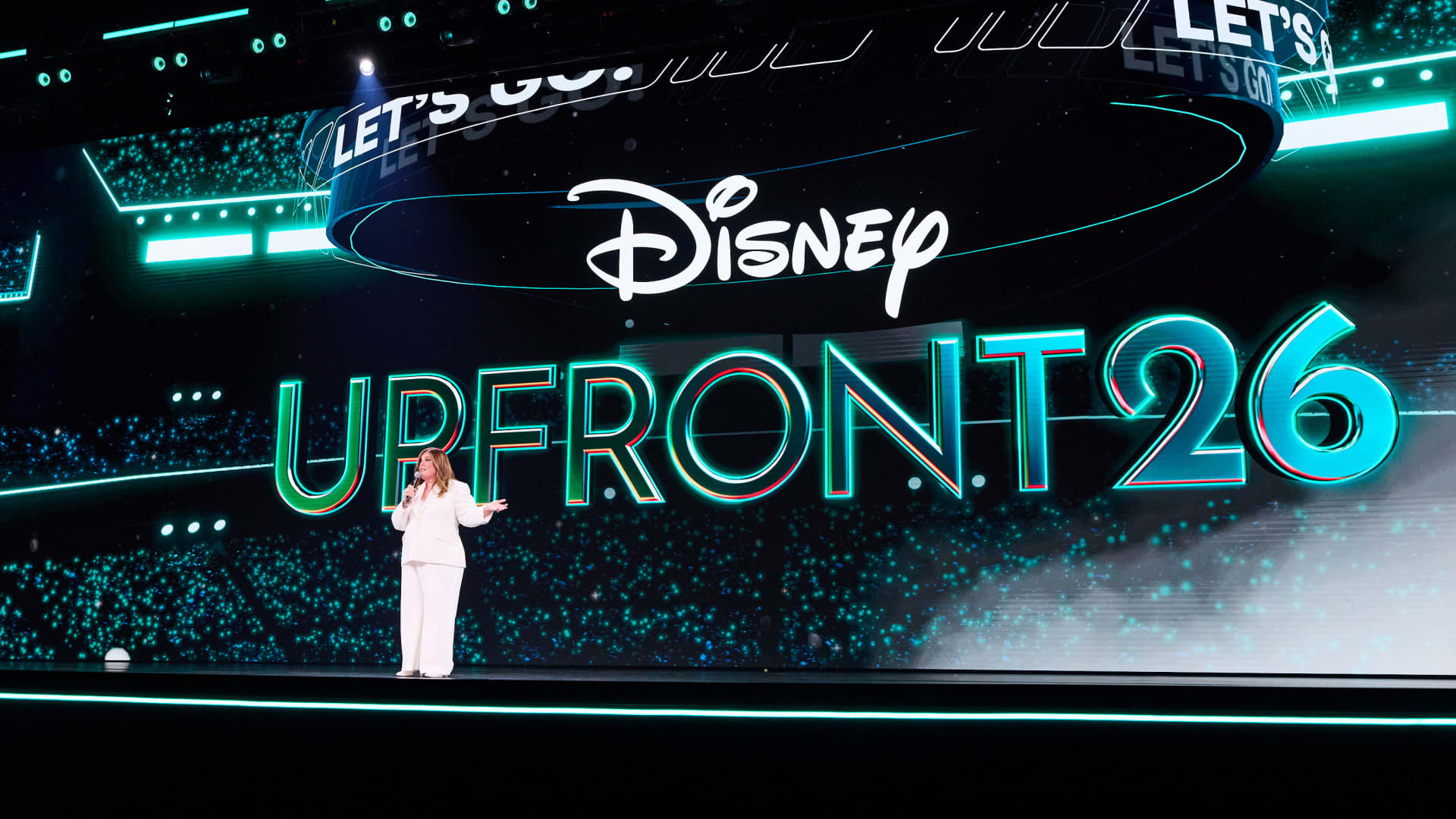
- Leadership in Advertising: Rita Ferro, as President of Global Advertising at Disney, leverages her 29 years of industry experience to enhance the company's advertising sales across traditional TV, streaming, and digital platforms, thereby strengthening its position in a competitive media landscape.
- Strategic Integration: Ferro emphasizes the 'One Disney' strategy, creating more compelling advertising opportunities by integrating brand partnerships with movie studios and park activations, which enhances customer engagement and brand loyalty.
- International Expansion: Ferro plans to promote ad-supported streaming business internationally, particularly focusing on local content investments for Disney+, aiming to capitalize on the diversity and growth potential of international markets to drive global business development.
- Tech-Driven Approach: Ferro has spearheaded the restructuring of Disney's ad tech stack, enabling advertisers to target more effectively and improving measurement capabilities, thus enhancing the company's competitiveness in the digital advertising space.
See More
Alphabet and Nvidia's Competitive Landscape in AI
- Market Share Competition: With a market cap of $4.6 trillion for Alphabet and $5.1 trillion for Nvidia, both companies have deep roots in AI, but Alphabet's expansion into the TPU market poses a significant threat to Nvidia's dominance.
- TPU Market Potential: Alphabet's TPUs are projected to account for 20% of AI infrastructure sales, potentially creating a $900 billion market, highlighting Alphabet's growth potential in AI hardware.
- Cloud Revenue Growth: Alphabet's cloud revenue has accelerated for four consecutive quarters, driven by strong demand for TPUs and Gemini models, indicating the company's increasing competitiveness in the AI market.
- Investor Sentiment: While Nvidia maintains an advantage in its CUDA software ecosystem, analysts believe Nvidia's stock is undervalued with an expected earnings growth of 43% over the next three years, compared to Alphabet's anticipated 16% growth.
See More

Shangri-La Dialogue Highlights Defense Spending and China’s Role
- Increased Defense Spending: Countries are generally accepting the need to boost defense budgets, with Japan, the Philippines, and the Netherlands planning increases, reflecting heightened security concerns that could drive growth in military industries.
- China's Delegation Absence: China's failure to send its defense minister has led to disappointment among attendees regarding the lack of high-level dialogue, potentially impacting China's diplomatic image and influence in the Asia-Pacific region.
- Lessons from Ukraine: Attendees showed keen interest in the asymmetric warfare strategies used in Ukraine, with many countries looking to adopt these lessons to enhance their defense capabilities, which may lead to significant shifts in global defense strategies.
- Tensions between China and Japan: Chinese representatives questioned Japan's military spending increases, while Japan accused China of lacking transparency, with the exchange of barbs likely exacerbating regional tensions and affecting future security cooperation.
See More
Meta Platforms Stock Cheap Yet Growing Rapidly
- Stock Performance: Meta Platforms' stock is currently down 20% from its all-time high in July 2025, indicating a lack of investor enthusiasm despite the broader market reaching new highs.
- Revenue Growth: In Q1 2026, Meta reported a 33% year-over-year revenue increase, primarily driven by rising ad impressions and prices, showcasing its strong performance in the advertising sector.
- Valuation Advantage: Trading at less than 20 times forward earnings, Meta is cheaper than the S&P 500's 21.8 times, highlighting its attractive valuation amidst rapid growth, appealing to value investors.
- AI Strategy: Meta aims to leverage AI technology in its products, with plans to launch a superintelligence platform, which, if successful, could significantly enhance its market position and drive future growth.
See More
SpaceX Plans IPO, Signaling Market Shift in Private Funding
- Delayed IPO Timeline: SpaceX is targeting a public listing approximately 24 years after its founding, making it one of the latest entrants among recent IPOs, which underscores a growing reliance on private funding and may alter how future investors engage with new companies.
- Comparison with Peers: Unlike early public companies like Amazon, Apple, and Netflix that went public within 3 to 6 years of their founding, SpaceX's extended timeline could reshape investor expectations regarding the timing of new market entrants.
- Shifting Market Trends: The trend of companies like Palantir and Reddit, which waited 17 to 19 years before going public, highlights that IPOs are increasingly viewed as a means for early investors to cash out rather than a starting point for new ventures, as exemplified by SpaceX's anticipated listing.
- Investor Strategy Reevaluation: As IPOs evolve into cash-out opportunities for early investors and employees, investors may need to reassess their strategies to adapt to this market shift, particularly when seeking investment opportunities in emerging tech companies.
See More
Alphabet's TPUs Could Capture 20% of AI Infrastructure Market
- Market Share Forecast: Gil Luria from DA Davidson estimates that Alphabet's TPUs could capture 20% of the AI infrastructure market, which is projected to reach $900 billion, highlighting Alphabet's potential and strategic significance in the AI sector.
- Sales Model Shift: Alphabet plans to transition from historically renting TPUs through Google Cloud to directly selling them to select customers, a strategic change that will expand its addressable market and further drive cloud revenue growth.
- Competitive Landscape Analysis: While Alphabet's TPUs offer cost advantages, Nvidia still dominates with over 80% of the AI accelerator market share due to its robust software ecosystem and developer base, underscoring its leading position in the industry.
- Future Growth Expectations: Morgan Stanley anticipates that Alphabet's TPU sales will grow at an annual rate of 60% through 2028, reflecting strong market demand for its AI accelerators and indicating Alphabet's strategic positioning in the AI infrastructure space.
See More
Rita Ferro Takes Charge of Disney's Global Advertising
- Leadership in Advertising: Rita Ferro, as President of Global Advertising at Disney, leverages her 29 years of industry experience to enhance the company's advertising sales across traditional TV, streaming, and digital platforms, thereby strengthening its position in a competitive media landscape.
- Strategic Integration: Ferro emphasizes the 'One Disney' strategy, creating more compelling advertising opportunities by integrating brand partnerships with movie studios and park activations, which enhances customer engagement and brand loyalty.
- International Expansion: Ferro plans to promote ad-supported streaming business internationally, particularly focusing on local content investments for Disney+, aiming to capitalize on the diversity and growth potential of international markets to drive global business development.
- Tech-Driven Approach: Ferro has spearheaded the restructuring of Disney's ad tech stack, enabling advertisers to target more effectively and improving measurement capabilities, thus enhancing the company's competitiveness in the digital advertising space.
See More
Alphabet and Nvidia's Competitive Landscape in AI
- Market Share Competition: With a market cap of $4.6 trillion for Alphabet and $5.1 trillion for Nvidia, both companies have deep roots in AI, but Alphabet's expansion into the TPU market poses a significant threat to Nvidia's dominance.
- TPU Market Potential: Alphabet's TPUs are projected to account for 20% of AI infrastructure sales, potentially creating a $900 billion market, highlighting Alphabet's growth potential in AI hardware.
- Cloud Revenue Growth: Alphabet's cloud revenue has accelerated for four consecutive quarters, driven by strong demand for TPUs and Gemini models, indicating the company's increasing competitiveness in the AI market.
- Investor Sentiment: While Nvidia maintains an advantage in its CUDA software ecosystem, analysts believe Nvidia's stock is undervalued with an expected earnings growth of 43% over the next three years, compared to Alphabet's anticipated 16% growth.
See More
Shangri-La Dialogue Highlights Defense Spending and China’s Role
- Increased Defense Spending: Countries are generally accepting the need to boost defense budgets, with Japan, the Philippines, and the Netherlands planning increases, reflecting heightened security concerns that could drive growth in military industries.
- China's Delegation Absence: China's failure to send its defense minister has led to disappointment among attendees regarding the lack of high-level dialogue, potentially impacting China's diplomatic image and influence in the Asia-Pacific region.
- Lessons from Ukraine: Attendees showed keen interest in the asymmetric warfare strategies used in Ukraine, with many countries looking to adopt these lessons to enhance their defense capabilities, which may lead to significant shifts in global defense strategies.
- Tensions between China and Japan: Chinese representatives questioned Japan's military spending increases, while Japan accused China of lacking transparency, with the exchange of barbs likely exacerbating regional tensions and affecting future security cooperation.
See More