Johnson & Johnson's Apalutamide Shows Promising Results in Prostate Cancer Trials
Written by Emily J. Thompson, Senior Investment Analyst
Updated: 1 hour ago
0mins
Source: seekingalpha
- Clinical Trial Results: Johnson & Johnson's PROTEUS study presented at the American Society of Clinical Oncology's annual meeting shows that combining apalutamide with hormone therapy significantly improves surgical outcomes for high-risk localized or locally advanced prostate cancer patients, with 8.9% achieving little or no detectable cancer at surgery compared to just 1.0% with hormone therapy alone.
- Survival Rate Improvement: The treatment combination reduces the risk of developing metastatic disease or dying by 20% and delays the need for additional therapy to over six years, potentially opening new market opportunities for Johnson & Johnson in earlier-stage prostate cancer treatment.
- Market Potential: Given that apalutamide is already approved for certain advanced forms of prostate cancer, positive clinical data could lead to its expansion into earlier-stage patients, potentially establishing a new standard of care for high-risk surgical patients.
- Expert Insights: Mary-Ellen Taplin, a medical oncologist at Dana-Farber Cancer Institute, noted that earlier treatment with apalutamide may lower recurrence risks and reduce future therapy needs, highlighting the importance of systemic therapy for patients with aggressive prostate cancer.
Trade with 70% Backtested Accuracy
Stop guessing "Should I Buy JNJ?" and start using high-conviction signals backed by rigorous historical data.
Sign up today to access powerful investing tools and make smarter, data-driven decisions.
Analyst Views on JNJ
Wall Street analysts forecast JNJ stock price to fall
20 Analyst Rating
13 Buy
7 Hold
0 Sell
Moderate Buy
Current: 230.800

Low
190.00
Averages
218.50
High
240.00
Current: 230.800
Low
190.00
Averages
218.50
High
240.00
About JNJ
Johnson & Johnson and its subsidiaries are engaged in the research and development, manufacture, and sale of a range of products in the healthcare field. The Company’s segments include Innovative Medicine and MedTech. The Innovative Medicine segment is focused on various therapeutic areas, including immunology, infectious diseases, neuroscience, oncology, pulmonary hypertension, cardiovascular and metabolism. Its products include REMICADE (infliximab), SIMPONI (golimumab), SIMPONI ARIA (golimumab), STELARA (ustekinumab), TREMFYA (guselkumab), EDURANT (rilpivirine), and INVEGA SUSTENNA/XEPLION (paliperidone palmitate). The MedTech segment includes a portfolio of products used in cardiovascular, orthopedics, surgery, and vision categories. The Cardiovascular portfolio includes electrophysiology products to treat heart rhythm disorders and circulatory restoration products (Shockwave) for the treatment of calcified coronary artery disease (CAD) and peripheral artery disease (PAD).
About the author

Emily J. Thompson
Emily J. Thompson, a Chartered Financial Analyst (CFA) with 12 years in investment research, graduated with honors from the Wharton School. Specializing in industrial and technology stocks, she provides in-depth analysis for Intellectia’s earnings and market brief reports.

Significant Breakthrough in Prostate Cancer Treatment

- Clinical Trial Results: Johnson & Johnson's PROTEUS study reveals that patients receiving apalutamide combined with hormone therapy had a pathologic complete response rate of 8.9%, significantly higher than the 1.0% for hormone therapy alone, indicating the effectiveness of this combination in high-risk prostate cancer patients.
- Reduced Metastasis Risk: The combination therapy also achieved a 20% reduction in the risk of metastasis or death, extending the time before patients required subsequent therapy to over six years, which greatly enhances long-term patient outcomes.
- Optimizing Treatment Window: The study suggests that early integration of apalutamide may reshape prostate cancer treatment, highlighting the importance of using systemic therapy before and after surgery to improve cure rates and reduce the need for subsequent therapies.
- Safety and Tolerability: While the safety profile of apalutamide combined with hormone therapy aligns with previous studies, attention must be paid to the incidence of adverse events such as hot flushes (63.4%) and urinary incontinence (50.2%), ensuring patient safety during treatment.
See More

Successful Treatment Regimen for Prostate Cancer Demonstrated in Phase 3 Study
- Clinical Trial Results: Johnson & Johnson's final analysis of the PROTEUS study reveals that the apalutamide plus hormone therapy regimen significantly improves both short- and long-term outcomes for patients with high-risk localized or locally advanced prostate cancer, achieving all primary endpoints.
- Significant Efficacy: Patients treated with apalutamide plus hormone therapy were nine times more likely to have little to no cancer remaining at surgery compared to those receiving hormone therapy alone (8.9% vs. 1.0%), while also reducing the risk of metastasis or death by 20% and extending the time before subsequent therapy was needed to over six years.
- Survival Rate Improvement: At a median follow-up of 61.7 months, the pathological complete response rate for apalutamide plus hormone therapy was 8.9%, compared to just 1.0% for hormone therapy alone, with five-year metastasis-free survival rates improving from 73.5% to 78.2%, indicating a statistically significant benefit.
- Favorable Safety Profile: The safety profile of apalutamide plus hormone therapy was consistent with previous studies, further supporting its potential role in reshaping treatment for high-risk localized and locally advanced prostate cancer, particularly in enhancing patient quality of life and extending survival.
See More

Johnson & Johnson Reports Breakthrough Results in Head and Neck Cancer Trial
- Clinical Trial Results: Johnson & Johnson's OrigAMI-4 study evaluating subcutaneous amivantamab with hyaluronidase-lpuj in patients with advanced head and neck squamous cell carcinoma previously treated with immunotherapy and chemotherapy demonstrated a confirmed overall response rate of 42%, indicating the treatment's effectiveness.
- Significant Complete Response Rate: Notably, more than one-third of responders achieved complete responses, showcasing the potential curative capability of this treatment regimen, which could provide new therapeutic options and improve patient survival rates.
- Duration of Response: With a median follow-up of 11.8 months, the median duration of response has not yet been reached, suggesting the therapy may offer long-term efficacy, further enhancing its competitive position in the market.
- FDA Application Submitted: Johnson & Johnson has submitted a supplemental Biologics License Application for subcutaneous amivantamab to the U.S. FDA, following its Breakthrough Therapy Designation, indicating the drug's potential approval in the head and neck cancer treatment landscape and advancing the company's strategic positioning in oncology.
See More
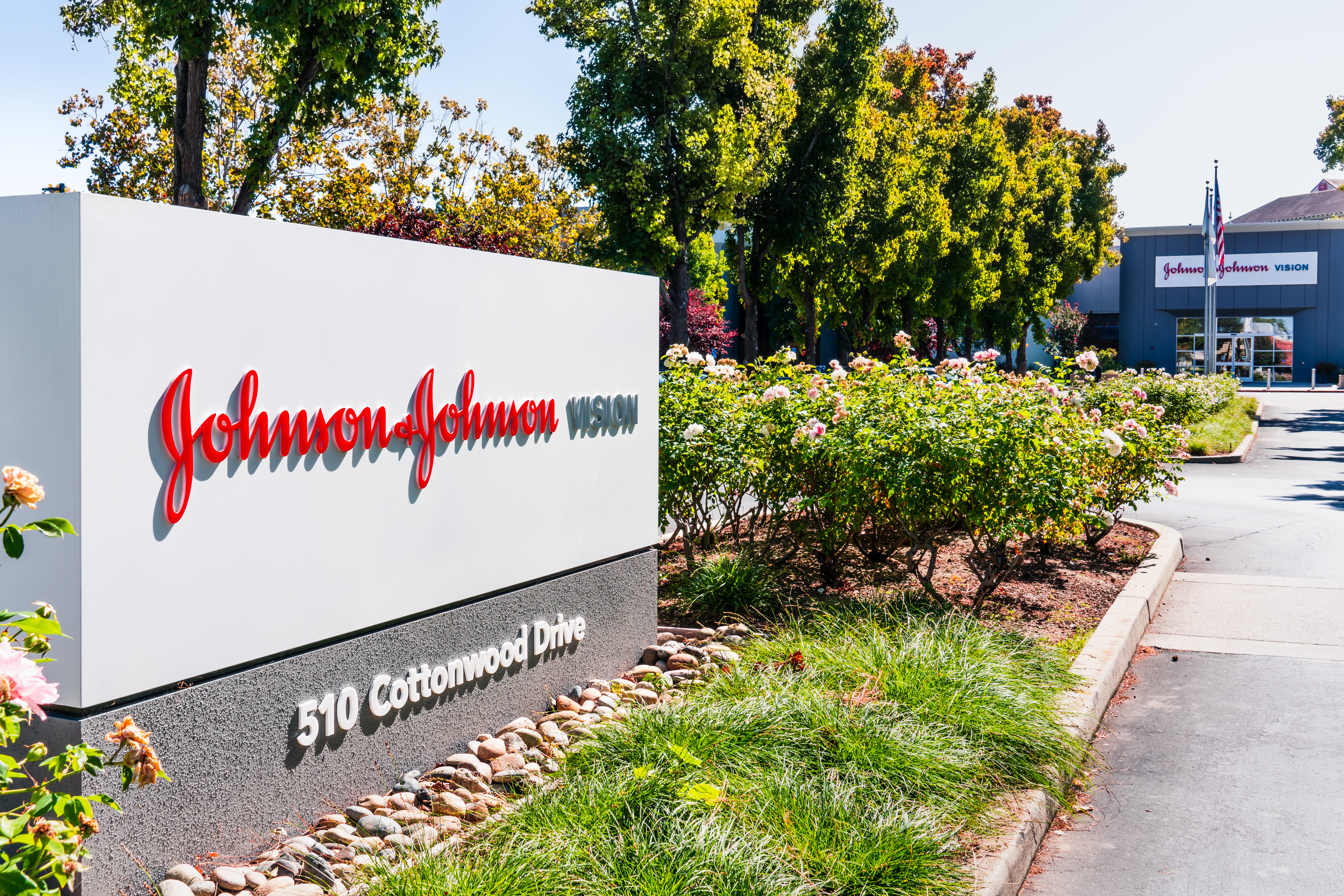
Johnson & Johnson's Apalutamide Shows Promising Results in Prostate Cancer Trials
- Clinical Trial Results: Johnson & Johnson's PROTEUS study presented at the American Society of Clinical Oncology's annual meeting shows that combining apalutamide with hormone therapy significantly improves surgical outcomes for high-risk localized or locally advanced prostate cancer patients, with 8.9% achieving little or no detectable cancer at surgery compared to just 1.0% with hormone therapy alone.
- Survival Rate Improvement: The treatment combination reduces the risk of developing metastatic disease or dying by 20% and delays the need for additional therapy to over six years, potentially opening new market opportunities for Johnson & Johnson in earlier-stage prostate cancer treatment.
- Market Potential: Given that apalutamide is already approved for certain advanced forms of prostate cancer, positive clinical data could lead to its expansion into earlier-stage patients, potentially establishing a new standard of care for high-risk surgical patients.
- Expert Insights: Mary-Ellen Taplin, a medical oncologist at Dana-Farber Cancer Institute, noted that earlier treatment with apalutamide may lower recurrence risks and reduce future therapy needs, highlighting the importance of systemic therapy for patients with aggressive prostate cancer.
See More

Johnson & Johnson Reports Pivotal Results for Head and Neck Cancer Treatment
- Clinical Trial Results: Johnson & Johnson's OrigAMI-4 study reveals that the combination of subcutaneous amivantamab and hyaluronidase-lpuj achieved a confirmed overall response rate of 42% in patients with advanced head and neck squamous cell carcinoma previously treated with immunotherapy and chemotherapy, with over one-third of responders achieving complete responses, indicating significant therapeutic potential.
- Durability of Efficacy: With a median follow-up of 11.8 months, the median duration of response has not yet been reached among confirmed responders, suggesting that this therapy may offer lasting clinical benefits, particularly in combating refractory tumors.
- FDA Application Progress: Johnson & Johnson has submitted a supplemental Biologics License Application (sBLA) for subcutaneous amivantamab in head and neck cancer to the U.S. FDA, following Breakthrough Therapy Designation, highlighting the drug's importance in addressing high unmet medical needs.
- Market Outlook: The high recurrence rates and low five-year survival rates (approximately 15%) for head and neck squamous cell carcinoma underscore the market demand for new therapies, with amivantamab's dual-targeting mechanism poised to improve patient outcomes and enhance Johnson & Johnson's competitive position in oncology.
See More

Significant Breakthrough in Prostate Cancer Treatment
- Clinical Trial Results: The PROTEUS Phase 3 study involving approximately 2,109 high-risk prostate cancer patients demonstrated that apalutamide combined with hormone therapy significantly improved the pathologic complete response rate to 8.9%, nearly nine times higher than the 1.0% seen with hormone therapy alone, indicating the combination's critical role in enhancing patient outcomes.
- Reduced Metastasis Risk: This combination therapy also achieved a 20% reduction in the risk of metastasis or death, with patients requiring subsequent therapy after more than six years, compared to three and a half years with hormone therapy alone, highlighting its potential advantages in treating high-risk prostate cancer.
- Expert Support: Dr. Mary-Ellen Taplin from Dana-Farber Cancer Institute emphasized that the early use of apalutamide could reshape prostate cancer treatment, as the strategy of combining surgery with systemic therapy has proven effective in other aggressive cancers and is now showing promise in this context.
- Future Research Directions: Although apalutamide combined with hormone therapy has not yet received regulatory approval, further analyses from the PROTEUS study will help evaluate its effectiveness against current standard treatments, promoting the development of early intervention strategies to improve long-term patient outcomes.
See More
Significant Breakthrough in Prostate Cancer Treatment
- Clinical Trial Results: Johnson & Johnson's PROTEUS study reveals that patients receiving apalutamide combined with hormone therapy had a pathologic complete response rate of 8.9%, significantly higher than the 1.0% for hormone therapy alone, indicating the effectiveness of this combination in high-risk prostate cancer patients.
- Reduced Metastasis Risk: The combination therapy also achieved a 20% reduction in the risk of metastasis or death, extending the time before patients required subsequent therapy to over six years, which greatly enhances long-term patient outcomes.
- Optimizing Treatment Window: The study suggests that early integration of apalutamide may reshape prostate cancer treatment, highlighting the importance of using systemic therapy before and after surgery to improve cure rates and reduce the need for subsequent therapies.
- Safety and Tolerability: While the safety profile of apalutamide combined with hormone therapy aligns with previous studies, attention must be paid to the incidence of adverse events such as hot flushes (63.4%) and urinary incontinence (50.2%), ensuring patient safety during treatment.
See More
Successful Treatment Regimen for Prostate Cancer Demonstrated in Phase 3 Study
- Clinical Trial Results: Johnson & Johnson's final analysis of the PROTEUS study reveals that the apalutamide plus hormone therapy regimen significantly improves both short- and long-term outcomes for patients with high-risk localized or locally advanced prostate cancer, achieving all primary endpoints.
- Significant Efficacy: Patients treated with apalutamide plus hormone therapy were nine times more likely to have little to no cancer remaining at surgery compared to those receiving hormone therapy alone (8.9% vs. 1.0%), while also reducing the risk of metastasis or death by 20% and extending the time before subsequent therapy was needed to over six years.
- Survival Rate Improvement: At a median follow-up of 61.7 months, the pathological complete response rate for apalutamide plus hormone therapy was 8.9%, compared to just 1.0% for hormone therapy alone, with five-year metastasis-free survival rates improving from 73.5% to 78.2%, indicating a statistically significant benefit.
- Favorable Safety Profile: The safety profile of apalutamide plus hormone therapy was consistent with previous studies, further supporting its potential role in reshaping treatment for high-risk localized and locally advanced prostate cancer, particularly in enhancing patient quality of life and extending survival.
See More
Johnson & Johnson Reports Breakthrough Results in Head and Neck Cancer Trial
- Clinical Trial Results: Johnson & Johnson's OrigAMI-4 study evaluating subcutaneous amivantamab with hyaluronidase-lpuj in patients with advanced head and neck squamous cell carcinoma previously treated with immunotherapy and chemotherapy demonstrated a confirmed overall response rate of 42%, indicating the treatment's effectiveness.
- Significant Complete Response Rate: Notably, more than one-third of responders achieved complete responses, showcasing the potential curative capability of this treatment regimen, which could provide new therapeutic options and improve patient survival rates.
- Duration of Response: With a median follow-up of 11.8 months, the median duration of response has not yet been reached, suggesting the therapy may offer long-term efficacy, further enhancing its competitive position in the market.
- FDA Application Submitted: Johnson & Johnson has submitted a supplemental Biologics License Application for subcutaneous amivantamab to the U.S. FDA, following its Breakthrough Therapy Designation, indicating the drug's potential approval in the head and neck cancer treatment landscape and advancing the company's strategic positioning in oncology.
See More
Johnson & Johnson's Apalutamide Shows Promising Results in Prostate Cancer Trials
- Clinical Trial Results: Johnson & Johnson's PROTEUS study presented at the American Society of Clinical Oncology's annual meeting shows that combining apalutamide with hormone therapy significantly improves surgical outcomes for high-risk localized or locally advanced prostate cancer patients, with 8.9% achieving little or no detectable cancer at surgery compared to just 1.0% with hormone therapy alone.
- Survival Rate Improvement: The treatment combination reduces the risk of developing metastatic disease or dying by 20% and delays the need for additional therapy to over six years, potentially opening new market opportunities for Johnson & Johnson in earlier-stage prostate cancer treatment.
- Market Potential: Given that apalutamide is already approved for certain advanced forms of prostate cancer, positive clinical data could lead to its expansion into earlier-stage patients, potentially establishing a new standard of care for high-risk surgical patients.
- Expert Insights: Mary-Ellen Taplin, a medical oncologist at Dana-Farber Cancer Institute, noted that earlier treatment with apalutamide may lower recurrence risks and reduce future therapy needs, highlighting the importance of systemic therapy for patients with aggressive prostate cancer.
See More
Johnson & Johnson Reports Pivotal Results for Head and Neck Cancer Treatment
- Clinical Trial Results: Johnson & Johnson's OrigAMI-4 study reveals that the combination of subcutaneous amivantamab and hyaluronidase-lpuj achieved a confirmed overall response rate of 42% in patients with advanced head and neck squamous cell carcinoma previously treated with immunotherapy and chemotherapy, with over one-third of responders achieving complete responses, indicating significant therapeutic potential.
- Durability of Efficacy: With a median follow-up of 11.8 months, the median duration of response has not yet been reached among confirmed responders, suggesting that this therapy may offer lasting clinical benefits, particularly in combating refractory tumors.
- FDA Application Progress: Johnson & Johnson has submitted a supplemental Biologics License Application (sBLA) for subcutaneous amivantamab in head and neck cancer to the U.S. FDA, following Breakthrough Therapy Designation, highlighting the drug's importance in addressing high unmet medical needs.
- Market Outlook: The high recurrence rates and low five-year survival rates (approximately 15%) for head and neck squamous cell carcinoma underscore the market demand for new therapies, with amivantamab's dual-targeting mechanism poised to improve patient outcomes and enhance Johnson & Johnson's competitive position in oncology.
See More
Significant Breakthrough in Prostate Cancer Treatment
- Clinical Trial Results: The PROTEUS Phase 3 study involving approximately 2,109 high-risk prostate cancer patients demonstrated that apalutamide combined with hormone therapy significantly improved the pathologic complete response rate to 8.9%, nearly nine times higher than the 1.0% seen with hormone therapy alone, indicating the combination's critical role in enhancing patient outcomes.
- Reduced Metastasis Risk: This combination therapy also achieved a 20% reduction in the risk of metastasis or death, with patients requiring subsequent therapy after more than six years, compared to three and a half years with hormone therapy alone, highlighting its potential advantages in treating high-risk prostate cancer.
- Expert Support: Dr. Mary-Ellen Taplin from Dana-Farber Cancer Institute emphasized that the early use of apalutamide could reshape prostate cancer treatment, as the strategy of combining surgery with systemic therapy has proven effective in other aggressive cancers and is now showing promise in this context.
- Future Research Directions: Although apalutamide combined with hormone therapy has not yet received regulatory approval, further analyses from the PROTEUS study will help evaluate its effectiveness against current standard treatments, promoting the development of early intervention strategies to improve long-term patient outcomes.
See More