Stock Futures Dip as Walmart Earnings Awaited
Written by Emily J. Thompson, Senior Investment Analyst
Updated: Feb 19 2026
0mins

Source: seekingalpha
- Figma Strong Performance: Figma shares surged 15% after reporting a 40% year-over-year revenue increase to $303.8 million in Q4, exceeding estimates, while net dollar retention reached 136%, indicating robust customer growth and market demand, with FY2026 revenue guidance of $1.36 billion to $1.37 billion implying approximately 38% annual growth.
- DoorDash Order Growth: DoorDash shares rose 13% as strong order growth outweighed a Q4 earnings miss, with orders climbing 32% to 903 million and GOV increasing 39% to $29.7 billion, while a strong Q1 outlook suggests sustained demand momentum, leading investors to remain optimistic about future growth.
- Occidental Petroleum Dividend Increase: Occidental Petroleum shares gained 4% after beating Q4 profit estimates and raising its quarterly dividend by over 8% to $0.26 per share, alongside a $5.8 billion debt reduction, which bolstered investor confidence and financial stability.
- Carvana Profitability Concerns: Carvana shares fell 16% despite a 58% year-over-year sales increase to $5.6 billion in Q4, as declining gross profit per vehicle and lack of near-term sales guidance raised investor concerns about profitability, overshadowing the company's long-term targets.
Trade with 70% Backtested Accuracy
Stop guessing "Should I Buy OXY?" and start using high-conviction signals backed by rigorous historical data.
Sign up today to access powerful investing tools and make smarter, data-driven decisions.
Analyst Views on OXY
Wall Street analysts forecast OXY stock price to fall
16 Analyst Rating
4 Buy
9 Hold
3 Sell
Hold
Current: 55.020

Low
38.00
Averages
47.27
High
64.00
Current: 55.020
Low
38.00
Averages
47.27
High
64.00
About OXY
Occidental Petroleum Corporation is an international energy company with assets primarily in the United States, the Middle East and North Africa. The Company is an oil and gas producer in the United States, including a producer in the Permian and DJ basins, and the offshore Gulf of Mexico. It operates through three segments: oil and gas, chemical and midstream and marketing. The oil and gas segment explores for, develops, and produces oil (which includes condensate), natural gas liquids (NGL) and natural gas. The chemical segment primarily manufactures and markets basic chemicals and vinyls. The midstream and marketing segment purchases, markets, gathers, processes, transports, and stores oil (which includes condensate), NGL, natural gas, carbon dioxide (CO2) and power. The midstream and marketing segment provides flow assurance and maximizes the value of its oil and gas. It also optimizes its transportation and storage capacity and invests in entities that conduct similar activities.
About the author

Emily J. Thompson
Emily J. Thompson, a Chartered Financial Analyst (CFA) with 12 years in investment research, graduated with honors from the Wharton School. Specializing in industrial and technology stocks, she provides in-depth analysis for Intellectia’s earnings and market brief reports.
High Gas Prices and Iran War Impacting Elections


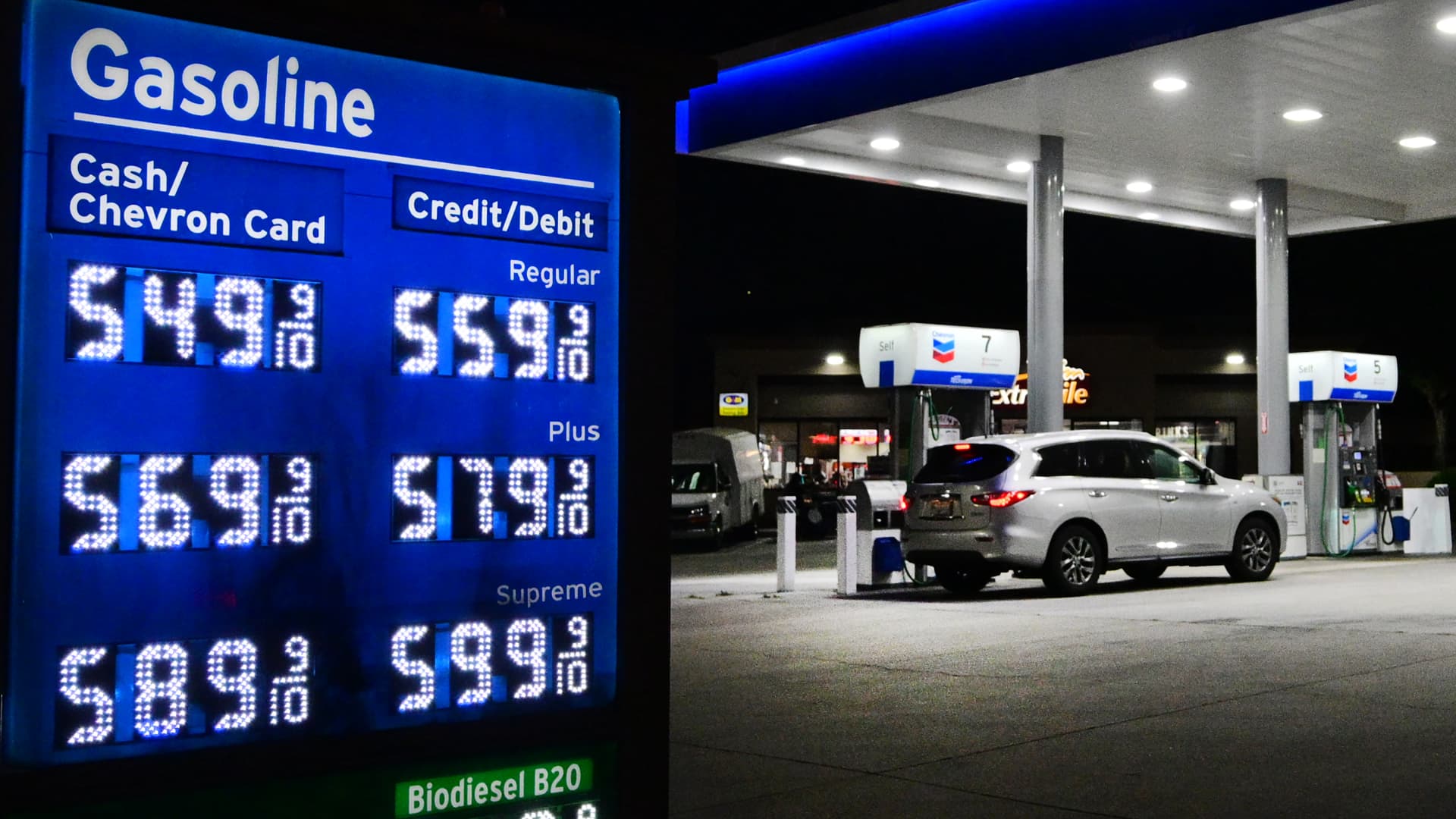
- Gas Price Surge: Gas prices in Los Angeles have risen over 60 cents in a month according to AAA, creating economic pressure on voters that could impact GOP performance in the upcoming elections.
- Political Dilemma: Republican House leaders are meeting in Miami to strategize legislative agendas amidst high gas prices, although they express support for President Trump's optimistic outlook on the conflict.
- Voter Concerns: Polls indicate that about 29% of Americans approve of the war in Iran, while a majority expect gas prices to continue rising, presenting a significant political challenge for Republicans.
- Energy Policy Debate: Representative Brett Guthrie emphasizes the need to explain the rationale behind the Iran war to help the public understand the strategic reasons for high gas prices, despite widespread voter dissatisfaction.
See More

ETF Component Trading Dynamics Analysis

- Highest Volume Component: On Tuesday, Transocean traded over 23.6 million shares, rising about 0.2%, indicating sustained market interest and possibly reflecting investor confidence in the offshore energy sector.
- Occidental Petroleum Decline: Conversely, Occidental Petroleum's stock fell approximately 4.2% on a volume exceeding 15.4 million shares, suggesting market concerns about its future performance, likely influenced by oil price fluctuations.
- Uranium Energy Surge: Uranium Energy saw a robust increase of about 10.4% on Tuesday, reflecting optimistic investor sentiment towards the uranium market, potentially linked to rising global demand for clean energy, which further fuels investment enthusiasm in the sector.
- SM Energy Weak Performance: SM Energy's stock dropped around 5.3%, lagging behind other components in the SPDR S&P North American Natural Resources ETF, which may indicate market concerns regarding its operational efficiency and profitability.
See More
US Stocks Rise Amid Oil Price Plunge and Strong Home Sales


- Oil Price Plunge Impact: US stocks are broadly higher today, with the S&P 500 up 0.28%, the Dow Jones up 0.39%, and the Nasdaq 100 up 0.49%, driven by an 11% drop in oil prices, which positively impacts the US economy and may influence Fed policy direction.
- Strong Home Sales Data: February existing home sales in the US rose 1.7% month-over-month to 4.09 million, exceeding expectations of 3.88 million, indicating resilience in the housing market that could further support stock performance.
- Iran Situation Impact: Despite increased Iranian attacks in the Persian Gulf causing the largest refinery in the UAE to halt operations, oil prices have fallen to $84 per barrel due to President Trump's comments, reflecting market sensitivity to geopolitical risks.
- Corporate Earnings Situation: With over 95% of S&P 500 companies having reported earnings, 74% exceeded expectations, and Q4 earnings growth is projected at 8.4%, providing support for the stock market and indicating sustained corporate profitability growth potential.
See More

US Stocks Volatile Amid Middle East Tensions

- Middle East Impact: The S&P 500 Index fell 0.04% and the Dow Jones Industrial Average dropped 0.13% as fresh disruptions in the Persian Gulf raised doubts about President Trump's comments on the Iran war ending soon, indicating market sensitivity to geopolitical tensions.
- Oil Price Fluctuations: Despite the largest refinery in the UAE halting operations due to an Iranian drone attack, April WTI crude oil futures fell 7%, erasing part of the previous 1.5-week rally, reflecting insufficient market reaction to supply disruptions.
- Strong Economic Data: US existing home sales rose 1.7% month-over-month to 4.09 million in February, exceeding expectations and indicating a robust housing market that could support stock prices amid broader market volatility.
- Corporate Earnings Resilience: With over 95% of S&P 500 companies reporting, 74% exceeded earnings expectations, and Q4 earnings growth is projected at 8.4%, showcasing corporate profitability and contributing to a positive market outlook.
See More
US Gas Prices Surge to Highest Level in Over a Year and a Half


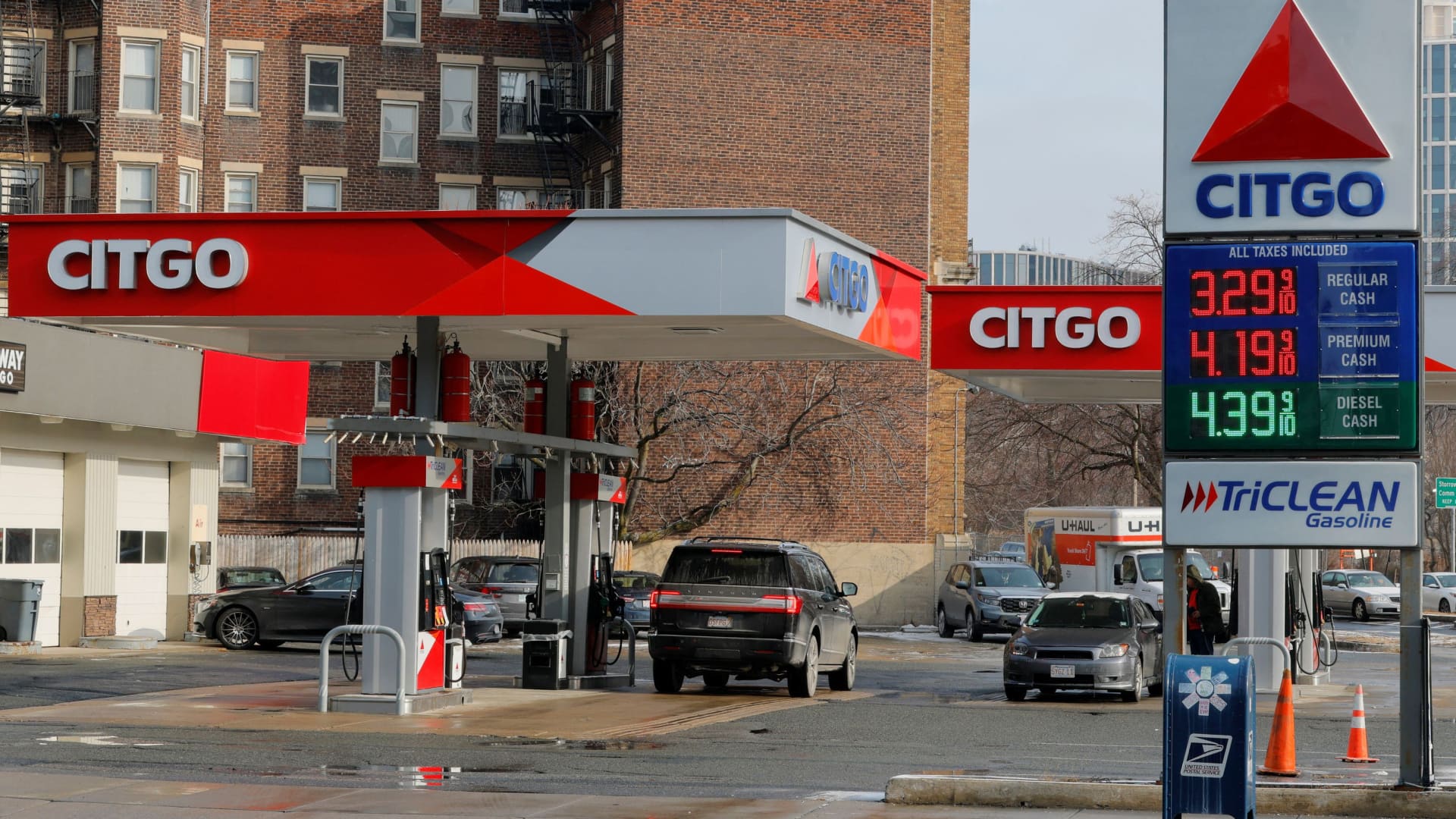
- Surge in Gas Prices: The average price of unleaded gasoline in the U.S. has risen to approximately $3.54 per gallon, marking a 21% increase from a month ago and the highest level since mid-2024, indicating severe disruptions in global oil trade due to the U.S.-Iran conflict.
- Supply Chain Crisis: The U.S.-Israeli strikes on Iran have crippled the crucial Strait of Hormuz, leading to the largest oil supply disruption in history, with gas prices experiencing their biggest three-day jump since Hurricane Katrina in 2005, further exacerbating market uncertainty.
- Political Ramifications: The rise in gas prices threatens Trump's commitment to lowering living costs, a key pillar of his reelection campaign, especially as affordability remains a top concern for voters ahead of the upcoming midterm elections.
- Market Volatility: Despite significant fluctuations, U.S. crude oil prices hover around $84 per barrel, and analysts indicate that future consumer prices will depend on the duration of market disruptions, with retailers potentially needing to raise prices to mitigate margin pressures.
See More
Bank of America: Oil Prices May Have Peaked Short-Term
- Oil Price Volatility: Bank of America's technical strategist Paul Ciana noted that Monday's oil price fluctuations, which peaked at $120 per barrel before retreating below $90, indicate a potential short-term peak, urging investors to be cautious of volatility risks.
- Brent Crude Forecast: Ciana predicts that Brent crude will consolidate between $90 and $110 in the short term, based on how the market stabilized after the initial spike following the Russia-Ukraine conflict in early 2022, suggesting a period of high-level consolidation ahead.
- Future Price Potential: He warned that despite current high prices, there remains room for further increases due to supply concerns, with Brent potentially surging to between $134 and $150 if another spike occurs, highlighting market uncertainty.
- Energy Stock Investment Advice: Bank of America updated its outlook for the S&P Energy sector and Exxon Mobil, indicating both are consolidating after significant gains, recommending investors avoid purchases for now as momentum appears stretched, necessitating careful evaluation of future investment opportunities.
See More
High Gas Prices and Iran War Impacting Elections
- Gas Price Surge: Gas prices in Los Angeles have risen over 60 cents in a month according to AAA, creating economic pressure on voters that could impact GOP performance in the upcoming elections.
- Political Dilemma: Republican House leaders are meeting in Miami to strategize legislative agendas amidst high gas prices, although they express support for President Trump's optimistic outlook on the conflict.
- Voter Concerns: Polls indicate that about 29% of Americans approve of the war in Iran, while a majority expect gas prices to continue rising, presenting a significant political challenge for Republicans.
- Energy Policy Debate: Representative Brett Guthrie emphasizes the need to explain the rationale behind the Iran war to help the public understand the strategic reasons for high gas prices, despite widespread voter dissatisfaction.
See More
ETF Component Trading Dynamics Analysis
- Highest Volume Component: On Tuesday, Transocean traded over 23.6 million shares, rising about 0.2%, indicating sustained market interest and possibly reflecting investor confidence in the offshore energy sector.
- Occidental Petroleum Decline: Conversely, Occidental Petroleum's stock fell approximately 4.2% on a volume exceeding 15.4 million shares, suggesting market concerns about its future performance, likely influenced by oil price fluctuations.
- Uranium Energy Surge: Uranium Energy saw a robust increase of about 10.4% on Tuesday, reflecting optimistic investor sentiment towards the uranium market, potentially linked to rising global demand for clean energy, which further fuels investment enthusiasm in the sector.
- SM Energy Weak Performance: SM Energy's stock dropped around 5.3%, lagging behind other components in the SPDR S&P North American Natural Resources ETF, which may indicate market concerns regarding its operational efficiency and profitability.
See More
US Stocks Rise Amid Oil Price Plunge and Strong Home Sales
- Oil Price Plunge Impact: US stocks are broadly higher today, with the S&P 500 up 0.28%, the Dow Jones up 0.39%, and the Nasdaq 100 up 0.49%, driven by an 11% drop in oil prices, which positively impacts the US economy and may influence Fed policy direction.
- Strong Home Sales Data: February existing home sales in the US rose 1.7% month-over-month to 4.09 million, exceeding expectations of 3.88 million, indicating resilience in the housing market that could further support stock performance.
- Iran Situation Impact: Despite increased Iranian attacks in the Persian Gulf causing the largest refinery in the UAE to halt operations, oil prices have fallen to $84 per barrel due to President Trump's comments, reflecting market sensitivity to geopolitical risks.
- Corporate Earnings Situation: With over 95% of S&P 500 companies having reported earnings, 74% exceeded expectations, and Q4 earnings growth is projected at 8.4%, providing support for the stock market and indicating sustained corporate profitability growth potential.
See More
US Stocks Volatile Amid Middle East Tensions
- Middle East Impact: The S&P 500 Index fell 0.04% and the Dow Jones Industrial Average dropped 0.13% as fresh disruptions in the Persian Gulf raised doubts about President Trump's comments on the Iran war ending soon, indicating market sensitivity to geopolitical tensions.
- Oil Price Fluctuations: Despite the largest refinery in the UAE halting operations due to an Iranian drone attack, April WTI crude oil futures fell 7%, erasing part of the previous 1.5-week rally, reflecting insufficient market reaction to supply disruptions.
- Strong Economic Data: US existing home sales rose 1.7% month-over-month to 4.09 million in February, exceeding expectations and indicating a robust housing market that could support stock prices amid broader market volatility.
- Corporate Earnings Resilience: With over 95% of S&P 500 companies reporting, 74% exceeded earnings expectations, and Q4 earnings growth is projected at 8.4%, showcasing corporate profitability and contributing to a positive market outlook.
See More
US Gas Prices Surge to Highest Level in Over a Year and a Half
- Surge in Gas Prices: The average price of unleaded gasoline in the U.S. has risen to approximately $3.54 per gallon, marking a 21% increase from a month ago and the highest level since mid-2024, indicating severe disruptions in global oil trade due to the U.S.-Iran conflict.
- Supply Chain Crisis: The U.S.-Israeli strikes on Iran have crippled the crucial Strait of Hormuz, leading to the largest oil supply disruption in history, with gas prices experiencing their biggest three-day jump since Hurricane Katrina in 2005, further exacerbating market uncertainty.
- Political Ramifications: The rise in gas prices threatens Trump's commitment to lowering living costs, a key pillar of his reelection campaign, especially as affordability remains a top concern for voters ahead of the upcoming midterm elections.
- Market Volatility: Despite significant fluctuations, U.S. crude oil prices hover around $84 per barrel, and analysts indicate that future consumer prices will depend on the duration of market disruptions, with retailers potentially needing to raise prices to mitigate margin pressures.
See More
Bank of America: Oil Prices May Have Peaked Short-Term
- Oil Price Volatility: Bank of America's technical strategist Paul Ciana noted that Monday's oil price fluctuations, which peaked at $120 per barrel before retreating below $90, indicate a potential short-term peak, urging investors to be cautious of volatility risks.
- Brent Crude Forecast: Ciana predicts that Brent crude will consolidate between $90 and $110 in the short term, based on how the market stabilized after the initial spike following the Russia-Ukraine conflict in early 2022, suggesting a period of high-level consolidation ahead.
- Future Price Potential: He warned that despite current high prices, there remains room for further increases due to supply concerns, with Brent potentially surging to between $134 and $150 if another spike occurs, highlighting market uncertainty.
- Energy Stock Investment Advice: Bank of America updated its outlook for the S&P Energy sector and Exxon Mobil, indicating both are consolidating after significant gains, recommending investors avoid purchases for now as momentum appears stretched, necessitating careful evaluation of future investment opportunities.
See More