SpaceX Plans IPO with Valuation Up to $1.75 Trillion
Written by Emily J. Thompson, Senior Investment Analyst
Updated: 6 days ago
0mins


Should l Buy TSLA?
Source: Fool
- IPO Filing: SpaceX confidentially filed for an IPO on April 1, targeting a valuation of up to $1.75 trillion and aiming to raise approximately $75 billion, potentially making it one of the largest IPOs in history, surpassing Saudi Aramco's $29.4 billion.
- Sales Data Insight: With last year's sales between $15 billion and $16 billion, SpaceX's valuation reflects a staggering 63 times sales, significantly exceeding the historically sustainable P/S ratio of 30, indicating overly optimistic market expectations for its future performance.
- Market Risk Warning: While SpaceX holds significant positions in the artificial intelligence and space infrastructure markets, its capital-intensive nature and risks of production delays, coupled with the potential for an AI bubble, suggest that investors should proceed with caution.
- Historical Lessons: Historical data shows that many high-growth companies peak at P/S ratios between 30 and 45, and SpaceX's inflated valuation may foreshadow future market volatility, reminiscent of Tesla's challenges in the electric vehicle sector.
Trade with 70% Backtested Accuracy
Stop guessing "Should I Buy TSLA?" and start using high-conviction signals backed by rigorous historical data.
Sign up today to access powerful investing tools and make smarter, data-driven decisions.
Analyst Views on TSLA
Wall Street analysts forecast TSLA stock price to rise
30 Analyst Rating
12 Buy
11 Hold
7 Sell
Hold
Current: 388.900

Low
25.28
Averages
401.93
High
600.00
Current: 388.900
Low
25.28
Averages
401.93
High
600.00
About TSLA
Tesla, Inc. designs, develops, manufactures, sells and leases high-performance fully electric vehicles and energy generation and storage systems, and offers services related to its products. Its segments include automotive, and energy generation and storage. The automotive segment includes the design, development, manufacturing, sales and leasing of high-performance fully electric vehicles, and sales of automotive regulatory credits. It also includes sales of used vehicles, non-warranty maintenance services and collisions, part sales, paid supercharging, insurance services revenue and retail merchandise sales. The energy generation and storage segment include the design, manufacture, installation, sales and leasing of solar energy generation and energy storage products and related services and sales of solar energy systems incentives. Its consumer vehicles include the Model 3, Y, S, X and Cybertruck. Its lithium-ion battery energy storage products include Powerwall and Megapack.
About the author

Emily J. Thompson
Emily J. Thompson, a Chartered Financial Analyst (CFA) with 12 years in investment research, graduated with honors from the Wharton School. Specializing in industrial and technology stocks, she provides in-depth analysis for Intellectia’s earnings and market brief reports.
Tesla's Q1 2026 Earnings Outlook Raises Concerns

- Delivery Decline: Tesla delivered 358,023 vehicles in Q1 2026, a 14% sequential drop that missed Wall Street's expectation of 370,000, indicating potential demand issues that could hinder future sales growth.
- Inventory Buildup: While deliveries saw a modest 6% year-over-year increase, production surged nearly 13% to 408,386 units, resulting in an inventory increase of about 50,000 cars, suggesting a disconnect between supply and demand that may impact profitability.
- Surging Capital Expenditures: Tesla's capital expenditures for 2026 are projected to exceed $20 billion, a significant rise from $8.5 billion in 2025, highlighting the financial strain associated with its ambitious transformation plans.
- Valuation Risks: With a staggering price-to-earnings ratio near 370, Tesla's stock price reflects market expectations for flawless execution of its autonomous and robotics strategies, exposing investors to substantial risks if regulatory timelines slip or operational challenges arise, making the stock unattractive in the short term.
See More
Tesla's Q1 2026 Earnings Preview and Key Focus Areas
- Production and Delivery Data: In Q1 2026, Tesla produced 408,386 vehicles and delivered 358,023, marking the lowest delivery figures in a year and falling short of Wall Street estimates, indicating potential inventory issues that could pressure free cash flow.
- Robotaxi Progress: Tesla's robotaxi fleet is currently operating in Austin and San Francisco, but the planned expansion into seven new cities may be delayed due to safety culture concerns, which could impact future revenue streams significantly.
- Humanoid Robot Production Outlook: Analysts predict Tesla will produce only 5,000 Optimus robots by 2027 and 30,000 by 2030, despite Musk's ambition of reaching one million annually, creating uncertainty in market expectations regarding these initiatives.
- Market Reaction and Risks: Tesla's stock valuation has decreased from nearly 300 times forward earnings to about 191 times, still higher than peers, and investors are cautious about the rollout of robotaxis; any delays could lead to market disappointment and negatively affect stock performance.
See More

Upcoming Earnings Reports to Reveal Economic Trends

- Earnings Reporting Surge: Next week, major companies like Tesla (TSLA) and Intel (INTC) will report earnings, expected to provide a broad view of economic momentum, corporate spending, and global demand trends, potentially influencing market sentiment and investment decisions.
- Sector Impact Analysis: Earnings from various sectors including technology, industrials, and finance will reveal insights into semiconductor demand, defense spending, and supply chain dynamics, aiding investors in assessing the sustainability of future economic growth and potential risks.
- Investor Focus: Analysts expect Tesla's earnings per share to grow by approximately 32%, while Intel's is projected to plunge by about 94%, reflecting differing levels of market confidence in these companies, which may lead to stock price volatility.
- Market Outlook: With the earnings reports from multiple firms, investors will gain clearer signals regarding growth, inflation, and market direction, helping them make more informed investment decisions in an uncertain economic environment.
See More

Tesla's Q1 2026 Earnings Outlook Analysis
- Disappointing Delivery Numbers: Tesla delivered 358,023 vehicles in Q1 2026, a 14% sequential decline that fell short of Wall Street's expectation of 370,000, indicating potential demand issues that could hinder future sales growth.
- Inventory Increase Risk: While deliveries saw a modest 6% year-over-year increase, production surged nearly 13% to 408,386 units, resulting in an inventory build-up of about 50,000 vehicles, suggesting weak market demand that could impact profitability.
- Surging Capital Expenditures: Tesla's capital expenditures are projected to exceed $20 billion in 2026, up from $8.5 billion in 2025, aimed at funding new factories and AI infrastructure, which adds significant financial pressure on the company.
- Valuation Risks: With a staggering price-to-earnings ratio near 370, the market has priced in flawless execution of Tesla's autonomous and robotics ambitions, posing substantial downside risk if regulatory approvals are delayed or operational economics prove challenging.
See More
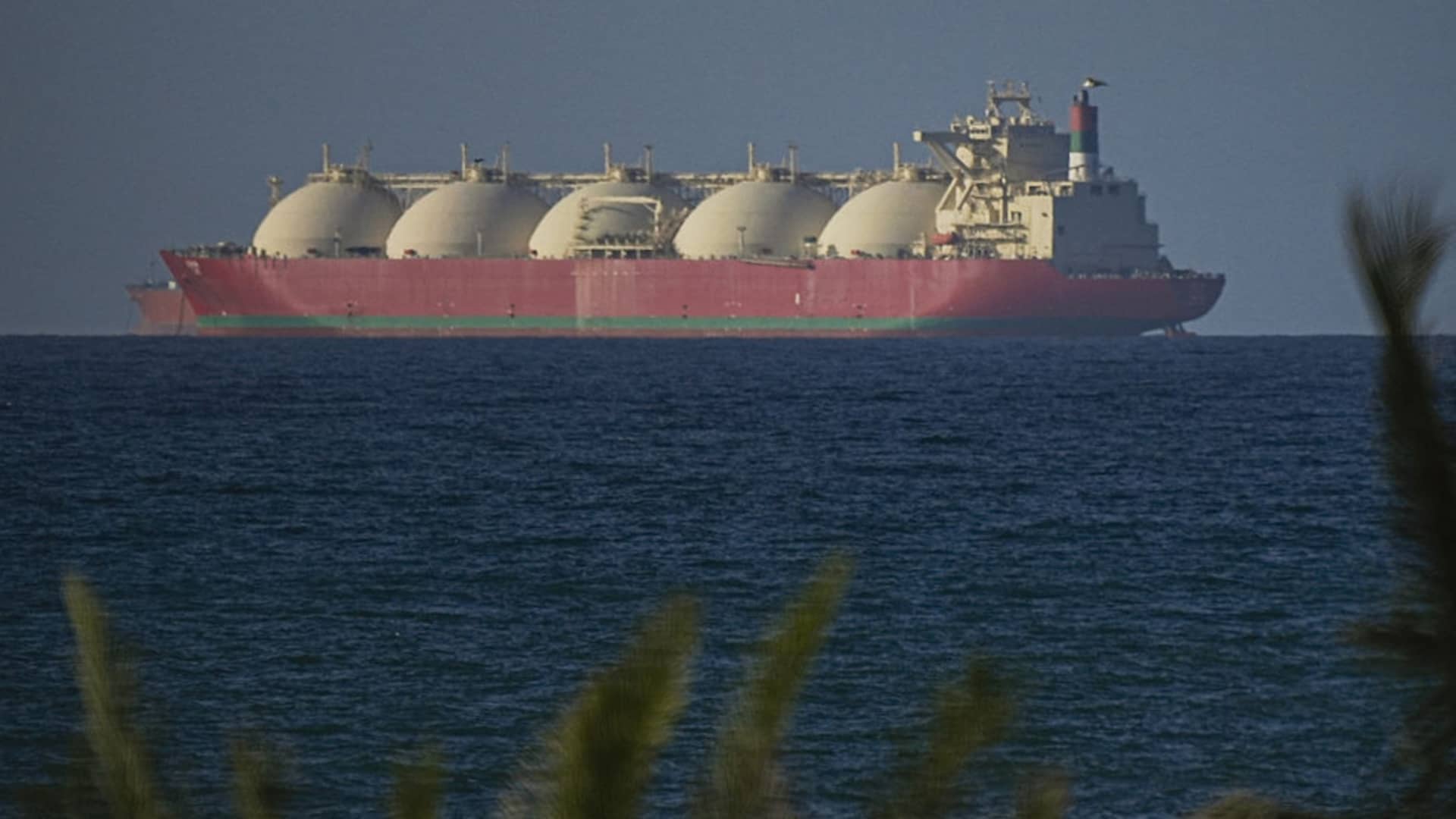
Market Dynamics: The Tug-of-War Between Bonds and Oil Prices


- Bond Market Stability: The slight decline in bond yields indicates a stable market outlook, which helps support the stock market, particularly amid oil price fluctuations, thereby reducing investor panic.
- Tech Stock Recovery: The so-called 'Magnificent Seven' tech companies, including Alphabet and Amazon, are beginning to reap benefits from their previous high expenditures, enhancing market confidence in their future profitability, which could drive further market gains.
- Rise of the AI Economy: The emergence of AI agents is expected to significantly reduce hiring and operational costs for enterprises, driving demand for chips like Nvidia's, which will further boost growth for related companies.
- Improved Investor Sentiment: Despite ongoing market uncertainties, the combination of low bond yields and strong performance from tech stocks fosters an optimistic outlook among investors, potentially attracting more capital into the stock market.
See More
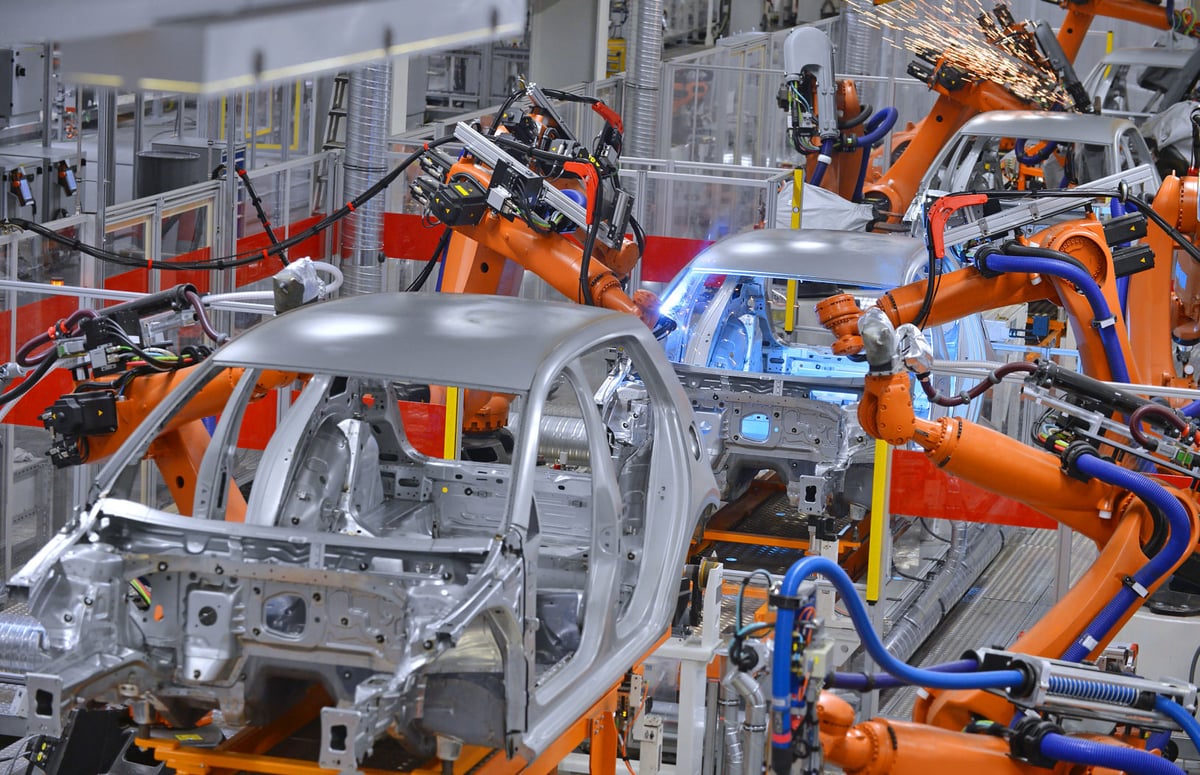
Tesla Reclaims Lead in Electric Vehicle Market
- Delivery Recovery: Tesla delivered 358,023 EVs in Q1, reclaiming its lead over BYD's 310,389 units, although this figure fell short of analysts' expectations of 365,645, highlighting intensifying market competition.
- Market Share Decline: Despite the delivery rebound, Tesla is losing market share both globally and in Europe, particularly against rivals like BYD, indicating a weakening pricing power amid increasing competition.
- Profitability Erosion: Tesla's adjusted EBITDA margins have dropped from nearly 24% in 2022 to below 16% last year, suggesting that investors need to reassess the company's valuation in light of the new competitive landscape affecting its profitability.
- Future Uncertainty: While Musk plans to launch AI robots and self-driving taxis priced under $30,000, investor skepticism remains regarding the feasibility of these timelines, especially as Tesla's core EV business faces growing competition.
See More
Tesla's Q1 2026 Earnings Outlook Raises Concerns
- Delivery Decline: Tesla delivered 358,023 vehicles in Q1 2026, a 14% sequential drop that missed Wall Street's expectation of 370,000, indicating potential demand issues that could hinder future sales growth.
- Inventory Buildup: While deliveries saw a modest 6% year-over-year increase, production surged nearly 13% to 408,386 units, resulting in an inventory increase of about 50,000 cars, suggesting a disconnect between supply and demand that may impact profitability.
- Surging Capital Expenditures: Tesla's capital expenditures for 2026 are projected to exceed $20 billion, a significant rise from $8.5 billion in 2025, highlighting the financial strain associated with its ambitious transformation plans.
- Valuation Risks: With a staggering price-to-earnings ratio near 370, Tesla's stock price reflects market expectations for flawless execution of its autonomous and robotics strategies, exposing investors to substantial risks if regulatory timelines slip or operational challenges arise, making the stock unattractive in the short term.
See More
Tesla's Q1 2026 Earnings Preview and Key Focus Areas
- Production and Delivery Data: In Q1 2026, Tesla produced 408,386 vehicles and delivered 358,023, marking the lowest delivery figures in a year and falling short of Wall Street estimates, indicating potential inventory issues that could pressure free cash flow.
- Robotaxi Progress: Tesla's robotaxi fleet is currently operating in Austin and San Francisco, but the planned expansion into seven new cities may be delayed due to safety culture concerns, which could impact future revenue streams significantly.
- Humanoid Robot Production Outlook: Analysts predict Tesla will produce only 5,000 Optimus robots by 2027 and 30,000 by 2030, despite Musk's ambition of reaching one million annually, creating uncertainty in market expectations regarding these initiatives.
- Market Reaction and Risks: Tesla's stock valuation has decreased from nearly 300 times forward earnings to about 191 times, still higher than peers, and investors are cautious about the rollout of robotaxis; any delays could lead to market disappointment and negatively affect stock performance.
See More
Upcoming Earnings Reports to Reveal Economic Trends
- Earnings Reporting Surge: Next week, major companies like Tesla (TSLA) and Intel (INTC) will report earnings, expected to provide a broad view of economic momentum, corporate spending, and global demand trends, potentially influencing market sentiment and investment decisions.
- Sector Impact Analysis: Earnings from various sectors including technology, industrials, and finance will reveal insights into semiconductor demand, defense spending, and supply chain dynamics, aiding investors in assessing the sustainability of future economic growth and potential risks.
- Investor Focus: Analysts expect Tesla's earnings per share to grow by approximately 32%, while Intel's is projected to plunge by about 94%, reflecting differing levels of market confidence in these companies, which may lead to stock price volatility.
- Market Outlook: With the earnings reports from multiple firms, investors will gain clearer signals regarding growth, inflation, and market direction, helping them make more informed investment decisions in an uncertain economic environment.
See More
Tesla's Q1 2026 Earnings Outlook Analysis
- Disappointing Delivery Numbers: Tesla delivered 358,023 vehicles in Q1 2026, a 14% sequential decline that fell short of Wall Street's expectation of 370,000, indicating potential demand issues that could hinder future sales growth.
- Inventory Increase Risk: While deliveries saw a modest 6% year-over-year increase, production surged nearly 13% to 408,386 units, resulting in an inventory build-up of about 50,000 vehicles, suggesting weak market demand that could impact profitability.
- Surging Capital Expenditures: Tesla's capital expenditures are projected to exceed $20 billion in 2026, up from $8.5 billion in 2025, aimed at funding new factories and AI infrastructure, which adds significant financial pressure on the company.
- Valuation Risks: With a staggering price-to-earnings ratio near 370, the market has priced in flawless execution of Tesla's autonomous and robotics ambitions, posing substantial downside risk if regulatory approvals are delayed or operational economics prove challenging.
See More
Market Dynamics: The Tug-of-War Between Bonds and Oil Prices
- Bond Market Stability: The slight decline in bond yields indicates a stable market outlook, which helps support the stock market, particularly amid oil price fluctuations, thereby reducing investor panic.
- Tech Stock Recovery: The so-called 'Magnificent Seven' tech companies, including Alphabet and Amazon, are beginning to reap benefits from their previous high expenditures, enhancing market confidence in their future profitability, which could drive further market gains.
- Rise of the AI Economy: The emergence of AI agents is expected to significantly reduce hiring and operational costs for enterprises, driving demand for chips like Nvidia's, which will further boost growth for related companies.
- Improved Investor Sentiment: Despite ongoing market uncertainties, the combination of low bond yields and strong performance from tech stocks fosters an optimistic outlook among investors, potentially attracting more capital into the stock market.
See More
Tesla Reclaims Lead in Electric Vehicle Market
- Delivery Recovery: Tesla delivered 358,023 EVs in Q1, reclaiming its lead over BYD's 310,389 units, although this figure fell short of analysts' expectations of 365,645, highlighting intensifying market competition.
- Market Share Decline: Despite the delivery rebound, Tesla is losing market share both globally and in Europe, particularly against rivals like BYD, indicating a weakening pricing power amid increasing competition.
- Profitability Erosion: Tesla's adjusted EBITDA margins have dropped from nearly 24% in 2022 to below 16% last year, suggesting that investors need to reassess the company's valuation in light of the new competitive landscape affecting its profitability.
- Future Uncertainty: While Musk plans to launch AI robots and self-driving taxis priced under $30,000, investor skepticism remains regarding the feasibility of these timelines, especially as Tesla's core EV business faces growing competition.
See More