Southwest Airlines Plans to Hire Former Spirit Airlines Mechanics
Written by Emily J. Thompson, Senior Investment Analyst
Updated: 1 day ago
0mins

Source: Newsfilter
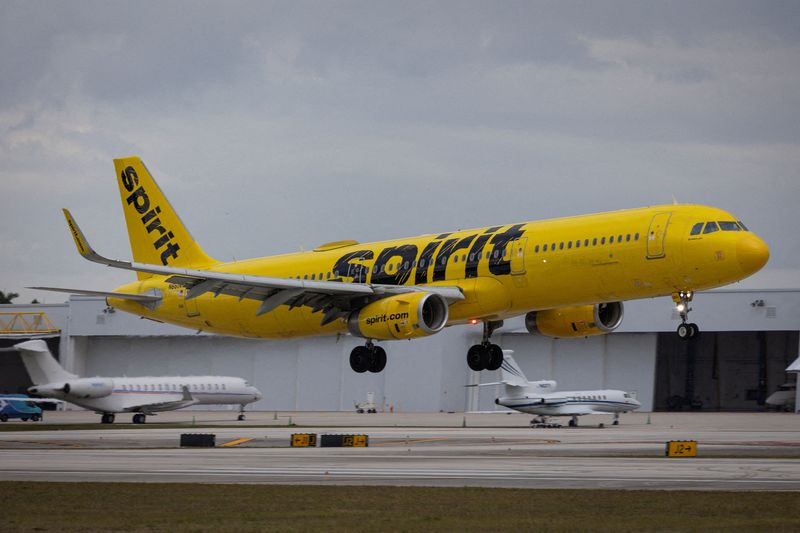
- Hiring Initiative: Southwest Airlines is looking to hire mechanics from the now-defunct Spirit Airlines to support the upcoming Boeing 737 MAX 7 jet, expected to be delivered in early 2027, indicating the company's proactive stance on future expansion.
- Industry Demand: With U.S. airlines facing shortages of planes and parts, Spirit Airlines' landing slots and engines are anticipated to be in high demand, and Southwest's hiring plan aims to alleviate this industry bottleneck.
- Pilot Recruitment: Southwest is also planning to hire 1,072 pilots this year, exceeding the expected number by about 200, although high jet fuel prices may impact this figure, reflecting the airline's urgent need for human resources.
- Market Conditions: Despite rising fares, demand for air travel in the U.S. remains strong; however, surging fuel prices due to geopolitical tensions are squeezing margins, pushing weaker airlines closer to the brink.
Trade with 70% Backtested Accuracy
Stop guessing "Should I Buy LUV?" and start using high-conviction signals backed by rigorous historical data.
Sign up today to access powerful investing tools and make smarter, data-driven decisions.
Analyst Views on LUV
Wall Street analysts forecast LUV stock price to rise
14 Analyst Rating
4 Buy
9 Hold
1 Sell
Hold
Current: 39.710

Low
34.00
Averages
44.21
High
60.00
Current: 39.710
Low
34.00
Averages
44.21
High
60.00
About LUV
Southwest Airlines Co. (Southwest) operates Southwest Airlines, a passenger airline that provides scheduled air transportation in the United States and near-international markets. The Company's fare products include four categories: Wanna Get Away, Wanna Get Away Plus, Anytime, and Business Select to provide customers options when choosing a fare. It also offers ancillary services, such as EarlyBird Check-In, Upgraded Boarding, and transportation of pets and unaccompanied minors, in accordance with Southwest’s respective policies. Its Rapid Rewards loyalty program enables program members to earn points for every dollar spent on Southwest base fares, also including purchases paid with LUV Vouchers, gift cards, or flight credit, with no portion of the purchase price paid with Rapid Rewards points. It operates over 803 Boeing 737 aircraft in its fleet and serves 117 destinations in 42 states, the District of Columbia, the Commonwealth of Puerto Rico, and ten near-international countries.
About the author

Emily J. Thompson
Emily J. Thompson, a Chartered Financial Analyst (CFA) with 12 years in investment research, graduated with honors from the Wharton School. Specializing in industrial and technology stocks, she provides in-depth analysis for Intellectia’s earnings and market brief reports.
Airline Sector Faces Major Challenges and Restructuring

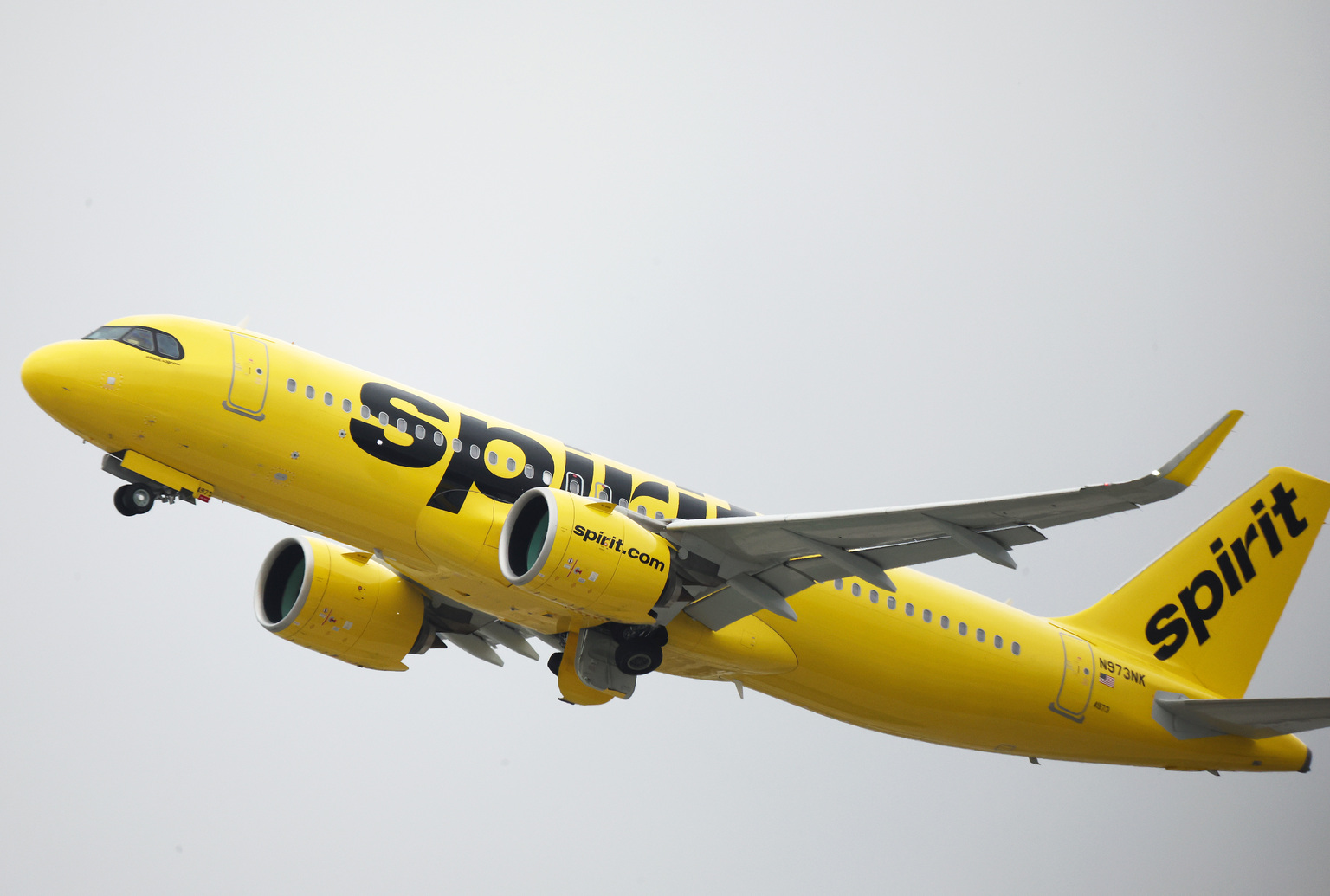
- Spirit Airlines Shutdown: Spirit Airlines officially ceased operations at 3:00 a.m. ET on May 2 after failing to secure federal bailout or creditor support, resulting in a significant drop in its stock price and highlighting the fragility of the airline sector.
- Industry Rating Reevaluation: Following Spirit's closure, the Quant rating framework reassesses the airline industry, revealing that most airlines hold 'Hold' ratings, with only Southwest Airlines and LATAM Airlines receiving 'Buy' ratings, indicating market confidence in their fundamentals.
- Fuel Price Impact: The soaring jet fuel prices linked to the conflict in Iran place additional operational pressures on budget carriers, forcing industry leaders to reevaluate their financial health and potentially leading to further contraction strategies.
- Uncertain Market Outlook: Despite strong performances from Southwest and LATAM Airlines, the overall airline market remains uncertain, as the 'Hold' ratings for major players like Delta Air Lines and American Airlines reflect investor concerns regarding future profitability.
See More

2026 North America Airline Customer Satisfaction Report Released

- Customer Satisfaction Increase: According to the JD Power 2026 North America Airline Satisfaction Study, overall customer satisfaction rose by 8 points compared to 2025, indicating that airlines have successfully improved passenger communication and service quality despite challenges from rising ticket prices and fees.
- Segment Performance: Satisfaction among first and business class passengers increased by 17 points, while premium economy saw a 14-point rise, and economy/basic economy improved by 6 points, highlighting significant service enhancements in the premium segments that may attract higher-value customers.
- Economy Segment Competition: Southwest Airlines ranked first in the economy/basic economy segment with a score of 670, closely followed by Delta Air Lines (667) and JetBlue Airways (655), with only a 3-point gap indicating fierce competition that may drive airlines to further optimize their services.
- Drivers of Passenger Experience: The increase in passenger satisfaction is primarily attributed to strong on-board experiences, pre- and post-flight services, and perceived value for money, as airlines' efforts in these areas help mitigate dissatisfaction stemming from flight delays and rising costs.
See More

U.S. Stocks Close Higher, Led by Tech Gains

- Tech Stock Surge: Intel's stock soared over 12% after Apple held exploratory talks with Intel and Samsung Electronics for U.S. processor production, indicating strong market confidence in tech stocks and driving gains across chipmakers.
- Oil Price Decline: WTI crude oil prices fell more than 3% as the ceasefire in the Middle East eased geopolitical risks, providing support for the stock market and reflecting market demand for stability amid fluctuating oil prices.
- New Home Sales Growth: U.S. March new home sales rose 7.4% month-over-month to 682,000, surpassing expectations of 652,000, indicating a robust recovery in the housing market that could bolster economic confidence.
- Positive Earnings Outlook: As of Tuesday, 83% of the 354 S&P 500 companies that reported Q1 earnings exceeded estimates, with projected earnings growth of 12% year-over-year, demonstrating sustained corporate profitability that may further drive stock market gains.
See More
Spirit Airlines Begins Bankruptcy Process After Historic Collapse

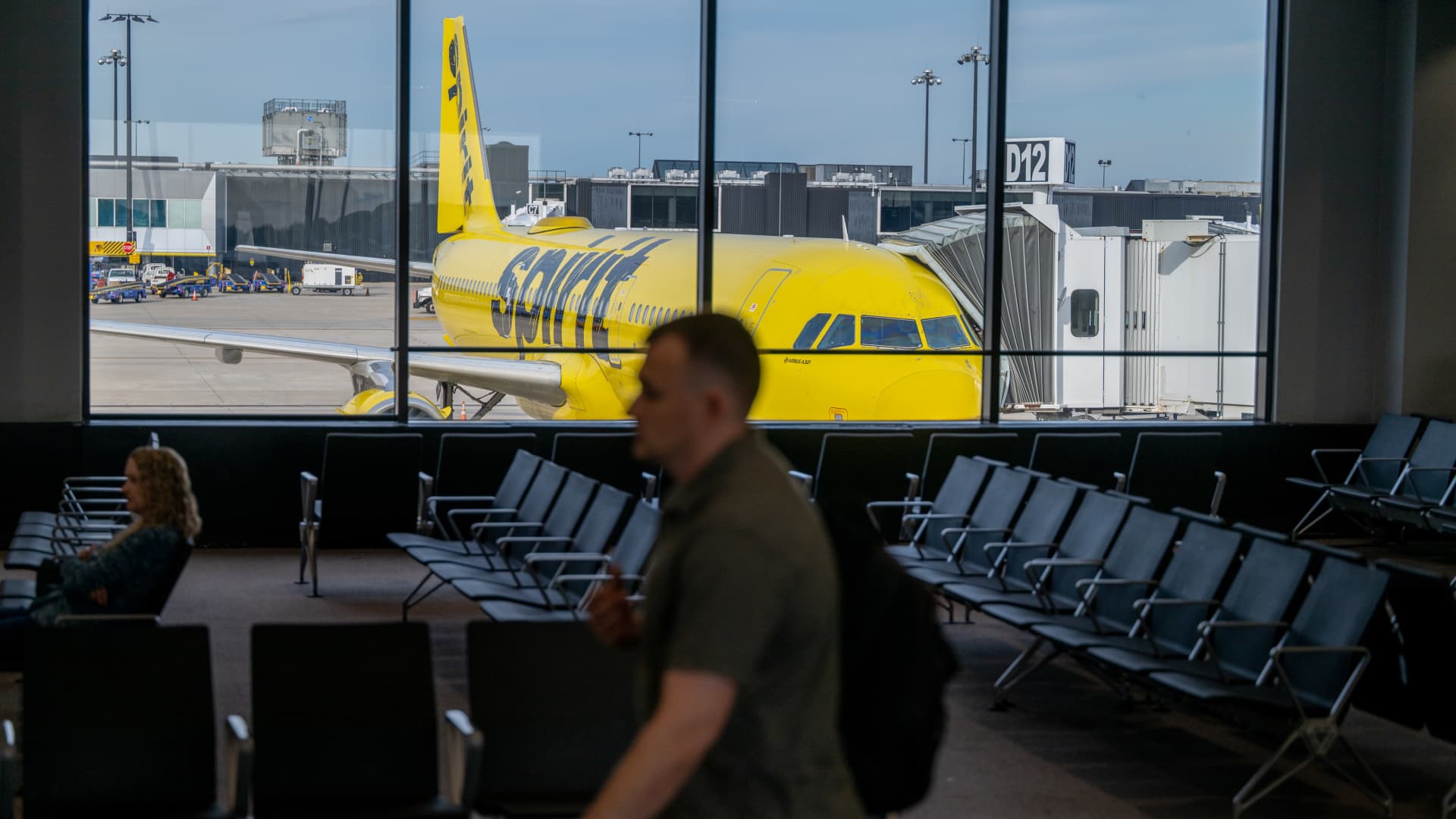
- Bankruptcy Process Initiated: Spirit Airlines officially shut down on May 2, 2026, after over three decades of operation, beginning a lengthy bankruptcy process with a projected wind-down budget of approximately $217 million, highlighting the severe financial distress faced by the company.
- Impact on Employees and Operations: The bankruptcy resulted in about 17,000 direct and indirect job losses, and the airline transported approximately 50,000 passengers on the day before its closure, illustrating the widespread impact on operations and the significant toll on employees' families.
- Rising Costs as a Catalyst: Spirit's attorney indicated that a surge in jet fuel prices following the U.S.-Israel attacks on Iran in February added $100 million in incremental costs, forcing the airline to shut down after years of heavy debt burdens, reflecting the harsh realities of both internal and external pressures in the industry.
- Failed Government Bailout Negotiations: Although there were discussions for a potential $500 million government loan to rescue the airline, negotiations fell apart late last week, exacerbating the company's predicament and underscoring the vulnerability of the airline industry amid economic fluctuations.
See More
Spirit Airlines Files for Bankruptcy with $217 Million Wind-Down Budget
- Bankruptcy Wind-Down Budget: Spirit Airlines disclosed a wind-down budget of approximately $217 million in its bankruptcy filing, expected to last until February 2028, covering employee and aircraft-related expenses, highlighting the company's significant financial distress.
- Operational Shutdown Impact: The airline officially ceased operations early Saturday, stranding tens of thousands of passengers, reflecting its long-standing financial pressures and operational challenges, particularly amid heavy debt loads and surging costs.
- Employee Job Losses: The closure resulted in approximately 17,000 direct and indirect employees losing their jobs, with the presiding judge noting the severe impact on employees and their families, underscoring the complexities and hardships of the bankruptcy process.
- Failed Government Bailout Negotiations: The collapse of negotiations for a $500 million government loan left Spirit Airlines with no choice but to shut down, illustrating the dire consequences of lacking effective financial support during industry crises.
See More

Southwest Airlines Plans to Hire Former Spirit Airlines Mechanics
- Hiring Initiative: Southwest Airlines is looking to hire mechanics from the now-defunct Spirit Airlines to support the upcoming Boeing 737 MAX 7 jet, expected to be delivered in early 2027, indicating the company's proactive stance on future expansion.
- Industry Demand: With U.S. airlines facing shortages of planes and parts, Spirit Airlines' landing slots and engines are anticipated to be in high demand, and Southwest's hiring plan aims to alleviate this industry bottleneck.
- Pilot Recruitment: Southwest is also planning to hire 1,072 pilots this year, exceeding the expected number by about 200, although high jet fuel prices may impact this figure, reflecting the airline's urgent need for human resources.
- Market Conditions: Despite rising fares, demand for air travel in the U.S. remains strong; however, surging fuel prices due to geopolitical tensions are squeezing margins, pushing weaker airlines closer to the brink.
See More
Airline Sector Faces Major Challenges and Restructuring
- Spirit Airlines Shutdown: Spirit Airlines officially ceased operations at 3:00 a.m. ET on May 2 after failing to secure federal bailout or creditor support, resulting in a significant drop in its stock price and highlighting the fragility of the airline sector.
- Industry Rating Reevaluation: Following Spirit's closure, the Quant rating framework reassesses the airline industry, revealing that most airlines hold 'Hold' ratings, with only Southwest Airlines and LATAM Airlines receiving 'Buy' ratings, indicating market confidence in their fundamentals.
- Fuel Price Impact: The soaring jet fuel prices linked to the conflict in Iran place additional operational pressures on budget carriers, forcing industry leaders to reevaluate their financial health and potentially leading to further contraction strategies.
- Uncertain Market Outlook: Despite strong performances from Southwest and LATAM Airlines, the overall airline market remains uncertain, as the 'Hold' ratings for major players like Delta Air Lines and American Airlines reflect investor concerns regarding future profitability.
See More
2026 North America Airline Customer Satisfaction Report Released
- Customer Satisfaction Increase: According to the JD Power 2026 North America Airline Satisfaction Study, overall customer satisfaction rose by 8 points compared to 2025, indicating that airlines have successfully improved passenger communication and service quality despite challenges from rising ticket prices and fees.
- Segment Performance: Satisfaction among first and business class passengers increased by 17 points, while premium economy saw a 14-point rise, and economy/basic economy improved by 6 points, highlighting significant service enhancements in the premium segments that may attract higher-value customers.
- Economy Segment Competition: Southwest Airlines ranked first in the economy/basic economy segment with a score of 670, closely followed by Delta Air Lines (667) and JetBlue Airways (655), with only a 3-point gap indicating fierce competition that may drive airlines to further optimize their services.
- Drivers of Passenger Experience: The increase in passenger satisfaction is primarily attributed to strong on-board experiences, pre- and post-flight services, and perceived value for money, as airlines' efforts in these areas help mitigate dissatisfaction stemming from flight delays and rising costs.
See More
U.S. Stocks Close Higher, Led by Tech Gains
- Tech Stock Surge: Intel's stock soared over 12% after Apple held exploratory talks with Intel and Samsung Electronics for U.S. processor production, indicating strong market confidence in tech stocks and driving gains across chipmakers.
- Oil Price Decline: WTI crude oil prices fell more than 3% as the ceasefire in the Middle East eased geopolitical risks, providing support for the stock market and reflecting market demand for stability amid fluctuating oil prices.
- New Home Sales Growth: U.S. March new home sales rose 7.4% month-over-month to 682,000, surpassing expectations of 652,000, indicating a robust recovery in the housing market that could bolster economic confidence.
- Positive Earnings Outlook: As of Tuesday, 83% of the 354 S&P 500 companies that reported Q1 earnings exceeded estimates, with projected earnings growth of 12% year-over-year, demonstrating sustained corporate profitability that may further drive stock market gains.
See More
Spirit Airlines Begins Bankruptcy Process After Historic Collapse
- Bankruptcy Process Initiated: Spirit Airlines officially shut down on May 2, 2026, after over three decades of operation, beginning a lengthy bankruptcy process with a projected wind-down budget of approximately $217 million, highlighting the severe financial distress faced by the company.
- Impact on Employees and Operations: The bankruptcy resulted in about 17,000 direct and indirect job losses, and the airline transported approximately 50,000 passengers on the day before its closure, illustrating the widespread impact on operations and the significant toll on employees' families.
- Rising Costs as a Catalyst: Spirit's attorney indicated that a surge in jet fuel prices following the U.S.-Israel attacks on Iran in February added $100 million in incremental costs, forcing the airline to shut down after years of heavy debt burdens, reflecting the harsh realities of both internal and external pressures in the industry.
- Failed Government Bailout Negotiations: Although there were discussions for a potential $500 million government loan to rescue the airline, negotiations fell apart late last week, exacerbating the company's predicament and underscoring the vulnerability of the airline industry amid economic fluctuations.
See More
Spirit Airlines Files for Bankruptcy with $217 Million Wind-Down Budget
- Bankruptcy Wind-Down Budget: Spirit Airlines disclosed a wind-down budget of approximately $217 million in its bankruptcy filing, expected to last until February 2028, covering employee and aircraft-related expenses, highlighting the company's significant financial distress.
- Operational Shutdown Impact: The airline officially ceased operations early Saturday, stranding tens of thousands of passengers, reflecting its long-standing financial pressures and operational challenges, particularly amid heavy debt loads and surging costs.
- Employee Job Losses: The closure resulted in approximately 17,000 direct and indirect employees losing their jobs, with the presiding judge noting the severe impact on employees and their families, underscoring the complexities and hardships of the bankruptcy process.
- Failed Government Bailout Negotiations: The collapse of negotiations for a $500 million government loan left Spirit Airlines with no choice but to shut down, illustrating the dire consequences of lacking effective financial support during industry crises.
See More
Southwest Airlines Plans to Hire Former Spirit Airlines Mechanics
- Hiring Initiative: Southwest Airlines is looking to hire mechanics from the now-defunct Spirit Airlines to support the upcoming Boeing 737 MAX 7 jet, expected to be delivered in early 2027, indicating the company's proactive stance on future expansion.
- Industry Demand: With U.S. airlines facing shortages of planes and parts, Spirit Airlines' landing slots and engines are anticipated to be in high demand, and Southwest's hiring plan aims to alleviate this industry bottleneck.
- Pilot Recruitment: Southwest is also planning to hire 1,072 pilots this year, exceeding the expected number by about 200, although high jet fuel prices may impact this figure, reflecting the airline's urgent need for human resources.
- Market Conditions: Despite rising fares, demand for air travel in the U.S. remains strong; however, surging fuel prices due to geopolitical tensions are squeezing margins, pushing weaker airlines closer to the brink.
See More