Significant Inflows Observed in DYNF, PH, COF, and COST ETFs
Written by Emily J. Thompson, Senior Investment Analyst
Updated: Aug 22 2025
0mins


Source: NASDAQ.COM
Trade with 70% Backtested Accuracy
Stop guessing "Should I Buy COST?" and start using high-conviction signals backed by rigorous historical data.
Sign up today to access powerful investing tools and make smarter, data-driven decisions.
Analyst Views on COST
Wall Street analysts forecast COST stock price to rise
24 Analyst Rating
19 Buy
4 Hold
1 Sell
Strong Buy
Current: 951.350

Low
769.00
Averages
1061
High
1205
Current: 951.350
Low
769.00
Averages
1061
High
1205
About COST
Costco Wholesale Corporation (Costco) operates membership warehouses and e-commerce sites that offer a selection of nationally branded and private-label products in a wide range of categories. The Company buys the majority of its merchandise directly from suppliers and route it to cross-docking consolidation points (depots) or directly to its warehouses. It operates 891 warehouses, including 614 in the United States and Puerto Rico, 108 in Canada, 40 in Mexico, 35 in Japan, 29 in the United Kingdom, 19 in Korea, 15 in Australia, 14 in Taiwan, seven in China, five in Spain, two in France, and one each in Iceland, New Zealand and Sweden. It also operates e-commerce sites in the United States, Canada, the United Kingdom, Mexico, Korea, Taiwan, Japan and Australia. The Company provides wide selection of merchandise, plus the convenience of specialty departments and exclusive member services.
About the author

Emily J. Thompson
Emily J. Thompson, a Chartered Financial Analyst (CFA) with 12 years in investment research, graduated with honors from the Wharton School. Specializing in industrial and technology stocks, she provides in-depth analysis for Intellectia’s earnings and market brief reports.
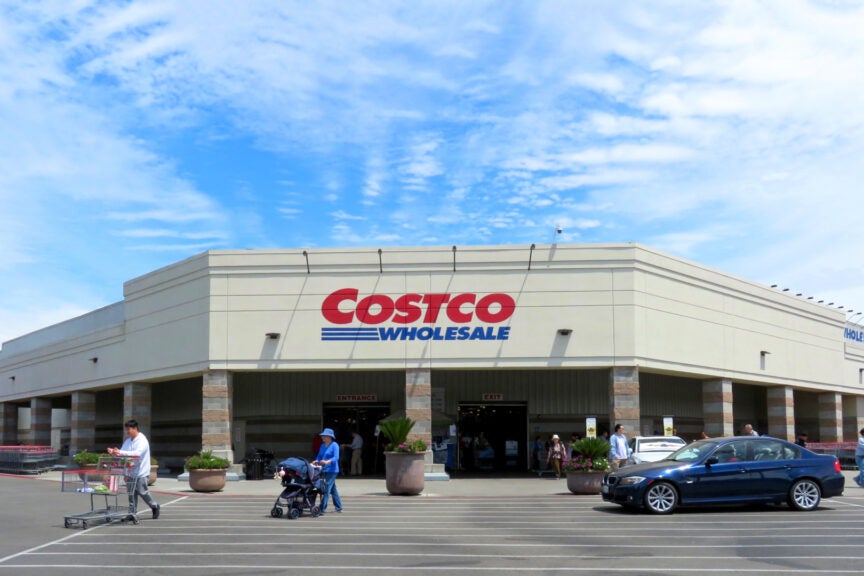
Costco Thrives Amid Inflation, Sales Surge
- Inflation-Driven Sales: With inflation hitting 4.2% in May, Costco's low-price strategy has made it an essential part of consumers' lives, driving sales growth and restoring market confidence.
- Fuel Sales Surge: In the fiscal Q3 2026, comparable-store fuel sales grew approximately 20%, while overall comps increased by 9.8%, attracting new users and positioning fuel sales as a long-term growth driver.
- Membership Model Advantage: Costco's membership model attracts a wealthier customer base that demonstrates resilience during economic challenges, thereby driving store sales momentum and ensuring strong performance in any economic climate.
- Oil Price Impact on Sales: While higher oil prices hurt retailers, Costco benefited from inflated fuel prices by about 2.2% in the quarter, showcasing its adaptability and competitive edge amid economic fluctuations.
See More
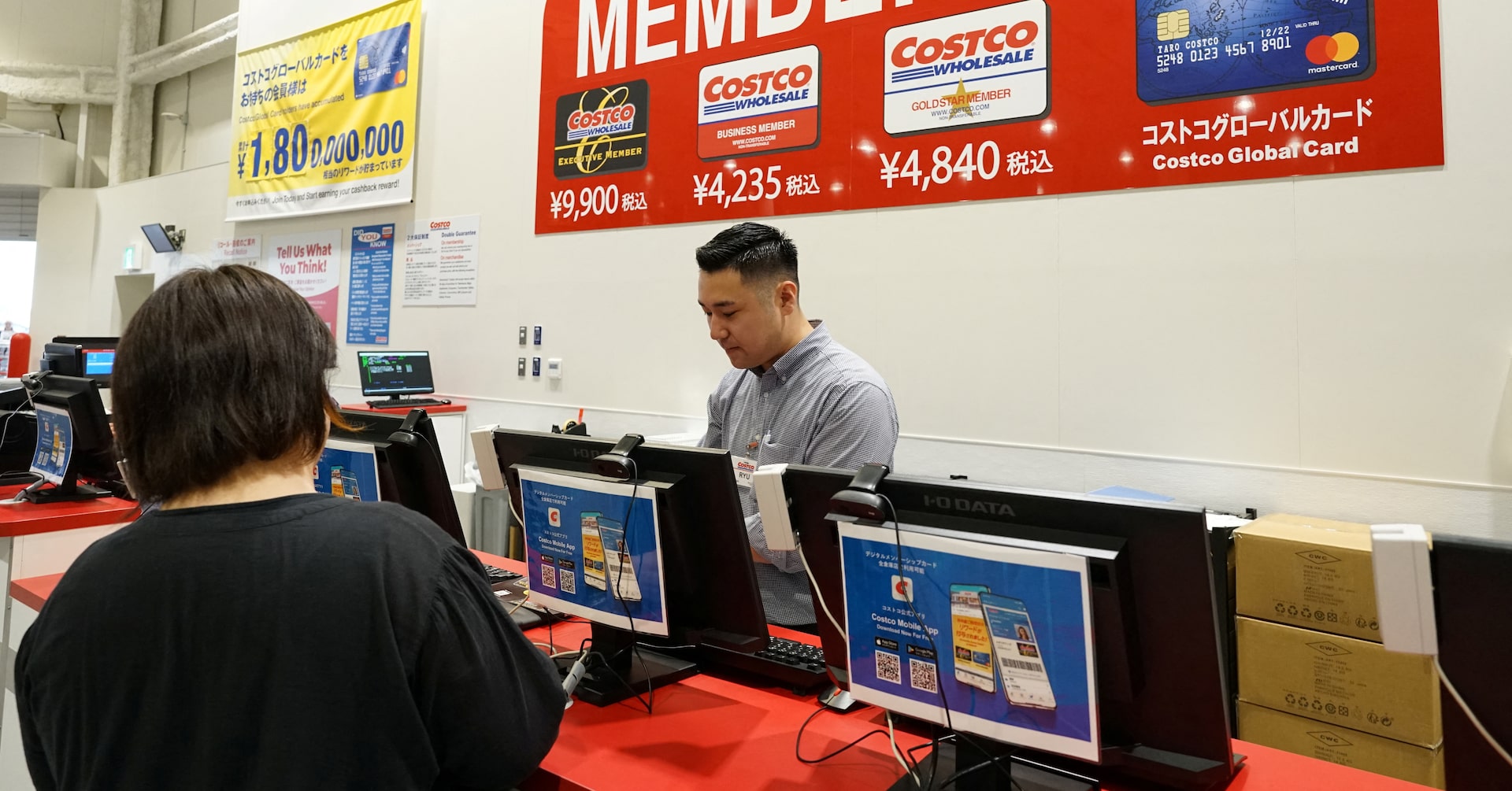
Rising Fuel Prices Drive Costco's Gas Station Expansion
- Gas Station Expansion: Costco is expanding its gas station network to capitalize on increased customer traffic due to rising fuel prices, which is expected to further drive sales growth and enhance customer loyalty.
- Accelerated Sales Growth: In the fiscal third quarter of 2026, Costco's comparable fuel sales grew approximately 20%, while overall comparable sales increased by 9.8%, indicating a positive impact of high fuel prices on its sales.
- Changing Consumer Spending Patterns: As fuel prices rise, customers tend to increase their in-store spending after refueling at Costco, a trend that is anticipated to become a long-term growth driver, further boosting the company's performance.
- Economic Resilience: Costco attracts a more affluent customer base that demonstrates stronger spending power during economic challenges, allowing the company to maintain robust sales momentum in any economic environment.
See More

Amazon Prime Membership Value Significantly Increases


- Membership Value Analysis: JPMorgan estimates that while the annual fee for U.S. Prime members is $139, the actual value exceeds $1,437, highlighting the immense appeal of membership services, particularly as subscriber growth slows.
- Cost Savings: In 2025, U.S. Prime members are projected to save an average of $550 on delivery fees, a 10% increase from the previous year, which not only enhances user satisfaction but also strengthens Amazon's competitive edge in a fiercely contested market.
- Global User Growth: Amazon is expected to reach 370 million Prime users worldwide by year-end, with 139 million in the U.S. and 231 million internationally, indicating significant potential in international markets where penetration could rise from 33% to 45%.
- Revenue Growth Potential: JPMorgan predicts that Prime Day could generate an incremental $7 billion to $8 billion in revenue for the second quarter, while potential future membership fee increases could drive an additional $3 billion in annual sales, demonstrating Amazon's ongoing profitability in membership services.
See More
Costco Testing Key Support Level for Potential Bounce
- Capital Flow Trend: As capital exits the tech sector, institutional investors are reallocating funds into stable sectors like Consumer Staples and Healthcare, with Costco being a heavyweight beneficiary in the XLP sector.
- Technical Analysis Strategy: The current approach avoids complex indicators, focusing instead on traditional support and resistance concepts, as Costco's stock price tests the historically significant support level around $950, indicating potential for a rebound.
- Trade Setup: To capitalize on the support bounce, a bull call spread targeting the 950/955 range is planned, set to expire on July 24, with a maximum potential profit of $250 while effectively capping downside risk.
- Market Reaction Expectations: Should Costco's stock price exceed $956, the trade strategy will adjust to the new price, ensuring profit opportunities remain intact amidst market fluctuations, further solidifying its position in the consumer staples market.
See More

Amazon and Costco: Top Picks for Long-Term Investment
- Amazon's Market Advantage: Amazon (AMZN) holds a massive market share in e-commerce and cloud computing, with a market cap of $2.6 trillion, and is poised for future growth driven by its strong global network and Prime membership service amidst the AI boom.
- AWS Growth Potential: Amazon Web Services (AWS), the world's largest cloud service provider, boasts an annual revenue run rate of $150 billion, benefiting from a surge in AI projects, which further solidifies Amazon's profitability and market position.
- Costco's Business Model: Costco (COST) is renowned for its membership-based low-price strategy, with a market cap of $422 billion and a renewal rate exceeding 92% in the U.S. and Canada, providing visibility for future profits.
- Expansion Plans and Profitability: With 928 stores globally and plans to open over 30 new warehouses annually, Costco's high-margin membership fees ensure long-term profitability and competitive strength, despite low margins on product sales.
See More

Investment Potential of Amazon and Costco
- Amazon's Market Advantage: Amazon's global influence in e-commerce and cloud computing provides a strong competitive edge, particularly with its AWS division achieving an annual revenue run rate of $150 billion, which is expected to benefit from the AI boom, driving future profit growth.
- Cost Structure Optimization: By shifting its U.S. fulfillment model from national to regional, Amazon has optimized its cost structure, a strategy that will help enhance profitability in the future and further solidify its market position.
- Costco's Membership Model: With a renewal rate of 92%, Costco ensures a stable source of high-margin profits; despite thin margins on product sales, its business model attracts consumers during economic downturns, enhancing market resilience.
- Global Expansion Plans: Costco aims to open over 30 new warehouses annually, currently operating 928 stores worldwide, a strategy that will further increase its market share and profitability, ensuring long-term business growth.
See More
Costco Thrives Amid Inflation, Sales Surge
- Inflation-Driven Sales: With inflation hitting 4.2% in May, Costco's low-price strategy has made it an essential part of consumers' lives, driving sales growth and restoring market confidence.
- Fuel Sales Surge: In the fiscal Q3 2026, comparable-store fuel sales grew approximately 20%, while overall comps increased by 9.8%, attracting new users and positioning fuel sales as a long-term growth driver.
- Membership Model Advantage: Costco's membership model attracts a wealthier customer base that demonstrates resilience during economic challenges, thereby driving store sales momentum and ensuring strong performance in any economic climate.
- Oil Price Impact on Sales: While higher oil prices hurt retailers, Costco benefited from inflated fuel prices by about 2.2% in the quarter, showcasing its adaptability and competitive edge amid economic fluctuations.
See More
Rising Fuel Prices Drive Costco's Gas Station Expansion
- Gas Station Expansion: Costco is expanding its gas station network to capitalize on increased customer traffic due to rising fuel prices, which is expected to further drive sales growth and enhance customer loyalty.
- Accelerated Sales Growth: In the fiscal third quarter of 2026, Costco's comparable fuel sales grew approximately 20%, while overall comparable sales increased by 9.8%, indicating a positive impact of high fuel prices on its sales.
- Changing Consumer Spending Patterns: As fuel prices rise, customers tend to increase their in-store spending after refueling at Costco, a trend that is anticipated to become a long-term growth driver, further boosting the company's performance.
- Economic Resilience: Costco attracts a more affluent customer base that demonstrates stronger spending power during economic challenges, allowing the company to maintain robust sales momentum in any economic environment.
See More
Amazon Prime Membership Value Significantly Increases
- Membership Value Analysis: JPMorgan estimates that while the annual fee for U.S. Prime members is $139, the actual value exceeds $1,437, highlighting the immense appeal of membership services, particularly as subscriber growth slows.
- Cost Savings: In 2025, U.S. Prime members are projected to save an average of $550 on delivery fees, a 10% increase from the previous year, which not only enhances user satisfaction but also strengthens Amazon's competitive edge in a fiercely contested market.
- Global User Growth: Amazon is expected to reach 370 million Prime users worldwide by year-end, with 139 million in the U.S. and 231 million internationally, indicating significant potential in international markets where penetration could rise from 33% to 45%.
- Revenue Growth Potential: JPMorgan predicts that Prime Day could generate an incremental $7 billion to $8 billion in revenue for the second quarter, while potential future membership fee increases could drive an additional $3 billion in annual sales, demonstrating Amazon's ongoing profitability in membership services.
See More
Costco Testing Key Support Level for Potential Bounce
- Capital Flow Trend: As capital exits the tech sector, institutional investors are reallocating funds into stable sectors like Consumer Staples and Healthcare, with Costco being a heavyweight beneficiary in the XLP sector.
- Technical Analysis Strategy: The current approach avoids complex indicators, focusing instead on traditional support and resistance concepts, as Costco's stock price tests the historically significant support level around $950, indicating potential for a rebound.
- Trade Setup: To capitalize on the support bounce, a bull call spread targeting the 950/955 range is planned, set to expire on July 24, with a maximum potential profit of $250 while effectively capping downside risk.
- Market Reaction Expectations: Should Costco's stock price exceed $956, the trade strategy will adjust to the new price, ensuring profit opportunities remain intact amidst market fluctuations, further solidifying its position in the consumer staples market.
See More
Amazon and Costco: Top Picks for Long-Term Investment
- Amazon's Market Advantage: Amazon (AMZN) holds a massive market share in e-commerce and cloud computing, with a market cap of $2.6 trillion, and is poised for future growth driven by its strong global network and Prime membership service amidst the AI boom.
- AWS Growth Potential: Amazon Web Services (AWS), the world's largest cloud service provider, boasts an annual revenue run rate of $150 billion, benefiting from a surge in AI projects, which further solidifies Amazon's profitability and market position.
- Costco's Business Model: Costco (COST) is renowned for its membership-based low-price strategy, with a market cap of $422 billion and a renewal rate exceeding 92% in the U.S. and Canada, providing visibility for future profits.
- Expansion Plans and Profitability: With 928 stores globally and plans to open over 30 new warehouses annually, Costco's high-margin membership fees ensure long-term profitability and competitive strength, despite low margins on product sales.
See More
Investment Potential of Amazon and Costco
- Amazon's Market Advantage: Amazon's global influence in e-commerce and cloud computing provides a strong competitive edge, particularly with its AWS division achieving an annual revenue run rate of $150 billion, which is expected to benefit from the AI boom, driving future profit growth.
- Cost Structure Optimization: By shifting its U.S. fulfillment model from national to regional, Amazon has optimized its cost structure, a strategy that will help enhance profitability in the future and further solidify its market position.
- Costco's Membership Model: With a renewal rate of 92%, Costco ensures a stable source of high-margin profits; despite thin margins on product sales, its business model attracts consumers during economic downturns, enhancing market resilience.
- Global Expansion Plans: Costco aims to open over 30 new warehouses annually, currently operating 928 stores worldwide, a strategy that will further increase its market share and profitability, ensuring long-term business growth.
See More