Significant ETF Withdrawals Observed - IJR, COOP, KTOS, BWA
Written by Emily J. Thompson, Senior Investment Analyst
Updated: Sep 15 2025
0mins

Should l Buy BWA?
Source: NASDAQ.COM
52 Week Range Analysis: IJR's share price has a 52-week low of $89.22 and a high of $128.61, with the last trade recorded at $119.16, indicating a stable position within its range.
ETFs Trading Dynamics: Exchange traded funds (ETFs) function like stocks, allowing investors to buy and sell units that can be created or destroyed based on demand, impacting the underlying holdings significantly.
Trade with 70% Backtested Accuracy
Stop guessing "Should I Buy BWA?" and start using high-conviction signals backed by rigorous historical data.
Sign up today to access powerful investing tools and make smarter, data-driven decisions.
Analyst Views on BWA
Wall Street analysts forecast BWA stock price to fall
9 Analyst Rating
5 Buy
4 Hold
0 Sell
Moderate Buy
Current: 55.010

Low
49.00
Averages
52.00
High
55.00
Current: 55.010
Low
49.00
Averages
52.00
High
55.00
About BWA
BorgWarner Inc. is engaged in clean technology solutions for combustion, hybrid and electric vehicles. The Company operates in four segments. The Turbos & Thermal Technologies’ technologies include turbochargers, e-boosters, e-turbos, emissions systems, thermal systems, gasoline ignition technology, smart remote actuators, powertrain sensors, among others. The Drivetrain & Morse Systems segment’s products include control modules, friction and mechanical clutch products for automatic transmissions, torque-management products and rear-wheel drive (RWD) and all-wheel drive (AWD) transfer case systems and coupling systems. The PowerDrive Systems segment’s products include power electronics such as inverters, onboard chargers, DC/DC converters and combination boxes, and others. The Battery & Charging Systems segment’s products include lithium-ion battery systems for electrified bus, truck and off-highway applications and DC fast chargers suitable for all types of electric vehicles.
About the author

Emily J. Thompson
Emily J. Thompson, a Chartered Financial Analyst (CFA) with 12 years in investment research, graduated with honors from the Wharton School. Specializing in industrial and technology stocks, she provides in-depth analysis for Intellectia’s earnings and market brief reports.

Dana Inc. Refines Strategy Amid Electrification Challenges

- Strategic Shift: Dana is refining its strategy to address the volatility in electrification demand by focusing on projects that can more reliably drive profitability, thereby maintaining growth potential in the future.
- Market Demand Evolution: The company is broadening its demand base to reduce reliance on traditional original equipment cycles, shifting towards higher-margin internal combustion and hybrid programs to lower execution risks and ensure clearer returns.
- Aftermarket Opportunities: Dana aims to expand its higher-margin aftermarket business in North America, with an estimated $250 million market opportunity, which will improve margins and reduce reliance on cyclical OEM demand.
- Technological Diversification: The company is building out its “Applied Technologies” initiatives to enter adjacent markets such as powersports and defense, representing a $400-500 million incremental revenue opportunity, enhancing the business's resilience against cyclical downturns.
See More
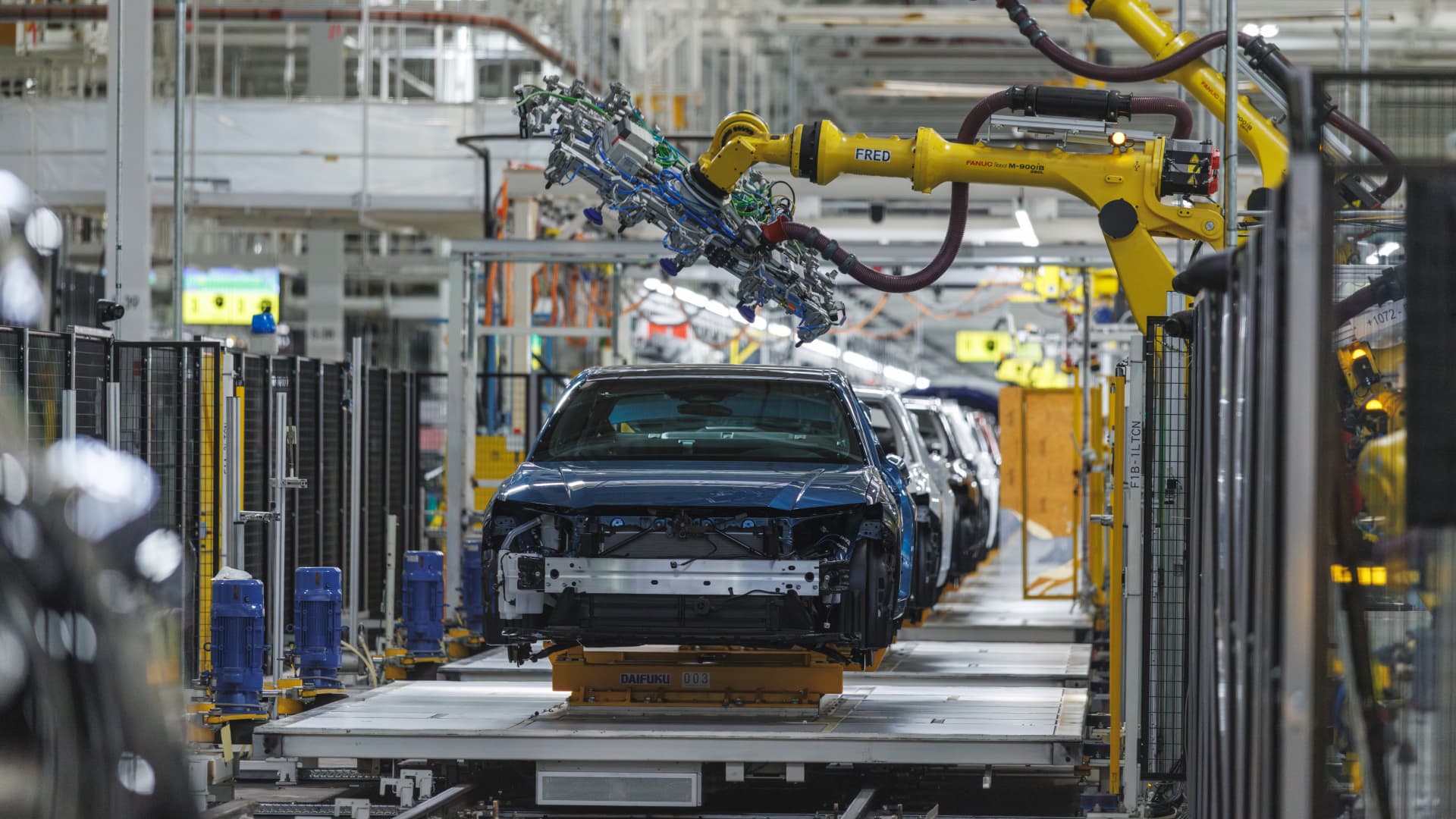
Toyota Invests $1 Billion to Expand Production in U.S.


- Long-Term Investment: Toyota announced a $1 billion investment across two U.S. plants as part of a broader plan to invest up to $10 billion domestically over the next five years, reflecting its long-term commitment to the U.S. market.
- Capacity Enhancement: Of this, $800 million will be allocated to the Georgetown, Kentucky plant to boost production capacity for the Camry sedan and RAV4 crossover, which is expected to significantly increase market supply for these models.
- SUV Production Expansion: The remaining $200 million will be directed towards the Princeton, Indiana plant to enhance production capacity for the Toyota Grand Highlander SUV, further addressing the growing demand for larger SUVs in the market.
- Navigating Tariff Challenges: Amidst tariff and trade agreement changes during the Trump administration, which are projected to cost Toyota 1.4 trillion yen this fiscal year, this investment aims to strengthen its production capabilities in the U.S. to mitigate costs.
See More
Nissan Introduces New e-Power Hybrid System to U.S. Market

- e-Power Hybrid System: Nissan plans to introduce its new e-Power hybrid system in the U.S. market, which uses a traditional gasoline engine to generate power for electric motors, providing an all-electric driving experience and potentially enhancing Nissan's competitiveness in the hybrid market.
- Market Timing: With rising gas prices and slow EV adoption, Nissan's e-Power system is expected to meet consumer demands for fuel economy, as S&P Global Mobility forecasts hybrid sales to rise to 18.4% of new vehicle sales in 2023, a significant increase from last year.
- Powertrain Upgrade: Nissan has developed a more powerful 1.5-liter three-cylinder turbocharged engine for the e-Power system to improve efficiency at higher speeds and enhance driving dynamics, aiming to attract consumers who are hesitant about traditional hybrids.
- Global Success: Since its debut in Japan in 2016, Nissan's e-Power system has sold over 1.6 million vehicles in nearly 70 countries, demonstrating its global success and potential for similar recognition in the U.S. market.
See More

Trump Hints at Imminent End to U.S.-Iran War, Boosting Market Confidence


- Market Recovery: Following President Trump's indication that the U.S.-Iran war could soon end, the Dow Jones Industrial Average rose over 230 points, marking a more than 1,100-point rebound from session lows, reflecting a restoration of investor confidence.
- Oil Price Volatility: Despite the boost in market confidence from Trump's remarks, U.S. crude oil prices closed lower after surging above $100 per barrel, indicating ongoing concerns about the oil supply disruption.
- New Investment Opportunities: Billionaire investor Bill Ackman's hedge fund, Pershing Square, has filed to list on the New York Stock Exchange, with $2.8 billion in secured commitments expected, enhancing public confidence in its investment platform.
- Economic Outlook Warning: Rising oil prices and a weak jobs report have led economists to warn of potential stagflation in the U.S., with prediction markets showing recession odds rising above 34%, reflecting growing concerns about future economic growth.
See More
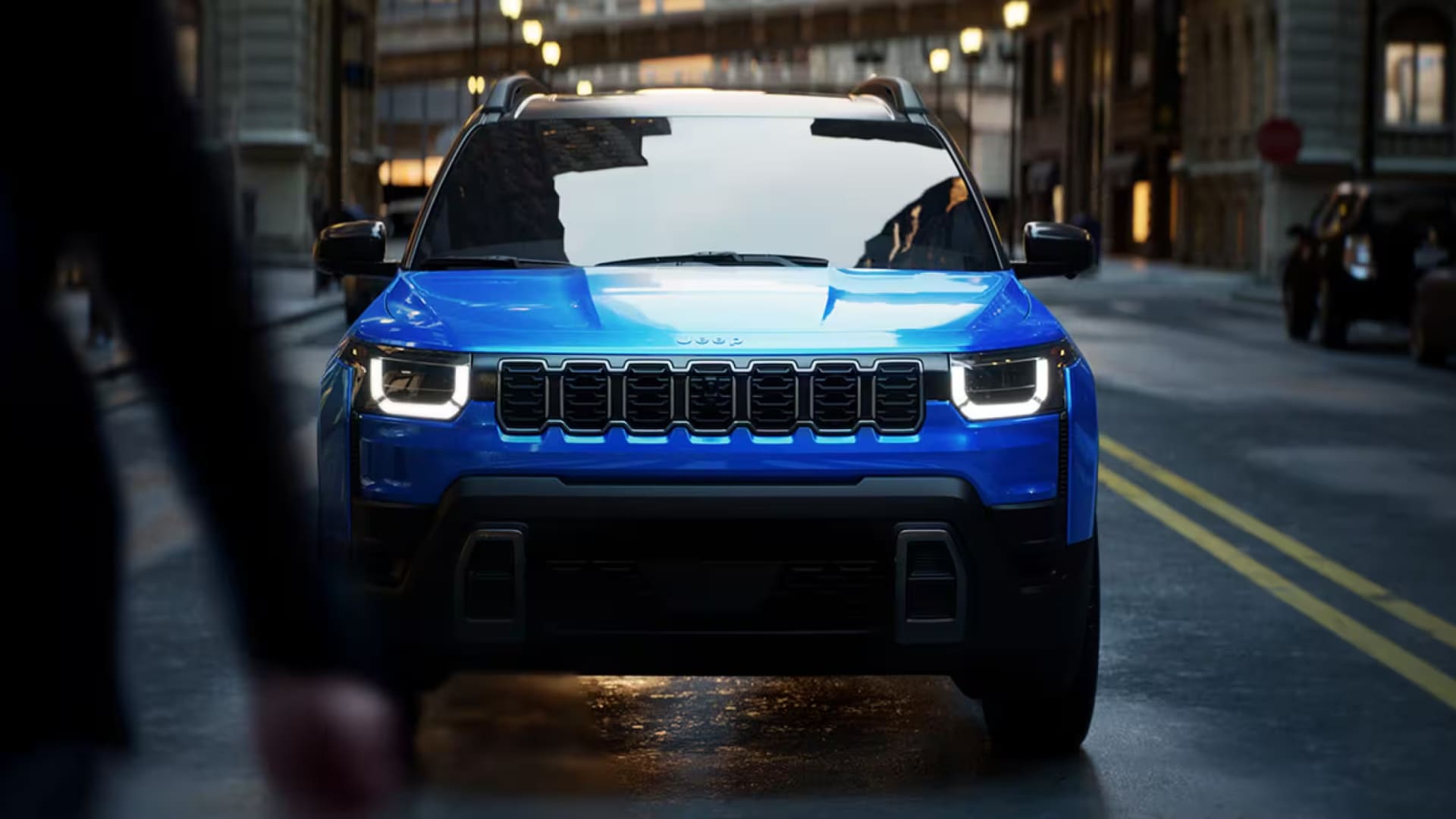
Stellantis Leverages Supplier Technologies for New Hybrid SUVs

- Hybrid Market Growth: Stellantis's 2026 Jeep Cherokee features a hybrid system from Toyota-backed Blue Nexus, indicating the company's alignment with the growing demand for fuel-efficient vehicles, which is expected to enhance its competitiveness in the U.S. market.
- Technological Collaboration: The new hybrid system, integrated with Bosch's technology, achieves a fuel economy of 37 mpg for the Jeep Cherokee, making it the most fuel-efficient non-plug-in Jeep ever produced for the U.S., thereby increasing consumer acceptance of hybrid technology.
- Strategic Shift: Stellantis has disclosed $26 billion in charges related to its EV investments, pivoting towards hybrid models to address fluctuations in the EV market and changing consumer demands, demonstrating its adaptability in a dynamic market environment.
- Future Product Plans: The upcoming Ram 1500 extended-range hybrid pickup will offer a total driving range of 690 miles, marking a significant innovation in the light-duty truck segment and is expected to attract consumers with long-distance driving needs.
See More

Automakers Warn of Rising Prices Due to Tariffs

- Tariff Impact Intensifies: Sonic Automotive President Jeff Dyke warns that unsustainable tariff costs will lead automakers to either raise prices or cut features, indicating a pressing urgency within the industry and potential future price pressures.
- Limited Price Fluctuations: Despite only a 1% increase in vehicle prices since the Trump administration's tariffs, analyst Jessica Caldwell notes a surge in used vehicle demand as consumers anticipate new car price hikes, highlighting market sensitivity to pricing changes.
- Toyota's Financial Strain: Toyota reported a 25% drop in net income for the first nine months of fiscal year 2026, with tariffs costing approximately 1.2 trillion yen (around $8 billion), underscoring the significant impact of tariffs on major automakers and their profitability.
- Future Production Adjustments: Toyota may consider relocating some production back to the U.S. based on the outcomes of U.S.-Mexico-Canada trade negotiations, particularly for its Tacoma pickup made in Mexico, reflecting the company's strategic flexibility in addressing tariff challenges.
See More
Dana Inc. Refines Strategy Amid Electrification Challenges
- Strategic Shift: Dana is refining its strategy to address the volatility in electrification demand by focusing on projects that can more reliably drive profitability, thereby maintaining growth potential in the future.
- Market Demand Evolution: The company is broadening its demand base to reduce reliance on traditional original equipment cycles, shifting towards higher-margin internal combustion and hybrid programs to lower execution risks and ensure clearer returns.
- Aftermarket Opportunities: Dana aims to expand its higher-margin aftermarket business in North America, with an estimated $250 million market opportunity, which will improve margins and reduce reliance on cyclical OEM demand.
- Technological Diversification: The company is building out its “Applied Technologies” initiatives to enter adjacent markets such as powersports and defense, representing a $400-500 million incremental revenue opportunity, enhancing the business's resilience against cyclical downturns.
See More
Toyota Invests $1 Billion to Expand Production in U.S.
- Long-Term Investment: Toyota announced a $1 billion investment across two U.S. plants as part of a broader plan to invest up to $10 billion domestically over the next five years, reflecting its long-term commitment to the U.S. market.
- Capacity Enhancement: Of this, $800 million will be allocated to the Georgetown, Kentucky plant to boost production capacity for the Camry sedan and RAV4 crossover, which is expected to significantly increase market supply for these models.
- SUV Production Expansion: The remaining $200 million will be directed towards the Princeton, Indiana plant to enhance production capacity for the Toyota Grand Highlander SUV, further addressing the growing demand for larger SUVs in the market.
- Navigating Tariff Challenges: Amidst tariff and trade agreement changes during the Trump administration, which are projected to cost Toyota 1.4 trillion yen this fiscal year, this investment aims to strengthen its production capabilities in the U.S. to mitigate costs.
See More
Nissan Introduces New e-Power Hybrid System to U.S. Market
- e-Power Hybrid System: Nissan plans to introduce its new e-Power hybrid system in the U.S. market, which uses a traditional gasoline engine to generate power for electric motors, providing an all-electric driving experience and potentially enhancing Nissan's competitiveness in the hybrid market.
- Market Timing: With rising gas prices and slow EV adoption, Nissan's e-Power system is expected to meet consumer demands for fuel economy, as S&P Global Mobility forecasts hybrid sales to rise to 18.4% of new vehicle sales in 2023, a significant increase from last year.
- Powertrain Upgrade: Nissan has developed a more powerful 1.5-liter three-cylinder turbocharged engine for the e-Power system to improve efficiency at higher speeds and enhance driving dynamics, aiming to attract consumers who are hesitant about traditional hybrids.
- Global Success: Since its debut in Japan in 2016, Nissan's e-Power system has sold over 1.6 million vehicles in nearly 70 countries, demonstrating its global success and potential for similar recognition in the U.S. market.
See More
Trump Hints at Imminent End to U.S.-Iran War, Boosting Market Confidence
- Market Recovery: Following President Trump's indication that the U.S.-Iran war could soon end, the Dow Jones Industrial Average rose over 230 points, marking a more than 1,100-point rebound from session lows, reflecting a restoration of investor confidence.
- Oil Price Volatility: Despite the boost in market confidence from Trump's remarks, U.S. crude oil prices closed lower after surging above $100 per barrel, indicating ongoing concerns about the oil supply disruption.
- New Investment Opportunities: Billionaire investor Bill Ackman's hedge fund, Pershing Square, has filed to list on the New York Stock Exchange, with $2.8 billion in secured commitments expected, enhancing public confidence in its investment platform.
- Economic Outlook Warning: Rising oil prices and a weak jobs report have led economists to warn of potential stagflation in the U.S., with prediction markets showing recession odds rising above 34%, reflecting growing concerns about future economic growth.
See More
Stellantis Leverages Supplier Technologies for New Hybrid SUVs
- Hybrid Market Growth: Stellantis's 2026 Jeep Cherokee features a hybrid system from Toyota-backed Blue Nexus, indicating the company's alignment with the growing demand for fuel-efficient vehicles, which is expected to enhance its competitiveness in the U.S. market.
- Technological Collaboration: The new hybrid system, integrated with Bosch's technology, achieves a fuel economy of 37 mpg for the Jeep Cherokee, making it the most fuel-efficient non-plug-in Jeep ever produced for the U.S., thereby increasing consumer acceptance of hybrid technology.
- Strategic Shift: Stellantis has disclosed $26 billion in charges related to its EV investments, pivoting towards hybrid models to address fluctuations in the EV market and changing consumer demands, demonstrating its adaptability in a dynamic market environment.
- Future Product Plans: The upcoming Ram 1500 extended-range hybrid pickup will offer a total driving range of 690 miles, marking a significant innovation in the light-duty truck segment and is expected to attract consumers with long-distance driving needs.
See More
Automakers Warn of Rising Prices Due to Tariffs
- Tariff Impact Intensifies: Sonic Automotive President Jeff Dyke warns that unsustainable tariff costs will lead automakers to either raise prices or cut features, indicating a pressing urgency within the industry and potential future price pressures.
- Limited Price Fluctuations: Despite only a 1% increase in vehicle prices since the Trump administration's tariffs, analyst Jessica Caldwell notes a surge in used vehicle demand as consumers anticipate new car price hikes, highlighting market sensitivity to pricing changes.
- Toyota's Financial Strain: Toyota reported a 25% drop in net income for the first nine months of fiscal year 2026, with tariffs costing approximately 1.2 trillion yen (around $8 billion), underscoring the significant impact of tariffs on major automakers and their profitability.
- Future Production Adjustments: Toyota may consider relocating some production back to the U.S. based on the outcomes of U.S.-Mexico-Canada trade negotiations, particularly for its Tacoma pickup made in Mexico, reflecting the company's strategic flexibility in addressing tariff challenges.
See More