Shares lifted by trade deal hopes, dollar holds post-Fed gains By Reuters
Written by Emily J. Thompson, Senior Investment Analyst
Updated: May 08 2025
0mins

Source: Investing.com
Market Reactions to Trade Deal Hopes: Global shares rose as President Trump hinted at a significant trade deal, particularly benefiting Britain, while the dollar strengthened amid reduced expectations for immediate Federal Reserve rate cuts.
Interest Rate Speculations and Economic Uncertainty: The Bank of England is expected to cut rates, with analysts predicting further reductions due to global trade war impacts, while the Federal Reserve maintains a cautious stance on U.S. economic growth amidst rising inflation and unemployment risks.
Trade with 70% Backtested Accuracy
Stop guessing "Should I Buy GOOG?" and start using high-conviction signals backed by rigorous historical data.
Sign up today to access powerful investing tools and make smarter, data-driven decisions.
Analyst Views on GOOG
Wall Street analysts forecast GOOG stock price to fall
15 Analyst Rating
14 Buy
1 Hold
0 Sell
Strong Buy
Current: 357.890

Low
255.00
Averages
336.08
High
400.00
Current: 357.890
Low
255.00
Averages
336.08
High
400.00
About GOOG
Alphabet Inc. is a holding company. The Company's segments include Google Services, Google Cloud, and Other Bets. The Google Services segment includes products and services such as ads, Android, Chrome, devices, Google Maps, Google Play, Search, and YouTube. The Google Cloud segment includes infrastructure and platform services, collaboration tools, and other services for enterprise customers. Its Other Bets segment is engaged in the sale of healthcare-related services and Internet services. Its Google Cloud provides enterprise-ready cloud services, including Google Cloud Platform and Google Workspace. Google Cloud Platform provides access to solutions such as artificial intelligence (AI) offerings, including its AI infrastructure, Vertex AI platform, and Gemini for Google Cloud; cybersecurity, and data and analytics. Google Workspace includes cloud-based communication and collaboration tools for enterprises, such as Calendar, Gmail, Docs, Drive, and Meet.
About the author

Emily J. Thompson
Emily J. Thompson, a Chartered Financial Analyst (CFA) with 12 years in investment research, graduated with honors from the Wharton School. Specializing in industrial and technology stocks, she provides in-depth analysis for Intellectia’s earnings and market brief reports.
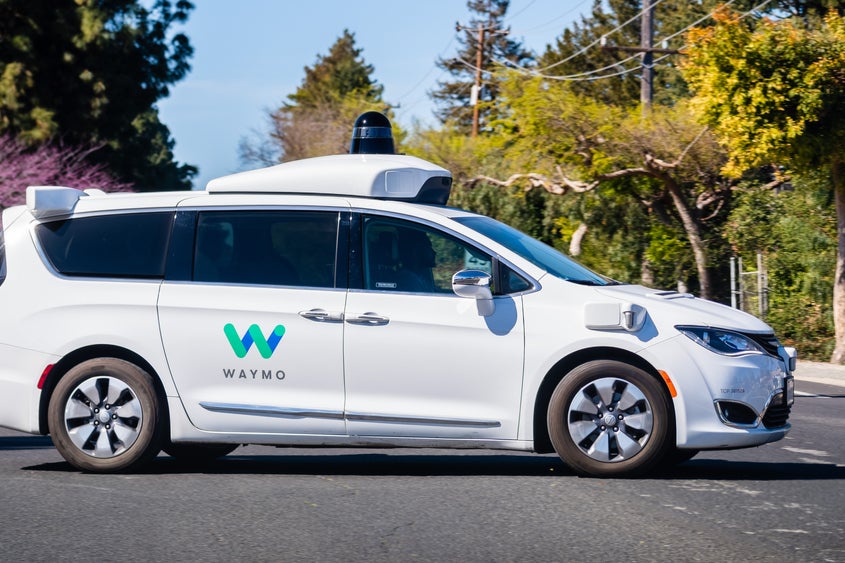
Berkshire Increases Investment in Alphabet


- Investment Expansion: On June 1, Berkshire announced a $10 billion private placement, increasing its total stake in Alphabet to $41 billion, making it the fourth-largest single equity investment, reflecting strong confidence in the company.
- Strong Financial Performance: Alphabet reported a 22% year-over-year revenue increase to $110 billion in Q1 2023, with operating income rising 30% and an impressive 36% operating margin, showcasing its robust profitability in the tech sector.
- AI Strategic Positioning: Berkshire's investment in Alphabet indicates a bullish outlook on the AI sector, with projected capital expenditures reaching $180 billion to $190 billion by 2026, highlighting its deep involvement across various layers of the AI value chain.
- Durable Economic Moat: Alphabet's strong network effects and market dominance continue to protect its competitive edge, exemplifying Buffett's investment philosophy of “buying wonderful companies at fair prices.”
See More

Berkshire Hathaway's Bold Bet on Alphabet
- Increased Holdings: As of March 31, Berkshire Hathaway owned 68,462,015 Class A shares and 17,944,778 Class C shares of Alphabet, valued at $30.7 billion, making it the conglomerate's fourth-largest single-company equity position, indicating strong confidence in tech stocks.
- Investment Strategy Shift: On June 1, Berkshire announced a $10 billion investment into the 'Magnificent Seven' stocks, bringing its total position in Alphabet to nearly $41 billion, surpassing Coca-Cola and reflecting a significant strategic shift that may attract more investor attention.
- Strong Financial Performance: Alphabet reported a 22% year-over-year revenue increase to $110 billion in Q1, with operating income rising 30% and an impressive 36% operating margin, showcasing its robust cash flow and profitability, providing a solid foundation for Berkshire's investment.
- Positive AI Outlook: Berkshire's investment in Alphabet signals its bullish stance on artificial intelligence, with expectations of $180 billion to $190 billion in capital expenditures planned for 2026, indicating deep engagement in the AI sector and future profit potential.
See More

SpaceX Reaches $2.25 Trillion Valuation Amid Promising Yet Risky Prospects

- Valuation vs. Revenue Gap: SpaceX's market cap ranges between $2.25 trillion and $2.5 trillion, yet its total revenue for 2026 is only $18.7 billion, significantly lower than other trillion-dollar companies, indicating potential overvaluation risks for its stock.
- Revenue Source Breakdown: The company's revenue primarily comes from $4 billion in launch services, $11.4 billion from Starlink satellite internet, and $3.2 billion in AI services; while these segments show growth potential, the overall revenue remains insufficient.
- Competitive Market Pressures: In the satellite internet and AI services sectors, SpaceX faces fierce competition from rivals like Amazon and Rocket Lab, and despite currently holding a dominant position, its future market share could be jeopardized.
- Profitability Challenges: With a gross margin just above 50% and a projected $2.5 billion operating loss in 2025, SpaceX stands as the highest-valued unprofitable company in history, trading at a price-to-sales ratio exceeding 100, reflecting uncertainty about its future profitability.
See More
SpaceX Reaches $2.25 Trillion Market Cap Amidst Growing Competition
- Market Cap vs. Revenue Gap: SpaceX's current market cap stands at $2.25 trillion, making it the seventh-largest company globally, yet its total revenue for 2026 is only $18.7 billion, significantly lower than other trillion-dollar companies, indicating potential overvaluation risks for its stock.
- Revenue Source Breakdown: The company's revenue is primarily derived from launch services ($4 billion), Starlink satellite internet ($11.4 billion), and AI services ($3.2 billion); while these segments show growth potential, the current revenue levels fall short of market expectations.
- Intensifying Market Competition: In the satellite internet and AI services sectors, SpaceX faces fierce competition from companies like Amazon and Rocket Lab, which are investing billions to establish their own satellite internet constellations, potentially impacting SpaceX's market share and revenue growth.
- Financial Health and Valuation: Despite completing the largest IPO in history and having $9 billion in cash, SpaceX's gross margin is just above 50% with a $2.5 billion operating loss, and its price-to-sales ratio exceeds 100, reflecting extreme valuation and uncertainty regarding future profitability.
See More
Arm Holdings Stock Analysis and Future Outlook


- Stock Volatility Analysis: Arm Holdings' stock surged from $105 in January 2026 to $452.70 in June, reflecting a year-to-date increase of 188.43%, yet it has dropped 21.71% in the past 30 days, currently priced at $315.28, which is 35% below its 52-week high.
- Strong Financial Performance: In Q4 FY2026, revenue hit $1.49 billion, up 20.1% year-over-year, with non-GAAP EPS of $0.60 exceeding consensus expectations, while full-year revenue reached $4.92 billion, marking the third consecutive year of over 20% growth, indicating robust fundamentals.
- Optimistic Market Outlook: Analysts project a price target of $344.98 for Arm, suggesting a 9.42% upside, with management reporting over $2 billion in customer demand for FY2027-FY2028, highlighting significant potential in the data center CPU market.
- Risks and Challenges: Despite the positive outlook, Arm's trailing P/E ratio stands at 402, and it faces risks from the Qualcomm/Nuvia trial and an FTC antitrust investigation, which could impact its future profitability and market performance.
See More

Crusoe Negotiates $3 Billion Funding to Expand AI Infrastructure

- Funding Target: Crusoe is negotiating to raise $3 billion, with an expected post-funding valuation of $30 billion, tripling its previous valuation of $10 billion last year, indicating strong growth potential in the AI computing market.
- Infrastructure Expansion: Currently, Crusoe holds nearly 5 gigawatts of contracted computing power and has over 40 gigawatts in its project pipeline, sufficient to power approximately 30 million U.S. households, showcasing its strategic positioning amid surging global AI demand.
- Client Base: Major tech companies like Meta, Microsoft, and Google are purchasing capacity from Crusoe, with recent deals signed for data centers in Texas and Missouri, further solidifying its leadership in the AI computing sector.
- Strategic Shift: Crusoe's pivot from Bitcoin mining to AI infrastructure, following the sale of its Bitcoin business to NYDIG last year, demonstrates the company's keen insight and strategic adjustment to meet future AI computing demands.
See More
Berkshire Increases Investment in Alphabet
- Investment Expansion: On June 1, Berkshire announced a $10 billion private placement, increasing its total stake in Alphabet to $41 billion, making it the fourth-largest single equity investment, reflecting strong confidence in the company.
- Strong Financial Performance: Alphabet reported a 22% year-over-year revenue increase to $110 billion in Q1 2023, with operating income rising 30% and an impressive 36% operating margin, showcasing its robust profitability in the tech sector.
- AI Strategic Positioning: Berkshire's investment in Alphabet indicates a bullish outlook on the AI sector, with projected capital expenditures reaching $180 billion to $190 billion by 2026, highlighting its deep involvement across various layers of the AI value chain.
- Durable Economic Moat: Alphabet's strong network effects and market dominance continue to protect its competitive edge, exemplifying Buffett's investment philosophy of “buying wonderful companies at fair prices.”
See More
Berkshire Hathaway's Bold Bet on Alphabet
- Increased Holdings: As of March 31, Berkshire Hathaway owned 68,462,015 Class A shares and 17,944,778 Class C shares of Alphabet, valued at $30.7 billion, making it the conglomerate's fourth-largest single-company equity position, indicating strong confidence in tech stocks.
- Investment Strategy Shift: On June 1, Berkshire announced a $10 billion investment into the 'Magnificent Seven' stocks, bringing its total position in Alphabet to nearly $41 billion, surpassing Coca-Cola and reflecting a significant strategic shift that may attract more investor attention.
- Strong Financial Performance: Alphabet reported a 22% year-over-year revenue increase to $110 billion in Q1, with operating income rising 30% and an impressive 36% operating margin, showcasing its robust cash flow and profitability, providing a solid foundation for Berkshire's investment.
- Positive AI Outlook: Berkshire's investment in Alphabet signals its bullish stance on artificial intelligence, with expectations of $180 billion to $190 billion in capital expenditures planned for 2026, indicating deep engagement in the AI sector and future profit potential.
See More
SpaceX Reaches $2.25 Trillion Valuation Amid Promising Yet Risky Prospects
- Valuation vs. Revenue Gap: SpaceX's market cap ranges between $2.25 trillion and $2.5 trillion, yet its total revenue for 2026 is only $18.7 billion, significantly lower than other trillion-dollar companies, indicating potential overvaluation risks for its stock.
- Revenue Source Breakdown: The company's revenue primarily comes from $4 billion in launch services, $11.4 billion from Starlink satellite internet, and $3.2 billion in AI services; while these segments show growth potential, the overall revenue remains insufficient.
- Competitive Market Pressures: In the satellite internet and AI services sectors, SpaceX faces fierce competition from rivals like Amazon and Rocket Lab, and despite currently holding a dominant position, its future market share could be jeopardized.
- Profitability Challenges: With a gross margin just above 50% and a projected $2.5 billion operating loss in 2025, SpaceX stands as the highest-valued unprofitable company in history, trading at a price-to-sales ratio exceeding 100, reflecting uncertainty about its future profitability.
See More
SpaceX Reaches $2.25 Trillion Market Cap Amidst Growing Competition
- Market Cap vs. Revenue Gap: SpaceX's current market cap stands at $2.25 trillion, making it the seventh-largest company globally, yet its total revenue for 2026 is only $18.7 billion, significantly lower than other trillion-dollar companies, indicating potential overvaluation risks for its stock.
- Revenue Source Breakdown: The company's revenue is primarily derived from launch services ($4 billion), Starlink satellite internet ($11.4 billion), and AI services ($3.2 billion); while these segments show growth potential, the current revenue levels fall short of market expectations.
- Intensifying Market Competition: In the satellite internet and AI services sectors, SpaceX faces fierce competition from companies like Amazon and Rocket Lab, which are investing billions to establish their own satellite internet constellations, potentially impacting SpaceX's market share and revenue growth.
- Financial Health and Valuation: Despite completing the largest IPO in history and having $9 billion in cash, SpaceX's gross margin is just above 50% with a $2.5 billion operating loss, and its price-to-sales ratio exceeds 100, reflecting extreme valuation and uncertainty regarding future profitability.
See More
Arm Holdings Stock Analysis and Future Outlook
- Stock Volatility Analysis: Arm Holdings' stock surged from $105 in January 2026 to $452.70 in June, reflecting a year-to-date increase of 188.43%, yet it has dropped 21.71% in the past 30 days, currently priced at $315.28, which is 35% below its 52-week high.
- Strong Financial Performance: In Q4 FY2026, revenue hit $1.49 billion, up 20.1% year-over-year, with non-GAAP EPS of $0.60 exceeding consensus expectations, while full-year revenue reached $4.92 billion, marking the third consecutive year of over 20% growth, indicating robust fundamentals.
- Optimistic Market Outlook: Analysts project a price target of $344.98 for Arm, suggesting a 9.42% upside, with management reporting over $2 billion in customer demand for FY2027-FY2028, highlighting significant potential in the data center CPU market.
- Risks and Challenges: Despite the positive outlook, Arm's trailing P/E ratio stands at 402, and it faces risks from the Qualcomm/Nuvia trial and an FTC antitrust investigation, which could impact its future profitability and market performance.
See More
Crusoe Negotiates $3 Billion Funding to Expand AI Infrastructure
- Funding Target: Crusoe is negotiating to raise $3 billion, with an expected post-funding valuation of $30 billion, tripling its previous valuation of $10 billion last year, indicating strong growth potential in the AI computing market.
- Infrastructure Expansion: Currently, Crusoe holds nearly 5 gigawatts of contracted computing power and has over 40 gigawatts in its project pipeline, sufficient to power approximately 30 million U.S. households, showcasing its strategic positioning amid surging global AI demand.
- Client Base: Major tech companies like Meta, Microsoft, and Google are purchasing capacity from Crusoe, with recent deals signed for data centers in Texas and Missouri, further solidifying its leadership in the AI computing sector.
- Strategic Shift: Crusoe's pivot from Bitcoin mining to AI infrastructure, following the sale of its Bitcoin business to NYDIG last year, demonstrates the company's keen insight and strategic adjustment to meet future AI computing demands.
See More