Rio Tinto and Prysmian Collaborate on Low-Carbon Aluminum Trial
Written by Emily J. Thompson, Senior Investment Analyst
Updated: Mar 12 2026
0mins
Should l Buy RIO?
Source: Yahoo Finance
- Collaboration Initiated: Rio Tinto and Prysmian are launching an industrial trial focused on low-carbon aluminum, aiming to reduce carbon emissions during the aluminum production process through innovative technologies, thus promoting sustainability.
- Environmental Impact: This collaboration will help lower the environmental footprint of aluminum production, aligning with the growing global demand for green materials and enhancing both companies' competitiveness in the environmental sector.
- Industry Outlook: The development of low-carbon aluminum not only responds to global calls for emission reductions but also presents new growth opportunities for the aluminum industry, potentially attracting more investors interested in sustainable materials.
- Strategic Significance: Through this partnership, Rio Tinto and Prysmian will further solidify their leadership in low-carbon technologies, driving industry transformation and enhancing their brand image.
Trade with 70% Backtested Accuracy
Stop guessing "Should I Buy RIO?" and start using high-conviction signals backed by rigorous historical data.
Sign up today to access powerful investing tools and make smarter, data-driven decisions.
Analyst Views on RIO
Wall Street analysts forecast RIO stock price to fall
6 Analyst Rating
2 Buy
4 Hold
0 Sell
Moderate Buy
Current: 86.640

Low
68.00
Averages
83.70
High
129.50
Current: 86.640
Low
68.00
Averages
83.70
High
129.50
About RIO
Rio Tinto plc is a United Kingdom-based mining and materials company. It operates in over 35 countries, and its portfolio includes iron ore, copper, aluminum and a range of other minerals and materials. Its segments include Iron Ore, Aluminum, Copper, and Minerals. The Iron Ore segment includes iron ore mining and salt and gypsum production in Western Australia. Its iron ore operations in Pilbara comprise an integrated network of over 18 iron ore mines and four independent port terminals. The Aluminum segment includes bauxite mining, alumina refining, and aluminum smelting and recycling. The Copper segment includes mining and refining of copper, gold, silver, molybdenum, other by-products and licensing of extraction technologies. The Minerals segment includes mining and processing of borates, diamonds, iron concentrate and pellets from the Iron Ore Company of Canada, lithium and titanium dioxide feedstock.
About the author

Emily J. Thompson
Emily J. Thompson, a Chartered Financial Analyst (CFA) with 12 years in investment research, graduated with honors from the Wharton School. Specializing in industrial and technology stocks, she provides in-depth analysis for Intellectia’s earnings and market brief reports.

Rio Tinto Resumes Iron Ore Port Operations After Cyclone

- Port Operations Resumed: Rio Tinto has resumed iron ore port operations in Western Australia's Pilbara region following Tropical Cyclone Narelle, marking a recovery since the ports were closed on March 24, 2026.
- Shipping Progress: Ship loading at East Intercourse Island, Parker Point, and Cape Lambert B recommenced on March 28, while repairs at Cape Lambert A are ongoing, with shipping expected to resume in the coming days.
- Transport Loss Assessment: Recent weather events are estimated to have impacted iron ore shipments by approximately 8 million tonnes, but Rio Tinto has identified a pathway to recover about half of these losses, demonstrating resilience in the face of natural disasters.
- Unchanged Shipment Guidance: Despite weather challenges, Rio Tinto's shipment guidance for Pilbara iron ore in 2026 remains unchanged at 323 to 338 million tonnes, reflecting the company's confidence in future performance.
See More
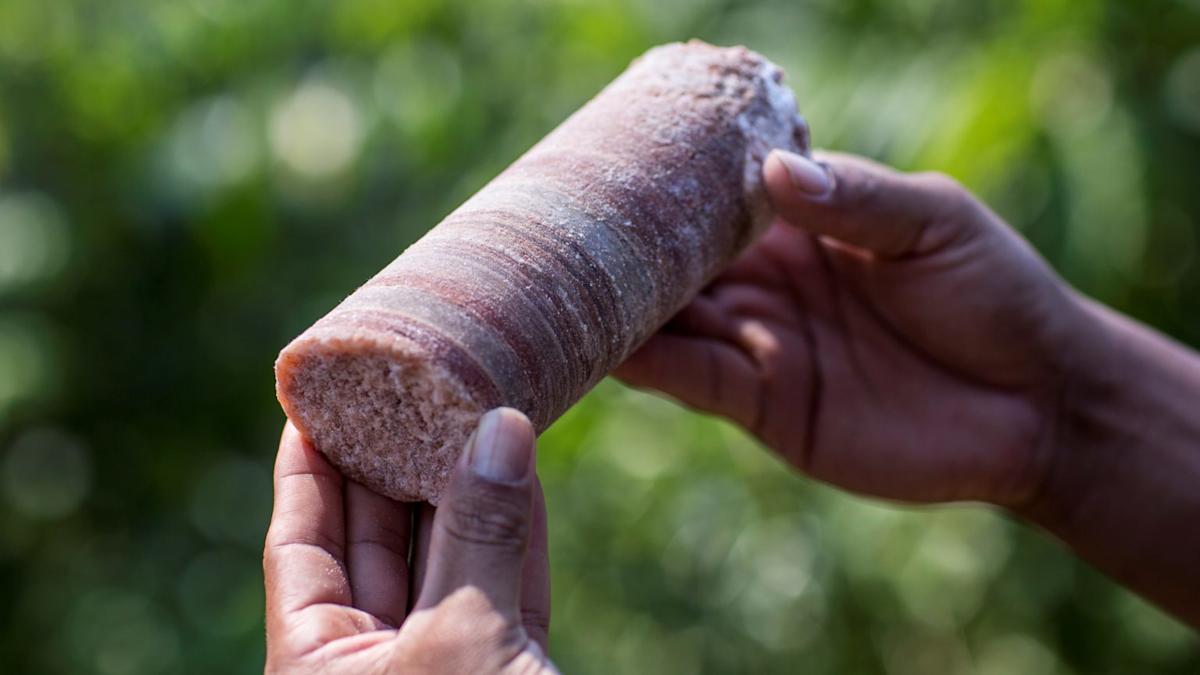
Brazil Potash Corp. Advances Autazes Project with Key Permits
- Regulatory Breakthrough: Brazil Potash Corp. secured a 10-year water rights permit, enabling a shift to surface water that simplifies design and lowers expected capital costs, which is expected to positively impact the project's overall economics.
- Community Cooperation Agreement: The company formalized a cooperation agreement with the Mura Indigenous Council, ensuring alignment between project timelines and community development, thereby enhancing local support and reducing potential social risks.
- Financing and Construction Progress: At the start of 2026, the company made significant strides in financing, further advancing the construction of the Autazes Project, indicating its ongoing commitment to mineral development.
- Industry Trend Insights: Investors are invited to check out the complete report for detailed insights on the planned timeline for 2026, current industry trends, and what goes into Exec Edge Research’s valuation analysis.
See More

Rio Tinto Partners with Australian Governments to Secure Aluminium Smelter's Future
- Long-term Partnership: Rio Tinto has entered into a partnership with the Queensland and Commonwealth Governments, committing A$2 billion over the next 10 years to ensure the Boyne aluminium smelter continues operations beyond its current power contract expiration in 2029, thereby enhancing its international competitiveness.
- Renewable Energy Investment: This agreement builds on Rio Tinto's recent power purchase agreements, supporting A$7.5 billion in new renewable energy and storage projects, which will drive sustainable development across Queensland.
- Job Security: The partnership not only secures manufacturing jobs in Central Queensland but also provides a foundation for the long-term competitiveness of the smelter, contributing to local economic stability.
- Positive Market Reaction: Rio Tinto's stock rose by A$2.56, or 1.73%, during trading, reflecting market optimism and confidence in the potential benefits of this partnership.
See More
Rio Tinto Secures Deal to Keep Boyne Aluminum Smelter Competitive
- Government Investment: The Queensland and Commonwealth governments have agreed to invest A$2 billion over the next 10 years to ensure Rio Tinto's Boyne aluminum smelter remains internationally competitive beyond its 2029 power contract expiration, thereby securing the facility's long-term operations.
- Renewable Energy Commitment: This agreement builds on Rio Tinto's recent power purchase agreements, supporting A$7.5 billion (~US$5.25 billion) in new renewable energy and storage projects in Queensland, further advancing sustainability initiatives.
- Job Security: Since its operation began in 1982, the Boyne aluminum smelter has created over 3,000 jobs in the Gladstone region, with 1,000 positions directly at the smelter, ensuring economic stability and growth in the local community.
- Green Transition Outlook: As fossil fuel costs rise, this investment positions Boyne to be among the world's first aluminum smelters powered by solar and wind energy, enhancing its competitiveness in the global aluminum market.
See More
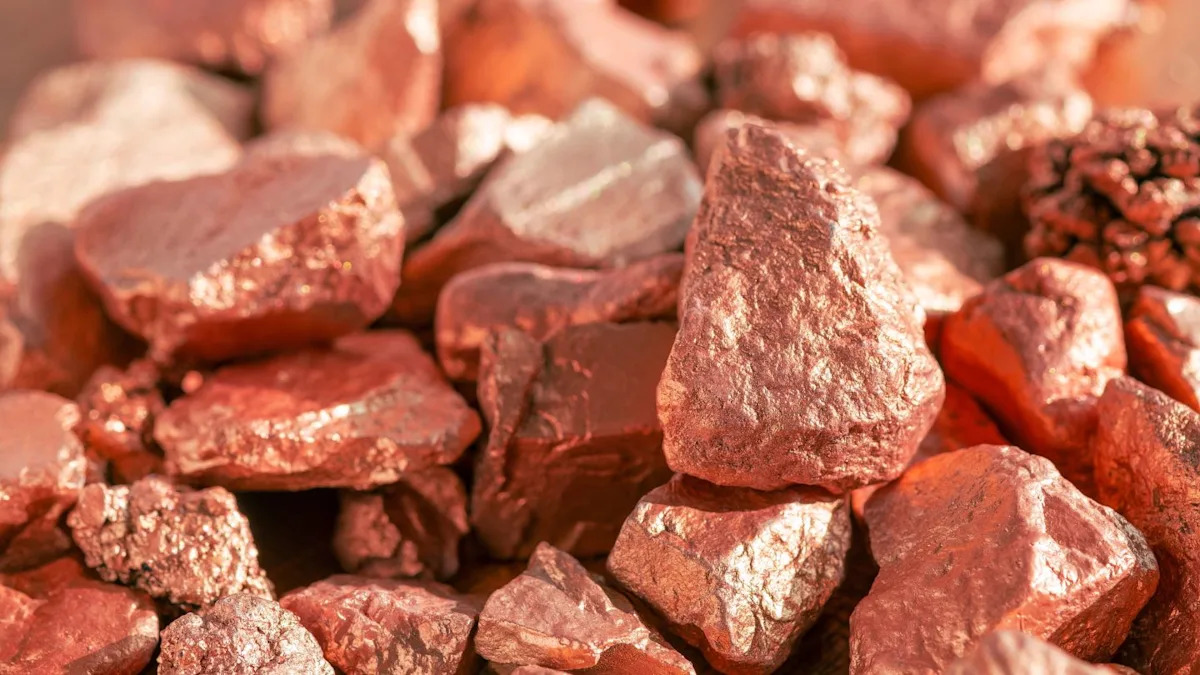
Rio Tinto and LCL Resources Sign Agreement for Ono Project
- Project Collaboration Agreement: Rio Tinto has signed an agreement with LCL Resources to earn an initial 51% interest in the Ono Project by investing at least A$8 million (approximately $5.61 million) in exploration activities, which will include a minimum of 4,000 meters of drilling aimed at uncovering porphyry copper-gold deposits, highlighting the project's potential value.
- Equity Increase Opportunity: Rio Tinto can increase its stake to 80% by committing an additional A$40 million or by defining a mineral resource compliant with JORC standards, significantly enhancing its mining footprint and resource control capabilities in the region.
- Management and Fee Structure: LCL will manage the project and receive a management fee equivalent to 10% of the expenditure, ensuring a steady cash flow for LCL while allowing its shareholders to retain significant exposure to exploration success and potential discoveries funded by Rio Tinto.
- Strategic Significance and Outlook: The Ono Project is located within the mineral-rich Owen Stanley Metamorphic Belt, and Rio Tinto's involvement is expected to bring substantial exploration funding, driving the potential for high-grade gold and silver discoveries, thereby reinforcing its position in the global mining market.
See More

Rio Tinto Temporarily Shuts Bauxite Mines in Australia
- Mine Shutdown: Rio Tinto has temporarily closed its Amrun and Andoom bauxite mines in Australia due to the impact of a tropical cyclone, which is expected to cause short-term disruptions in bauxite production and supply chains, potentially leading to fluctuations in global aluminum prices.
- Safety First: The closure prioritizes employee safety as Rio Tinto implements precautionary measures to address extreme weather, reflecting the company's strong commitment to safety in operations, which may affect its short-term output.
- Market Reaction: The shutdown of bauxite production could lead to tighter aluminum supply, impacting price trends in the aluminum market, especially against the backdrop of sustained global demand, which may negatively affect Rio Tinto's financial performance.
- Recovery Plans: Rio Tinto has not disclosed a specific timeline for resuming production, and the weather conditions in the coming days will determine when the mines can reopen, making the company's adaptive response capabilities crucial.
See More
Rio Tinto Resumes Iron Ore Port Operations After Cyclone
- Port Operations Resumed: Rio Tinto has resumed iron ore port operations in Western Australia's Pilbara region following Tropical Cyclone Narelle, marking a recovery since the ports were closed on March 24, 2026.
- Shipping Progress: Ship loading at East Intercourse Island, Parker Point, and Cape Lambert B recommenced on March 28, while repairs at Cape Lambert A are ongoing, with shipping expected to resume in the coming days.
- Transport Loss Assessment: Recent weather events are estimated to have impacted iron ore shipments by approximately 8 million tonnes, but Rio Tinto has identified a pathway to recover about half of these losses, demonstrating resilience in the face of natural disasters.
- Unchanged Shipment Guidance: Despite weather challenges, Rio Tinto's shipment guidance for Pilbara iron ore in 2026 remains unchanged at 323 to 338 million tonnes, reflecting the company's confidence in future performance.
See More
Brazil Potash Corp. Advances Autazes Project with Key Permits
- Regulatory Breakthrough: Brazil Potash Corp. secured a 10-year water rights permit, enabling a shift to surface water that simplifies design and lowers expected capital costs, which is expected to positively impact the project's overall economics.
- Community Cooperation Agreement: The company formalized a cooperation agreement with the Mura Indigenous Council, ensuring alignment between project timelines and community development, thereby enhancing local support and reducing potential social risks.
- Financing and Construction Progress: At the start of 2026, the company made significant strides in financing, further advancing the construction of the Autazes Project, indicating its ongoing commitment to mineral development.
- Industry Trend Insights: Investors are invited to check out the complete report for detailed insights on the planned timeline for 2026, current industry trends, and what goes into Exec Edge Research’s valuation analysis.
See More
Rio Tinto Partners with Australian Governments to Secure Aluminium Smelter's Future
- Long-term Partnership: Rio Tinto has entered into a partnership with the Queensland and Commonwealth Governments, committing A$2 billion over the next 10 years to ensure the Boyne aluminium smelter continues operations beyond its current power contract expiration in 2029, thereby enhancing its international competitiveness.
- Renewable Energy Investment: This agreement builds on Rio Tinto's recent power purchase agreements, supporting A$7.5 billion in new renewable energy and storage projects, which will drive sustainable development across Queensland.
- Job Security: The partnership not only secures manufacturing jobs in Central Queensland but also provides a foundation for the long-term competitiveness of the smelter, contributing to local economic stability.
- Positive Market Reaction: Rio Tinto's stock rose by A$2.56, or 1.73%, during trading, reflecting market optimism and confidence in the potential benefits of this partnership.
See More
Rio Tinto Secures Deal to Keep Boyne Aluminum Smelter Competitive
- Government Investment: The Queensland and Commonwealth governments have agreed to invest A$2 billion over the next 10 years to ensure Rio Tinto's Boyne aluminum smelter remains internationally competitive beyond its 2029 power contract expiration, thereby securing the facility's long-term operations.
- Renewable Energy Commitment: This agreement builds on Rio Tinto's recent power purchase agreements, supporting A$7.5 billion (~US$5.25 billion) in new renewable energy and storage projects in Queensland, further advancing sustainability initiatives.
- Job Security: Since its operation began in 1982, the Boyne aluminum smelter has created over 3,000 jobs in the Gladstone region, with 1,000 positions directly at the smelter, ensuring economic stability and growth in the local community.
- Green Transition Outlook: As fossil fuel costs rise, this investment positions Boyne to be among the world's first aluminum smelters powered by solar and wind energy, enhancing its competitiveness in the global aluminum market.
See More
Rio Tinto and LCL Resources Sign Agreement for Ono Project
- Project Collaboration Agreement: Rio Tinto has signed an agreement with LCL Resources to earn an initial 51% interest in the Ono Project by investing at least A$8 million (approximately $5.61 million) in exploration activities, which will include a minimum of 4,000 meters of drilling aimed at uncovering porphyry copper-gold deposits, highlighting the project's potential value.
- Equity Increase Opportunity: Rio Tinto can increase its stake to 80% by committing an additional A$40 million or by defining a mineral resource compliant with JORC standards, significantly enhancing its mining footprint and resource control capabilities in the region.
- Management and Fee Structure: LCL will manage the project and receive a management fee equivalent to 10% of the expenditure, ensuring a steady cash flow for LCL while allowing its shareholders to retain significant exposure to exploration success and potential discoveries funded by Rio Tinto.
- Strategic Significance and Outlook: The Ono Project is located within the mineral-rich Owen Stanley Metamorphic Belt, and Rio Tinto's involvement is expected to bring substantial exploration funding, driving the potential for high-grade gold and silver discoveries, thereby reinforcing its position in the global mining market.
See More
Rio Tinto Temporarily Shuts Bauxite Mines in Australia
- Mine Shutdown: Rio Tinto has temporarily closed its Amrun and Andoom bauxite mines in Australia due to the impact of a tropical cyclone, which is expected to cause short-term disruptions in bauxite production and supply chains, potentially leading to fluctuations in global aluminum prices.
- Safety First: The closure prioritizes employee safety as Rio Tinto implements precautionary measures to address extreme weather, reflecting the company's strong commitment to safety in operations, which may affect its short-term output.
- Market Reaction: The shutdown of bauxite production could lead to tighter aluminum supply, impacting price trends in the aluminum market, especially against the backdrop of sustained global demand, which may negatively affect Rio Tinto's financial performance.
- Recovery Plans: Rio Tinto has not disclosed a specific timeline for resuming production, and the weather conditions in the coming days will determine when the mines can reopen, making the company's adaptive response capabilities crucial.
See More