Premarket Stock Highlights: Alphabet, Microsoft, Meta Platforms, Eli Lilly, Merck, and Others Making Significant Moves


Alphabet's Strong Performance: Alphabet's shares surged over 7% after reporting earnings of $3.10 per share, significantly exceeding analyst expectations, driven by robust revenue from Google Cloud and YouTube advertising.
Meta's Capital Expenditure Increase: Meta Platforms' stock fell more than 8% after announcing an increase in its capital expenditures for AI investments, overshadowing better-than-expected earnings and revenue.
Mixed Results for Other Companies: Microsoft, Eli Lilly, and Comcast reported better-than-expected earnings, while companies like MGM Resorts, Starbucks, and Carvana faced declines due to disappointing results or forecasts.
Significant Stock Movements: Notable stock movements included a 29% drop for FMC after cutting its dividend, a 24% rise for Advance Auto Parts following strong earnings, and a 17% decline for Chipotle due to lowered sales forecasts.
Trade with 70% Backtested Accuracy
Analyst Views on GOOG

About GOOG
About the author

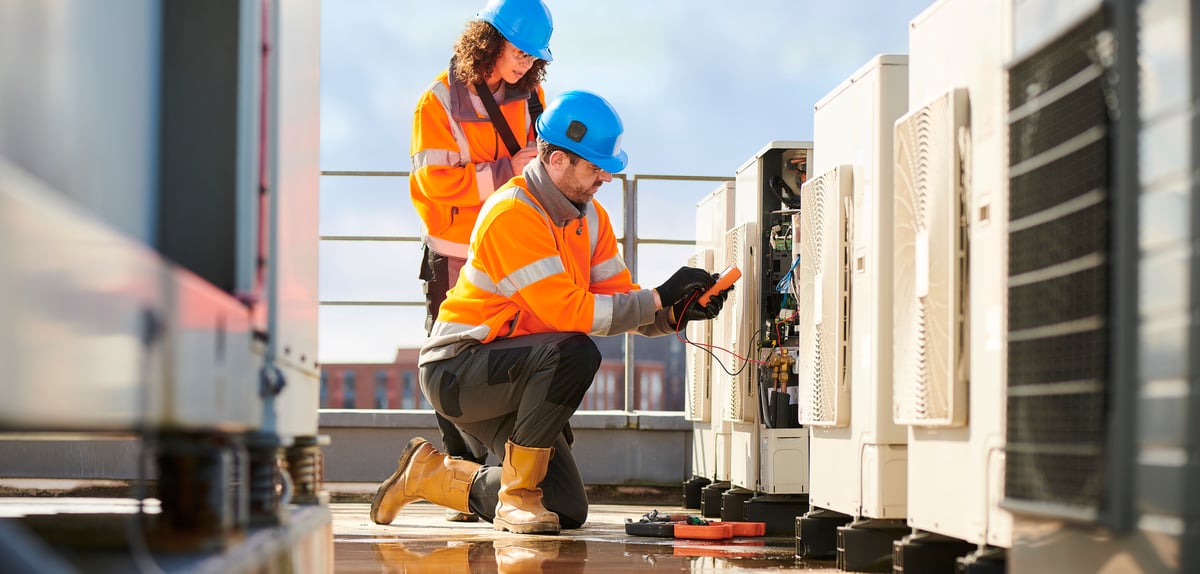
Comfort Systems Stock Soars 374%: Key Growth Drivers

- Record Backlog: As of early 2026, Comfort Systems' backlog reached a record $11.94 billion, more than double its 2024 figure, indicating robust demand in data center construction and significant future revenue growth potential.
- Strong Financial Performance: In 2025, the company reported revenue of $9.1 billion, a 29.5% increase, with earnings per share (EPS) at $28.88, up 97.8%, showcasing its competitiveness and profitability in high-growth markets.
- Enhanced Modular Construction: Through strategic acquisitions, Comfort Systems expanded its modular construction capacity to 4 million square feet by the end of 2026, improving project delivery speed and quality control, thereby strengthening its market position in fast-growing high-tech sectors.
- Low Debt Enables Growth: By the end of 2025, the company had only $145.2 million in debt against $981.9 million in cash, resulting in a debt-to-equity ratio of 0.197, reflecting strong financial flexibility to capitalize on market opportunities swiftly.

Alphabet Partners with Marvell to Develop AI Chips

- AI Chip Collaboration: Alphabet is in talks with Marvell to develop two new chips aimed at enhancing efficiency in handling AI workloads, indicating Google's ongoing investment and competitive intent in the AI chip sector.
- Memory Processing Unit: One of the chips will be a memory processing unit designed to work alongside Google's tensor processing units (TPUs), aimed at optimizing AI computing performance and enhancing the competitiveness of Google Cloud services.
- Inference Task Focus: The other new TPU will be specifically designed for inference tasks, signaling Google's ambition to challenge Nvidia's dominance in the AI infrastructure market through its proprietary silicon technology, thereby solidifying its market share.
- Cost and Scale Effects: As enterprise demand for AI services continues to rise, Google's efficient chips will help lower operational costs and accelerate the scaling of AI services, with the memory chip expected to enter the design phase by 2027 before moving into testing.

GOOGLE FORMED A STRIKE TEAM TO ENHANCE CODING MODELS - THE INFORMATION

Google's New Initiative: Google has established a dedicated team called "Strike" aimed at enhancing its coding models.
Focus on Improvement: The primary goal of the Strike team is to improve the performance and capabilities of Google's coding models.
Tesla Set to Report Q1 Earnings Amid Market Surge


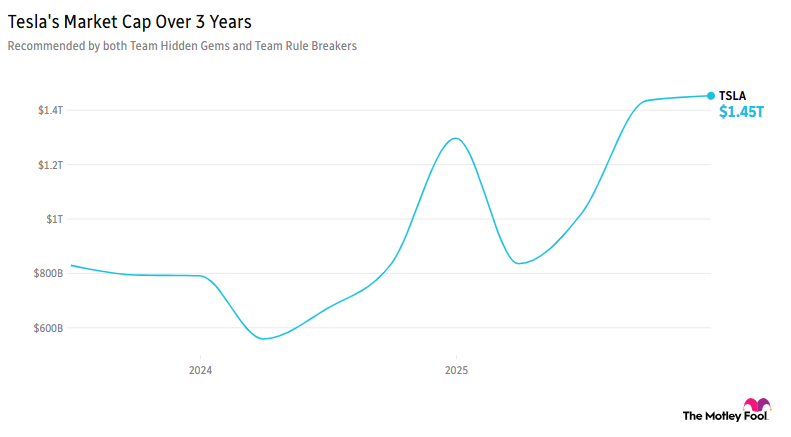
- Tesla Earnings Outlook: Tesla is set to report its Q1 fiscal 2026 earnings on Wednesday, with the stock down 11% year-to-date; however, it has shown recovery in April as CEO Elon Musk garners attention for the upcoming SpaceX IPO, and analysts predict profit growth despite vehicle deliveries of 358,000 falling short of the 370,000 expected.
- Terafab Project Acceleration: Musk is urging potential suppliers to expedite the Terafab AI chip-making project, which is estimated to cost over $25 billion and aims to achieve an annual computing capacity of one terawatt, highlighting Tesla's ambitions in the AI sector.
- Market Performance Surge: Despite uncertainties surrounding dealings with Iran, both the S&P 500 and Nasdaq reached new all-time highs, rising 4.5% and 6.8% respectively, while the Dow Jones increased by 3.2%, indicating a robust market recovery.
- Oil Price Impact: Following the U.S. Navy's seizure of an Iranian-flagged ship, benchmark crude prices surged over 6%, with West Texas Intermediate surpassing $88 and Brent crude exceeding $95, which could influence market sentiment.
Google Partners with Marvell to Develop AI Chips
- AI Chip Development Partnership: Google is reportedly in discussions with Marvell to develop two chips aimed at enhancing AI model operational efficiency, including a memory-focused processor and a next-generation TPU specifically designed for AI inference workloads, indicating a growing demand for customized semiconductors from Google.
- Positive Market Reaction: Marvell's shares rose 5.8% in early premarket trading on Monday despite a broader market decline, reflecting investor optimism regarding its collaboration with Google, particularly against the backdrop of a rebound in chip stocks, suggesting potential value in this partnership.
- Retail Investor Sentiment: On Stocktwits, retail sentiment for Marvell remains ‘bullish,’ although some investors express skepticism about the stock's continued rise, suggesting it may be overvalued and at risk of a pullback, highlighting the complexity of market sentiment surrounding the stock.
- Geopolitical Impact: Escalating tensions between the U.S. and Iran have led to declines in U.S. futures early Monday, yet Marvell's stock continues to perform strongly, demonstrating resilience in an uncertain market environment and potentially attracting more investor interest in its future performance.

Marvell Technology Stock Rises 6.3% in Premarket Trading Following News of Google's Discussions to Develop New AI Chips with the Company
- Market Performance: Marvel Technology shares increased by 6.3% in pre-market trading following recent developments.
- Corporate Talks: Google is reportedly in discussions with Cotobuild regarding new AI chip technology.
Comfort Systems Stock Soars 374%: Key Growth Drivers
- Record Backlog: As of early 2026, Comfort Systems' backlog reached a record $11.94 billion, more than double its 2024 figure, indicating robust demand in data center construction and significant future revenue growth potential.
- Strong Financial Performance: In 2025, the company reported revenue of $9.1 billion, a 29.5% increase, with earnings per share (EPS) at $28.88, up 97.8%, showcasing its competitiveness and profitability in high-growth markets.
- Enhanced Modular Construction: Through strategic acquisitions, Comfort Systems expanded its modular construction capacity to 4 million square feet by the end of 2026, improving project delivery speed and quality control, thereby strengthening its market position in fast-growing high-tech sectors.
- Low Debt Enables Growth: By the end of 2025, the company had only $145.2 million in debt against $981.9 million in cash, resulting in a debt-to-equity ratio of 0.197, reflecting strong financial flexibility to capitalize on market opportunities swiftly.
Alphabet Partners with Marvell to Develop AI Chips
- AI Chip Collaboration: Alphabet is in talks with Marvell to develop two new chips aimed at enhancing efficiency in handling AI workloads, indicating Google's ongoing investment and competitive intent in the AI chip sector.
- Memory Processing Unit: One of the chips will be a memory processing unit designed to work alongside Google's tensor processing units (TPUs), aimed at optimizing AI computing performance and enhancing the competitiveness of Google Cloud services.
- Inference Task Focus: The other new TPU will be specifically designed for inference tasks, signaling Google's ambition to challenge Nvidia's dominance in the AI infrastructure market through its proprietary silicon technology, thereby solidifying its market share.
- Cost and Scale Effects: As enterprise demand for AI services continues to rise, Google's efficient chips will help lower operational costs and accelerate the scaling of AI services, with the memory chip expected to enter the design phase by 2027 before moving into testing.
GOOGLE FORMED A STRIKE TEAM TO ENHANCE CODING MODELS - THE INFORMATION
Google's New Initiative: Google has established a dedicated team called "Strike" aimed at enhancing its coding models.
Focus on Improvement: The primary goal of the Strike team is to improve the performance and capabilities of Google's coding models.
Tesla Set to Report Q1 Earnings Amid Market Surge
- Tesla Earnings Outlook: Tesla is set to report its Q1 fiscal 2026 earnings on Wednesday, with the stock down 11% year-to-date; however, it has shown recovery in April as CEO Elon Musk garners attention for the upcoming SpaceX IPO, and analysts predict profit growth despite vehicle deliveries of 358,000 falling short of the 370,000 expected.
- Terafab Project Acceleration: Musk is urging potential suppliers to expedite the Terafab AI chip-making project, which is estimated to cost over $25 billion and aims to achieve an annual computing capacity of one terawatt, highlighting Tesla's ambitions in the AI sector.
- Market Performance Surge: Despite uncertainties surrounding dealings with Iran, both the S&P 500 and Nasdaq reached new all-time highs, rising 4.5% and 6.8% respectively, while the Dow Jones increased by 3.2%, indicating a robust market recovery.
- Oil Price Impact: Following the U.S. Navy's seizure of an Iranian-flagged ship, benchmark crude prices surged over 6%, with West Texas Intermediate surpassing $88 and Brent crude exceeding $95, which could influence market sentiment.
Google Partners with Marvell to Develop AI Chips
- AI Chip Development Partnership: Google is reportedly in discussions with Marvell to develop two chips aimed at enhancing AI model operational efficiency, including a memory-focused processor and a next-generation TPU specifically designed for AI inference workloads, indicating a growing demand for customized semiconductors from Google.
- Positive Market Reaction: Marvell's shares rose 5.8% in early premarket trading on Monday despite a broader market decline, reflecting investor optimism regarding its collaboration with Google, particularly against the backdrop of a rebound in chip stocks, suggesting potential value in this partnership.
- Retail Investor Sentiment: On Stocktwits, retail sentiment for Marvell remains ‘bullish,’ although some investors express skepticism about the stock's continued rise, suggesting it may be overvalued and at risk of a pullback, highlighting the complexity of market sentiment surrounding the stock.
- Geopolitical Impact: Escalating tensions between the U.S. and Iran have led to declines in U.S. futures early Monday, yet Marvell's stock continues to perform strongly, demonstrating resilience in an uncertain market environment and potentially attracting more investor interest in its future performance.
Marvell Technology Stock Rises 6.3% in Premarket Trading Following News of Google's Discussions to Develop New AI Chips with the Company
- Market Performance: Marvel Technology shares increased by 6.3% in pre-market trading following recent developments.
- Corporate Talks: Google is reportedly in discussions with Cotobuild regarding new AI chip technology.