Philips Launches New Sonicare Electric Toothbrush Range with Next-Gen Technology
Written by Emily J. Thompson, Senior Investment Analyst
Updated: Mar 05 2026
0mins
Should l Buy PHG?
Source: PRnewswire
- Brand Refresh: Philips introduces the 'Feel the Care' brand to enhance consumer daily oral care experiences, integrating Next-Generation Sonicare technology to elevate self-care awareness and shift oral care from the background to the forefront of daily routines.
- Technology Upgrade: The new Sonicare 5700 to 7300 series features a completely re-engineered motor that delivers up to 62,000 bristle movements per minute, ensuring gentle yet effective cleaning even in hard-to-reach areas, significantly enhancing the user brushing experience.
- Sustainability Commitment: Philips Sonicare's brush heads are now made with 70% bio-based plastic, and the packaging is 100% recyclable and made from 50% recycled materials, reflecting the company's commitment to environmental sustainability, with new packaging already available at major North American retailers.
- Market Impact: By combining advanced sonic technology with refined design, Philips Sonicare not only redefines the standards for oral care but is also expected to increase market share by meeting consumer demand for effective oral care products.
Trade with 70% Backtested Accuracy
Stop guessing "Should I Buy PHG?" and start using high-conviction signals backed by rigorous historical data.
Sign up today to access powerful investing tools and make smarter, data-driven decisions.
Analyst Views on PHG
About PHG
Koninklijke Philips NV is a Netherlands-based health technology company. The Company's segments include Personal Health businesses, Diagnosis & Treatment businesses, Connected Care businesses and Other. The Personal Health businesses segment is engaged in the health continuum, delivering integrated, connected solutions that support healthier lifestyles and those living with chronic disease as well as oral healthcare and mother and child care support. The Diagnosis & Treatment businesses segment delivers precision medicine and treatment, and therapy. The Connected Care businesses segment provides consumers, care givers and clinicians with digital solutions that facilitate care by enabling precision medicine and population health management. The Other segment comprises such items, as innovation, emerging businesses, royalties, among others.
About the author

Emily J. Thompson
Emily J. Thompson, a Chartered Financial Analyst (CFA) with 12 years in investment research, graduated with honors from the Wharton School. Specializing in industrial and technology stocks, she provides in-depth analysis for Intellectia’s earnings and market brief reports.

Philips Receives FDA Clearance for First AI-Powered Spectral CT

- FDA Clearance: Philips' Spectral CT Verida system has received FDA 510(k) clearance, becoming the world's first AI-powered spectral CT scanner for clinical use, marking a significant advancement in medical imaging technology.
- Enhanced Imaging Efficiency: The system can reconstruct up to 145 images per second, reducing full-body exam times to under 30 seconds and supporting up to 270 exams per day, significantly improving workflow efficiency in high-volume departments.
- Broad Clinical Applications: The Verida system is cleared for head, whole-body, cardiac, and vascular CT imaging, and is also indicated for oncology treatment planning, providing simultaneous conventional and spectral results to enhance tissue characterization capabilities.
- Personalized Adjustments: The updated computing infrastructure allows clinicians to adjust image de-noising levels based on personal preferences, ensuring customization without compromising spectral output, further enhancing the accuracy of clinical decision-making.
See More

Philips Launches AI-Powered Spectral CT System
- FDA Clearance: Philips' Spectral CT Verida system has received FDA 510(k) clearance, marking the entry of its AI-powered spectral CT innovation into the U.S. market, which is expected to enhance imaging quality and clinical decision-making efficiency.
- Image Reconstruction Capability: The Verida system reconstructs 145 images per second, allowing entire exams to be completed in under 30 seconds, which is twice as fast as before, significantly improving workflow efficiency to meet high patient throughput demands in radiology.
- Broad Clinical Applications: This system is applicable across radiology, interventional radiology, and cardiology, capturing both high- and low-energy data simultaneously, which supports enhanced tissue characterization and material differentiation, thereby improving clinical insights from imaging.
- Market Strategy Expansion: By combining spectral imaging with AI reconstruction, Verida not only enhances image quality but also expands the role of CT across clinical pathways, bolstering Philips' competitive position in the healthcare technology sector.
See More

Charter Launches Spectrum TV App, Shares Rise

- App Expansion: Charter announced the launch of its Spectrum TV App on Google TV and other Android TV devices, significantly broadening its streaming service's reach, allowing users to enjoy live TV, Cloud DVR, and On-Demand content, thereby enhancing user experience.
- User Growth Potential: The Spectrum TV App has already become the most-viewed streaming service based on hours-per-household and the highest-rated pay TV streaming app, suggesting that this expansion could further increase its user base and strengthen its competitive position in the market.
- Stock Price Reaction: Following the announcement of the new app, Charter's shares rose 2.6% in the afternoon session, ultimately closing at $221.87, up 3.1% from the previous day, indicating a positive market response to the news.
- Market Volatility: Although Charter's stock has only experienced 7 moves greater than 5% in the past year, this increase suggests market recognition of the new app's significance, even as the overall economic environment remains uncertain, potentially impacting future stock performance.
See More
HPE Secures License for Sisvel Wi-Fi Multimode Patents

- Patent Licensing Agreement: Hewlett Packard Enterprise (HPE) has reached an agreement with Sisvel to become the latest licensee of its Wi-Fi Multimode patent pool, joining companies like Sony, Huawei, Panasonic, Philips, and ZTE, highlighting HPE's significant influence in the global WLAN market.
- Market Position Strengthened: As a leading manufacturer of consumer and enterprise routers, this licensing agreement not only enhances HPE's competitiveness in Wi-Fi 6 and Wi-Fi 7 technologies but also lays a foundation for future technological advancements.
- Amicable Negotiation Outcome: Sisvel's Legal and Licensing Counsel Meagan Leslie noted that HPE's constructive engagement during negotiations led to the agreement, reflecting the professionalism and collaborative spirit of all parties involved in the complex discussions.
- Future Prospects: Sisvel Chief IP Officer Heath Hoglund welcomed HPE's addition and anticipates that more companies will join this patent pool in the near future, further promoting the commercialization and accessibility of Wi-Fi technologies.
See More
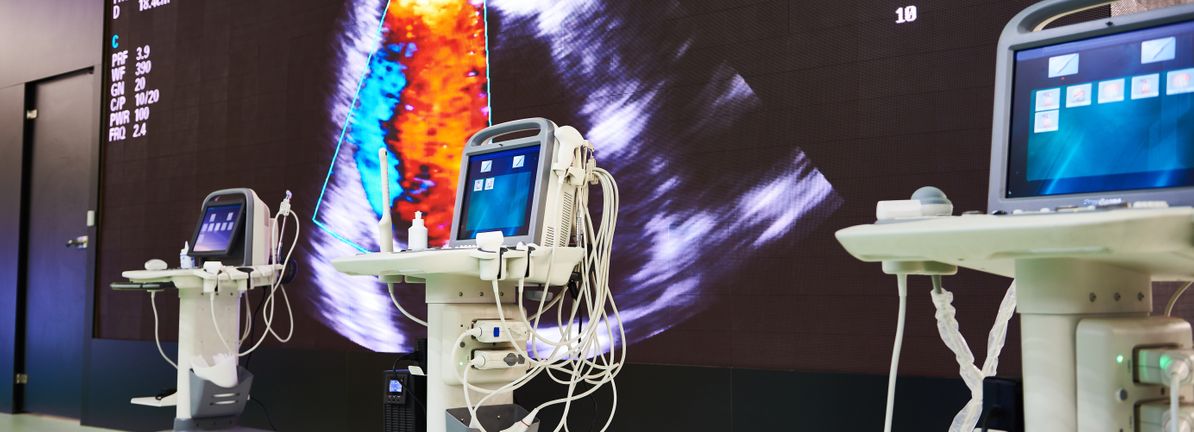
Philips Receives FDA Clearance for New Products
- FDA Clearance: Philips' AI-powered DeviceGuide has received FDA clearance to support mitral valve repair procedures, marking a new phase for the company in image-guided therapy and potentially enhancing its competitiveness in high-acuity hospital markets.
- Launch of New Platform: The introduction of IntraSight Plus, an integrated platform designed for minimally invasive cardiology interventions, simplifies planning and execution of percutaneous coronary interventions, which is expected to strengthen Philips' market share in cardiology.
- Shifting Market Demand: The launch of these products aligns with the growing hospital demand for data-driven, minimally invasive procedures, which could drive revenue growth for Philips, particularly in high-demand procedural niches.
- Investor Focus: Investors should monitor the adoption rate of DeviceGuide and IntraSight Plus in hospitals and their impact on cardiology equipment purchasing cycles, as this will directly influence Philips' future market performance and revenue potential.
See More
Philips Launches AI-Driven Mitral Valve Repair Device Guidance
- FDA Clearance Achieved: Philips' EchoNavigator R5.0 with DeviceGuide has received FDA 510(k) clearance, marking a significant technological advancement in minimally invasive heart valve repair, expected to enhance the safety and efficiency of cardiac treatments.
- Real-Time AI Assistance: DeviceGuide provides real-time tracking and visualization of the Edwards PASCAL Ace mitral valve repair device, integrating ultrasound and X-ray images to help clinicians navigate and position devices more clearly, thereby increasing the success rate of complex procedures.
- Collaborative Innovation: Developed in close partnership with Edwards Lifesciences, DeviceGuide aims to streamline minimally invasive valve repair procedures, enhancing physician confidence and team coordination, thus advancing cardiac treatment methodologies.
- Broad Market Potential: With the rising demand for structural heart procedures, the launch of DeviceGuide not only aligns with market trends but also strengthens Philips' leadership position in the global cardiac health technology sector.
See More
Philips Receives FDA Clearance for First AI-Powered Spectral CT
- FDA Clearance: Philips' Spectral CT Verida system has received FDA 510(k) clearance, becoming the world's first AI-powered spectral CT scanner for clinical use, marking a significant advancement in medical imaging technology.
- Enhanced Imaging Efficiency: The system can reconstruct up to 145 images per second, reducing full-body exam times to under 30 seconds and supporting up to 270 exams per day, significantly improving workflow efficiency in high-volume departments.
- Broad Clinical Applications: The Verida system is cleared for head, whole-body, cardiac, and vascular CT imaging, and is also indicated for oncology treatment planning, providing simultaneous conventional and spectral results to enhance tissue characterization capabilities.
- Personalized Adjustments: The updated computing infrastructure allows clinicians to adjust image de-noising levels based on personal preferences, ensuring customization without compromising spectral output, further enhancing the accuracy of clinical decision-making.
See More
Philips Launches AI-Powered Spectral CT System
- FDA Clearance: Philips' Spectral CT Verida system has received FDA 510(k) clearance, marking the entry of its AI-powered spectral CT innovation into the U.S. market, which is expected to enhance imaging quality and clinical decision-making efficiency.
- Image Reconstruction Capability: The Verida system reconstructs 145 images per second, allowing entire exams to be completed in under 30 seconds, which is twice as fast as before, significantly improving workflow efficiency to meet high patient throughput demands in radiology.
- Broad Clinical Applications: This system is applicable across radiology, interventional radiology, and cardiology, capturing both high- and low-energy data simultaneously, which supports enhanced tissue characterization and material differentiation, thereby improving clinical insights from imaging.
- Market Strategy Expansion: By combining spectral imaging with AI reconstruction, Verida not only enhances image quality but also expands the role of CT across clinical pathways, bolstering Philips' competitive position in the healthcare technology sector.
See More
Charter Launches Spectrum TV App, Shares Rise
- App Expansion: Charter announced the launch of its Spectrum TV App on Google TV and other Android TV devices, significantly broadening its streaming service's reach, allowing users to enjoy live TV, Cloud DVR, and On-Demand content, thereby enhancing user experience.
- User Growth Potential: The Spectrum TV App has already become the most-viewed streaming service based on hours-per-household and the highest-rated pay TV streaming app, suggesting that this expansion could further increase its user base and strengthen its competitive position in the market.
- Stock Price Reaction: Following the announcement of the new app, Charter's shares rose 2.6% in the afternoon session, ultimately closing at $221.87, up 3.1% from the previous day, indicating a positive market response to the news.
- Market Volatility: Although Charter's stock has only experienced 7 moves greater than 5% in the past year, this increase suggests market recognition of the new app's significance, even as the overall economic environment remains uncertain, potentially impacting future stock performance.
See More
HPE Secures License for Sisvel Wi-Fi Multimode Patents
- Patent Licensing Agreement: Hewlett Packard Enterprise (HPE) has reached an agreement with Sisvel to become the latest licensee of its Wi-Fi Multimode patent pool, joining companies like Sony, Huawei, Panasonic, Philips, and ZTE, highlighting HPE's significant influence in the global WLAN market.
- Market Position Strengthened: As a leading manufacturer of consumer and enterprise routers, this licensing agreement not only enhances HPE's competitiveness in Wi-Fi 6 and Wi-Fi 7 technologies but also lays a foundation for future technological advancements.
- Amicable Negotiation Outcome: Sisvel's Legal and Licensing Counsel Meagan Leslie noted that HPE's constructive engagement during negotiations led to the agreement, reflecting the professionalism and collaborative spirit of all parties involved in the complex discussions.
- Future Prospects: Sisvel Chief IP Officer Heath Hoglund welcomed HPE's addition and anticipates that more companies will join this patent pool in the near future, further promoting the commercialization and accessibility of Wi-Fi technologies.
See More
Philips Receives FDA Clearance for New Products
- FDA Clearance: Philips' AI-powered DeviceGuide has received FDA clearance to support mitral valve repair procedures, marking a new phase for the company in image-guided therapy and potentially enhancing its competitiveness in high-acuity hospital markets.
- Launch of New Platform: The introduction of IntraSight Plus, an integrated platform designed for minimally invasive cardiology interventions, simplifies planning and execution of percutaneous coronary interventions, which is expected to strengthen Philips' market share in cardiology.
- Shifting Market Demand: The launch of these products aligns with the growing hospital demand for data-driven, minimally invasive procedures, which could drive revenue growth for Philips, particularly in high-demand procedural niches.
- Investor Focus: Investors should monitor the adoption rate of DeviceGuide and IntraSight Plus in hospitals and their impact on cardiology equipment purchasing cycles, as this will directly influence Philips' future market performance and revenue potential.
See More
Philips Launches AI-Driven Mitral Valve Repair Device Guidance
- FDA Clearance Achieved: Philips' EchoNavigator R5.0 with DeviceGuide has received FDA 510(k) clearance, marking a significant technological advancement in minimally invasive heart valve repair, expected to enhance the safety and efficiency of cardiac treatments.
- Real-Time AI Assistance: DeviceGuide provides real-time tracking and visualization of the Edwards PASCAL Ace mitral valve repair device, integrating ultrasound and X-ray images to help clinicians navigate and position devices more clearly, thereby increasing the success rate of complex procedures.
- Collaborative Innovation: Developed in close partnership with Edwards Lifesciences, DeviceGuide aims to streamline minimally invasive valve repair procedures, enhancing physician confidence and team coordination, thus advancing cardiac treatment methodologies.
- Broad Market Potential: With the rising demand for structural heart procedures, the launch of DeviceGuide not only aligns with market trends but also strengthens Philips' leadership position in the global cardiac health technology sector.
See More