Pfizer vs. Moderna: Vaccine Market Competition Analysis
Written by Emily J. Thompson, Senior Investment Analyst
Updated: Mar 19 2026
0mins

Should l Buy PFE?
Source: Fool
- Market Position Comparison: Pfizer, with a market cap of $156 billion, dominates the pharmaceutical industry, generating over $60 billion in annual revenue despite a decline in COVID vaccine sales, showcasing its strong market foundation and product portfolio.
- R&D Pipeline Potential: While Pfizer faces patent expirations, its extensive R&D pipeline is expected to make significant progress in the coming year, potentially positively impacting its stock price, although with less volatility.
- Moderna's Growth Potential: With a market cap of about $22 billion, Moderna's stock has surged 69% this year, primarily driven by positive clinical data from its cancer vaccine mRNA-4157, indicating its potential in the innovative vaccine space, albeit with FDA approval risks.
- Risk and Reward Trade-off: Pfizer's financial flexibility and stable dividend yield (6.3%) make it a lower-risk investment choice, while investors seeking high-risk, high-reward opportunities may prefer Moderna, despite its greater downside risks.
Trade with 70% Backtested Accuracy
Stop guessing "Should I Buy PFE?" and start using high-conviction signals backed by rigorous historical data.
Sign up today to access powerful investing tools and make smarter, data-driven decisions.
Analyst Views on PFE
Wall Street analysts forecast PFE stock price to rise
16 Analyst Rating
5 Buy
11 Hold
0 Sell
Moderate Buy
Current: 27.040

Low
24.00
Averages
28.56
High
35.00
Current: 27.040
Low
24.00
Averages
28.56
High
35.00
About PFE
Pfizer Inc. is a research-based, global biopharmaceutical company. The Company is engaged in the discovery, development, manufacture, marketing, sale and distribution of biopharmaceutical products worldwide. Its Biopharma segment includes the Pfizer U.S. Commercial Division, and the Pfizer International Commercial Division. Its product categories include oncology, primary care and specialty care. Its oncology products include Ibrance, Xtandi, Padcev, Adcetris, Inlyta, Lorbrena, Bosulif, Tukysa, Braftovi, Mektovi, Orgovyx, Elrexfio, Tivdak and Talzenna. Its primary care products include Eliquis, Nurtec ODT/Vydura, Zavzpret, the Prevnar family, Comirnaty, Abrysvo, FSME/IMMUN-TicoVac, Nimenrix, Trumenba, and Paxlovid. Its specialty care products include Xeljanz, Enbrel (outside the United States and Canada), Inflectra, Abrilada, Cibinqo, Litfulo, Eucrisa, Velsipity, the Vyndaqel family, Genotropin, and others. Its PF-08653944 is an ultra-long-acting fully biased GLP-1 receptor agonist.
About the author

Emily J. Thompson
Emily J. Thompson, a Chartered Financial Analyst (CFA) with 12 years in investment research, graduated with honors from the Wharton School. Specializing in industrial and technology stocks, she provides in-depth analysis for Intellectia’s earnings and market brief reports.
Pfizer Quickly Shifts Strategy After GLP-1 Drug Setback

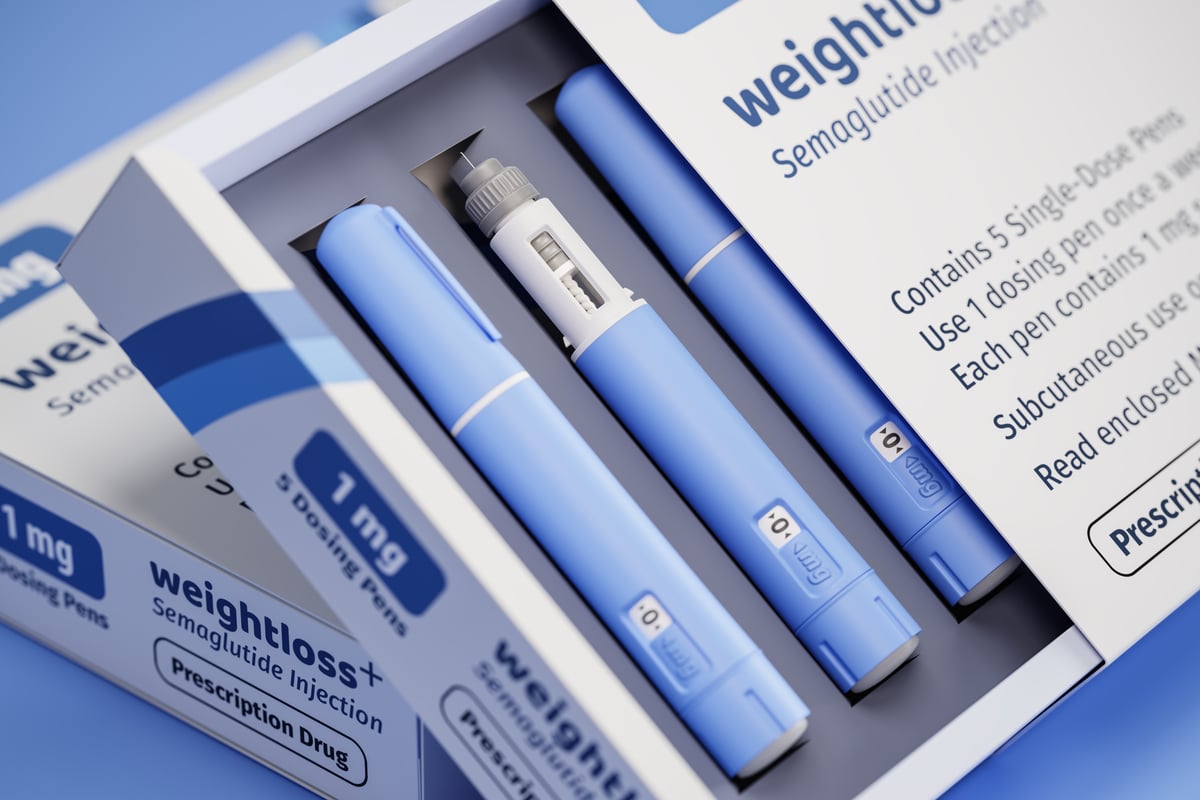
- Drug Development Setback: Pfizer was forced to abandon its internally developed GLP-1 weight loss drug in April 2025, facing pressure from upcoming patent expirations, which negatively impacted investor confidence as it fell behind competitors like Novo Nordisk and Eli Lilly in this emerging drug niche.
- Strong Market Demand: Despite Pfizer's setback, the demand for GLP-1 drugs remains robust, with Eli Lilly's Mounjaro and Zepbound achieving revenue growth of 99% and 175% respectively in 2025, highlighting the significant potential in this market segment.
- Rapid Strategic Shift: Following the abandonment of its own drug, Pfizer quickly acquired a company with a promising GLP-1 candidate, closing the deal in November 2025, demonstrating its agility and adaptability in drug development.
- Long-Term Investment Potential: Although Pfizer's market value has dropped about 50% from its 2021 highs, its $150 billion market cap and a 6.2% dividend yield continue to attract long-term investors, with management committed to maintaining the dividend, reflecting confidence in the company's future prospects.
See More

Pfizer's Rapid Pivot in Response to Challenges
- Setback in GLP-1 Development: Pfizer was forced to abandon its internally developed GLP-1 weight loss drug in April 2025, resulting in a significant setback as it falls behind competitors like Novo Nordisk and Eli Lilly in an emerging drug niche.
- Strong Market Demand: Despite Pfizer's challenges, Eli Lilly's GLP-1 drugs Mounjaro and Zepbound saw revenue growth of 99% and 175% respectively in 2025, highlighting the robust demand and competitive pressure in this market.
- Rapid Acquisition of New Candidate: Pfizer quickly pivoted by acquiring a company with a promising GLP-1 candidate in November 2025, demonstrating its agility in response to setbacks, even as its market cap declined to $150 billion.
- Stable Dividend Policy: With a dividend yield of 6.2% and a payout ratio exceeding 100%, Pfizer's management intends to maintain its dividend, indicating its appeal to long-term investors despite facing short-term pressures.
See More
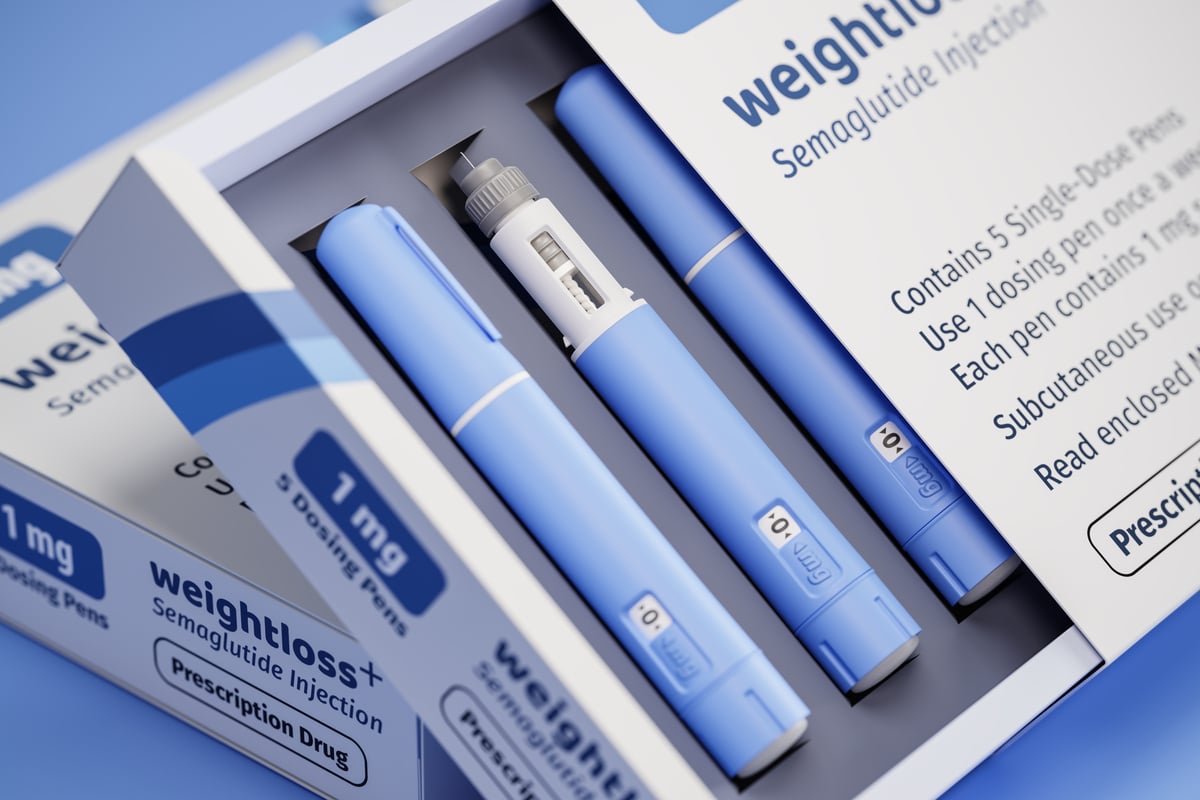
Pfizer's Strategic Shift in GLP-1 Drug Development
- Drug Development Setback: Pfizer was forced to abandon its internally developed GLP-1 weight loss drug in April 2025, which significantly hampered its competitive position in the emerging drug niche, especially as competitors like Novo Nordisk and Eli Lilly reported revenue growth of 99% and 175% for their GLP-1 drugs, respectively.
- Rapid Strategic Shift: Less than a year after dropping its own drug, Pfizer quickly pivoted by acquiring a company with a promising GLP-1 candidate in November 2025, demonstrating its agility in the GLP-1 market despite looming patent expirations.
- Stable Market Position: Despite a 50% decline in value from its 2021 highs, Pfizer maintains a market capitalization of $150 billion, showcasing its resilience as an industry giant capable of navigating the typical fluctuations of the pharmaceutical sector.
- Long-Term Investment Potential: With a dividend yield of 6.2% and a payout ratio exceeding 100%, Pfizer's management has committed to maintaining its dividend, making it a potential consideration for long-term investors seeking stable returns from this industry leader.
See More

Viking Therapeutics: A Dark Horse in the GLP-1 Market
- Market Potential: The GLP-1 weight loss market is projected to reach annual sales of $100 billion by the next decade, presenting a significant growth opportunity for Viking Therapeutics and its VK2735 candidate, especially with the potential launch of an oral version.
- Clinical Trial Progress: The injectable version of VK2735 is currently in phase 3 clinical trials, while the oral version completed phase 2 trials last year with highly promising initial results, laying a solid foundation for future commercialization.
- Acquisition Potential: Should VK2735 achieve commercial viability, Viking could become a takeover target in the biotech sector, with acquisition offers potentially reaching three times its current $4 billion market cap, reflecting strong market expectations for its future.
- Investment Risks and Opportunities: Viking's stock presents a binary risk, where the success or failure of VK2735 will directly impact its share price; despite the high risks, the potential rewards are equally substantial, necessitating careful position sizing by investors to navigate possible volatility.
See More

Viking Therapeutics' VK2735: A Dark Horse in GLP-1 Weight Loss Market
- Significant Market Potential: The GLP-1 weight loss market is projected to reach annual sales of $100 billion by the next decade, providing Viking Therapeutics' VK2735 with substantial market opportunities, particularly with the promising results expected from its oral version's clinical trials.
- Critical Clinical Trial Phase: The injectable VK2735 is currently in phase 3 clinical trials, while the oral version's phase 2 trial completed last year with promising initial results, which will directly impact Viking's stock performance depending on the outcomes of these trials.
- Acquisition Potential: Should VK2735 achieve commercial viability, Viking's market cap of approximately $4 billion could attract acquisition offers potentially reaching three times its current valuation, highlighting its appeal as a biotech stock.
- Risks and Opportunities: While the outlook for VK2735 is optimistic, the stock carries significant volatility risks; Viking's shares once approached $100 but currently trade around $32, necessitating careful risk-reward assessment by investors.
See More

Viking Therapeutics: A Dark Horse in the GLP-1 Market
- Market Potential: The GLP-1 weight loss market is projected to reach annual sales of $100 billion by the start of the next decade, providing Viking Therapeutics' VK2735 candidate with significant commercial opportunities, especially if an oral version is approved.
- Clinical Trial Progress: The injectable version of VK2735 is currently in phase 3 clinical trials, while the oral version completed phase 2 trials last year with promising initial results, which could significantly boost Viking's stock price.
- Acquisition Potential: Should VK2735 achieve commercial viability, Viking could become a takeover target in the biotech sector, with acquisition offers potentially reaching three times its current $4 billion market cap, reflecting high market expectations for its future.
- Investment Risks and Opportunities: Viking's stock presents a binary risk; the success or failure of VK2735 will directly impact its share price, and while the risks are considerable, the potential rewards are equally significant, necessitating careful position sizing by investors to manage possible volatility.
See More
Pfizer Quickly Shifts Strategy After GLP-1 Drug Setback
- Drug Development Setback: Pfizer was forced to abandon its internally developed GLP-1 weight loss drug in April 2025, facing pressure from upcoming patent expirations, which negatively impacted investor confidence as it fell behind competitors like Novo Nordisk and Eli Lilly in this emerging drug niche.
- Strong Market Demand: Despite Pfizer's setback, the demand for GLP-1 drugs remains robust, with Eli Lilly's Mounjaro and Zepbound achieving revenue growth of 99% and 175% respectively in 2025, highlighting the significant potential in this market segment.
- Rapid Strategic Shift: Following the abandonment of its own drug, Pfizer quickly acquired a company with a promising GLP-1 candidate, closing the deal in November 2025, demonstrating its agility and adaptability in drug development.
- Long-Term Investment Potential: Although Pfizer's market value has dropped about 50% from its 2021 highs, its $150 billion market cap and a 6.2% dividend yield continue to attract long-term investors, with management committed to maintaining the dividend, reflecting confidence in the company's future prospects.
See More
Pfizer's Rapid Pivot in Response to Challenges
- Setback in GLP-1 Development: Pfizer was forced to abandon its internally developed GLP-1 weight loss drug in April 2025, resulting in a significant setback as it falls behind competitors like Novo Nordisk and Eli Lilly in an emerging drug niche.
- Strong Market Demand: Despite Pfizer's challenges, Eli Lilly's GLP-1 drugs Mounjaro and Zepbound saw revenue growth of 99% and 175% respectively in 2025, highlighting the robust demand and competitive pressure in this market.
- Rapid Acquisition of New Candidate: Pfizer quickly pivoted by acquiring a company with a promising GLP-1 candidate in November 2025, demonstrating its agility in response to setbacks, even as its market cap declined to $150 billion.
- Stable Dividend Policy: With a dividend yield of 6.2% and a payout ratio exceeding 100%, Pfizer's management intends to maintain its dividend, indicating its appeal to long-term investors despite facing short-term pressures.
See More
Pfizer's Strategic Shift in GLP-1 Drug Development
- Drug Development Setback: Pfizer was forced to abandon its internally developed GLP-1 weight loss drug in April 2025, which significantly hampered its competitive position in the emerging drug niche, especially as competitors like Novo Nordisk and Eli Lilly reported revenue growth of 99% and 175% for their GLP-1 drugs, respectively.
- Rapid Strategic Shift: Less than a year after dropping its own drug, Pfizer quickly pivoted by acquiring a company with a promising GLP-1 candidate in November 2025, demonstrating its agility in the GLP-1 market despite looming patent expirations.
- Stable Market Position: Despite a 50% decline in value from its 2021 highs, Pfizer maintains a market capitalization of $150 billion, showcasing its resilience as an industry giant capable of navigating the typical fluctuations of the pharmaceutical sector.
- Long-Term Investment Potential: With a dividend yield of 6.2% and a payout ratio exceeding 100%, Pfizer's management has committed to maintaining its dividend, making it a potential consideration for long-term investors seeking stable returns from this industry leader.
See More
Viking Therapeutics: A Dark Horse in the GLP-1 Market
- Market Potential: The GLP-1 weight loss market is projected to reach annual sales of $100 billion by the next decade, presenting a significant growth opportunity for Viking Therapeutics and its VK2735 candidate, especially with the potential launch of an oral version.
- Clinical Trial Progress: The injectable version of VK2735 is currently in phase 3 clinical trials, while the oral version completed phase 2 trials last year with highly promising initial results, laying a solid foundation for future commercialization.
- Acquisition Potential: Should VK2735 achieve commercial viability, Viking could become a takeover target in the biotech sector, with acquisition offers potentially reaching three times its current $4 billion market cap, reflecting strong market expectations for its future.
- Investment Risks and Opportunities: Viking's stock presents a binary risk, where the success or failure of VK2735 will directly impact its share price; despite the high risks, the potential rewards are equally substantial, necessitating careful position sizing by investors to navigate possible volatility.
See More
Viking Therapeutics' VK2735: A Dark Horse in GLP-1 Weight Loss Market
- Significant Market Potential: The GLP-1 weight loss market is projected to reach annual sales of $100 billion by the next decade, providing Viking Therapeutics' VK2735 with substantial market opportunities, particularly with the promising results expected from its oral version's clinical trials.
- Critical Clinical Trial Phase: The injectable VK2735 is currently in phase 3 clinical trials, while the oral version's phase 2 trial completed last year with promising initial results, which will directly impact Viking's stock performance depending on the outcomes of these trials.
- Acquisition Potential: Should VK2735 achieve commercial viability, Viking's market cap of approximately $4 billion could attract acquisition offers potentially reaching three times its current valuation, highlighting its appeal as a biotech stock.
- Risks and Opportunities: While the outlook for VK2735 is optimistic, the stock carries significant volatility risks; Viking's shares once approached $100 but currently trade around $32, necessitating careful risk-reward assessment by investors.
See More
Viking Therapeutics: A Dark Horse in the GLP-1 Market
- Market Potential: The GLP-1 weight loss market is projected to reach annual sales of $100 billion by the start of the next decade, providing Viking Therapeutics' VK2735 candidate with significant commercial opportunities, especially if an oral version is approved.
- Clinical Trial Progress: The injectable version of VK2735 is currently in phase 3 clinical trials, while the oral version completed phase 2 trials last year with promising initial results, which could significantly boost Viking's stock price.
- Acquisition Potential: Should VK2735 achieve commercial viability, Viking could become a takeover target in the biotech sector, with acquisition offers potentially reaching three times its current $4 billion market cap, reflecting high market expectations for its future.
- Investment Risks and Opportunities: Viking's stock presents a binary risk; the success or failure of VK2735 will directly impact its share price, and while the risks are considerable, the potential rewards are equally significant, necessitating careful position sizing by investors to manage possible volatility.
See More