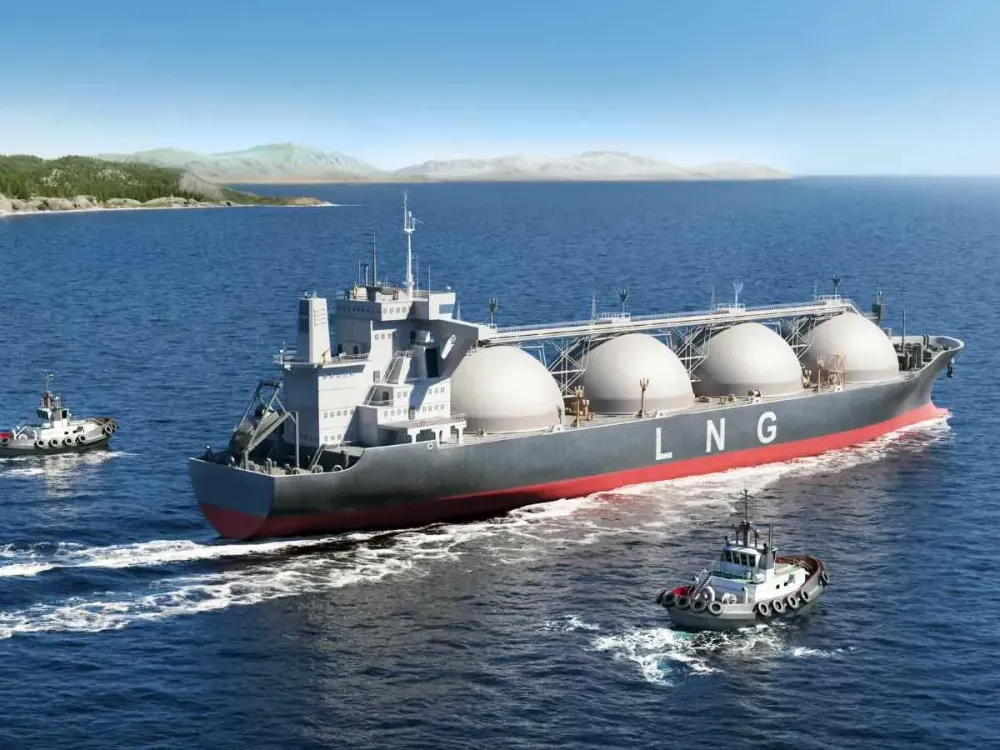
Pentagon Invests $4.5 Billion in Critical Minerals
Written by Emily J. Thompson, Senior Investment Analyst
Updated: Jan 29 2026
0mins

Should l Buy CENX?
Source: PRnewswire
- Surge in Government Investment: The Pentagon's $4.5 billion investment in critical minerals during the last months of 2025 is expected to lead to record levels of government support for strategic mineral projects in 2026, enhancing competitiveness for companies in defense and technology sectors.
- Mineral Discovery: GoldHaven Resources has confirmed a mineral system across 36,973 hectares at its Magno Project in British Columbia, showcasing potential for copper, gold, silver, lead, zinc, and tungsten, which could significantly enhance the company's resource development opportunities.
- High-Grade Mineralization Validation: Surface sampling at the Magno Zone revealed copper values up to 6,660 ppm, indicating the presence of high-grade copper mineralization within the rocks, further supporting the project's economic viability and future drilling plans.
- Multiple Projects Advancing: GoldHaven has completed diamond drilling at its Copeçal Gold Project in Brazil and confirmed high-grade copper at Three Guardsmen, now controlling 133,186 hectares across mining jurisdictions, demonstrating strong momentum in advancing multiple mining projects simultaneously.
Trade with 70% Backtested Accuracy
Stop guessing "Should I Buy CENX?" and start using high-conviction signals backed by rigorous historical data.
Sign up today to access powerful investing tools and make smarter, data-driven decisions.
Analyst Views on CENX
Wall Street analysts forecast CENX stock price to rise
3 Analyst Rating
3 Buy
0 Hold
0 Sell
Strong Buy
Current: 49.650

Low
42.00
Averages
55.67
High
64.00
Current: 49.650
Low
42.00
Averages
55.67
High
64.00
About CENX
Century Aluminum Company is a global producer of primary aluminum and alumina with production facilities in the United States, Iceland and Jamaica. The Company also own a carbon anode production facility located in the Netherlands (Vlissingen). Carbon anodes are consumed in the production of primary aluminum. Vlissingen supplies carbon anodes to its aluminum smelter in Iceland. [AJ1] Its bauxite mining and alumina refinery in Clarendon, Jamaica (Jamalco) produces smelter grade alumina for consumption around the world. It also owns and operates aluminum reduction facilities in the United States and Iceland. It operates a United States aluminum smelters in Goose Creek, South Carolina and one smelter in Grundartangi, Iceland (Noroural, commonly referred to as Grundartangi). Its primary aluminum facilities produce standard grade and value-added primary aluminum products, including low-carbon aluminum products, Natur-Al, produced in Iceland.
About the author

Emily J. Thompson
Emily J. Thompson, a Chartered Financial Analyst (CFA) with 12 years in investment research, graduated with honors from the Wharton School. Specializing in industrial and technology stocks, she provides in-depth analysis for Intellectia’s earnings and market brief reports.
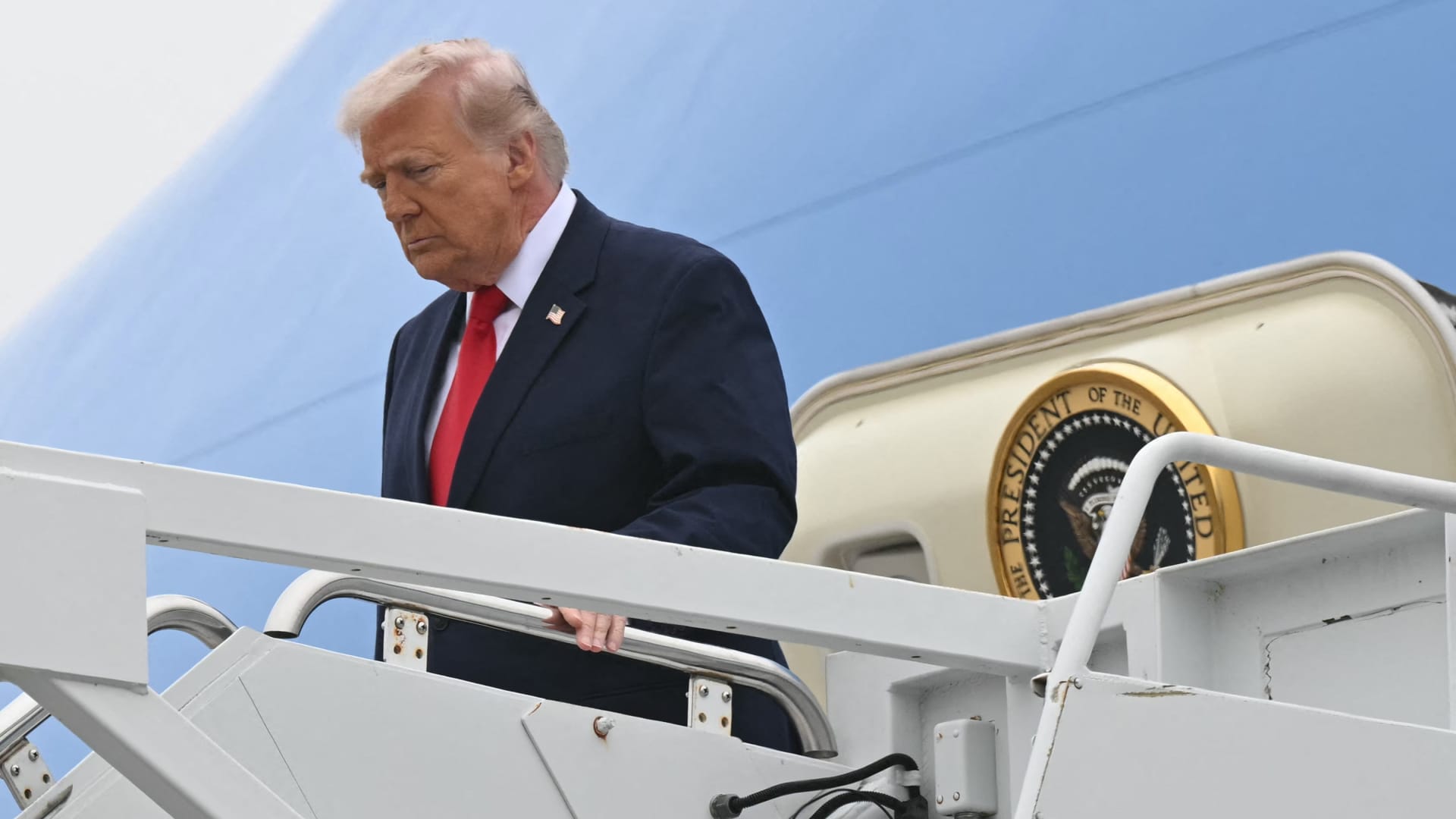
Trump Escalates Threats Against Iran, Oil Prices Surge


- Conflict Escalation: Trump's threats to destroy Iran's oil wells and power plants if a peace deal isn't reached have pushed oil prices above $100 per barrel for the first time since 2022, directly impacting U.S. markets and bringing the S&P 500 closer to correction territory.
- Market Reaction: Despite Federal Reserve Chair Powell's assertion that inflation expectations remain grounded, markets fell due to rising energy prices, indicating investor concerns over potential military conflict that could lead to broader economic repercussions.
- Aluminum Price Surge: Aluminum prices have hit a four-year high as fears of supply shortages grow due to Iranian strikes on Middle Eastern producers, reflecting the war's profound impact on global commodity markets and potentially exacerbating inflationary pressures.
- Defense Investment Controversy: Reports surfaced of a broker for U.S. Defense Secretary attempting to make significant investments in major defense companies ahead of the Iran conflict, although the Pentagon has labeled the report as false, raising ethical concerns about the relationship between government and private sector.
See More

Mixed Close for US Stocks as Nasdaq Hits 7.75-Month Low Amid Middle East Tensions


- Divergent Market Performance: On Monday, the S&P 500 index fell by 0.39%, while the Nasdaq 100 hit a 7.75-month low, indicating market concerns over the Middle East situation, particularly exacerbated by a sell-off in chip stocks, which negatively impacted investor confidence.
- Declining Bond Yields: The 10-year T-note yield dropped by 8 basis points to 4.34%, reflecting market fears that the ongoing war in the Middle East could lead to fuel shortages, potentially suppressing expectations for Fed rate hikes and highlighting economic growth uncertainties.
- Rising Crude Oil Prices: Crude oil prices surged over 3% to a three-week high due to Iranian attacks on the Strait of Hormuz, indicating severe threats to global energy supply chains, which could lead to soaring prices in the future and impact the global economy.
- Weak Manufacturing Activity: The Dallas Fed manufacturing activity survey fell to -0.2, below the expected 2.0, reflecting signs of economic slowdown that could influence corporate investment decisions and future economic growth.
See More
US Stock Market Declines Amid Rising Oil Prices

- Oil Price Surge Impacts Markets: The S&P 500 Index fell by 0.75%, the Dow Jones Industrial Average by 0.21%, and the Nasdaq 100 by 1.18% as the market reacts to the first oil settlement exceeding $100 since 2022, highlighting concerns over rising energy costs amid ongoing supply chain risks.
- Uncertain Fed Policy Outlook: Federal Reserve Chair Jerome Powell noted that while the central bank is monitoring the surge in energy prices, its tools to address supply-side shocks are limited, with markets pricing in only a 3% chance of a 25 bp rate hike at the April meeting, indicating investor uncertainty about future monetary policy.
- Escalating Middle East Tensions: US and Israeli forces continue military operations in Iran, with the Pentagon preparing for weeks of ground operations as approximately 3,500 sailors and Marines arrive in the region, potentially exacerbating global energy supply issues.
- Positive Bond Market Reaction: The 10-year Treasury yield fell to 4.330% as speculation grows that the ongoing conflict in the Middle East may lead to fuel shortages, offsetting inflation fears and supporting Treasury prices amid declining inflation expectations.
See More
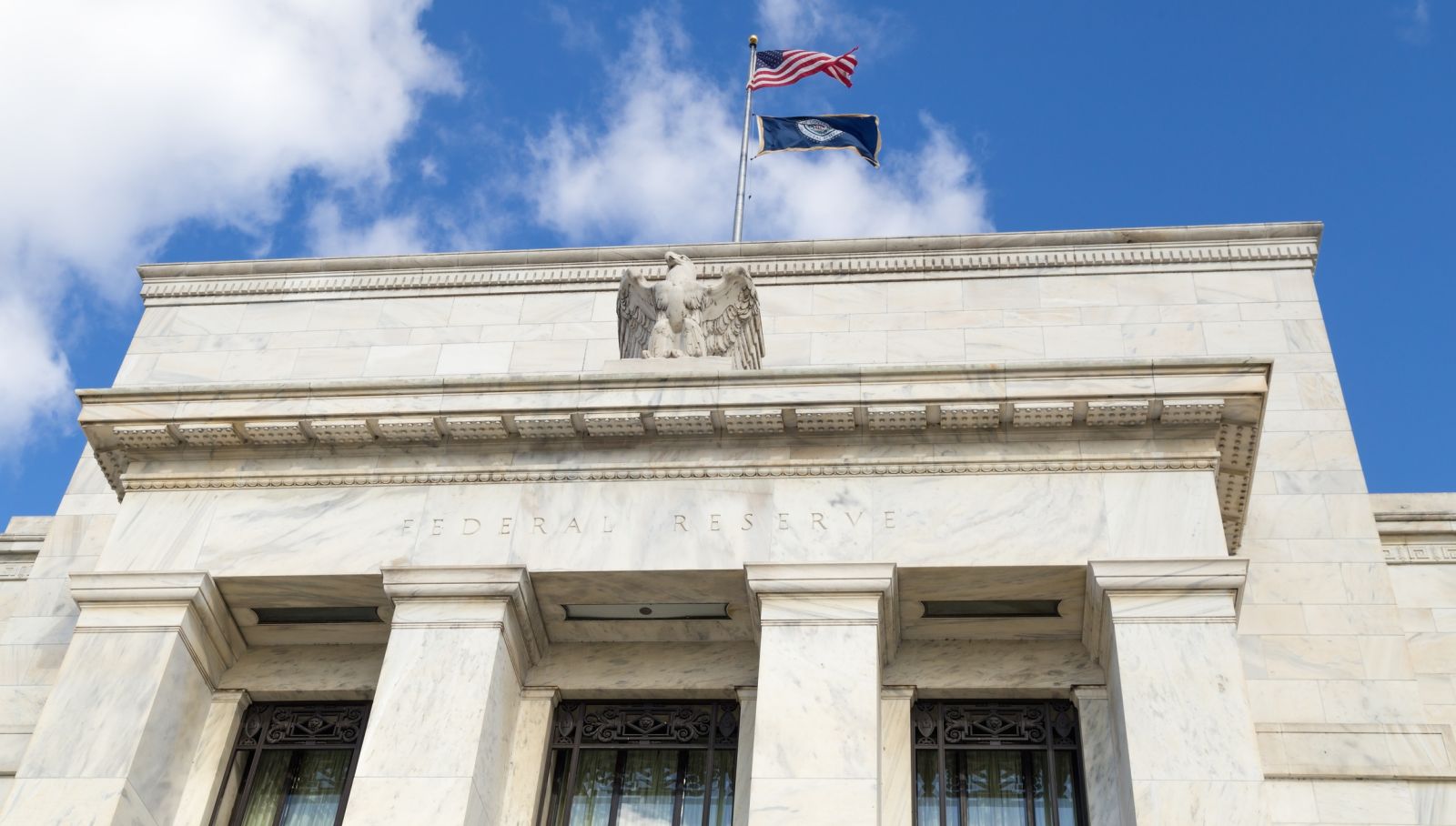
Mixed U.S. Stock Indices Amid Rising Oil Prices
- Mixed Stock Performance: The S&P 500 Index fell by 0.29%, while the Dow Jones Industrial Average rose by 0.26%, and the Nasdaq 100 Index decreased by 0.67%, indicating a complex market reaction to Federal Reserve policies and international tensions.
- Rising Oil Prices: Crude oil prices surged over 2% to a three-week high due to disruptions in oil and gas flows through the Strait of Hormuz caused by the Iran conflict, which could negatively impact global economic growth.
- Weak Manufacturing Activity: The Dallas Fed manufacturing activity index dropped from -0.4 to -0.2, falling short of the expected increase to 2.0, suggesting challenges in economic recovery that may influence future policy decisions.
- Escalating International Tensions: U.S. and Israeli military actions against Iran have intensified, with 3,500 sailors and Marines deployed to the Middle East, potentially leading to further volatility in energy markets and impacting global supply chains.
See More
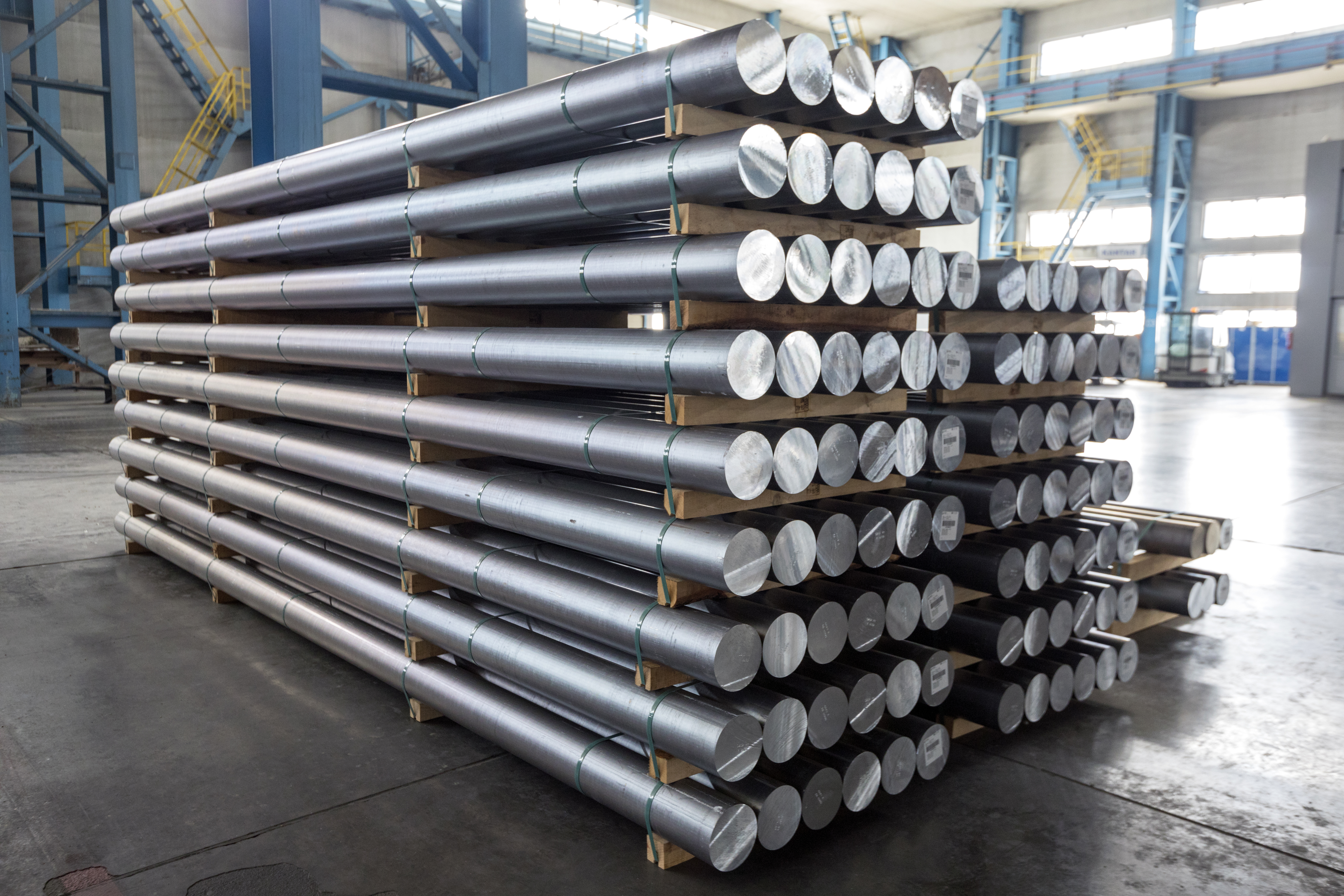
Middle East Aluminum Attacks Drive Prices to Four-Year Highs


- Surge in Aluminum Prices: Following Iran's attacks on two aluminum production sites in the Middle East, aluminum prices on the London Metal Exchange surged to nearly four-year highs, resulting in an 11% increase in Alcoa's stock and a 10.5% rise in Century Aluminum, reflecting strong market reactions to potential supply disruptions.
- Damage Assessment: Emirates Global Aluminium reported
See More

US Stocks Rise as Oil Prices Hit Three-Week High
- Market Gains: The S&P 500 Index rose by 0.58%, the Dow Jones Industrial Average increased by 0.91%, and the Nasdaq 100 Index climbed by 0.30%, reflecting a positive market sentiment amid expectations that the Fed may keep interest rates unchanged.
- Declining Bond Yields: The 10-year Treasury note yield fell by 10 basis points to 4.33%, driven by concerns that the ongoing war in the Middle East could lead to a fuel shortage, potentially hindering global economic growth and influencing the Fed's future rate decisions.
- Rising Oil Prices: Crude oil prices surged over 2% to a three-week high due to Iranian attacks on shipping, raising fears that the closure of the Strait of Hormuz could disrupt global oil and gas supplies, which may lead to significant price increases.
- Manufacturing Activity Decline: The Dallas Fed's manufacturing activity survey dropped by 0.4 to -0.2, falling short of the expected increase to 2.0, indicating signs of economic slowdown that could impact future investment decisions.
See More
Trump Escalates Threats Against Iran, Oil Prices Surge
- Conflict Escalation: Trump's threats to destroy Iran's oil wells and power plants if a peace deal isn't reached have pushed oil prices above $100 per barrel for the first time since 2022, directly impacting U.S. markets and bringing the S&P 500 closer to correction territory.
- Market Reaction: Despite Federal Reserve Chair Powell's assertion that inflation expectations remain grounded, markets fell due to rising energy prices, indicating investor concerns over potential military conflict that could lead to broader economic repercussions.
- Aluminum Price Surge: Aluminum prices have hit a four-year high as fears of supply shortages grow due to Iranian strikes on Middle Eastern producers, reflecting the war's profound impact on global commodity markets and potentially exacerbating inflationary pressures.
- Defense Investment Controversy: Reports surfaced of a broker for U.S. Defense Secretary attempting to make significant investments in major defense companies ahead of the Iran conflict, although the Pentagon has labeled the report as false, raising ethical concerns about the relationship between government and private sector.
See More
Mixed Close for US Stocks as Nasdaq Hits 7.75-Month Low Amid Middle East Tensions
- Divergent Market Performance: On Monday, the S&P 500 index fell by 0.39%, while the Nasdaq 100 hit a 7.75-month low, indicating market concerns over the Middle East situation, particularly exacerbated by a sell-off in chip stocks, which negatively impacted investor confidence.
- Declining Bond Yields: The 10-year T-note yield dropped by 8 basis points to 4.34%, reflecting market fears that the ongoing war in the Middle East could lead to fuel shortages, potentially suppressing expectations for Fed rate hikes and highlighting economic growth uncertainties.
- Rising Crude Oil Prices: Crude oil prices surged over 3% to a three-week high due to Iranian attacks on the Strait of Hormuz, indicating severe threats to global energy supply chains, which could lead to soaring prices in the future and impact the global economy.
- Weak Manufacturing Activity: The Dallas Fed manufacturing activity survey fell to -0.2, below the expected 2.0, reflecting signs of economic slowdown that could influence corporate investment decisions and future economic growth.
See More
US Stock Market Declines Amid Rising Oil Prices
- Oil Price Surge Impacts Markets: The S&P 500 Index fell by 0.75%, the Dow Jones Industrial Average by 0.21%, and the Nasdaq 100 by 1.18% as the market reacts to the first oil settlement exceeding $100 since 2022, highlighting concerns over rising energy costs amid ongoing supply chain risks.
- Uncertain Fed Policy Outlook: Federal Reserve Chair Jerome Powell noted that while the central bank is monitoring the surge in energy prices, its tools to address supply-side shocks are limited, with markets pricing in only a 3% chance of a 25 bp rate hike at the April meeting, indicating investor uncertainty about future monetary policy.
- Escalating Middle East Tensions: US and Israeli forces continue military operations in Iran, with the Pentagon preparing for weeks of ground operations as approximately 3,500 sailors and Marines arrive in the region, potentially exacerbating global energy supply issues.
- Positive Bond Market Reaction: The 10-year Treasury yield fell to 4.330% as speculation grows that the ongoing conflict in the Middle East may lead to fuel shortages, offsetting inflation fears and supporting Treasury prices amid declining inflation expectations.
See More
Mixed U.S. Stock Indices Amid Rising Oil Prices
- Mixed Stock Performance: The S&P 500 Index fell by 0.29%, while the Dow Jones Industrial Average rose by 0.26%, and the Nasdaq 100 Index decreased by 0.67%, indicating a complex market reaction to Federal Reserve policies and international tensions.
- Rising Oil Prices: Crude oil prices surged over 2% to a three-week high due to disruptions in oil and gas flows through the Strait of Hormuz caused by the Iran conflict, which could negatively impact global economic growth.
- Weak Manufacturing Activity: The Dallas Fed manufacturing activity index dropped from -0.4 to -0.2, falling short of the expected increase to 2.0, suggesting challenges in economic recovery that may influence future policy decisions.
- Escalating International Tensions: U.S. and Israeli military actions against Iran have intensified, with 3,500 sailors and Marines deployed to the Middle East, potentially leading to further volatility in energy markets and impacting global supply chains.
See More
Middle East Aluminum Attacks Drive Prices to Four-Year Highs
- Surge in Aluminum Prices: Following Iran's attacks on two aluminum production sites in the Middle East, aluminum prices on the London Metal Exchange surged to nearly four-year highs, resulting in an 11% increase in Alcoa's stock and a 10.5% rise in Century Aluminum, reflecting strong market reactions to potential supply disruptions.
- Damage Assessment: Emirates Global Aluminium reported
See More
US Stocks Rise as Oil Prices Hit Three-Week High
- Market Gains: The S&P 500 Index rose by 0.58%, the Dow Jones Industrial Average increased by 0.91%, and the Nasdaq 100 Index climbed by 0.30%, reflecting a positive market sentiment amid expectations that the Fed may keep interest rates unchanged.
- Declining Bond Yields: The 10-year Treasury note yield fell by 10 basis points to 4.33%, driven by concerns that the ongoing war in the Middle East could lead to a fuel shortage, potentially hindering global economic growth and influencing the Fed's future rate decisions.
- Rising Oil Prices: Crude oil prices surged over 2% to a three-week high due to Iranian attacks on shipping, raising fears that the closure of the Strait of Hormuz could disrupt global oil and gas supplies, which may lead to significant price increases.
- Manufacturing Activity Decline: The Dallas Fed's manufacturing activity survey dropped by 0.4 to -0.2, falling short of the expected increase to 2.0, indicating signs of economic slowdown that could impact future investment decisions.
See More