Palantir Has Just Gained Access to a New DoD Opportunity—What Will Change?

Palantir's Authorization: Palantir Technologies has received significant authorization from the Defense Information Systems Agency (DISA) for its Federal Cloud Service (PFCS), allowing deployment across various environments, including sensitive settings.
Growth in Commercial Business: The company has reported an 8% sequential growth in its commercial customer count, reflecting a 49% year-over-year increase, indicating a strong expansion in its commercial sector.
Dependence on Government Contracts: Despite its growth, Palantir's revenue is heavily reliant on government contracts, with 55% of its business coming from this sector, which poses potential risks due to changing political priorities.
Stock Performance and Analyst Ratings: Palantir's stock has seen a decline of over 26% in 2023, but analysts maintain a generally positive outlook, with some upgrades suggesting potential for recovery, although concerns about its valuation remain.
Trade with 70% Backtested Accuracy
Analyst Views on PLTR

About PLTR
About the author


Palantir Technologies Reports Impressive Financial Performance

- Significant Revenue Growth: Palantir's U.S. commercial revenue surged by 137% in the most recent quarter, significantly outpacing the 66% growth in government revenue, demonstrating its robust performance in the commercial sector and solidifying its market position.
- Profitability Improvement: The company has more than doubled its net income over the past three years, and despite generating less than $5 billion in revenue, the combination of strong profit growth and market demand has captivated many retail investors.
- Valuation Controversy: Currently trading at over 200 times earnings, Palantir's high valuation raises concerns among investors about potential growth slowdowns, which could increase investment risks despite its impressive growth potential.
- Market Capitalization: With a market cap of approximately $330 billion, Palantir remains a focal point for investors, even as its stock has declined by 23%, driven by strong growth prospects and market enthusiasm.
Palantir Reports 70% Revenue Growth in Q4 2025
- Significant Revenue Growth: Palantir Technologies reported a remarkable $1.4 billion in revenue for Q4 2025, reflecting a 70% year-over-year increase, indicating strong demand and market recognition in the data analytics sector.
- Stock Price Volatility: Despite the revenue surge, Palantir's stock has fallen 29% since peaking at $207 on November 3, 2025, primarily due to concerns over its high valuation, which reflects a cautious market sentiment regarding its future performance.
- Valuation Risks: With a market cap of $353 billion and a trailing P/E ratio of 233, Palantir's valuation significantly exceeds that of Microsoft and IBM, which trade at 23 and 22 times earnings respectively, prompting investors to be wary of potential risks associated with such high valuations.
- Defense Contracts Boost: The $10 billion contract with the U.S. Army and the Pentagon's official recognition of Palantir's Maven system underscore its increasingly vital role in defense, positioning the company for future growth opportunities.

Palantir Technologies Financial Analysis
- Significant Revenue Growth: Palantir Technologies reported a 70% year-over-year revenue increase to $1.4 billion in Q4 2025, demonstrating strong performance in the data analytics sector despite high valuation pressures.
- Stock Price Volatility: Since peaking at $207 on November 3, 2025, Palantir's stock has fallen by 29%, reflecting market concerns over its high price-to-earnings ratio, prompting investors to exercise caution.
- Defense Contract Advantage: The $10 billion contract with the U.S. Army, expected to span the next decade, is poised to significantly boost Palantir's revenue and solidify its market position in the defense sector.
- Innovative Technology Application: By leveraging ontologies and its Artificial Intelligence Platform (AIP) to enhance decision-making, Palantir maintains a unique competitive edge in data analytics and AI, despite a staggering P/E ratio of 233.

Saronic Raises $1.75 Billion to Expand Autonomous Ship Production

- Funding Milestone: Saronic has successfully raised $1.75 billion, more than doubling its valuation from $4 billion to $9.25 billion, indicating strong market demand for its autonomous vessel technology amid U.S. military modernization efforts.
- Production Expansion: The company aims to build over 20 ships annually by 2027, scaling its supply chain and establishing the new Port Alpha shipyard in Texas to meet increasing military demands and enhance U.S. naval defense capabilities.
- Intensifying Market Competition: Saronic's autonomous vessel designs are intended to mitigate military risks and assist the U.S. in regaining dominance over China, reflecting a rapid shift towards unmanned systems in modern warfare environments.
- Historic Production Goals: Mavrookas stated that the company is on track to quintuple production at its main shipyard in Franklin, Louisiana, over the next 12 months, marking production levels not seen in the U.S. since World War II and further driving innovation in defense technology.
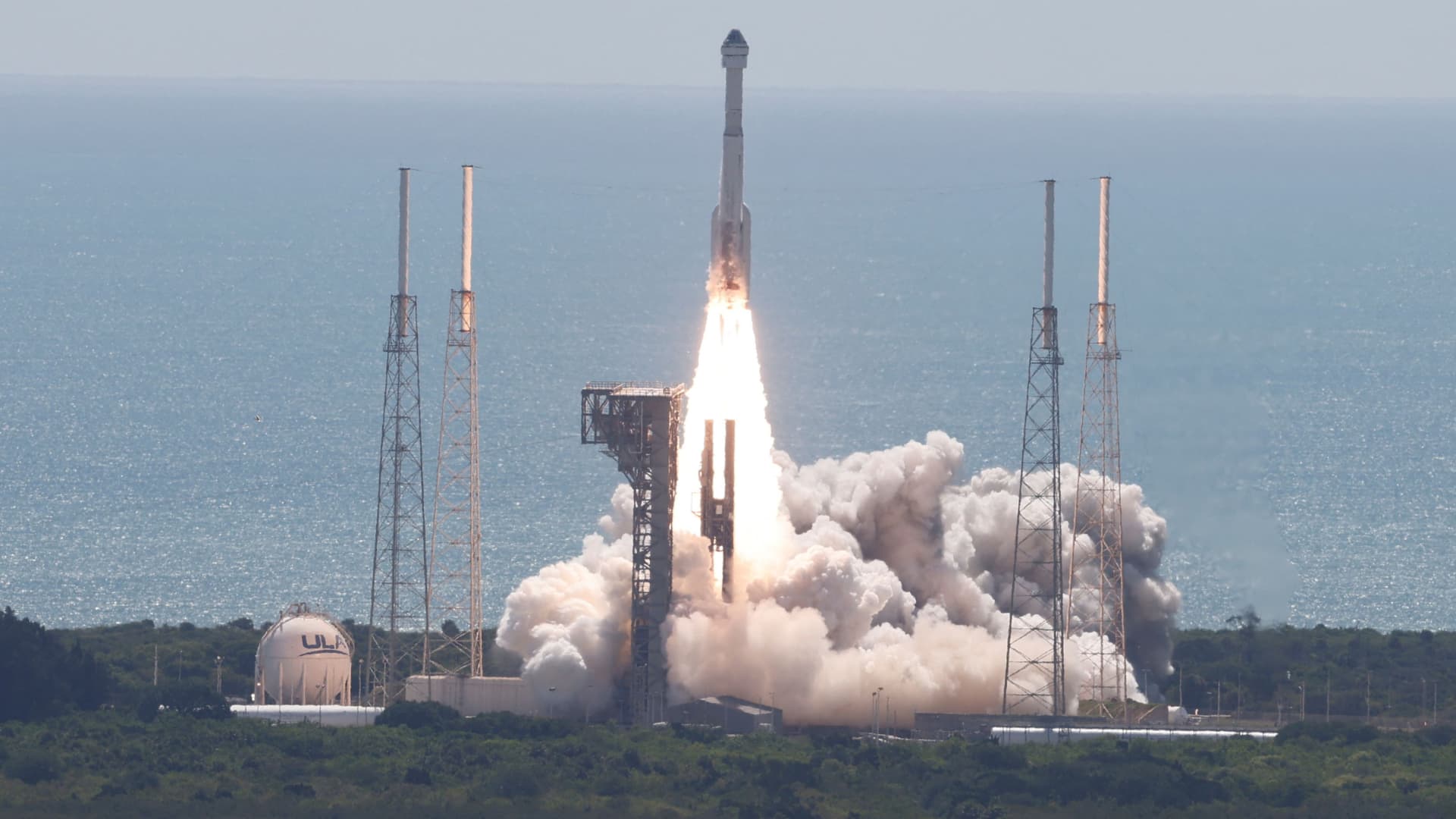
Saronic Raises $1.75 Billion to Scale Autonomous Ship Production

- Significant Funding: Autonomous ship maker Saronic has successfully raised $1.75 billion, more than doubling its valuation to $9.25 billion from $4 billion after a $600 million raise last year, indicating strong market demand for its innovative defense technologies.
- Production Capacity Expansion: Saronic plans to build over 20 ships annually by 2027, utilizing the funding to scale its supply chain and construct the new Port Alpha shipyard in Texas, aimed at meeting the increasing demands of the U.S. military.
- Global Challenge Response: The U.S. government is leaning on innovative defense technologies like Saronic's to counter low-cost drone threats from Iran and to modernize its military, ensuring maritime supremacy in competition with China.
- Historic Production Goals: CEO Dino Mavrookas stated that Saronic aims to help the U.S. achieve production levels not seen since World War II by reconfiguring vessel designs for autonomy, thereby reducing risks to military forces in dangerous environments.

Nvidia: A New Opportunity for Value Investors


- Significant Revenue Growth: Nvidia achieved a record revenue of $215 billion in the latest fiscal year, with quarterly revenue consistently growing at double and triple-digit rates, demonstrating strong demand and profitability in the AI chip market, with gross margins exceeding 70% indicating high sales profitability.
- Valuation Decline: Despite strong earnings, Nvidia's valuation has sharply declined due to market uncertainties, now approaching levels typical of value stocks, presenting a potential buying opportunity for long-term investors, especially as its stock price has fallen to $165.18.
- Future Growth Expectations: Analysts forecast a 72% increase in Nvidia's annual revenue for the current fiscal year, making the stock appear undervalued at present levels, with investments from clients like Meta and Amazon further supporting this growth outlook, indicating sustained demand for its AI products.
- Combination of Value and Growth: While Nvidia is currently viewed as a value stock, it remains a growth stock, likely to return to a higher valuation in the future, making it particularly appealing for value investors looking to enter at a low price point for potentially explosive growth.
Palantir Technologies Reports Impressive Financial Performance
- Significant Revenue Growth: Palantir's U.S. commercial revenue surged by 137% in the most recent quarter, significantly outpacing the 66% growth in government revenue, demonstrating its robust performance in the commercial sector and solidifying its market position.
- Profitability Improvement: The company has more than doubled its net income over the past three years, and despite generating less than $5 billion in revenue, the combination of strong profit growth and market demand has captivated many retail investors.
- Valuation Controversy: Currently trading at over 200 times earnings, Palantir's high valuation raises concerns among investors about potential growth slowdowns, which could increase investment risks despite its impressive growth potential.
- Market Capitalization: With a market cap of approximately $330 billion, Palantir remains a focal point for investors, even as its stock has declined by 23%, driven by strong growth prospects and market enthusiasm.
Palantir Reports 70% Revenue Growth in Q4 2025
- Significant Revenue Growth: Palantir Technologies reported a remarkable $1.4 billion in revenue for Q4 2025, reflecting a 70% year-over-year increase, indicating strong demand and market recognition in the data analytics sector.
- Stock Price Volatility: Despite the revenue surge, Palantir's stock has fallen 29% since peaking at $207 on November 3, 2025, primarily due to concerns over its high valuation, which reflects a cautious market sentiment regarding its future performance.
- Valuation Risks: With a market cap of $353 billion and a trailing P/E ratio of 233, Palantir's valuation significantly exceeds that of Microsoft and IBM, which trade at 23 and 22 times earnings respectively, prompting investors to be wary of potential risks associated with such high valuations.
- Defense Contracts Boost: The $10 billion contract with the U.S. Army and the Pentagon's official recognition of Palantir's Maven system underscore its increasingly vital role in defense, positioning the company for future growth opportunities.
Palantir Technologies Financial Analysis
- Significant Revenue Growth: Palantir Technologies reported a 70% year-over-year revenue increase to $1.4 billion in Q4 2025, demonstrating strong performance in the data analytics sector despite high valuation pressures.
- Stock Price Volatility: Since peaking at $207 on November 3, 2025, Palantir's stock has fallen by 29%, reflecting market concerns over its high price-to-earnings ratio, prompting investors to exercise caution.
- Defense Contract Advantage: The $10 billion contract with the U.S. Army, expected to span the next decade, is poised to significantly boost Palantir's revenue and solidify its market position in the defense sector.
- Innovative Technology Application: By leveraging ontologies and its Artificial Intelligence Platform (AIP) to enhance decision-making, Palantir maintains a unique competitive edge in data analytics and AI, despite a staggering P/E ratio of 233.
Saronic Raises $1.75 Billion to Expand Autonomous Ship Production
- Funding Milestone: Saronic has successfully raised $1.75 billion, more than doubling its valuation from $4 billion to $9.25 billion, indicating strong market demand for its autonomous vessel technology amid U.S. military modernization efforts.
- Production Expansion: The company aims to build over 20 ships annually by 2027, scaling its supply chain and establishing the new Port Alpha shipyard in Texas to meet increasing military demands and enhance U.S. naval defense capabilities.
- Intensifying Market Competition: Saronic's autonomous vessel designs are intended to mitigate military risks and assist the U.S. in regaining dominance over China, reflecting a rapid shift towards unmanned systems in modern warfare environments.
- Historic Production Goals: Mavrookas stated that the company is on track to quintuple production at its main shipyard in Franklin, Louisiana, over the next 12 months, marking production levels not seen in the U.S. since World War II and further driving innovation in defense technology.
Saronic Raises $1.75 Billion to Scale Autonomous Ship Production
- Significant Funding: Autonomous ship maker Saronic has successfully raised $1.75 billion, more than doubling its valuation to $9.25 billion from $4 billion after a $600 million raise last year, indicating strong market demand for its innovative defense technologies.
- Production Capacity Expansion: Saronic plans to build over 20 ships annually by 2027, utilizing the funding to scale its supply chain and construct the new Port Alpha shipyard in Texas, aimed at meeting the increasing demands of the U.S. military.
- Global Challenge Response: The U.S. government is leaning on innovative defense technologies like Saronic's to counter low-cost drone threats from Iran and to modernize its military, ensuring maritime supremacy in competition with China.
- Historic Production Goals: CEO Dino Mavrookas stated that Saronic aims to help the U.S. achieve production levels not seen since World War II by reconfiguring vessel designs for autonomy, thereby reducing risks to military forces in dangerous environments.
Nvidia: A New Opportunity for Value Investors
- Significant Revenue Growth: Nvidia achieved a record revenue of $215 billion in the latest fiscal year, with quarterly revenue consistently growing at double and triple-digit rates, demonstrating strong demand and profitability in the AI chip market, with gross margins exceeding 70% indicating high sales profitability.
- Valuation Decline: Despite strong earnings, Nvidia's valuation has sharply declined due to market uncertainties, now approaching levels typical of value stocks, presenting a potential buying opportunity for long-term investors, especially as its stock price has fallen to $165.18.
- Future Growth Expectations: Analysts forecast a 72% increase in Nvidia's annual revenue for the current fiscal year, making the stock appear undervalued at present levels, with investments from clients like Meta and Amazon further supporting this growth outlook, indicating sustained demand for its AI products.
- Combination of Value and Growth: While Nvidia is currently viewed as a value stock, it remains a growth stock, likely to return to a higher valuation in the future, making it particularly appealing for value investors looking to enter at a low price point for potentially explosive growth.