Opinion | Bill Gates Reevaluates Climate Crisis

Bill Gates' Change of Perspective: Bill Gates has shifted his stance on climate change, stating that the "doomsday view" is incorrect and diverts resources from effective solutions for a warming world.
Previous Advocacy vs. Current Views: Previously, Gates advocated for urgent political action against climate change, emphasizing the catastrophic effects of inaction in his 2021 book, "How to Avoid a Climate Disaster."
Upcoming COP30 Climate Conclave: Ahead of the COP30 climate conference in Brazil, Gates presents a new perspective, asserting that while rising temperatures are a serious issue, they will not lead to the end of civilization.
Critique of Climate Alarmism: Gates' new message challenges climate alarmists who promote a narrative of total emergency to secure funding and influence over economic policies.
Trade with 70% Backtested Accuracy
Analyst Views on MSFT

About MSFT
About the author


Microsoft's AI Business Pullback Triggers Investor Panic

- Market Share Challenges: Microsoft's AI-powered Copilot chatbot holds only a 3% global market share, with around 6% in North America, but the minuscule fraction of paying users indicates difficulties in market penetration, potentially impacting future revenue growth.
- Cloud Growth Slowdown: Revenue growth for Microsoft's Azure has decreased from 39% in September to 38%, with expectations for further deceleration in the current quarter, a trend that lags behind competitors like Alphabet, raising investor concerns about future performance.
- Capital Expenditure Pressure: Microsoft plans to invest $120 billion in AI infrastructure this fiscal year; despite strong demand, the failure to meet return expectations has led to an overreaction in the market, resulting in a 35% stock price decline.
- Long-Term Potential Remains: Despite facing short-term challenges, Microsoft remains a key global technology player, with its Windows operating system installed on two-thirds of desktop computers worldwide, and analysts' target price of $587.77 suggests over 60% upside potential.

Microsoft to Invest Over $1B in Thailand's Cloud and AI Infrastructure
- Investment Initiative: Microsoft plans to invest over $1 billion in Thailand between 2026 and 2028, focusing on cloud and AI infrastructure to enhance the country's global competitiveness and economic prosperity.
- Workforce Upskilling: In partnership with Thailand's Ministry of Labour's Department of Skill Development, Microsoft aims to accelerate workforce readiness by upskilling and certifying 150,000 workers, preparing them for the rapidly evolving AI economy.
- Educational Programs: The launch of Microsoft Elevate for Educators and Microsoft Elevate for Changemakers in Thailand is designed to strengthen the education, workforce, and social impact systems, enabling more individuals to learn, work, and thrive in the AI-driven economy.
- National Strategy: This investment is central to Microsoft's initiative, “Advancing National Growth, Prosperity, and Global Competitiveness with AI,” which seeks to provide inclusive access to cloud and AI technologies for citizens across all sectors of the economy.

OpenAI Closes Record Funding Round at $852 Billion Valuation

- Record Funding Size: OpenAI announced the closure of a $122 billion funding round, increasing from the $110 billion commitment disclosed in February, reflecting strong investor confidence in its future growth and solidifying its leadership in the AI sector.
- User Base Expansion: As of March, ChatGPT supports over 900 million weekly active users, with more than 50 million being paid subscribers, indicating widespread market acceptance and commercial potential, driving continued growth for the company.
- Significant Revenue Growth: OpenAI generates $2 billion in monthly revenue, with total revenue reaching $13.1 billion last year; although still unprofitable, this robust revenue stream lays the groundwork for future profitability, especially in light of a potential IPO.
- Strategic Investor Support: Strategic investors like Amazon, Nvidia, and SoftBank have committed $50 billion, $30 billion, and $30 billion respectively, demonstrating market trust in OpenAI's long-term prospects while providing ample funding for future expansion.
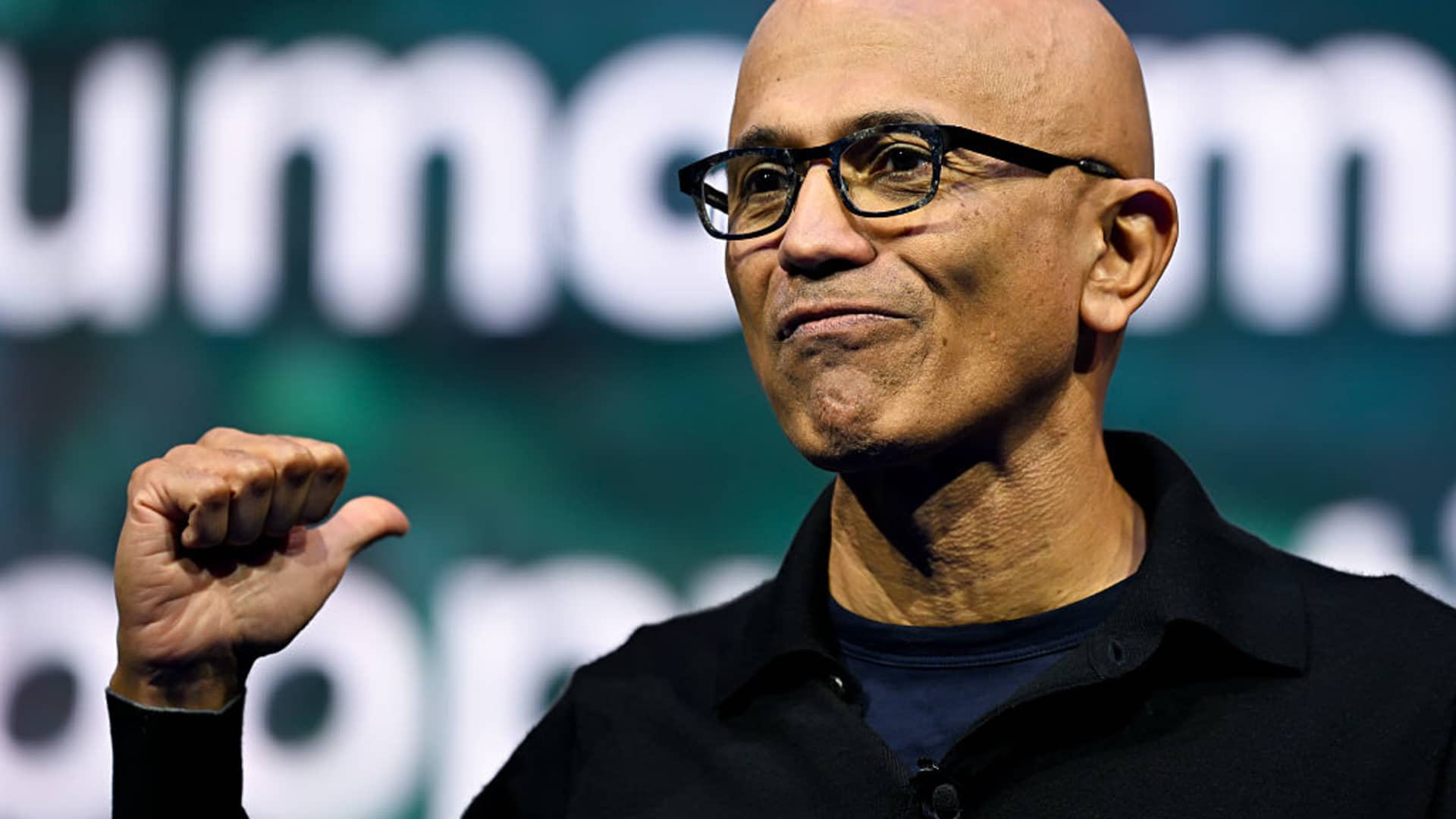
Microsoft Faces AI Growth Pressure as Stock Plummets


- Stock Plunge: Microsoft experienced a 23% drop in stock price during Q1, marking its worst quarterly performance since the 2008 financial crisis, significantly outpacing the Nasdaq's 7% decline, indicating investor concerns over its AI growth prospects that could impact future financing capabilities.
- AI Assistant Challenges: Microsoft's Copilot AI assistant has seen low user adoption, with only 3% of commercial Office customers holding licenses, forcing the company to allocate Azure cloud resources for improvements to maintain market share amid fierce competition.
- Executive Shake-up: Microsoft reassigned Copilot development head Mustafa Suleyman and appointed former Snap executive Jacob Andreou to lead the Copilot experience for consumers and commercial clients, raising market concerns about the company's strategic direction and potentially affecting team morale.
- Cloud Business Growth: Despite challenges, Microsoft's Azure cloud service achieved a 39% revenue growth in the December quarter, with commercial remaining performance obligations exceeding $625 billion, reflecting strong demand in the cloud infrastructure market that may support the company's future.

Nvidia Partners with Marvell to Strengthen AI Market Position


- Strategic Partnership: Nvidia's collaboration with Marvell Technology aims to integrate Marvell's custom AI chips with Nvidia's AI computing ecosystem, which is expected to enhance Nvidia's market share in the custom AI chip sector, further solidifying its leadership in AI computing.
- Investment Strategy: Nvidia's $2 billion investment for a 2.5% stake in Marvell not only provides financial support for Marvell's future growth but also allows Nvidia to benefit from any potential Marvell deals, thereby increasing its competitiveness in the AI data center market.
- Technological Interconnectivity: By extending its NVLink technology to Marvell's custom processors, Nvidia is expected to improve product compatibility, attracting more enterprises to invest in AI data centers and expanding its total addressable market.
- Market Reaction: Following the announcement of the partnership, Nvidia's stock surged by 5.6%, indicating a positive market response to the collaboration, and despite a challenging overall market environment, this move could provide new momentum for Nvidia's future earnings growth.

Microsoft Faces Challenges as Stock Plummets 23% in Q1
- Disappointing Quarterly Performance: Microsoft experienced a staggering 23% drop in stock value during Q1 2023, marking its steepest decline since the 2008 financial crisis, reflecting investor concerns over its AI prospects and resulting in significant market capitalization loss.
- Concerns Over AI ROI: While Microsoft remains a leader in cloud computing and productivity software, its AI assistant Copilot has only achieved a 3% adoption rate among commercial Office customers, failing to meet market expectations and potentially hindering future revenue growth.
- Executive Shake-Up Impact: The recent reassignment of Copilot development head Mustafa Suleyman raises concerns about leadership effectiveness, especially as the new team faces intense competition from rivals like Google and OpenAI, which could affect the company's strategic direction.
- Strong Cloud Business Growth: Despite challenges, Microsoft's Azure cloud service reported a 39% revenue increase in the December quarter, with commercial remaining performance obligations exceeding $625 billion, indicating strong potential and demand in the AI sector.
Microsoft's AI Business Pullback Triggers Investor Panic
- Market Share Challenges: Microsoft's AI-powered Copilot chatbot holds only a 3% global market share, with around 6% in North America, but the minuscule fraction of paying users indicates difficulties in market penetration, potentially impacting future revenue growth.
- Cloud Growth Slowdown: Revenue growth for Microsoft's Azure has decreased from 39% in September to 38%, with expectations for further deceleration in the current quarter, a trend that lags behind competitors like Alphabet, raising investor concerns about future performance.
- Capital Expenditure Pressure: Microsoft plans to invest $120 billion in AI infrastructure this fiscal year; despite strong demand, the failure to meet return expectations has led to an overreaction in the market, resulting in a 35% stock price decline.
- Long-Term Potential Remains: Despite facing short-term challenges, Microsoft remains a key global technology player, with its Windows operating system installed on two-thirds of desktop computers worldwide, and analysts' target price of $587.77 suggests over 60% upside potential.
Microsoft to Invest Over $1B in Thailand's Cloud and AI Infrastructure
- Investment Initiative: Microsoft plans to invest over $1 billion in Thailand between 2026 and 2028, focusing on cloud and AI infrastructure to enhance the country's global competitiveness and economic prosperity.
- Workforce Upskilling: In partnership with Thailand's Ministry of Labour's Department of Skill Development, Microsoft aims to accelerate workforce readiness by upskilling and certifying 150,000 workers, preparing them for the rapidly evolving AI economy.
- Educational Programs: The launch of Microsoft Elevate for Educators and Microsoft Elevate for Changemakers in Thailand is designed to strengthen the education, workforce, and social impact systems, enabling more individuals to learn, work, and thrive in the AI-driven economy.
- National Strategy: This investment is central to Microsoft's initiative, “Advancing National Growth, Prosperity, and Global Competitiveness with AI,” which seeks to provide inclusive access to cloud and AI technologies for citizens across all sectors of the economy.
OpenAI Closes Record Funding Round at $852 Billion Valuation
- Record Funding Size: OpenAI announced the closure of a $122 billion funding round, increasing from the $110 billion commitment disclosed in February, reflecting strong investor confidence in its future growth and solidifying its leadership in the AI sector.
- User Base Expansion: As of March, ChatGPT supports over 900 million weekly active users, with more than 50 million being paid subscribers, indicating widespread market acceptance and commercial potential, driving continued growth for the company.
- Significant Revenue Growth: OpenAI generates $2 billion in monthly revenue, with total revenue reaching $13.1 billion last year; although still unprofitable, this robust revenue stream lays the groundwork for future profitability, especially in light of a potential IPO.
- Strategic Investor Support: Strategic investors like Amazon, Nvidia, and SoftBank have committed $50 billion, $30 billion, and $30 billion respectively, demonstrating market trust in OpenAI's long-term prospects while providing ample funding for future expansion.
Microsoft Faces AI Growth Pressure as Stock Plummets
- Stock Plunge: Microsoft experienced a 23% drop in stock price during Q1, marking its worst quarterly performance since the 2008 financial crisis, significantly outpacing the Nasdaq's 7% decline, indicating investor concerns over its AI growth prospects that could impact future financing capabilities.
- AI Assistant Challenges: Microsoft's Copilot AI assistant has seen low user adoption, with only 3% of commercial Office customers holding licenses, forcing the company to allocate Azure cloud resources for improvements to maintain market share amid fierce competition.
- Executive Shake-up: Microsoft reassigned Copilot development head Mustafa Suleyman and appointed former Snap executive Jacob Andreou to lead the Copilot experience for consumers and commercial clients, raising market concerns about the company's strategic direction and potentially affecting team morale.
- Cloud Business Growth: Despite challenges, Microsoft's Azure cloud service achieved a 39% revenue growth in the December quarter, with commercial remaining performance obligations exceeding $625 billion, reflecting strong demand in the cloud infrastructure market that may support the company's future.
Nvidia Partners with Marvell to Strengthen AI Market Position
- Strategic Partnership: Nvidia's collaboration with Marvell Technology aims to integrate Marvell's custom AI chips with Nvidia's AI computing ecosystem, which is expected to enhance Nvidia's market share in the custom AI chip sector, further solidifying its leadership in AI computing.
- Investment Strategy: Nvidia's $2 billion investment for a 2.5% stake in Marvell not only provides financial support for Marvell's future growth but also allows Nvidia to benefit from any potential Marvell deals, thereby increasing its competitiveness in the AI data center market.
- Technological Interconnectivity: By extending its NVLink technology to Marvell's custom processors, Nvidia is expected to improve product compatibility, attracting more enterprises to invest in AI data centers and expanding its total addressable market.
- Market Reaction: Following the announcement of the partnership, Nvidia's stock surged by 5.6%, indicating a positive market response to the collaboration, and despite a challenging overall market environment, this move could provide new momentum for Nvidia's future earnings growth.
Microsoft Faces Challenges as Stock Plummets 23% in Q1
- Disappointing Quarterly Performance: Microsoft experienced a staggering 23% drop in stock value during Q1 2023, marking its steepest decline since the 2008 financial crisis, reflecting investor concerns over its AI prospects and resulting in significant market capitalization loss.
- Concerns Over AI ROI: While Microsoft remains a leader in cloud computing and productivity software, its AI assistant Copilot has only achieved a 3% adoption rate among commercial Office customers, failing to meet market expectations and potentially hindering future revenue growth.
- Executive Shake-Up Impact: The recent reassignment of Copilot development head Mustafa Suleyman raises concerns about leadership effectiveness, especially as the new team faces intense competition from rivals like Google and OpenAI, which could affect the company's strategic direction.
- Strong Cloud Business Growth: Despite challenges, Microsoft's Azure cloud service reported a 39% revenue increase in the December quarter, with commercial remaining performance obligations exceeding $625 billion, indicating strong potential and demand in the AI sector.