Oil Prices Drop Over 5% Amid U.S.-Iran Negotiations
Written by Emily J. Thompson, Senior Investment Analyst
Updated: 5 days ago
0mins


Source: CNBC
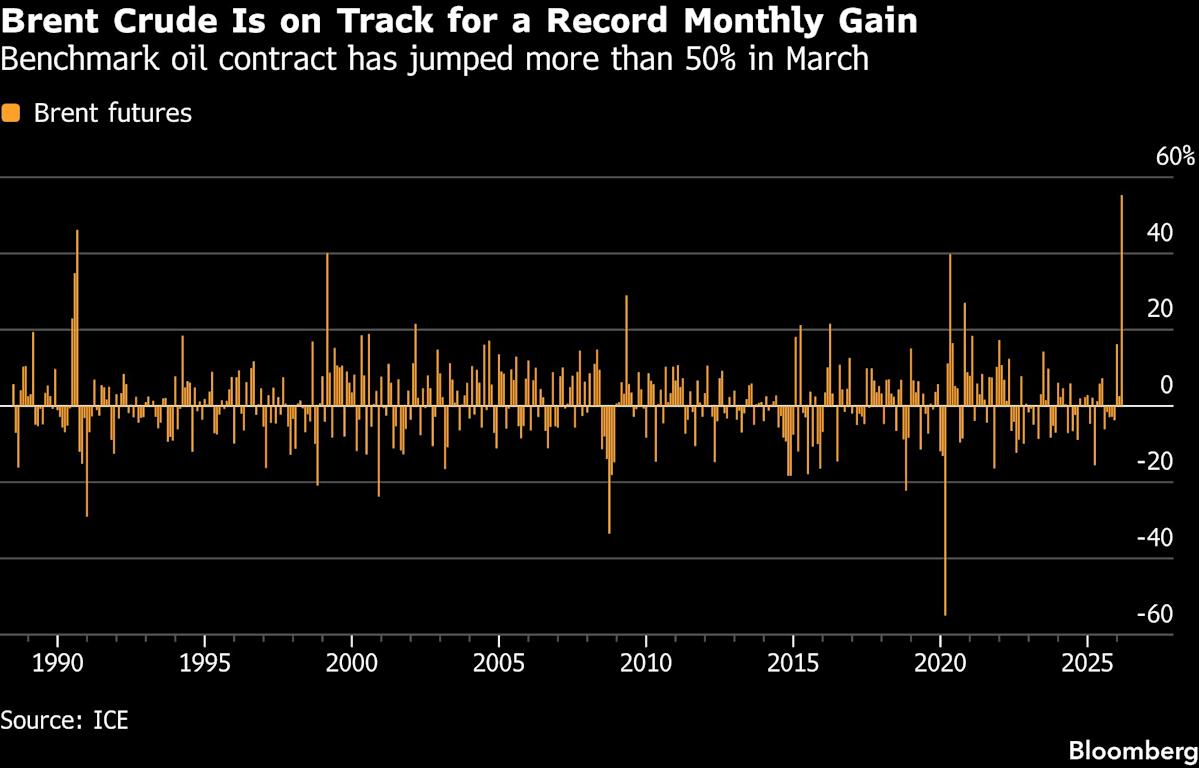
- Significant Oil Price Drop: Oil prices fell over 5% after President Trump announced ongoing negotiations with Iran, with Brent crude futures declining nearly 6% to $98.31 per barrel and WTI down 5% to $87.65, reflecting market sensitivity to geopolitical risks.
- Negotiation Dynamics Shift: Trump indicated he had retracted threats to strike Iranian energy infrastructure based on negotiation progress, which could alter market expectations for future oil prices, despite Iran denying direct talks with the U.S.
- Supply Disruption Impact: Goldman Sachs highlighted that the current disruption in oil supplies represents the largest shock in decades, significantly affecting global supply shares and increasing market uncertainty, prompting investors to hedge against potential worst-case scenarios.
- Geopolitical Risk Premium: According to Goldman, short-term crude price movements are driven more by shifts in perceived worst-case probabilities rather than changes in the fundamental outlook, with expectations that flows through the Strait of Hormuz will normalize over a four-week period, further influencing oil price trends.
Trade with 70% Backtested Accuracy
Stop guessing "Should I Buy GS?" and start using high-conviction signals backed by rigorous historical data.
Sign up today to access powerful investing tools and make smarter, data-driven decisions.
Analyst Views on GS
Wall Street analysts forecast GS stock price to rise
12 Analyst Rating
5 Buy
7 Hold
0 Sell
Moderate Buy
Current: 822.640

Low
604.00
Averages
951.45
High
1100
Current: 822.640
Low
604.00
Averages
951.45
High
1100
About GS
The Goldman Sachs Group, Inc. is a global financial institution that delivers a range of financial services to a large and diversified client base that includes corporations, financial institutions, governments and individuals. Its segments include Global Banking & Markets, Asset & Wealth Management and Platform Solutions. The Global Banking & Markets segment offers a range of services, including financing, advisory services, risk distribution, and hedging for its institutional and corporate clients. It facilitates client transactions and makes markets in fixed income, equity, currency and commodity products. The Asset & Wealth Management segment manages assets and offers investment products across all asset classes to a diverse set of clients. It also provides investing and wealth advisory solutions. The Platform Solutions segment includes consumer platforms, such as partnerships offering credit cards and point-of-sale financing, and transaction banking and other platform businesses.
About the author

Emily J. Thompson
Emily J. Thompson, a Chartered Financial Analyst (CFA) with 12 years in investment research, graduated with honors from the Wharton School. Specializing in industrial and technology stocks, she provides in-depth analysis for Intellectia’s earnings and market brief reports.

Navan Shares Surge 37% After Earnings Beat, Analysts Bullish on AI Potential

- Strong Earnings Report: Navan's latest earnings revealed an adjusted profit of 2 cents per share, surpassing analysts' expectations of a 22-cent loss, with revenue reaching $177.9 million, exceeding the forecast of $162.2 million, indicating robust sales execution and rapid customer onboarding.
- Stock Surge: Following the earnings release, Navan's stock soared over 37% this week, with a 43% increase on Thursday alone, although it remains down more than 50% from its $25 IPO price last October, reflecting market optimism about its future growth potential.
- Analyst Optimism: Both Goldman Sachs and Loop Capital reiterated their bullish ratings on Navan, with Goldman setting a $23 price target, implying an 88% upside from last Friday's close, while Loop expects the stock to rise to $20, showcasing confidence in the company's future performance.
- AI-Driven Growth: Analysts highlighted that Navan's use of artificial intelligence will be a key driver of future growth, with Navan Cognition providing outcomes up to 10 times faster than competitors, and AI customer service agent Ava handling 55% of support volume, enhancing customer experience and operational efficiency.
See More
Trump's Intent to Seize Iran's Oil Market Raises Concerns

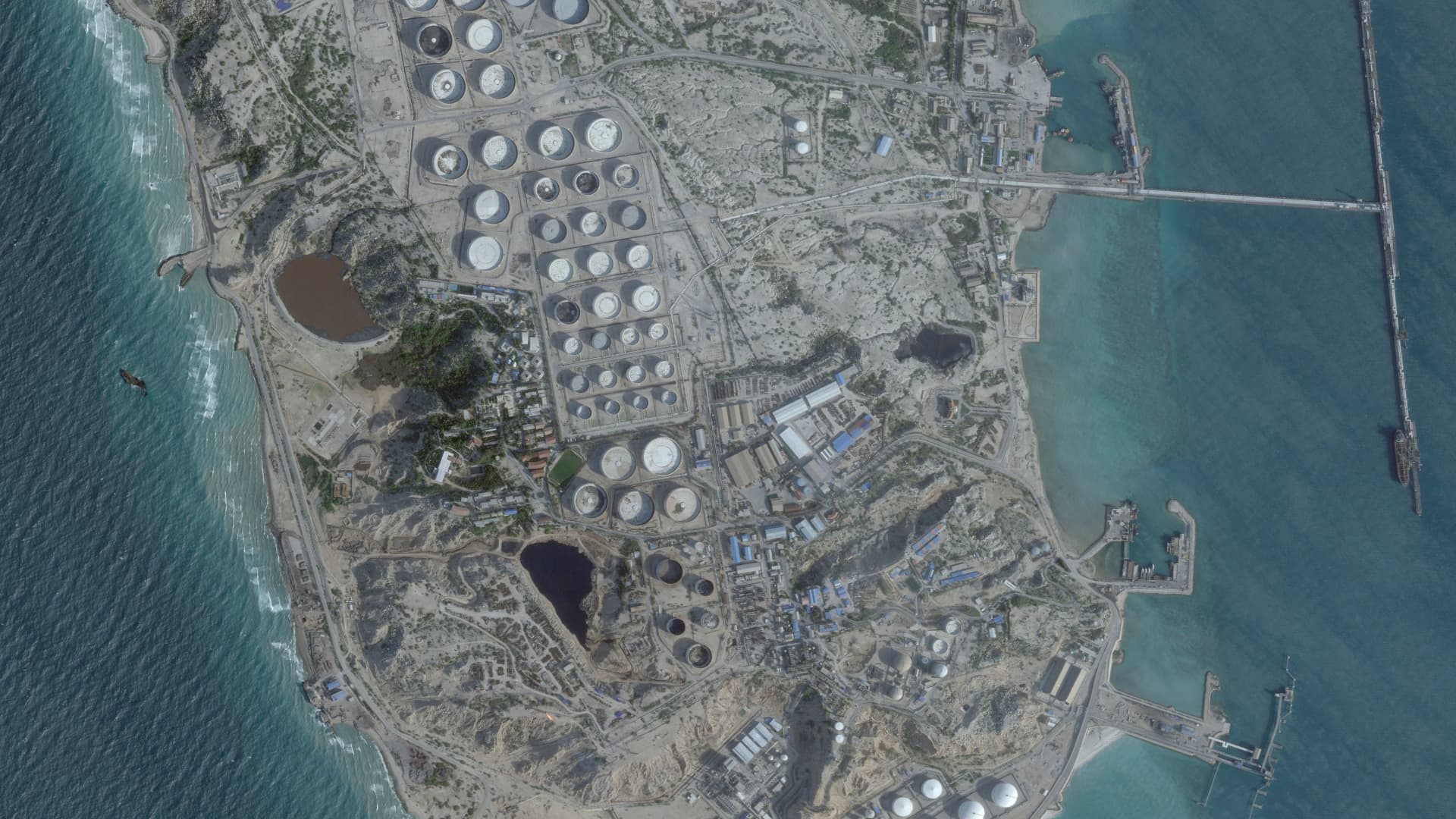
- Cautious Market Reaction: Trump's declaration of wanting to 'take Iran's oil' while suggesting a 'peace deal could be made fairly quickly' has left markets feeling uneasy, leading investors to adopt a risk-averse stance as Asia-Pacific markets fell sharply on Monday.
- Military Deployment Escalation: The Pentagon is reportedly preparing for weeks of ground operations in Iran, with thousands of American soldiers and Marines arriving in the Middle East, raising concerns about an escalation in the Iran conflict that could disrupt global supply chains and increase prices.
- Rising Oil Price Pressure: Oil prices are climbing again as the conflict intensifies, particularly after Yemen's Iran-backed Houthis fired missiles at Israel, heightening fears over energy supply disruptions that could impact the global economy.
- Shipping Route Risks: The Strait of Hormuz, a vital shipping route, is being impeded by the ongoing war, with industry leaders warning that if it does not reopen by mid-April, supply disruptions could worsen significantly, affecting operations across various sectors.
See More

Escalating Impact of Iran War on Oil Markets

- Surge in Oil Prices: U.S. crude prices have surged over 50% since late February, with Brent up more than 55%, indicating that market concerns over the Iran war are escalating and could lead to greater disruptions in global supply chains.
- Ground Operation Preparations: The Pentagon is preparing for weeks of ground operations in Iran, with thousands of American soldiers and Marines arriving in the Middle East, which could exacerbate market uncertainty and impact oil prices.
- Strait of Hormuz Risks: Industry leaders warn that the vital shipping route of the Strait of Hormuz must reopen by mid-April, or supply disruptions could worsen significantly, further driving up oil prices.
- Market Reaction Fatigue: Following reports of potential ground operations, U.S. equity futures fell on Sunday evening, and Asia-Pacific markets also declined at Monday's open, reflecting investor fatigue over the conflict's headlines and concerns about the future.
See More

Moody's AI Model Indicates 49% Recession Probability

- Rising Recession Probability: Moody's AI model indicates a 49% probability of a U.S. recession, with historical data showing that once it crosses 50%, a recession typically follows within a year, highlighting a concerning economic outlook given that this data was collected before the Iran war.
- Weak Labor Market: The latest jobs report reveals a loss of 92,000 jobs, significantly below economists' expectations of a gain of 59,000, with the unemployment rate ticking up to 4.4%, indicating a downward trend that reflects economic slowdown.
- GDP Revision: U.S. GDP growth has been revised down from 1.4% to 0.7%, showcasing a lack of economic momentum, and coupled with inflation remaining above the Federal Reserve's 2% target, this adds to market uncertainty.
- Impact of Energy Prices: The Iran war has disrupted 20% of the world's crude oil supply, pushing prices to nearly $120 per barrel, and historically, every U.S. recession has been preceded by spikes in energy prices, suggesting that unless the situation resolves quickly, recession probabilities may rise further.
See More

U.S. Recession Probability Rises to 49% Amid Economic Concerns
- Recession Probability: Moody's AI-driven model indicates a 49% probability of a U.S. recession, based on 80 years of historical data showing that every time the odds exceed 50%, a recession typically follows within a year, signaling significant market risks ahead.
- Weak Labor Market: The latest jobs report reveals a loss of 92,000 jobs, starkly contrasting with economists' expectations of a gain of 59,000, while the unemployment rate has ticked up to 4.4%, indicating economic slowdown that could dampen consumer confidence and spending.
- GDP Downgrade: Recent GDP growth has been revised down from 1.4% to 0.7%, reflecting sluggish economic performance, and coupled with inflation remaining above the Federal Reserve's 2% target, this raises concerns about the economic outlook, potentially leading to investor caution.
- Oil Price Impact: The Iran war has disrupted 20% of global crude oil supply, pushing prices close to $120 per barrel, which could elevate recession odds further; historical data shows that every recession since World War II has been preceded by spikes in fuel prices, increasing market uncertainty.
See More
Bank of America Highlights Four Tech Stocks with Strong Growth Potential

- PicPay Growth Potential: Bank of America rates Brazilian fintech PicPay as a Buy, highlighting its approximately 43 million active users and the potential for revenue growth through new verticals, suggesting investors should buy the dip despite a 39% drop in March.
- Microsoft as an AI Beneficiary: Analysts at Bank of America reaffirm a Buy rating for Microsoft, projecting sustained mid-double-digit growth over the next three years driven by the adoption of Azure cloud infrastructure and Office 365, even as the stock has fallen 30% in the past six months.
- Payoneer Market Opportunity: Bank of America initiates a Buy rating on Payoneer, noting its significant growth potential in the ~$6 trillion B2B market, with shares up 11% over the past month, indicating strong cash generation capabilities.
- Meta Platforms New Services: While the delay of Meta's Avocado launch is disappointing, Bank of America believes the company is developing other AI-driven consumer services expected to launch this year, which could positively impact the stock price.
See More
Navan Shares Surge 37% After Earnings Beat, Analysts Bullish on AI Potential
- Strong Earnings Report: Navan's latest earnings revealed an adjusted profit of 2 cents per share, surpassing analysts' expectations of a 22-cent loss, with revenue reaching $177.9 million, exceeding the forecast of $162.2 million, indicating robust sales execution and rapid customer onboarding.
- Stock Surge: Following the earnings release, Navan's stock soared over 37% this week, with a 43% increase on Thursday alone, although it remains down more than 50% from its $25 IPO price last October, reflecting market optimism about its future growth potential.
- Analyst Optimism: Both Goldman Sachs and Loop Capital reiterated their bullish ratings on Navan, with Goldman setting a $23 price target, implying an 88% upside from last Friday's close, while Loop expects the stock to rise to $20, showcasing confidence in the company's future performance.
- AI-Driven Growth: Analysts highlighted that Navan's use of artificial intelligence will be a key driver of future growth, with Navan Cognition providing outcomes up to 10 times faster than competitors, and AI customer service agent Ava handling 55% of support volume, enhancing customer experience and operational efficiency.
See More
Trump's Intent to Seize Iran's Oil Market Raises Concerns
- Cautious Market Reaction: Trump's declaration of wanting to 'take Iran's oil' while suggesting a 'peace deal could be made fairly quickly' has left markets feeling uneasy, leading investors to adopt a risk-averse stance as Asia-Pacific markets fell sharply on Monday.
- Military Deployment Escalation: The Pentagon is reportedly preparing for weeks of ground operations in Iran, with thousands of American soldiers and Marines arriving in the Middle East, raising concerns about an escalation in the Iran conflict that could disrupt global supply chains and increase prices.
- Rising Oil Price Pressure: Oil prices are climbing again as the conflict intensifies, particularly after Yemen's Iran-backed Houthis fired missiles at Israel, heightening fears over energy supply disruptions that could impact the global economy.
- Shipping Route Risks: The Strait of Hormuz, a vital shipping route, is being impeded by the ongoing war, with industry leaders warning that if it does not reopen by mid-April, supply disruptions could worsen significantly, affecting operations across various sectors.
See More
Escalating Impact of Iran War on Oil Markets
- Surge in Oil Prices: U.S. crude prices have surged over 50% since late February, with Brent up more than 55%, indicating that market concerns over the Iran war are escalating and could lead to greater disruptions in global supply chains.
- Ground Operation Preparations: The Pentagon is preparing for weeks of ground operations in Iran, with thousands of American soldiers and Marines arriving in the Middle East, which could exacerbate market uncertainty and impact oil prices.
- Strait of Hormuz Risks: Industry leaders warn that the vital shipping route of the Strait of Hormuz must reopen by mid-April, or supply disruptions could worsen significantly, further driving up oil prices.
- Market Reaction Fatigue: Following reports of potential ground operations, U.S. equity futures fell on Sunday evening, and Asia-Pacific markets also declined at Monday's open, reflecting investor fatigue over the conflict's headlines and concerns about the future.
See More
Moody's AI Model Indicates 49% Recession Probability
- Rising Recession Probability: Moody's AI model indicates a 49% probability of a U.S. recession, with historical data showing that once it crosses 50%, a recession typically follows within a year, highlighting a concerning economic outlook given that this data was collected before the Iran war.
- Weak Labor Market: The latest jobs report reveals a loss of 92,000 jobs, significantly below economists' expectations of a gain of 59,000, with the unemployment rate ticking up to 4.4%, indicating a downward trend that reflects economic slowdown.
- GDP Revision: U.S. GDP growth has been revised down from 1.4% to 0.7%, showcasing a lack of economic momentum, and coupled with inflation remaining above the Federal Reserve's 2% target, this adds to market uncertainty.
- Impact of Energy Prices: The Iran war has disrupted 20% of the world's crude oil supply, pushing prices to nearly $120 per barrel, and historically, every U.S. recession has been preceded by spikes in energy prices, suggesting that unless the situation resolves quickly, recession probabilities may rise further.
See More
U.S. Recession Probability Rises to 49% Amid Economic Concerns
- Recession Probability: Moody's AI-driven model indicates a 49% probability of a U.S. recession, based on 80 years of historical data showing that every time the odds exceed 50%, a recession typically follows within a year, signaling significant market risks ahead.
- Weak Labor Market: The latest jobs report reveals a loss of 92,000 jobs, starkly contrasting with economists' expectations of a gain of 59,000, while the unemployment rate has ticked up to 4.4%, indicating economic slowdown that could dampen consumer confidence and spending.
- GDP Downgrade: Recent GDP growth has been revised down from 1.4% to 0.7%, reflecting sluggish economic performance, and coupled with inflation remaining above the Federal Reserve's 2% target, this raises concerns about the economic outlook, potentially leading to investor caution.
- Oil Price Impact: The Iran war has disrupted 20% of global crude oil supply, pushing prices close to $120 per barrel, which could elevate recession odds further; historical data shows that every recession since World War II has been preceded by spikes in fuel prices, increasing market uncertainty.
See More
Bank of America Highlights Four Tech Stocks with Strong Growth Potential
- PicPay Growth Potential: Bank of America rates Brazilian fintech PicPay as a Buy, highlighting its approximately 43 million active users and the potential for revenue growth through new verticals, suggesting investors should buy the dip despite a 39% drop in March.
- Microsoft as an AI Beneficiary: Analysts at Bank of America reaffirm a Buy rating for Microsoft, projecting sustained mid-double-digit growth over the next three years driven by the adoption of Azure cloud infrastructure and Office 365, even as the stock has fallen 30% in the past six months.
- Payoneer Market Opportunity: Bank of America initiates a Buy rating on Payoneer, noting its significant growth potential in the ~$6 trillion B2B market, with shares up 11% over the past month, indicating strong cash generation capabilities.
- Meta Platforms New Services: While the delay of Meta's Avocado launch is disappointing, Bank of America believes the company is developing other AI-driven consumer services expected to launch this year, which could positively impact the stock price.
See More