Oil Prices Could Remain High: 4 Key Insights from the Middle East Energy Crisis


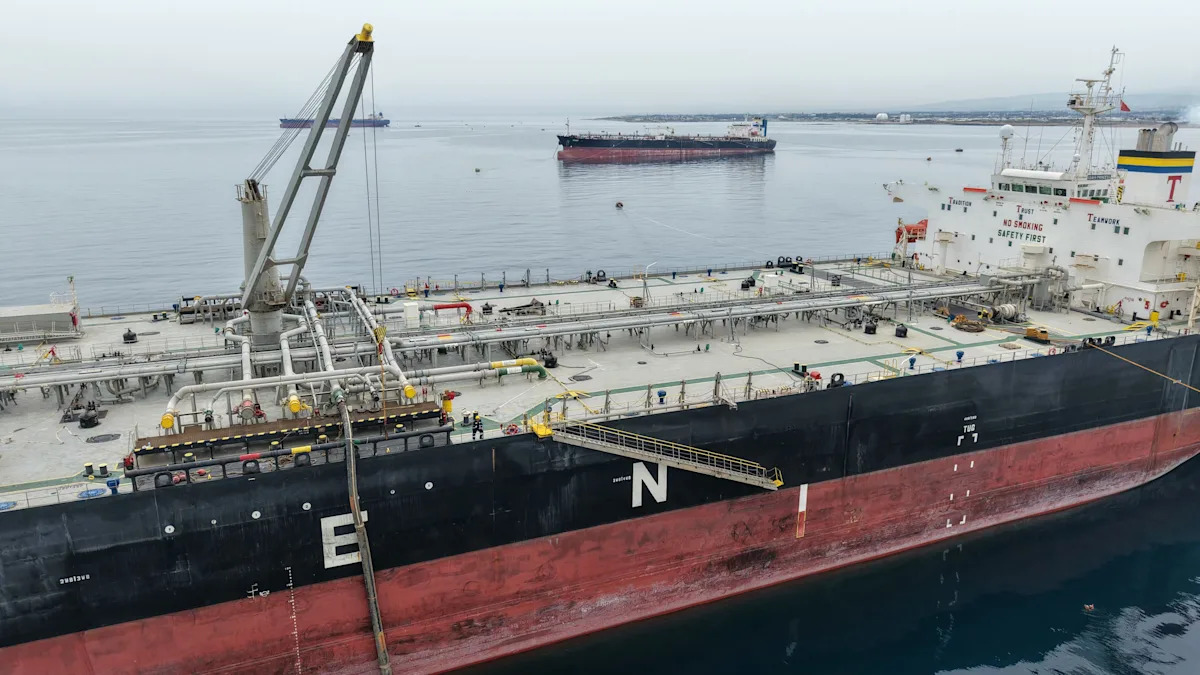
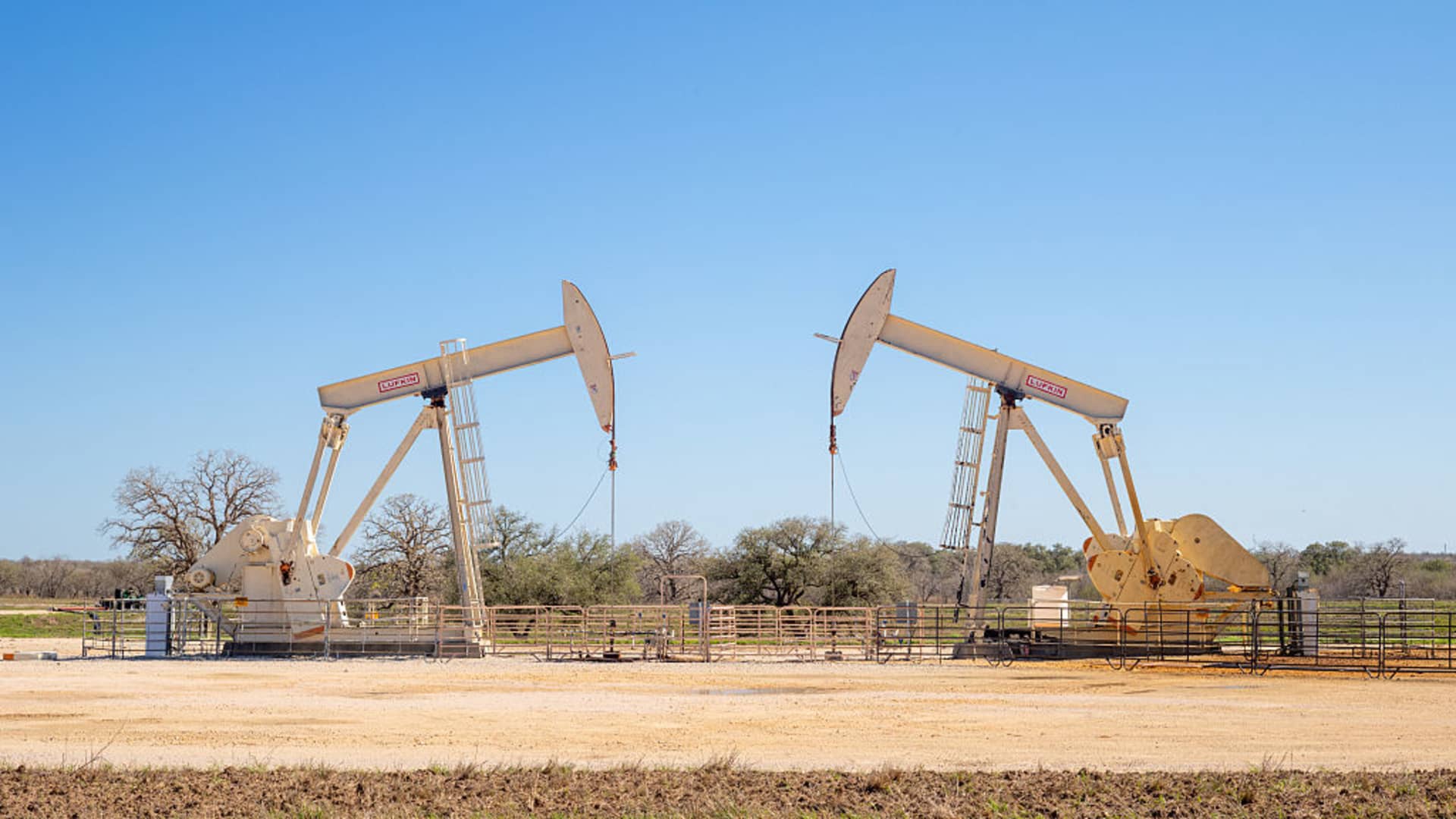
Oil Price Volatility: Oil prices have surged past $100 due to ongoing conflict in the Middle East, with analysts predicting potential further increases if production continues to be curtailed. However, prolonged conflict could harm global economic demand, leading to a possible oversupply situation.
U.S. Shale Producers: U.S. oil producers are positioned favorably as prices remain high, particularly small- and mid-cap companies that are seeing attractive free cash flow. The market has not fully priced in the potential for sustained higher oil prices, creating investment opportunities.
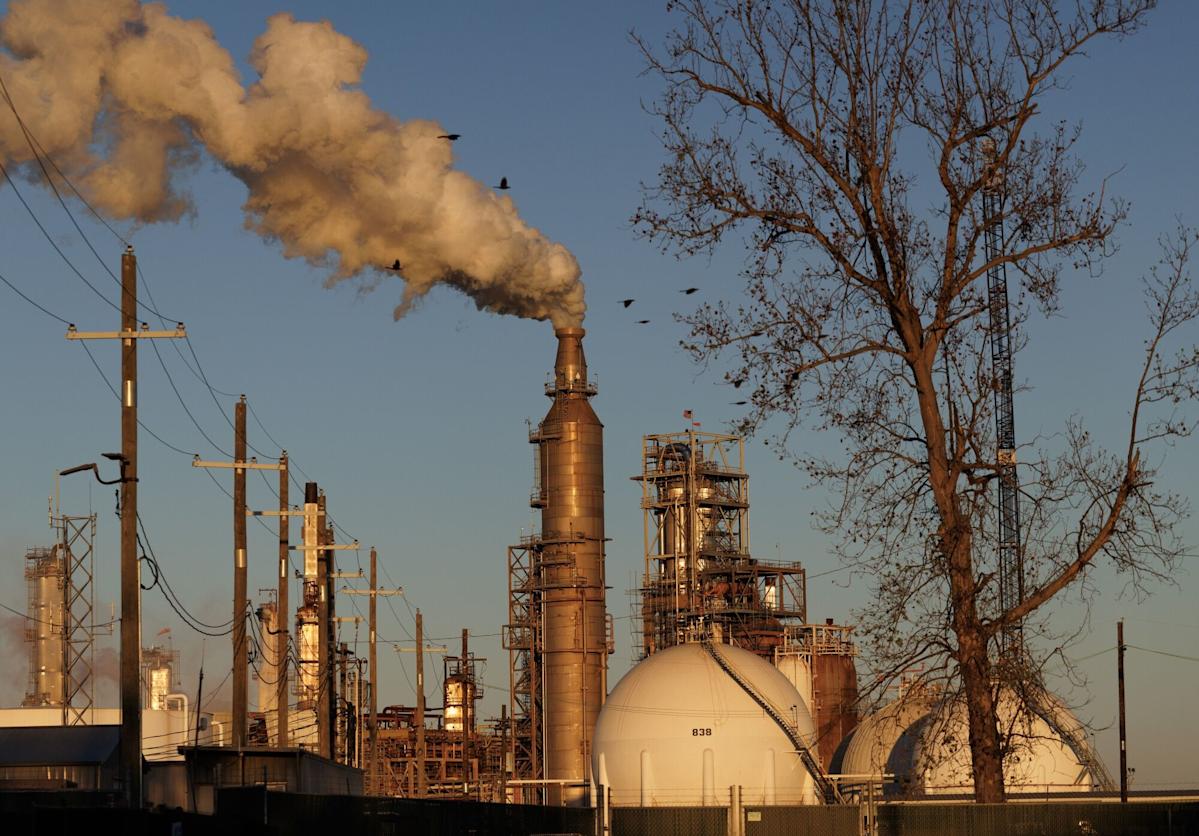
Refining Sector Dynamics: U.S. refiners are benefiting from high international gas prices and reduced competition, leading to significant stock price increases. However, refining margins may decline once supply chains stabilize, suggesting a potential sell-off in refiner stocks.
LNG and Petrochemical Gains: American LNG producers are experiencing a surge in demand due to global supply constraints, while U.S. petrochemical companies are benefiting from rising costs of competing producers. This situation is expected to provide a margin boost for U.S. firms in the long term.
Trade with 70% Backtested Accuracy
Analyst Views on MPC

About MPC
About the author


Iran: No Agreement Reached for Next Round of Talks with the United States


Iran's Stance on Talks: Iran has not agreed to hold the next round of talks with the United States, as reported by Tasnim News Agency.
Trump's Expectations: Former U.S. President Trump mentioned that U.S.-Iran negotiation representatives may meet this weekend, anticipating a final agreement to end the war.
Timeline for Agreement: Trump expressed confidence that an agreement could be reached within one or two days.
Context of Negotiations: The discussions are part of ongoing efforts to resolve tensions between the U.S. and Iran.

US Stocks Surge as Oil Prices Plunge Amid Peace Talks


- Market Rally: The S&P 500 rose 1.20% and the Nasdaq 100 increased by 1.29%, reaching all-time highs, reflecting investor optimism regarding US-Iran peace talks, which may enhance risk appetite in the markets.
- Oil Price Plunge: WTI crude prices fell over 11% to a five-week low after Iran announced the Strait of Hormuz is fully open, easing inflation concerns and causing the 10-year T-note yield to drop 7 basis points to 4.24%.
- Strong Earnings Season: The earnings season started robustly, with 81% of the 48 S&P 500 companies reporting Q1 earnings exceeding estimates, projecting a 12% year-over-year increase in earnings, providing strong support for the stock market.
- Airline Stocks Surge: Airline stocks surged as fuel costs decreased, with Alaska Air Group (ALK) rising over 10% and Royal Caribbean Cruises Ltd (RCL) up more than 7%, indicating market confidence in the recovery of the airline industry.
US Stocks Rally as Oil Prices Plunge Amid Peace Talks
- Market Surge: The S&P 500 rose by 1.28% and the Nasdaq 100 reached an all-time high, reflecting investor optimism driven by peace talks between the US and Iran, which may enhance risk appetite and bolster overall market confidence.
- Oil Price Plunge: WTI crude oil prices fell over 13% to a five-week low after the Strait of Hormuz reopened, easing inflation concerns and causing the 10-year Treasury yield to drop by 8 basis points, further supporting the bond market.
- Earnings Growth Expectations: Q1 earnings for the S&P 500 are projected to increase by 12% year-over-year, although excluding the tech sector, growth is only 3%, indicating resilience in corporate performance amid economic recovery and providing market support.
- Airline Stocks Soar: With reduced fuel costs, Alaska Air Group and United Airlines surged by over 14% and 11%, respectively, demonstrating the positive impact of falling oil prices on the airline industry, which could enhance profitability for related companies.

US Stocks Rise as Oil Prices Plunge
- Market Highs: The S&P 500 rose by 0.87% and the Nasdaq 100 reached an all-time high, reflecting growing investor optimism regarding a potential US-Iran peace deal, which may enhance risk appetite and further boost stock market momentum.
- Oil Price Plunge: WTI crude prices fell over 10% after Iran announced the Strait of Hormuz is now fully open for commercial shipping, easing inflation concerns and contributing to a 6 basis point drop in the 10-year Treasury yield, which invigorates the bond market.
- Earnings Optimism: Q1 earnings for the S&P 500 are projected to increase by 12% year-over-year, although excluding the tech sector, growth is only expected at 3%, yet this overall positive outlook may attract more investor interest and bolster market confidence.
- Airline Stocks Surge: With reduced fuel costs, United Airlines (UAL) shares surged over 10%, while other airlines like Royal Caribbean (RCL) and Alaska Air (ALK) also saw significant gains, indicating strong market confidence in the recovery of the airline industry.

Energy Stocks Surge: Focus on Midstream Companies

- Midstream Company Advantage: With the volatility of oil and gas prices, investors should focus on midstream companies like MPLX and Oneok, which generate stable profits by charging transportation fees, thus avoiding the risks associated with upstream and downstream price fluctuations.
- MPLX Performance: MPLX operates over 10,000 miles of pipelines with a market cap of $57 billion and a current stock price of $55.68, having raised its dividend for 12 consecutive years; its projected distributable cash flow is expected to rise from $4.3 billion to $5.8 billion by 2025, indicating strong dividend capacity.
- Oneok Growth Potential: Oneok operates more than 60,000 miles of pipelines with a market cap of $54 billion and a current stock price of $85.19; its adjusted EBITDA is projected to surge from $2.72 billion to $8.02 billion by 2025, with a forecasted 10% CAGR in earnings per share over the next three years.
- Investment Appeal: In the current market environment, the high yields and stable cash flows of MPLX and Oneok make them ideal choices for conservative income investors, especially against the backdrop of skyrocketing energy demand.
Middle East Conflict Threatens Global Economy
- Escalating Middle East Tensions: The war initiated by the U.S. and Israel against Iran has spread throughout the Middle East, threatening global economic stability, particularly impacting Lebanon and Gulf energy exporters.
- Strait of Hormuz Closure: Despite a fragile two-week ceasefire between the U.S. and Iran, traffic through the Strait of Hormuz remains largely restricted, affecting global energy supply and contributing to rising oil prices.
- Oil Price Fluctuations: As of 8:41 p.m. ET, West Texas Intermediate (WTI) rose by 0.69% to $98.55 per barrel, while Brent crude increased by 0.91% to $95.92 per barrel, reflecting market sensitivity to the Middle East situation.
- Japan's Oil Reserve Release Plan: Japan plans to release 20 days' worth of oil reserves starting in May, with current reserves sufficient for 230 days, aiming to alleviate energy supply pressures caused by the Middle East conflict.
Iran: No Agreement Reached for Next Round of Talks with the United States
Iran's Stance on Talks: Iran has not agreed to hold the next round of talks with the United States, as reported by Tasnim News Agency.
Trump's Expectations: Former U.S. President Trump mentioned that U.S.-Iran negotiation representatives may meet this weekend, anticipating a final agreement to end the war.
Timeline for Agreement: Trump expressed confidence that an agreement could be reached within one or two days.
Context of Negotiations: The discussions are part of ongoing efforts to resolve tensions between the U.S. and Iran.
US Stocks Surge as Oil Prices Plunge Amid Peace Talks
- Market Rally: The S&P 500 rose 1.20% and the Nasdaq 100 increased by 1.29%, reaching all-time highs, reflecting investor optimism regarding US-Iran peace talks, which may enhance risk appetite in the markets.
- Oil Price Plunge: WTI crude prices fell over 11% to a five-week low after Iran announced the Strait of Hormuz is fully open, easing inflation concerns and causing the 10-year T-note yield to drop 7 basis points to 4.24%.
- Strong Earnings Season: The earnings season started robustly, with 81% of the 48 S&P 500 companies reporting Q1 earnings exceeding estimates, projecting a 12% year-over-year increase in earnings, providing strong support for the stock market.
- Airline Stocks Surge: Airline stocks surged as fuel costs decreased, with Alaska Air Group (ALK) rising over 10% and Royal Caribbean Cruises Ltd (RCL) up more than 7%, indicating market confidence in the recovery of the airline industry.
US Stocks Rally as Oil Prices Plunge Amid Peace Talks
- Market Surge: The S&P 500 rose by 1.28% and the Nasdaq 100 reached an all-time high, reflecting investor optimism driven by peace talks between the US and Iran, which may enhance risk appetite and bolster overall market confidence.
- Oil Price Plunge: WTI crude oil prices fell over 13% to a five-week low after the Strait of Hormuz reopened, easing inflation concerns and causing the 10-year Treasury yield to drop by 8 basis points, further supporting the bond market.
- Earnings Growth Expectations: Q1 earnings for the S&P 500 are projected to increase by 12% year-over-year, although excluding the tech sector, growth is only 3%, indicating resilience in corporate performance amid economic recovery and providing market support.
- Airline Stocks Soar: With reduced fuel costs, Alaska Air Group and United Airlines surged by over 14% and 11%, respectively, demonstrating the positive impact of falling oil prices on the airline industry, which could enhance profitability for related companies.
US Stocks Rise as Oil Prices Plunge
- Market Highs: The S&P 500 rose by 0.87% and the Nasdaq 100 reached an all-time high, reflecting growing investor optimism regarding a potential US-Iran peace deal, which may enhance risk appetite and further boost stock market momentum.
- Oil Price Plunge: WTI crude prices fell over 10% after Iran announced the Strait of Hormuz is now fully open for commercial shipping, easing inflation concerns and contributing to a 6 basis point drop in the 10-year Treasury yield, which invigorates the bond market.
- Earnings Optimism: Q1 earnings for the S&P 500 are projected to increase by 12% year-over-year, although excluding the tech sector, growth is only expected at 3%, yet this overall positive outlook may attract more investor interest and bolster market confidence.
- Airline Stocks Surge: With reduced fuel costs, United Airlines (UAL) shares surged over 10%, while other airlines like Royal Caribbean (RCL) and Alaska Air (ALK) also saw significant gains, indicating strong market confidence in the recovery of the airline industry.
Energy Stocks Surge: Focus on Midstream Companies
- Midstream Company Advantage: With the volatility of oil and gas prices, investors should focus on midstream companies like MPLX and Oneok, which generate stable profits by charging transportation fees, thus avoiding the risks associated with upstream and downstream price fluctuations.
- MPLX Performance: MPLX operates over 10,000 miles of pipelines with a market cap of $57 billion and a current stock price of $55.68, having raised its dividend for 12 consecutive years; its projected distributable cash flow is expected to rise from $4.3 billion to $5.8 billion by 2025, indicating strong dividend capacity.
- Oneok Growth Potential: Oneok operates more than 60,000 miles of pipelines with a market cap of $54 billion and a current stock price of $85.19; its adjusted EBITDA is projected to surge from $2.72 billion to $8.02 billion by 2025, with a forecasted 10% CAGR in earnings per share over the next three years.
- Investment Appeal: In the current market environment, the high yields and stable cash flows of MPLX and Oneok make them ideal choices for conservative income investors, especially against the backdrop of skyrocketing energy demand.
Middle East Conflict Threatens Global Economy
- Escalating Middle East Tensions: The war initiated by the U.S. and Israel against Iran has spread throughout the Middle East, threatening global economic stability, particularly impacting Lebanon and Gulf energy exporters.
- Strait of Hormuz Closure: Despite a fragile two-week ceasefire between the U.S. and Iran, traffic through the Strait of Hormuz remains largely restricted, affecting global energy supply and contributing to rising oil prices.
- Oil Price Fluctuations: As of 8:41 p.m. ET, West Texas Intermediate (WTI) rose by 0.69% to $98.55 per barrel, while Brent crude increased by 0.91% to $95.92 per barrel, reflecting market sensitivity to the Middle East situation.
- Japan's Oil Reserve Release Plan: Japan plans to release 20 days' worth of oil reserves starting in May, with current reserves sufficient for 230 days, aiming to alleviate energy supply pressures caused by the Middle East conflict.