Occidental Petroleum Shares Surge 22.5% Amid Oil Price Spike
Written by Emily J. Thompson, Senior Investment Analyst
Updated: Apr 07 2026
0mins

Should l Buy OXY?
Source: Fool
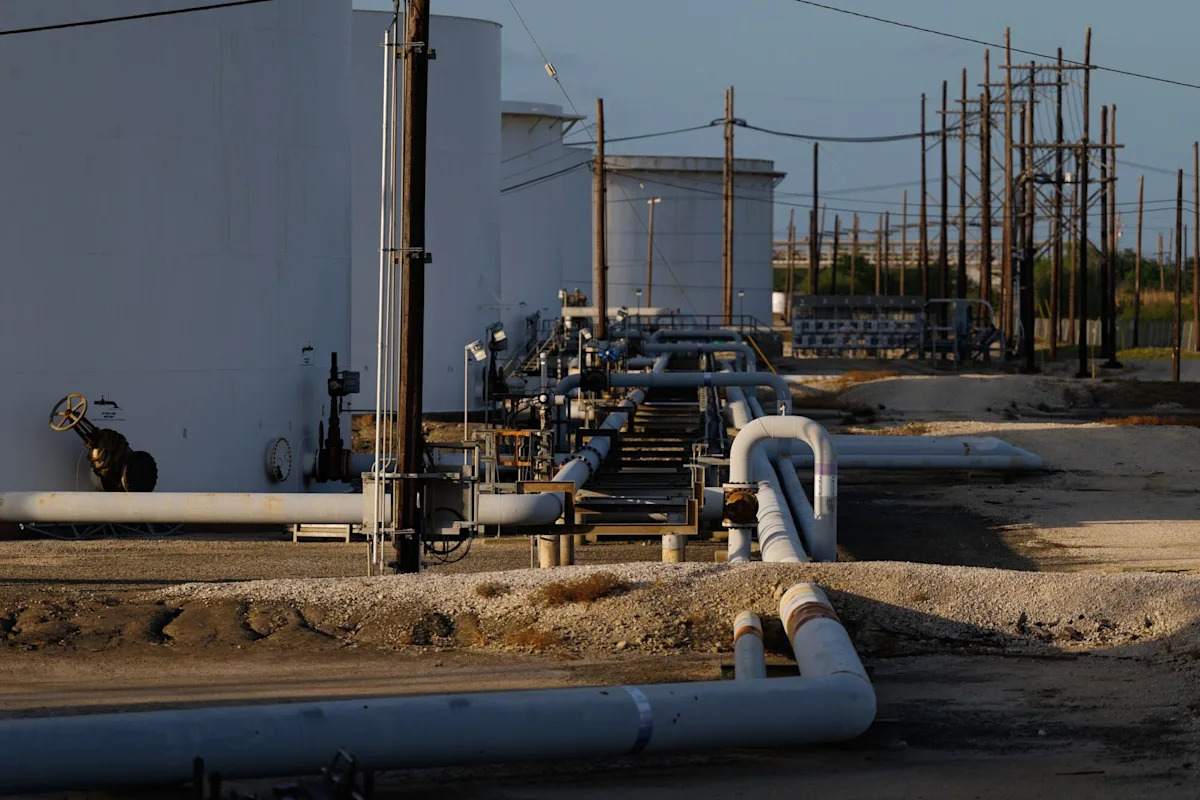
- Oil Price Surge Impact: Occidental Petroleum (OXY) benefited significantly from a more than 50% spike in oil prices in March due to the Iran war, resulting in a 22.5% increase in its stock price, indicating enhanced profitability in a high oil price environment.
- Capital Expenditure Adjustment: Occidental reduced its capital spending in the Permian Basin from $3.9 billion to $3.1 billion while maintaining output, and this focus on efficiency has driven optimism about future capital returns and debt repayment capabilities.
- Debt Repayment Potential: After acquiring Anadarko Petroleum in 2019, Occidental took on $20.4 billion in debt, but through the sale of its chemicals business and rising oil prices, it could repay a significant portion of this debt if prices remain above $100, thereby improving its financial health.
- Positive Market Outlook: Analyst upgrades reflect confidence in Occidental's profitability and cash flow improvement in a high oil price environment, suggesting that the current stock price may be undervalued if elevated oil prices persist.
Trade with 70% Backtested Accuracy
Stop guessing "Should I Buy OXY?" and start using high-conviction signals backed by rigorous historical data.
Sign up today to access powerful investing tools and make smarter, data-driven decisions.
Analyst Views on OXY
Wall Street analysts forecast OXY stock price to fall
16 Analyst Rating
4 Buy
9 Hold
3 Sell
Hold
Current: 56.330

Low
38.00
Averages
47.27
High
64.00
Current: 56.330
Low
38.00
Averages
47.27
High
64.00
About OXY
Occidental Petroleum Corporation is an international energy company with assets primarily in the United States, the Middle East and North Africa. The Company is an oil and gas producer in the United States, including a producer in the Permian and DJ basins, and the offshore Gulf of Mexico. Its segments include oil and gas, and midstream and marketing. The oil and gas segment explores for, develops, and produces oil (which includes condensate), natural gas liquids (NGL) and natural gas. The Company's midstream and marketing segment purchases, markets, gathers, processes, transports, and stores oil (which includes condensate), NGL, natural gas, carbon dioxide (CO2) and power. The midstream and marketing segment provides flow assurance and maximizes the value of its oil and gas. It also optimizes its transportation and storage capacity and invests in entities that conduct similar activities. This segment also includes low-carbon venture businesses.
About the author

Emily J. Thompson
Emily J. Thompson, a Chartered Financial Analyst (CFA) with 12 years in investment research, graduated with honors from the Wharton School. Specializing in industrial and technology stocks, she provides in-depth analysis for Intellectia’s earnings and market brief reports.

Buffett's Final Investment: Occidental Petroleum's Surge
- Significant Investment Returns: Buffett's investment in Occidental Petroleum, initiated in 2019, now represents about 5% of Berkshire's portfolio, highlighting the company's success and growth potential in the energy market.
- Record Production: Occidental achieved a new annual production high of 1.434 million barrels per day in 2025, exceeding management's guidance and demonstrating strong production capabilities amid rising global oil prices.
- Cash Flow Growth: In 2025, Occidental's operating cash flow increased by 27% year-over-year, with free cash flow reaching $4.3 billion, indicating a significant improvement in profitability and financial health in a high oil price environment.
- Dividend Increase: The company announced an 8% increase in its quarterly dividend, reflecting management's confidence in future cash flows and profitability, while also attracting more investor interest in its stock.
See More

Occidental Petroleum Stock Surge Driven by Oil Prices and Debt Reduction

- Stock Surge Reasons: Occidental Petroleum (Oxy) has seen its stock rise approximately 38% this year, with a 22% increase in March, primarily driven by a 76% surge in WTI crude oil prices to about $100 per barrel, exceeding its breakeven price of around $60, thereby boosting market confidence.
- Debt Reduction Measures: In January, Oxy sold its chemical business, OxyChem, to its major investor Berkshire Hathaway for $9.7 billion, using $5.8 billion of the proceeds to reduce its debt to approximately $15 billion, significantly improving its financial position.
- Future Growth Expectations: Analysts forecast a 23% increase in Oxy's revenue and a 164% rise in EPS for 2026, which would end its three-year streak of declining revenues and earnings, assuming the Middle East conflict continues and oil prices remain high.
- Market Competition Analysis: Although Oxy's P/E ratio stands at 13 times, lower than Chevron and ExxonMobil's 16 and 14 times respectively, its lower dividend yield of 1.9% poses higher risks if oil prices decline, leading investors to prefer more stable large oil companies.
See More

Occidental Petroleum Reports Strong Q4 Results with Record Production
- Strong Cash Flow: Occidental Petroleum's operating cash flow increased by 27% year-over-year in 2025, reaching $11.6 billion, demonstrating significant profitability in a high oil price environment and boosting investor confidence.
- Record Production: The company averaged 1.481 million barrels of oil equivalent per day in Q4, surpassing management's guidance midpoint, marking robust growth in oil and gas production and further solidifying its market position.
- Debt Reduction: By selling its OxyChem business for $9.7 billion in cash, Occidental reduced its debt to $15 billion, showcasing its strategic shift towards a focused energy portfolio and improving financial health.
- Dividend Increase: The company announced an 8% increase in its quarterly dividend, reflecting management's confidence in future cash flows while attracting more income-seeking investors.
See More

Trump Extends Iran Ceasefire Deadline Amid Market Uncertainty


- Ceasefire Extension: President Trump has extended the Iran ceasefire deadline by two weeks, a move that may exacerbate uncertainty in the Middle East conflict as Tehran shows reluctance to engage in diplomatic efforts, potentially impacting global market sentiment.
- Tariff Policy Impact: Trump expressed hope that U.S. companies that have not sought refunds for his tariffs will adhere to a 'no take back' policy, despite the Supreme Court ruling the tariffs illegal; major firms like Apple and Amazon have yet to file for refunds, which could affect their future financial performance.
- Market Reaction: Following Trump's announcement of the ceasefire extension, U.S. stock index futures rose, despite a lower close on Tuesday, while crude oil prices increased, indicating market sensitivity to developments in the Middle East.
- Aviation Industry Outlook: United Airlines has slashed its 2026 earnings outlook due to supply chain issues stemming from the Middle East conflict, reflecting the direct impact of soaring fuel prices on the airline industry and potentially leading to broader industry adjustments.
See More
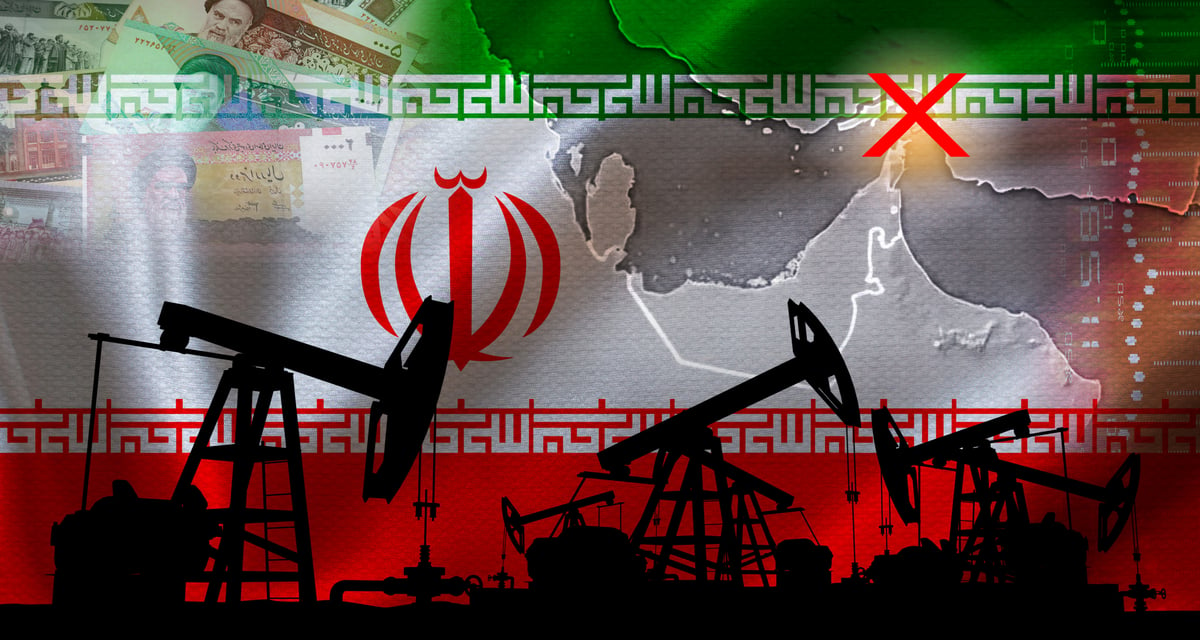
U.S.-Iran Ceasefire Ends, Oil Prices Face Upsurge Risk

- Rising Oil Prices: Concerns over the potential collapse of U.S.-Iran peace talks have driven Brent crude prices from below $95 to nearly $100, while WTI rose from the high $80s to low $90s, indicating market anxiety; should war resume, oil prices are expected to surge significantly.
- Strait of Hormuz Impact: The resumption of conflict would prolong the closure of the Strait of Hormuz, affecting 20% of global oil and LNG supplies; although emergency stockpiles and bypass pipelines provide some relief, a long-term closure would severely disrupt the market.
- Energy Infrastructure Risks: Iran is likely to retaliate against energy infrastructure in the Persian Gulf, having already damaged 17% of Qatar's LNG capacity; if war resumes, further damage to critical oil export terminals and pipelines could exacerbate supply chain vulnerabilities.
- Oil Companies' Profit Outlook: While rising oil prices will benefit companies like ConocoPhillips and Occidental Petroleum in the short term, security risks in the Middle East may limit their ability to fully capitalize on these higher prices, necessitating close monitoring of their operational conditions and market dynamics.
See More

Analysis of Investment Value in Financial Companies

- Berkshire Hathaway's Cash Flow Advantage: Berkshire Hathaway generated $19.8 billion from its insurance operations last year, accounting for nearly 30% of total profits, and its cash reserve of $373 billion provides flexibility for acquisitions and stock buybacks, highlighting its strong potential for diversified investments.
- American Express's Brand Competitiveness: American Express operates a closed-loop payment network, processing payments while holding credit card loans and collecting interest, attracting a high-income customer base that enhances stability during economic fluctuations, with over 65% of new customers coming from millennials and Gen Z.
- Progressive's Profitability: As one of the largest auto insurers in the U.S., Progressive has maintained an average combined ratio of 92% over the past 20 years, significantly below the industry average of 99%, demonstrating its accurate risk pricing ability, with a net income of $11.3 billion last year and a special dividend of $13.50 per share.
- Industry Growth Potential: As the economy grows, financial companies like Berkshire, American Express, and Progressive continue to offer attractive opportunities for long-term investors due to their strong competitive advantages and stable cash flows, making them essential components of a diversified investment portfolio.
See More
Buffett's Final Investment: Occidental Petroleum's Surge
- Significant Investment Returns: Buffett's investment in Occidental Petroleum, initiated in 2019, now represents about 5% of Berkshire's portfolio, highlighting the company's success and growth potential in the energy market.
- Record Production: Occidental achieved a new annual production high of 1.434 million barrels per day in 2025, exceeding management's guidance and demonstrating strong production capabilities amid rising global oil prices.
- Cash Flow Growth: In 2025, Occidental's operating cash flow increased by 27% year-over-year, with free cash flow reaching $4.3 billion, indicating a significant improvement in profitability and financial health in a high oil price environment.
- Dividend Increase: The company announced an 8% increase in its quarterly dividend, reflecting management's confidence in future cash flows and profitability, while also attracting more investor interest in its stock.
See More
Occidental Petroleum Stock Surge Driven by Oil Prices and Debt Reduction
- Stock Surge Reasons: Occidental Petroleum (Oxy) has seen its stock rise approximately 38% this year, with a 22% increase in March, primarily driven by a 76% surge in WTI crude oil prices to about $100 per barrel, exceeding its breakeven price of around $60, thereby boosting market confidence.
- Debt Reduction Measures: In January, Oxy sold its chemical business, OxyChem, to its major investor Berkshire Hathaway for $9.7 billion, using $5.8 billion of the proceeds to reduce its debt to approximately $15 billion, significantly improving its financial position.
- Future Growth Expectations: Analysts forecast a 23% increase in Oxy's revenue and a 164% rise in EPS for 2026, which would end its three-year streak of declining revenues and earnings, assuming the Middle East conflict continues and oil prices remain high.
- Market Competition Analysis: Although Oxy's P/E ratio stands at 13 times, lower than Chevron and ExxonMobil's 16 and 14 times respectively, its lower dividend yield of 1.9% poses higher risks if oil prices decline, leading investors to prefer more stable large oil companies.
See More
Occidental Petroleum Reports Strong Q4 Results with Record Production
- Strong Cash Flow: Occidental Petroleum's operating cash flow increased by 27% year-over-year in 2025, reaching $11.6 billion, demonstrating significant profitability in a high oil price environment and boosting investor confidence.
- Record Production: The company averaged 1.481 million barrels of oil equivalent per day in Q4, surpassing management's guidance midpoint, marking robust growth in oil and gas production and further solidifying its market position.
- Debt Reduction: By selling its OxyChem business for $9.7 billion in cash, Occidental reduced its debt to $15 billion, showcasing its strategic shift towards a focused energy portfolio and improving financial health.
- Dividend Increase: The company announced an 8% increase in its quarterly dividend, reflecting management's confidence in future cash flows while attracting more income-seeking investors.
See More
Trump Extends Iran Ceasefire Deadline Amid Market Uncertainty
- Ceasefire Extension: President Trump has extended the Iran ceasefire deadline by two weeks, a move that may exacerbate uncertainty in the Middle East conflict as Tehran shows reluctance to engage in diplomatic efforts, potentially impacting global market sentiment.
- Tariff Policy Impact: Trump expressed hope that U.S. companies that have not sought refunds for his tariffs will adhere to a 'no take back' policy, despite the Supreme Court ruling the tariffs illegal; major firms like Apple and Amazon have yet to file for refunds, which could affect their future financial performance.
- Market Reaction: Following Trump's announcement of the ceasefire extension, U.S. stock index futures rose, despite a lower close on Tuesday, while crude oil prices increased, indicating market sensitivity to developments in the Middle East.
- Aviation Industry Outlook: United Airlines has slashed its 2026 earnings outlook due to supply chain issues stemming from the Middle East conflict, reflecting the direct impact of soaring fuel prices on the airline industry and potentially leading to broader industry adjustments.
See More
U.S.-Iran Ceasefire Ends, Oil Prices Face Upsurge Risk
- Rising Oil Prices: Concerns over the potential collapse of U.S.-Iran peace talks have driven Brent crude prices from below $95 to nearly $100, while WTI rose from the high $80s to low $90s, indicating market anxiety; should war resume, oil prices are expected to surge significantly.
- Strait of Hormuz Impact: The resumption of conflict would prolong the closure of the Strait of Hormuz, affecting 20% of global oil and LNG supplies; although emergency stockpiles and bypass pipelines provide some relief, a long-term closure would severely disrupt the market.
- Energy Infrastructure Risks: Iran is likely to retaliate against energy infrastructure in the Persian Gulf, having already damaged 17% of Qatar's LNG capacity; if war resumes, further damage to critical oil export terminals and pipelines could exacerbate supply chain vulnerabilities.
- Oil Companies' Profit Outlook: While rising oil prices will benefit companies like ConocoPhillips and Occidental Petroleum in the short term, security risks in the Middle East may limit their ability to fully capitalize on these higher prices, necessitating close monitoring of their operational conditions and market dynamics.
See More
Analysis of Investment Value in Financial Companies
- Berkshire Hathaway's Cash Flow Advantage: Berkshire Hathaway generated $19.8 billion from its insurance operations last year, accounting for nearly 30% of total profits, and its cash reserve of $373 billion provides flexibility for acquisitions and stock buybacks, highlighting its strong potential for diversified investments.
- American Express's Brand Competitiveness: American Express operates a closed-loop payment network, processing payments while holding credit card loans and collecting interest, attracting a high-income customer base that enhances stability during economic fluctuations, with over 65% of new customers coming from millennials and Gen Z.
- Progressive's Profitability: As one of the largest auto insurers in the U.S., Progressive has maintained an average combined ratio of 92% over the past 20 years, significantly below the industry average of 99%, demonstrating its accurate risk pricing ability, with a net income of $11.3 billion last year and a special dividend of $13.50 per share.
- Industry Growth Potential: As the economy grows, financial companies like Berkshire, American Express, and Progressive continue to offer attractive opportunities for long-term investors due to their strong competitive advantages and stable cash flows, making them essential components of a diversified investment portfolio.
See More