Nvidia's Role in Nasdaq Recovery Amid AI Surge
Written by Emily J. Thompson, Senior Investment Analyst
Updated: 1 day ago
0mins
Should l Buy NVDA?
Source: Fool
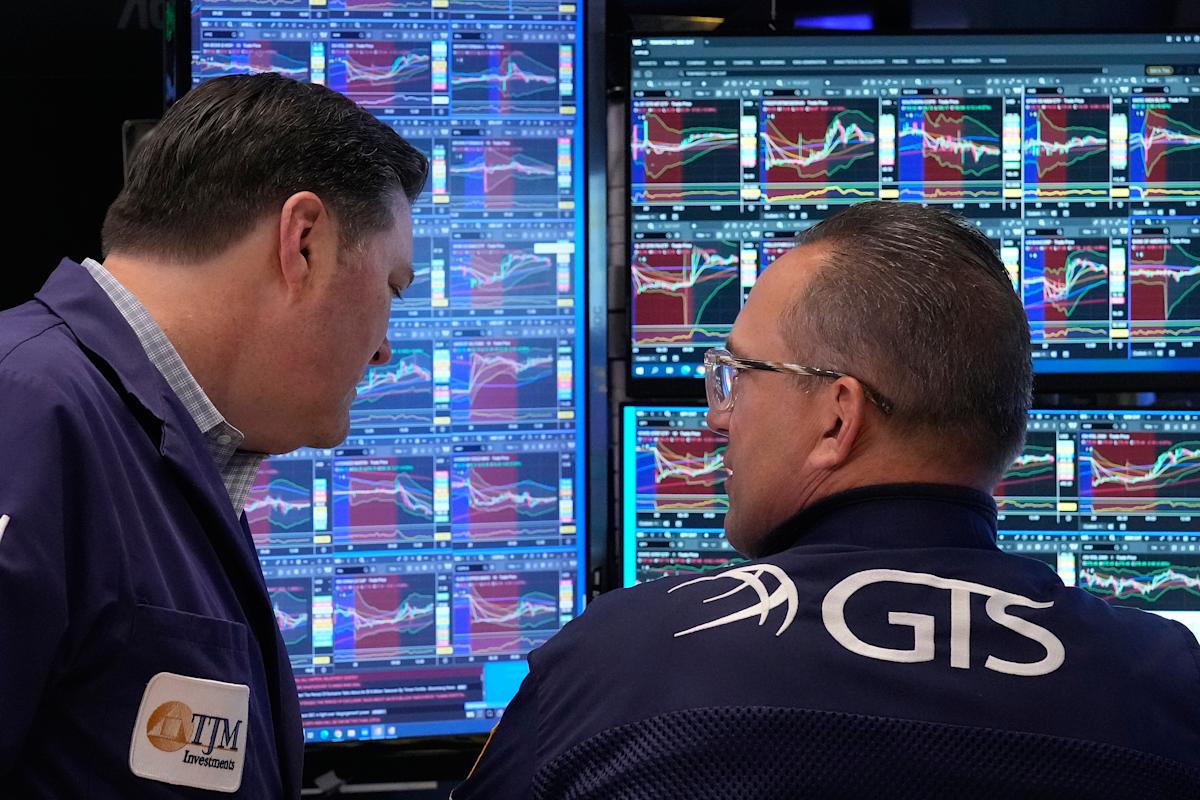
- Market Recovery Outlook: Despite a pullback in the Nasdaq index due to macroeconomic uncertainties, it is anticipated that by the second half of 2026, the Nasdaq will not only reclaim its historical highs but also sustain new records, providing significant returns for investors.
- Surge in AI Investments: Global data center construction is expected to exceed $700 billion in 2023, primarily driven by five hyperscalers, a trend that will lead to sustained demand growth for companies like Nvidia, further solidifying its market position.
- Nvidia's Market Dominance: As the largest company by market capitalization on the Nasdaq, Nvidia's leadership in AI infrastructure makes it a crucial driver of the Nasdaq index, with its GPUs becoming the industry standard for training and deploying large language models.
- Future Growth Potential: Nvidia's strong financial health and consistent free cash flow generation provide a margin of safety for its upcoming product cycles, and it is expected that as AI applications proliferate, its revenue and earnings growth will significantly outpace the broader market.
Trade with 70% Backtested Accuracy
Stop guessing "Should I Buy NVDA?" and start using high-conviction signals backed by rigorous historical data.
Sign up today to access powerful investing tools and make smarter, data-driven decisions.
Analyst Views on NVDA
Wall Street analysts forecast NVDA stock price to rise
41 Analyst Rating
39 Buy
1 Hold
1 Sell
Strong Buy
Current: 199.880

Low
200.00
Averages
264.97
High
352.00
Current: 199.880
Low
200.00
Averages
264.97
High
352.00
About NVDA
NVIDIA Corporation is an artificial intelligence (AI) infrastructure company. The Company is engaged in accelerated computing to help solve the challenging computational problems. Its segments include Compute & Networking and Graphics. The Compute & Networking segment includes its Data Center accelerated computing and networking platforms and AI solutions and software, and automotive platforms and autonomous and electric vehicle solutions, including software. The Graphics segment includes GeForce GPUs for gaming and personal computers (PCs), and Quadro/NVIDIA RTX GPUs for enterprise workstation graphics. Its technology stack includes the foundational NVIDIA CUDA development platform that runs on all NVIDIA GPUs, as well as hundreds of domain-specific software libraries, frameworks, algorithms, software development kits (SDKs), and application programming interfaces (APIs). Its platforms address four markets, which include Data Center, Gaming, Professional Visualization, and Automotive.
About the author

Emily J. Thompson
Emily J. Thompson, a Chartered Financial Analyst (CFA) with 12 years in investment research, graduated with honors from the Wharton School. Specializing in industrial and technology stocks, she provides in-depth analysis for Intellectia’s earnings and market brief reports.
SpaceX to Acquire AI Startup Cursor for $60 Billion

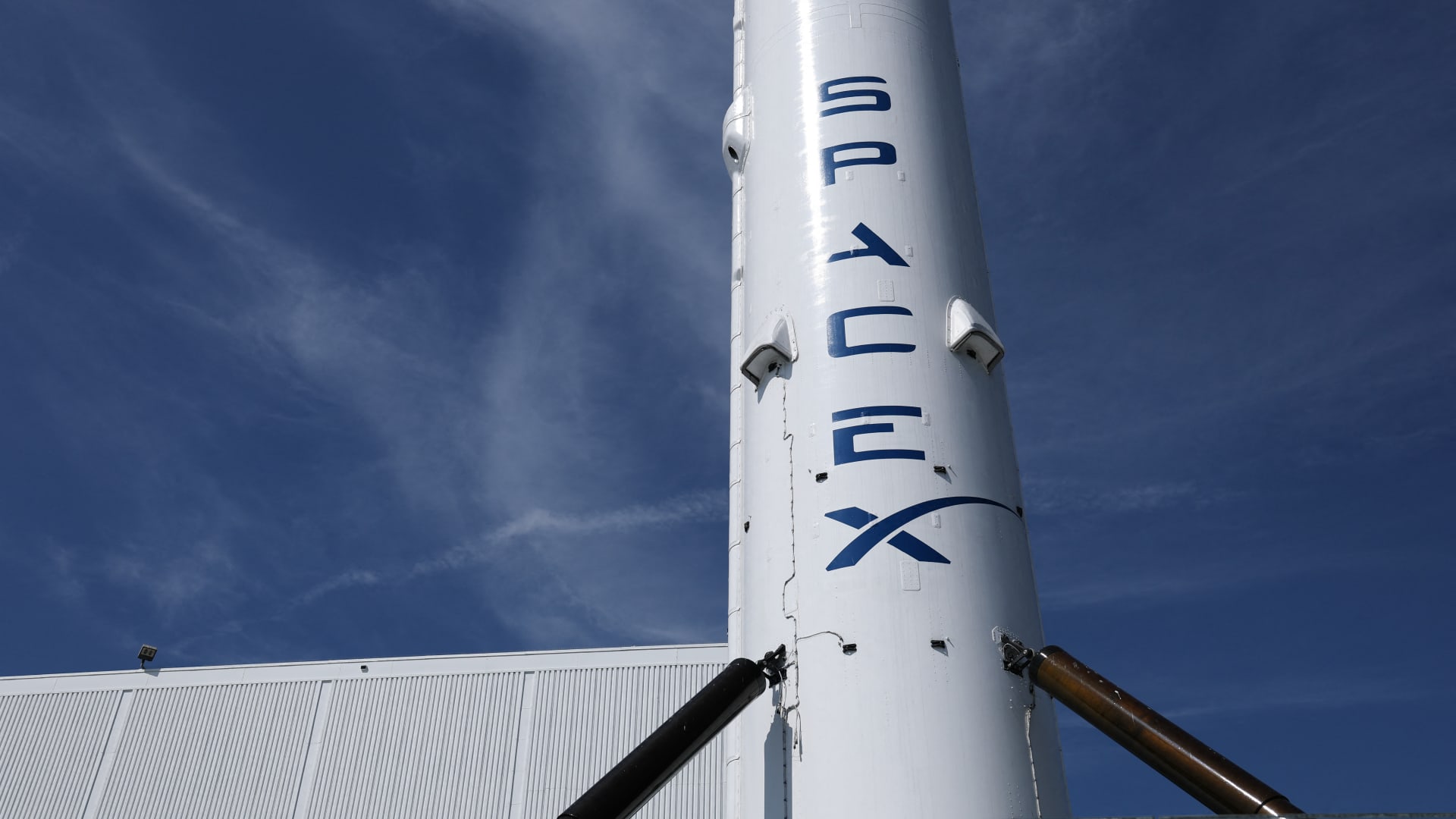
- Acquisition Agreement: SpaceX has struck a deal with AI startup Cursor to acquire the company for $60 billion or pay $10 billion for collaborative work, indicating SpaceX's strategic expansion into the AI sector.
- Funding Plans: Cursor is in talks to raise $2 billion at a valuation exceeding $50 billion, with participation from investors like Andreessen Horowitz, Nvidia, and Thrive Capital, reflecting strong market interest and investment enthusiasm in AI technologies.
- Technical Collaboration: The partnership aims to develop the world's best coding and knowledge work AI, with Cursor's CEO highlighting this as a significant step in enhancing their AI model, Composer, which could transform software development practices.
- IPO Prospects: Elon Musk plans to take SpaceX public after merging it with his AI startup xAI, which is expected to be a record-setting IPO, further solidifying his leadership position in the tech industry.
See More

Nvidia Surges Over 1200% in Five Years, Yet Not the Top Performer

- Nvidia's Incredible Returns: Over the past five years, Nvidia's stock has surged more than 1200%, approaching a market cap of $5 trillion, meaning a $10,000 investment five years ago would now be worth $130,000, highlighting its robust growth potential in the tech sector.
- Comfort Systems USA's Outstanding Performance: This company has seen its stock price soar nearly 2000% over five years, with last year's sales reaching $9.1 billion, doubling its revenue in three years, indicating strong demand for data center construction and potential for future growth.
- Vertiv Holdings' Strong Growth: Vertiv's stock has risen 1300% in the past five years, with sales totaling $10.2 billion last year, and projections suggest sales could reach $14 billion in 2026, underscoring its critical role in data center infrastructure.
- Valuation Risks Emerge: Despite the significant growth potential of Comfort Systems and Vertiv, their forward P/E ratios of 47 and 55, respectively, may limit future upside, prompting investors to carefully assess market risks before investing.
See More

Comfort Systems USA and Vertiv Show Remarkable Growth Amid Data Center Demand
- Outstanding Performance of Comfort Systems USA: Over the past five years, the company's stock has soared nearly 2,000%, meaning a $10,000 investment five years ago would now be worth over $200,000, showcasing its strong performance amid surging demand for data center construction.
- Significant Sales Growth for Vertiv: Vertiv's sales reached $10.2 billion in 2022, a substantial increase from $5.7 billion in 2021, with projections suggesting sales could hit $14 billion in 2023, indicating robust demand in the data center infrastructure sector.
- Market Valuation Comparison: Despite Vertiv's market cap of around $120 billion, its forward P/E ratio of 55 is significantly higher than Nvidia's 25, reflecting high market expectations for future growth but also suggesting potential valuation risks.
- Industry Outlook and Risks: Comfort Systems USA has a market cap of approximately $59 billion, and while demand in data center construction remains strong, its forward P/E of 47 indicates that investors may have priced in substantial growth, posing a risk of stock price correction if market demand slows.
See More
Google Unveils Next-Generation AI Infrastructure A5X

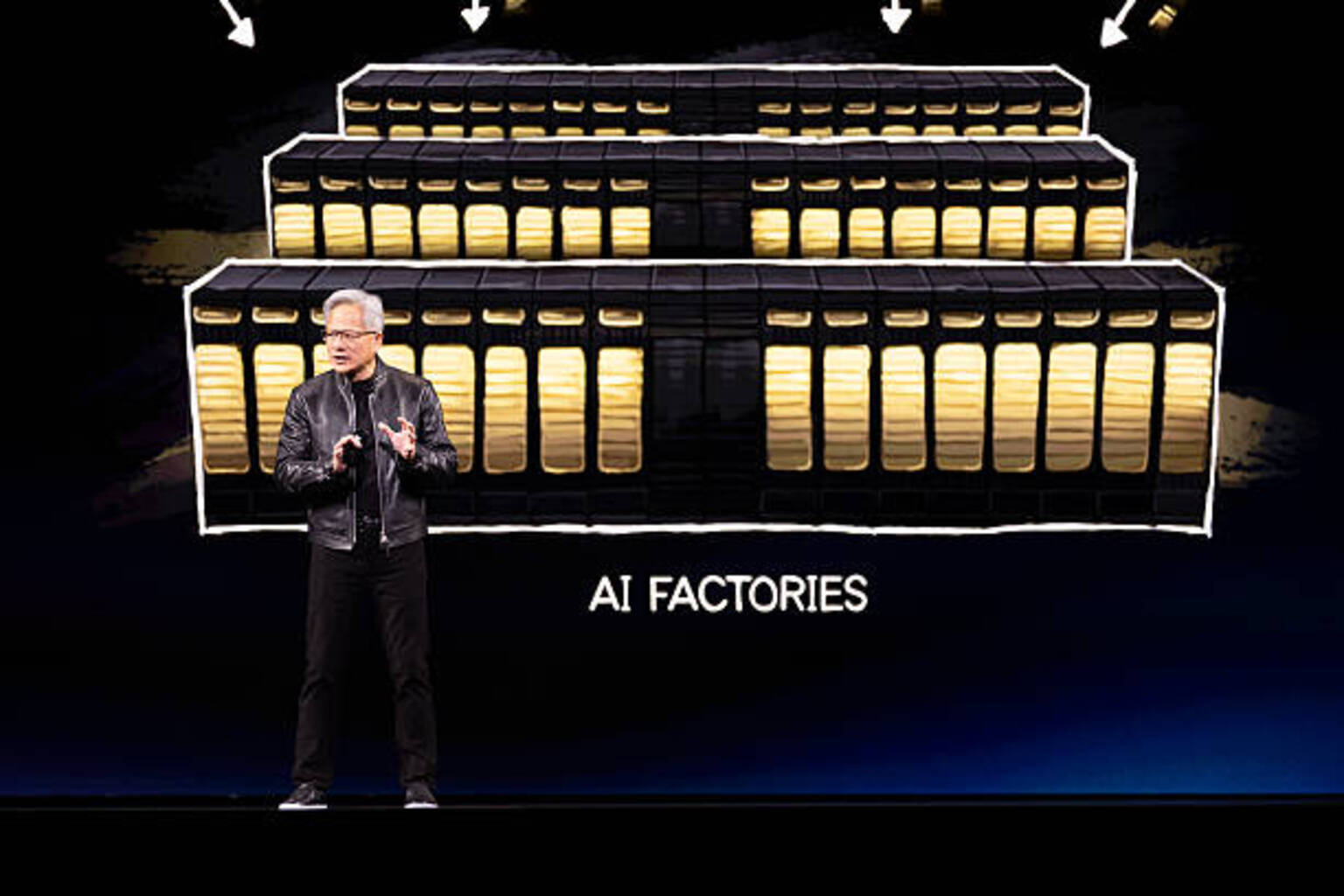
- Infrastructure Upgrade: Google's A5X infrastructure, in collaboration with Nvidia, offers tenfold computing power compared to the previous generation, significantly reducing inference costs and enhancing the economic viability and sustainability of AI applications.
- High-Performance Computing: The A5X utilizes Nvidia Vera Rubin NVL72 systems, scaling up to 80,000 Rubin GPUs in a single-site cluster, enabling customers to handle their largest AI workloads, thereby strengthening market competitiveness.
- Enhanced Security: Users can now run Google's Gemini models on Nvidia's Blackwell and Blackwell Ultra GPUs, ensuring security when processing sensitive data, which meets enterprises' stringent data privacy requirements.
- Flexible AI Services: The integration of Google Cloud with Nvidia allows customers to flexibly train and serve various AI models while optimizing performance and costs, driving mainstream adoption of AI in enterprises.
See More

Three Growth Stocks for Long-Term Investment

- Nvidia's Market Position: Nvidia (NVDA) dominates the data center processor market, and despite challenges from AMD and Qualcomm, the demand for AI chips is expected to grow at an average annual rate of 18%, indicating strong potential in future markets.
- Rising Cybersecurity Demand: Palo Alto Networks (PANW), a leader in cybersecurity, is in the spotlight as data breaches are projected to increase by 40% in 2026, supported by a gross margin of 73.5% and extensive market reach.
- Amazon's Market Leadership: Although Amazon (AMZN) is experiencing a slowdown in e-commerce growth, it still holds a 35.7% share of the U.S. e-commerce market, while its AWS cloud service revenue grew nearly 20%, demonstrating stability and profitability in the long run.
- Long-Term Investment Value: These three companies possess strong market positions and growth potential in their respective fields, and despite short-term market fluctuations, they remain worthy of being considered as
See More

Manhattan Associates Reports Strong Cloud Revenue Growth and AI Strategy Advancements

- Cloud Revenue Surge: Manhattan Associates reported a cloud revenue growth acceleration to 24.2%, up from 20% in the previous quarter, indicating significant progress in its transformation and expected to drive future revenue growth.
- Future Obligations Rise: The company's future obligations (RPO) increased by 24%, reflecting strong ongoing demand for its cloud services, which enhances its competitive position in the market.
- New Client Contributions: 55% of new bookings came from new clients, demonstrating Manhattan's success in attracting new business, further solidifying its market position and driving overall sales growth.
- AI Strategy Implementation: The company has seen initial successes in building and deploying its AI platform, and with ongoing technological advancements, it is expected to provide new momentum for future business growth.
See More
SpaceX to Acquire AI Startup Cursor for $60 Billion
- Acquisition Agreement: SpaceX has struck a deal with AI startup Cursor to acquire the company for $60 billion or pay $10 billion for collaborative work, indicating SpaceX's strategic expansion into the AI sector.
- Funding Plans: Cursor is in talks to raise $2 billion at a valuation exceeding $50 billion, with participation from investors like Andreessen Horowitz, Nvidia, and Thrive Capital, reflecting strong market interest and investment enthusiasm in AI technologies.
- Technical Collaboration: The partnership aims to develop the world's best coding and knowledge work AI, with Cursor's CEO highlighting this as a significant step in enhancing their AI model, Composer, which could transform software development practices.
- IPO Prospects: Elon Musk plans to take SpaceX public after merging it with his AI startup xAI, which is expected to be a record-setting IPO, further solidifying his leadership position in the tech industry.
See More
Nvidia Surges Over 1200% in Five Years, Yet Not the Top Performer
- Nvidia's Incredible Returns: Over the past five years, Nvidia's stock has surged more than 1200%, approaching a market cap of $5 trillion, meaning a $10,000 investment five years ago would now be worth $130,000, highlighting its robust growth potential in the tech sector.
- Comfort Systems USA's Outstanding Performance: This company has seen its stock price soar nearly 2000% over five years, with last year's sales reaching $9.1 billion, doubling its revenue in three years, indicating strong demand for data center construction and potential for future growth.
- Vertiv Holdings' Strong Growth: Vertiv's stock has risen 1300% in the past five years, with sales totaling $10.2 billion last year, and projections suggest sales could reach $14 billion in 2026, underscoring its critical role in data center infrastructure.
- Valuation Risks Emerge: Despite the significant growth potential of Comfort Systems and Vertiv, their forward P/E ratios of 47 and 55, respectively, may limit future upside, prompting investors to carefully assess market risks before investing.
See More
Comfort Systems USA and Vertiv Show Remarkable Growth Amid Data Center Demand
- Outstanding Performance of Comfort Systems USA: Over the past five years, the company's stock has soared nearly 2,000%, meaning a $10,000 investment five years ago would now be worth over $200,000, showcasing its strong performance amid surging demand for data center construction.
- Significant Sales Growth for Vertiv: Vertiv's sales reached $10.2 billion in 2022, a substantial increase from $5.7 billion in 2021, with projections suggesting sales could hit $14 billion in 2023, indicating robust demand in the data center infrastructure sector.
- Market Valuation Comparison: Despite Vertiv's market cap of around $120 billion, its forward P/E ratio of 55 is significantly higher than Nvidia's 25, reflecting high market expectations for future growth but also suggesting potential valuation risks.
- Industry Outlook and Risks: Comfort Systems USA has a market cap of approximately $59 billion, and while demand in data center construction remains strong, its forward P/E of 47 indicates that investors may have priced in substantial growth, posing a risk of stock price correction if market demand slows.
See More
Google Unveils Next-Generation AI Infrastructure A5X
- Infrastructure Upgrade: Google's A5X infrastructure, in collaboration with Nvidia, offers tenfold computing power compared to the previous generation, significantly reducing inference costs and enhancing the economic viability and sustainability of AI applications.
- High-Performance Computing: The A5X utilizes Nvidia Vera Rubin NVL72 systems, scaling up to 80,000 Rubin GPUs in a single-site cluster, enabling customers to handle their largest AI workloads, thereby strengthening market competitiveness.
- Enhanced Security: Users can now run Google's Gemini models on Nvidia's Blackwell and Blackwell Ultra GPUs, ensuring security when processing sensitive data, which meets enterprises' stringent data privacy requirements.
- Flexible AI Services: The integration of Google Cloud with Nvidia allows customers to flexibly train and serve various AI models while optimizing performance and costs, driving mainstream adoption of AI in enterprises.
See More
Three Growth Stocks for Long-Term Investment
- Nvidia's Market Position: Nvidia (NVDA) dominates the data center processor market, and despite challenges from AMD and Qualcomm, the demand for AI chips is expected to grow at an average annual rate of 18%, indicating strong potential in future markets.
- Rising Cybersecurity Demand: Palo Alto Networks (PANW), a leader in cybersecurity, is in the spotlight as data breaches are projected to increase by 40% in 2026, supported by a gross margin of 73.5% and extensive market reach.
- Amazon's Market Leadership: Although Amazon (AMZN) is experiencing a slowdown in e-commerce growth, it still holds a 35.7% share of the U.S. e-commerce market, while its AWS cloud service revenue grew nearly 20%, demonstrating stability and profitability in the long run.
- Long-Term Investment Value: These three companies possess strong market positions and growth potential in their respective fields, and despite short-term market fluctuations, they remain worthy of being considered as
See More
Manhattan Associates Reports Strong Cloud Revenue Growth and AI Strategy Advancements
- Cloud Revenue Surge: Manhattan Associates reported a cloud revenue growth acceleration to 24.2%, up from 20% in the previous quarter, indicating significant progress in its transformation and expected to drive future revenue growth.
- Future Obligations Rise: The company's future obligations (RPO) increased by 24%, reflecting strong ongoing demand for its cloud services, which enhances its competitive position in the market.
- New Client Contributions: 55% of new bookings came from new clients, demonstrating Manhattan's success in attracting new business, further solidifying its market position and driving overall sales growth.
- AI Strategy Implementation: The company has seen initial successes in building and deploying its AI platform, and with ongoing technological advancements, it is expected to provide new momentum for future business growth.
See More