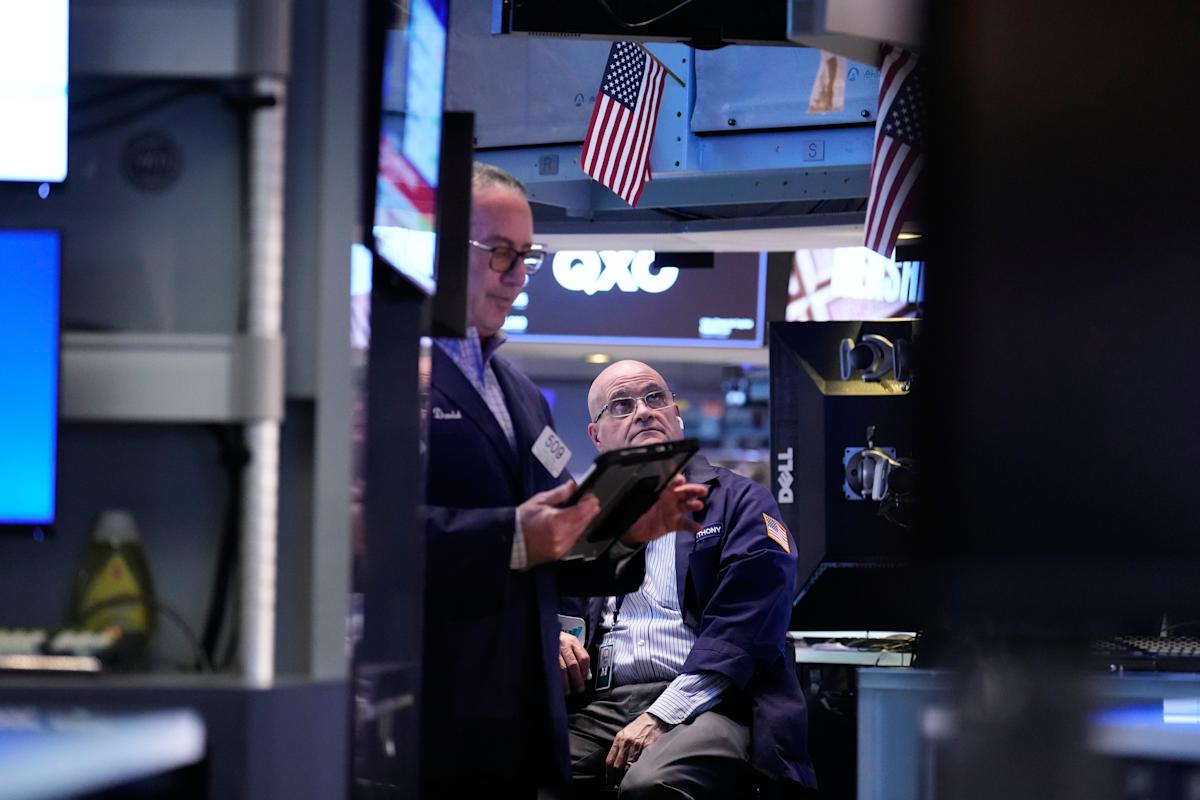
Nvidia Shares Are More Affordable Than the S&P 500, Potentially Hitting a Bottom.
Current Stock Performance: Nvidia's stock is experiencing a challenging period, indicating potential volatility in the market.
Valuation Insights: Despite the rough patch, Nvidia may be reaching a point of attractive valuation, suggesting a possible floor for its stock price.
Trade with 70% Backtested Accuracy
Analyst Views on AMD

About AMD
About the author

AMD Set to Announce Financial Results for Fiscal Q1 2026

Financial Performance: AMD reported its financial results for the first quarter of 2026, showcasing key metrics and performance indicators.
Revenue Insights: The report highlighted revenue trends, including growth in specific segments and overall sales figures compared to previous quarters.
Market Position: AMD's position in the market was discussed, emphasizing competitive advantages and challenges faced during the quarter.
Future Outlook: The company provided guidance on future expectations, including projections for upcoming quarters and strategic initiatives.

Citi Analysts See Near-Term Opportunity in AMD Amid Cautious Semiconductor Earnings Outlook
- Cautious Market Outlook: Citi analysts express a cautious view on the semiconductor earnings season, indicating that the overall industry may face challenges, particularly due to demand fluctuations that could impact profitability across multiple companies.
- Near-Term Opportunity in AMD: Despite the uncertain market outlook, analysts specifically highlight AMD as a near-term investment opportunity, likely to benefit from its competitive product lineup and a potential recovery in market demand.
- Industry Dynamics Analysis: Analysts believe that AMD's ongoing innovations in high-performance computing and data center markets will help it maintain an edge in competition, especially driven by the growing demand for AI and cloud computing.
- Investor Focus: Investors should monitor AMD's financial performance and market dynamics to assess its potential in the uncertain semiconductor environment, particularly with the upcoming earnings report on the horizon.

Global Stock Markets Surge on Iran Ceasefire Agreement


- Market Sentiment Rebound: Global stock markets surged on Wednesday as the US and Iran agreed to a two-week ceasefire, with the S&P 500 rising 2.51%, the Dow Jones up 2.85%, and the Nasdaq 100 increasing by 2.90%, reflecting a positive market response to easing geopolitical tensions.
- Crude Oil Price Plunge: The ceasefire news led to a more than 15% drop in crude oil prices to a 1.5-week low, alleviating inflation concerns and sparking a rally in global government bond markets, with the German 10-year Bund yield falling to a 3-week low, indicating a more optimistic outlook for the economy.
- Fed Policy Expectations: Although the market discounts only a 1% chance of a 25 bp rate hike at the upcoming April 28-29 FOMC meeting, the minutes from the March FOMC indicated heightened concerns among participants regarding upside risks to inflation and downside risks to employment, suggesting a more cautious approach to future monetary policy.
- Strong Tech Stock Performance: Chipmakers and AI infrastructure stocks saw significant gains on Wednesday, with Intel rising over 11%, driving the Nasdaq 100's increase, highlighting the tech sector's crucial role in the market recovery and further boosting investor confidence in technology stocks.

AMD Secures Major Partnership Amid Share Sales
- New Partnership: AMD has secured a significant partnership, contrasting with Cathie Wood's share sales, which has sparked considerable interest in the stock, reflecting divergent investor perspectives on its future growth.
- Market Dynamics: On April 3, 2026, AMD's stock rose by 4.54%, indicating that despite shareholder sell-offs, the market remains optimistic about its business outlook, suggesting ongoing growth potential in the tech sector.
- Investor Sentiment: Cathie Wood's selling juxtaposed with AMD's partnership news may lead to short-term volatility, but in the long run, this collaboration could provide new growth momentum for the company.
- Future Outlook: Despite the pressure from shareholder sales, AMD's business momentum appears to be upward, prompting investors to monitor future market performance and how the company leverages the new partnership to enhance its technological innovation and market share.
Nvidia's Stock Soars 1200%, Captivating Investors

- Market Dominance: Nvidia's stock has surged over 1,200% since October 2022, making it the largest component in the S&P 500 with a market cap exceeding $4 trillion, highlighting its unmatched position in the AI sector.
- Strong Profitability: Despite its historic price surge, Nvidia trades at a forward P/E ratio of about 22, indicating a robust earnings growth of 60% per share, which continues to attract significant investor interest.
- Significant Technical Moat: Nvidia controls 85% of the AI accelerator market, with its GPUs delivering exceptional performance in training neural networks and powering large language models, creating a nearly insurmountable competitive barrier.
- Options Market Opportunity: The current options market for Nvidia shows low-cost bullish opportunities, with the 30-day out-of-the-money call options dropping to 55, providing an excellent chance to participate in Nvidia's future growth with lower risk, especially as the stock approaches its historical highs.
Semiconductor ETF Soars 18% Amid Market Dynamics

- ETF Performance Surge: The Direxion Daily Semiconductor Bull 3X ETF (SOXL) surged by 18.71% today, significantly outpacing the iShares Semiconductor ETF (SOXX) which gained 6%, highlighting the high volatility characteristics of leveraged ETFs in a strong semiconductor market.
- Key Holdings Insight: The ETF's top holdings include Nvidia (8.3%), AMD (7.7%), Micron (7%), and Broadcom (6.7%), with their strong performance directly driving the ETF's gains, reflecting robust demand in the semiconductor sector.
- Geopolitical Impact: The ceasefire in Iran has positively influenced major semiconductor stocks, with AMD and Broadcom rising over 4% and Micron soaring 7.4%, indicating that easing tensions in the Middle East benefit chip manufacturers, particularly regarding helium supply.
- Long-Term Holding Risks: Despite today's impressive performance, leveraged ETFs carry higher risks for long-term holding; the Direxion Daily Semiconductor Bull 3X ETF has underperformed compared to the iShares Semiconductor and S&P 500 over the past five years, prompting investors to carefully assess its long-term investment value.
AMD Set to Announce Financial Results for Fiscal Q1 2026
Financial Performance: AMD reported its financial results for the first quarter of 2026, showcasing key metrics and performance indicators.
Revenue Insights: The report highlighted revenue trends, including growth in specific segments and overall sales figures compared to previous quarters.
Market Position: AMD's position in the market was discussed, emphasizing competitive advantages and challenges faced during the quarter.
Future Outlook: The company provided guidance on future expectations, including projections for upcoming quarters and strategic initiatives.
Citi Analysts See Near-Term Opportunity in AMD Amid Cautious Semiconductor Earnings Outlook
- Cautious Market Outlook: Citi analysts express a cautious view on the semiconductor earnings season, indicating that the overall industry may face challenges, particularly due to demand fluctuations that could impact profitability across multiple companies.
- Near-Term Opportunity in AMD: Despite the uncertain market outlook, analysts specifically highlight AMD as a near-term investment opportunity, likely to benefit from its competitive product lineup and a potential recovery in market demand.
- Industry Dynamics Analysis: Analysts believe that AMD's ongoing innovations in high-performance computing and data center markets will help it maintain an edge in competition, especially driven by the growing demand for AI and cloud computing.
- Investor Focus: Investors should monitor AMD's financial performance and market dynamics to assess its potential in the uncertain semiconductor environment, particularly with the upcoming earnings report on the horizon.
Global Stock Markets Surge on Iran Ceasefire Agreement
- Market Sentiment Rebound: Global stock markets surged on Wednesday as the US and Iran agreed to a two-week ceasefire, with the S&P 500 rising 2.51%, the Dow Jones up 2.85%, and the Nasdaq 100 increasing by 2.90%, reflecting a positive market response to easing geopolitical tensions.
- Crude Oil Price Plunge: The ceasefire news led to a more than 15% drop in crude oil prices to a 1.5-week low, alleviating inflation concerns and sparking a rally in global government bond markets, with the German 10-year Bund yield falling to a 3-week low, indicating a more optimistic outlook for the economy.
- Fed Policy Expectations: Although the market discounts only a 1% chance of a 25 bp rate hike at the upcoming April 28-29 FOMC meeting, the minutes from the March FOMC indicated heightened concerns among participants regarding upside risks to inflation and downside risks to employment, suggesting a more cautious approach to future monetary policy.
- Strong Tech Stock Performance: Chipmakers and AI infrastructure stocks saw significant gains on Wednesday, with Intel rising over 11%, driving the Nasdaq 100's increase, highlighting the tech sector's crucial role in the market recovery and further boosting investor confidence in technology stocks.
AMD Secures Major Partnership Amid Share Sales
- New Partnership: AMD has secured a significant partnership, contrasting with Cathie Wood's share sales, which has sparked considerable interest in the stock, reflecting divergent investor perspectives on its future growth.
- Market Dynamics: On April 3, 2026, AMD's stock rose by 4.54%, indicating that despite shareholder sell-offs, the market remains optimistic about its business outlook, suggesting ongoing growth potential in the tech sector.
- Investor Sentiment: Cathie Wood's selling juxtaposed with AMD's partnership news may lead to short-term volatility, but in the long run, this collaboration could provide new growth momentum for the company.
- Future Outlook: Despite the pressure from shareholder sales, AMD's business momentum appears to be upward, prompting investors to monitor future market performance and how the company leverages the new partnership to enhance its technological innovation and market share.
Nvidia's Stock Soars 1200%, Captivating Investors
- Market Dominance: Nvidia's stock has surged over 1,200% since October 2022, making it the largest component in the S&P 500 with a market cap exceeding $4 trillion, highlighting its unmatched position in the AI sector.
- Strong Profitability: Despite its historic price surge, Nvidia trades at a forward P/E ratio of about 22, indicating a robust earnings growth of 60% per share, which continues to attract significant investor interest.
- Significant Technical Moat: Nvidia controls 85% of the AI accelerator market, with its GPUs delivering exceptional performance in training neural networks and powering large language models, creating a nearly insurmountable competitive barrier.
- Options Market Opportunity: The current options market for Nvidia shows low-cost bullish opportunities, with the 30-day out-of-the-money call options dropping to 55, providing an excellent chance to participate in Nvidia's future growth with lower risk, especially as the stock approaches its historical highs.
Semiconductor ETF Soars 18% Amid Market Dynamics
- ETF Performance Surge: The Direxion Daily Semiconductor Bull 3X ETF (SOXL) surged by 18.71% today, significantly outpacing the iShares Semiconductor ETF (SOXX) which gained 6%, highlighting the high volatility characteristics of leveraged ETFs in a strong semiconductor market.
- Key Holdings Insight: The ETF's top holdings include Nvidia (8.3%), AMD (7.7%), Micron (7%), and Broadcom (6.7%), with their strong performance directly driving the ETF's gains, reflecting robust demand in the semiconductor sector.
- Geopolitical Impact: The ceasefire in Iran has positively influenced major semiconductor stocks, with AMD and Broadcom rising over 4% and Micron soaring 7.4%, indicating that easing tensions in the Middle East benefit chip manufacturers, particularly regarding helium supply.
- Long-Term Holding Risks: Despite today's impressive performance, leveraged ETFs carry higher risks for long-term holding; the Direxion Daily Semiconductor Bull 3X ETF has underperformed compared to the iShares Semiconductor and S&P 500 over the past five years, prompting investors to carefully assess its long-term investment value.