Nuclear Energy to Support AI Data Center Power Demand
Written by Emily J. Thompson, Senior Investment Analyst
Updated: 6 days ago
0mins
Source: NASDAQ.COM
- Surging Power Demand: The International Energy Agency projects that global data center energy consumption will double by 2030, with U.S. data centers expected to consume between 6.7% and 12% of total electricity by 2028, highlighting the immense power needs driven by AI.
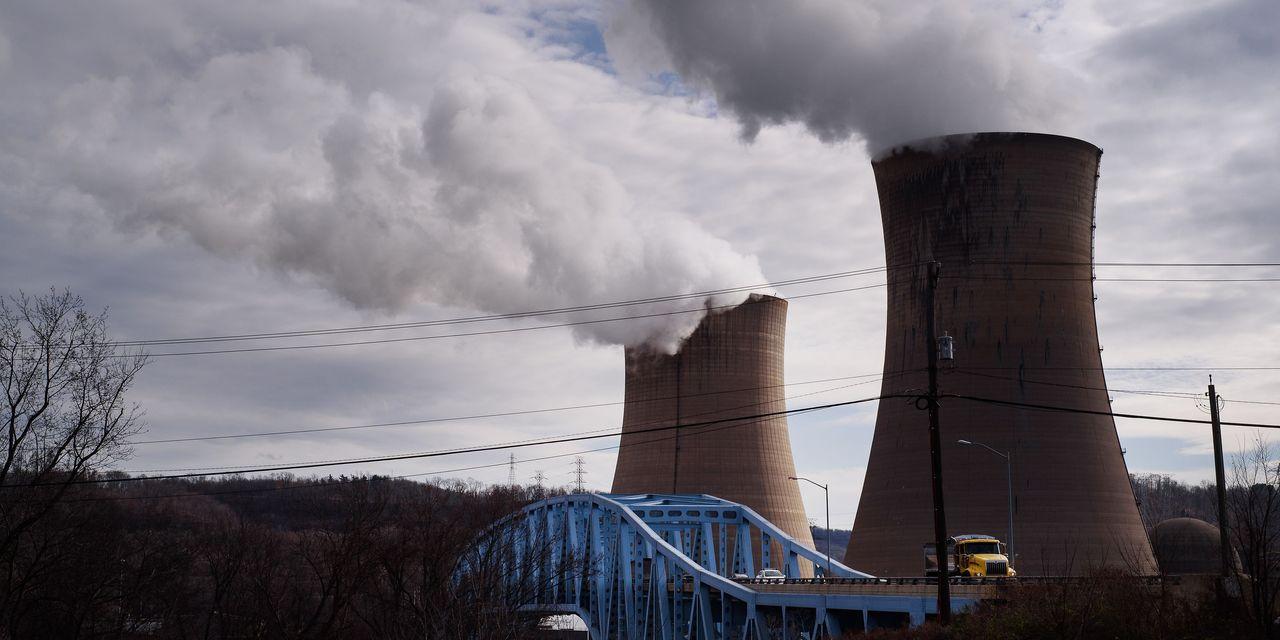
- Nuclear Partnership Agreement: Microsoft has signed a 20-year power purchase agreement with Constellation Energy, the largest nuclear producer in the U.S., to bring the Three Mile Island nuclear plant back online in Pennsylvania, with expected prices between $110 and $115 per megawatt hour, underscoring the importance of nuclear energy.
- Stable Financial Growth: Constellation Energy anticipates adjusted earnings per share to rise to $9.39 in 2025 from $8.67 in 2024, with a projected growth rate of over 13% through 2030, indicating its solid investment potential amidst rising AI power demands.
- NextEra Energy Outlook: NextEra Energy is collaborating with Alphabet to restart the Duane Arnold nuclear plant in Iowa, expecting a 13% increase in adjusted EPS for 2025 and an 8% compound annual growth rate over the next decade, showcasing its strong position in nuclear energy investments.
Trade with 70% Backtested Accuracy
Stop guessing "Should I Buy CEG?" and start using high-conviction signals backed by rigorous historical data.
Sign up today to access powerful investing tools and make smarter, data-driven decisions.
Analyst Views on CEG
Wall Street analysts forecast CEG stock price to rise
7 Analyst Rating
6 Buy
1 Hold
0 Sell
Strong Buy
Current: 322.990

Low
350.00
Averages
414.86
High
460.00
Current: 322.990
Low
350.00
Averages
414.86
High
460.00
About CEG
Constellation Energy Corporation is a producer of emissions-free energy and an energy supplier to businesses, homes and public sector customers nationwide. The Company’s nuclear, hydro, wind, and solar generation facilities have the generating capacity to power the equivalent of 16 million homes, providing about 10% of the nation's clean energy in the United States. Its segments include Mid-Atlantic, Midwest, New York, ERCOT, and Other Power Regions. Through its integrated business operations, it sells electricity, natural gas, and other energy-related products and sustainable solutions to various types of customers, including distribution utilities, municipalities, cooperatives, and commercial, industrial, public sector, and residential customers in markets across multiple geographic regions. Its nuclear fleet has a generating capacity of approximately 22 gigawatts (GWs). It operates approximately 10 GWs of natural gas, oil, hydroelectric, wind, and solar generation assets.
About the author

Emily J. Thompson
Emily J. Thompson, a Chartered Financial Analyst (CFA) with 12 years in investment research, graduated with honors from the Wharton School. Specializing in industrial and technology stocks, she provides in-depth analysis for Intellectia’s earnings and market brief reports.

Musk Plans Natural Gas Power Plant in Southaven


- Environmental Controversy: The Mississippi Department of Environmental Quality is set to hold a meeting on Election Day 2026 to decide on key permits for Musk's xAI to build a natural gas power plant in Southaven, which has sparked strong opposition from the NAACP and other civil rights and environmental groups, arguing that the timing conflicts with residents' voting rights.
- Community Opposition: The NAACP has submitted a letter to the environmental agency requesting the meeting be postponed and moved closer to the facility to allow affected residents to participate, highlighting the community's strong discontent with xAI's plans and concerns over air quality and health issues.
- Post-Merger Investment Plans: Following its merger with SpaceX, xAI's valuation reached $1.25 trillion, with plans to invest in a power plant and large data center in Southaven, demonstrating the company's ambition in the rapidly growing generative AI market, but also raising environmental impact concerns.
- Increased Legal Risks: The NAACP has filed a notice of intent to sue xAI for alleged Clean Air Act violations, pointing out that the company has been operating multiple
See More

OpenAI Halts Expansion Plans with Oracle


- Partnership Termination: OpenAI has decided to halt its expansion plans with Oracle at the Stargate data center in Abilene, Texas, due to a preference for newer Nvidia graphics processing units, indicating a rejection of older technology that could impact Oracle's market position.
- Lagging Technology Updates: The current Abilene site is expected to utilize Nvidia's Blackwell processors, which are projected to come online next year, while OpenAI aims to access more powerful next-generation chips elsewhere, potentially affecting its product competitiveness.
- Increased Financial Pressure: Oracle faces a daunting $100 billion debt financing challenge, compounded by its partner Blue Owl declining to fund an additional facility and planning to cut up to 30,000 jobs, which will further exacerbate Oracle's financial strain and market confidence.
- Market Risks Emerge: Oracle's stock has dropped 23% this year and has lost over half its value since peaking in September, indicating a threat to its competitiveness in the AI infrastructure sector, especially as customer demand for the latest hardware continues to rise.
See More

Surging Oil Prices Revive Interest in Nuclear Energy Market


- Nuclear Economics Strengthened: As oil prices surge to $120 per barrel, utilities and policymakers are seeking stable alternatives, with nuclear power gaining renewed attention due to its relatively low fuel costs, likely prompting investors to rotate into uranium and nuclear-related companies.
- Rising Power Demand: The surge in electricity demand from artificial intelligence infrastructure is pushing large data centers to require reliable power, leading tech companies and utilities to explore long-term power sources, with nuclear operators like Constellation Energy Corp positioned to benefit from this trend.
- Market Dynamics Shifting: The nuclear sector has been overshadowed by cheap natural gas and renewable energy in recent years, but the rise in oil prices and increasing electricity demand may bring nuclear trading back into focus for investors, altering the market landscape.
- Investor Interest Reignited: Companies linked to the nuclear fuel supply chain, such as Cameco Corp and Centrus Energy Corp, are gradually gaining investor attention due to their significant roles in the nuclear market, expected to benefit from the volatility in the energy market.
See More

Constellation and GE Vernova Positioned for Rising Electricity Demand
- Long-Term Contract Advantage: Constellation Energy's 20-year power purchase agreement with Meta Platforms is expected to provide 1,121 megawatts of nuclear energy, supporting the continued operation of the Clinton nuclear facility, significantly enhancing the company's revenue visibility in the electricity market.
- Strong Financial Performance: In Q4 of fiscal 2025, Constellation Energy reported revenues of $6.07 billion, surpassing market expectations of $5.6 billion, with adjusted earnings per share of $2.30, demonstrating robust operational momentum.
- GE Vernova's Order Growth: GE Vernova ended 2025 with a contractual backlog of $150 billion, a 25% year-over-year increase, with equipment backlog worth $64 billion, up 50%, indicating strong demand in the power equipment market.
- Optimistic Future Outlook: GE Vernova anticipates revenues of $44 billion to $45 billion in 2026, with free cash flow projected between $5 billion and $5.5 billion, showcasing the company's profitability and competitive edge amid rising electricity demand.
See More

Nvidia Reports Strong Earnings but Stock Drops Post-Report
- Nvidia Earnings Report: Nvidia's earnings report on February 26 revealed revenues of $6 billion, exceeding market expectations; however, the stock dropped over 9% the following day, indicating investor concerns about the sustainability of AI capital expenditures and rising competitive pressures.
- Surging Electricity Demand: Constellation Energy has become one of the largest electricity producers in the U.S. after acquiring Calpine, operating 55 gigawatts of generation capacity, and signing a 20-year nuclear energy purchase agreement with Meta, expected to start deliveries in 2027, further solidifying its market position.
- GE Vernova Order Growth: GE Vernova ended 2025 with a contractual backlog of $150 billion, a 25% year-over-year increase, with equipment backlog worth $64 billion, up 50%, highlighting strong demand in its power and electrification businesses.
- Optimistic Future Outlook: Despite both Constellation Energy and GE Vernova trading at high valuation levels of 23.8 and 37.4 times forward earnings respectively, their long-term revenue visibility and robust operational momentum make them attractive investment choices.
See More
Utility Stocks as a Hedge Against Geopolitical Risks and AI Growth


- Defensive Investment Strategy: Wells Fargo analysts highlight that utility stocks like American Water Works and Exelon can serve as strong defensive plays amid escalating market volatility due to the U.S.-Iran conflict, with expectations of continued relative outperformance in both down and up markets.
- Historical Performance Advantage: The utilities sector has historically outperformed the S&P 500 by approximately 780 basis points during global conflicts and recessions, indicating its stability and risk mitigation capabilities during uncertain times, a trend expected to persist amid the current conflict in Iran.
- AI Demand Driving Growth: With a surge in data center construction, utility companies like American Water Works are poised to benefit as they provide essential water resources for AI facility operations, with the stock rising about 8% over the past month and a current dividend yield of 2.4%.
- Exelon's Growth Potential: Exelon's business structure allows it to complete reliability upgrades in the coming years, with load growth expected to reach 3.3% from 2026 to 2029, while its stock has jumped 10% in the past month, currently yielding 3.5% in dividends.
See More
Musk Plans Natural Gas Power Plant in Southaven
- Environmental Controversy: The Mississippi Department of Environmental Quality is set to hold a meeting on Election Day 2026 to decide on key permits for Musk's xAI to build a natural gas power plant in Southaven, which has sparked strong opposition from the NAACP and other civil rights and environmental groups, arguing that the timing conflicts with residents' voting rights.
- Community Opposition: The NAACP has submitted a letter to the environmental agency requesting the meeting be postponed and moved closer to the facility to allow affected residents to participate, highlighting the community's strong discontent with xAI's plans and concerns over air quality and health issues.
- Post-Merger Investment Plans: Following its merger with SpaceX, xAI's valuation reached $1.25 trillion, with plans to invest in a power plant and large data center in Southaven, demonstrating the company's ambition in the rapidly growing generative AI market, but also raising environmental impact concerns.
- Increased Legal Risks: The NAACP has filed a notice of intent to sue xAI for alleged Clean Air Act violations, pointing out that the company has been operating multiple
See More
OpenAI Halts Expansion Plans with Oracle
- Partnership Termination: OpenAI has decided to halt its expansion plans with Oracle at the Stargate data center in Abilene, Texas, due to a preference for newer Nvidia graphics processing units, indicating a rejection of older technology that could impact Oracle's market position.
- Lagging Technology Updates: The current Abilene site is expected to utilize Nvidia's Blackwell processors, which are projected to come online next year, while OpenAI aims to access more powerful next-generation chips elsewhere, potentially affecting its product competitiveness.
- Increased Financial Pressure: Oracle faces a daunting $100 billion debt financing challenge, compounded by its partner Blue Owl declining to fund an additional facility and planning to cut up to 30,000 jobs, which will further exacerbate Oracle's financial strain and market confidence.
- Market Risks Emerge: Oracle's stock has dropped 23% this year and has lost over half its value since peaking in September, indicating a threat to its competitiveness in the AI infrastructure sector, especially as customer demand for the latest hardware continues to rise.
See More
Surging Oil Prices Revive Interest in Nuclear Energy Market
- Nuclear Economics Strengthened: As oil prices surge to $120 per barrel, utilities and policymakers are seeking stable alternatives, with nuclear power gaining renewed attention due to its relatively low fuel costs, likely prompting investors to rotate into uranium and nuclear-related companies.
- Rising Power Demand: The surge in electricity demand from artificial intelligence infrastructure is pushing large data centers to require reliable power, leading tech companies and utilities to explore long-term power sources, with nuclear operators like Constellation Energy Corp positioned to benefit from this trend.
- Market Dynamics Shifting: The nuclear sector has been overshadowed by cheap natural gas and renewable energy in recent years, but the rise in oil prices and increasing electricity demand may bring nuclear trading back into focus for investors, altering the market landscape.
- Investor Interest Reignited: Companies linked to the nuclear fuel supply chain, such as Cameco Corp and Centrus Energy Corp, are gradually gaining investor attention due to their significant roles in the nuclear market, expected to benefit from the volatility in the energy market.
See More
Constellation and GE Vernova Positioned for Rising Electricity Demand
- Long-Term Contract Advantage: Constellation Energy's 20-year power purchase agreement with Meta Platforms is expected to provide 1,121 megawatts of nuclear energy, supporting the continued operation of the Clinton nuclear facility, significantly enhancing the company's revenue visibility in the electricity market.
- Strong Financial Performance: In Q4 of fiscal 2025, Constellation Energy reported revenues of $6.07 billion, surpassing market expectations of $5.6 billion, with adjusted earnings per share of $2.30, demonstrating robust operational momentum.
- GE Vernova's Order Growth: GE Vernova ended 2025 with a contractual backlog of $150 billion, a 25% year-over-year increase, with equipment backlog worth $64 billion, up 50%, indicating strong demand in the power equipment market.
- Optimistic Future Outlook: GE Vernova anticipates revenues of $44 billion to $45 billion in 2026, with free cash flow projected between $5 billion and $5.5 billion, showcasing the company's profitability and competitive edge amid rising electricity demand.
See More
Nvidia Reports Strong Earnings but Stock Drops Post-Report
- Nvidia Earnings Report: Nvidia's earnings report on February 26 revealed revenues of $6 billion, exceeding market expectations; however, the stock dropped over 9% the following day, indicating investor concerns about the sustainability of AI capital expenditures and rising competitive pressures.
- Surging Electricity Demand: Constellation Energy has become one of the largest electricity producers in the U.S. after acquiring Calpine, operating 55 gigawatts of generation capacity, and signing a 20-year nuclear energy purchase agreement with Meta, expected to start deliveries in 2027, further solidifying its market position.
- GE Vernova Order Growth: GE Vernova ended 2025 with a contractual backlog of $150 billion, a 25% year-over-year increase, with equipment backlog worth $64 billion, up 50%, highlighting strong demand in its power and electrification businesses.
- Optimistic Future Outlook: Despite both Constellation Energy and GE Vernova trading at high valuation levels of 23.8 and 37.4 times forward earnings respectively, their long-term revenue visibility and robust operational momentum make them attractive investment choices.
See More
Utility Stocks as a Hedge Against Geopolitical Risks and AI Growth
- Defensive Investment Strategy: Wells Fargo analysts highlight that utility stocks like American Water Works and Exelon can serve as strong defensive plays amid escalating market volatility due to the U.S.-Iran conflict, with expectations of continued relative outperformance in both down and up markets.
- Historical Performance Advantage: The utilities sector has historically outperformed the S&P 500 by approximately 780 basis points during global conflicts and recessions, indicating its stability and risk mitigation capabilities during uncertain times, a trend expected to persist amid the current conflict in Iran.
- AI Demand Driving Growth: With a surge in data center construction, utility companies like American Water Works are poised to benefit as they provide essential water resources for AI facility operations, with the stock rising about 8% over the past month and a current dividend yield of 2.4%.
- Exelon's Growth Potential: Exelon's business structure allows it to complete reliability upgrades in the coming years, with load growth expected to reach 3.3% from 2026 to 2029, while its stock has jumped 10% in the past month, currently yielding 3.5% in dividends.
See More