Moody's Downgrades KKR's Private Credit Fund to Junk Status
Written by Emily J. Thompson, Senior Investment Analyst
Updated: Mar 24 2026
0mins


Source: Newsfilter
- Rating Downgrade Impact: Moody's downgraded FS KKR Capital Corp's debt rating from Baa3 to Ba1, pushing it into junk status, reflecting deteriorating asset quality and ongoing profitability challenges that could lead to increased future borrowing costs.
- Rising Non-Performing Loans: By the end of 2025, the fund's non-accrual loans reached 5.5% of total investments, one of the highest rates among rated BDCs, indicating a weaker asset quality compared to peers, which may undermine investor confidence.
- Declining Profitability: FS KKR reported a net loss of $114 million in Q4 2025 and only $11 million in net income for the entire year, highlighting a deteriorating financial condition that could exacerbate investor withdrawals.
- Increased Market Pressure: The downgrade by Moody's is the latest sign of distress in the private credit market, as retail investors rush to withdraw funds amid concerns over impending credit losses, potentially further impacting the fund's liquidity and future returns.
Trade with 70% Backtested Accuracy
Stop guessing "Should I Buy MCO?" and start using high-conviction signals backed by rigorous historical data.
Sign up today to access powerful investing tools and make smarter, data-driven decisions.
Analyst Views on MCO
Wall Street analysts forecast MCO stock price to rise
10 Analyst Rating
8 Buy
2 Hold
0 Sell
Strong Buy
Current: 448.420

Low
526.00
Averages
586.50
High
660.00
Current: 448.420
Low
526.00
Averages
586.50
High
660.00
About MCO
Moody's Corporation is a global integrated risk assessment company. It is a global provider of research and insights; data and information, and decision solutions, which help companies make decisions. Its MA segment provides data, intelligence and analytical tools to help business and financial leaders make decisions. MA consists of a premier fixed income and economic research business (Research & Insights); a data business powered by databases on companies and credit (Data & Information), and three cloud-based subscription businesses serving banking, insurance and KYC workflows (Decision Solutions). Its MIS segment is a global provider of credit ratings, research, and risk analysis. It publishes credit ratings and provides assessment services on a wide range of debt obligations, programs and facilities, and the entities that issue such obligations in markets worldwide, including various corporate, financial institution and governmental obligations, and structured finance securities.
About the author

Emily J. Thompson
Emily J. Thompson, a Chartered Financial Analyst (CFA) with 12 years in investment research, graduated with honors from the Wharton School. Specializing in industrial and technology stocks, she provides in-depth analysis for Intellectia’s earnings and market brief reports.

Wall Street Earnings Season Faces Major Test


- Earnings Season Significance: Wall Street is set for a packed earnings season featuring key companies like Capital One and Boeing, with investors eager to glean insights into the economic impact of the Iran war from these reports.
- Capital One Performance Focus: Capital One is scheduled to report earnings on Tuesday, with market attention on its consumer health metrics and the progress of its acquisitions of Discover and Brex, particularly amid rising economic uncertainties.
- Boeing Earnings Outlook: Boeing is expected to release its earnings report on Wednesday, with market focus on order volumes in both its commercial and defense sectors, as well as free cash flow performance, especially after previous unexpected losses.
- GE Vernova Order Growth: GE Vernova will report alongside Boeing, with first-quarter new orders anticipated to reach $14.4 billion, reflecting a 65% year-over-year increase, indicating strong market performance amid rising electricity demand.
See More
Wall Street Optimism Rises Amid Ceasefire Hopes


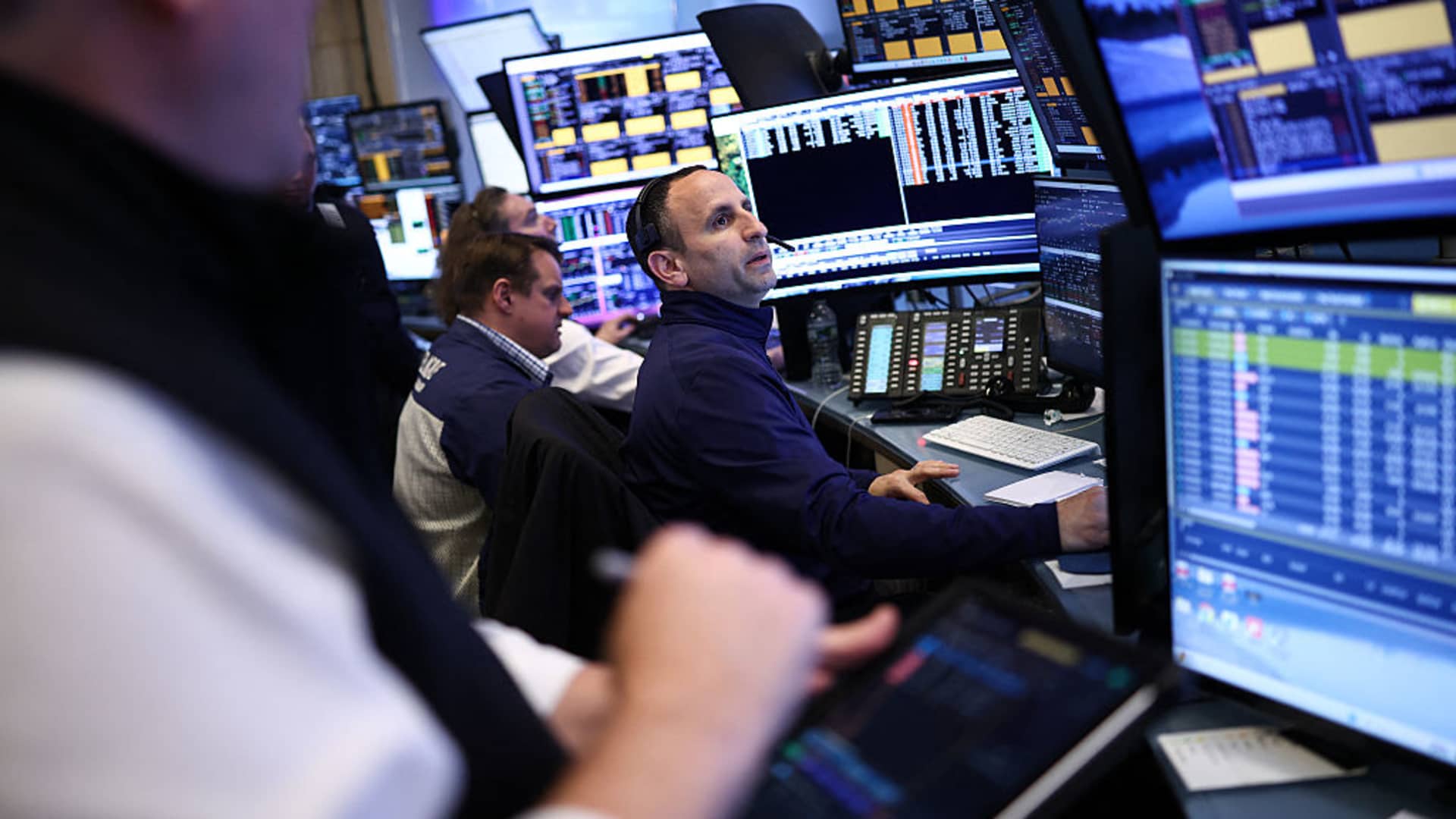
- Market Rebound: The S&P 500 and Nasdaq Composite reached all-time highs this week, with the S&P 500 surpassing 7,100 for the first time, reflecting strong investor confidence in economic recovery and suggesting further upward momentum for equities.
- Earnings Expectations: According to FactSet, the S&P 500 is projected to have a blended growth rate of 12.5% in Q1, with 78% of reporting companies exceeding expectations, providing a positive backdrop for the upcoming earnings season that could further bolster market confidence.
- Oil Price Volatility: While oil prices have fallen to around $80 per barrel, significantly below the $110 peak during the conflict, the market must remain vigilant regarding the potential impacts of U.S.-Iran tensions on global supply chains, particularly concerning the safety of transit through the Strait of Hormuz.
- Technical Fragility: Despite the market's strong short-term performance, analyst Craig Johnson warns that the rapid transition from oversold to overbought conditions masks underlying macroeconomic risks, urging investors to remain cautious and focus on high-quality investment opportunities.
See More
Buffett Retires, Abel Takes Over as CEO of Berkshire Hathaway


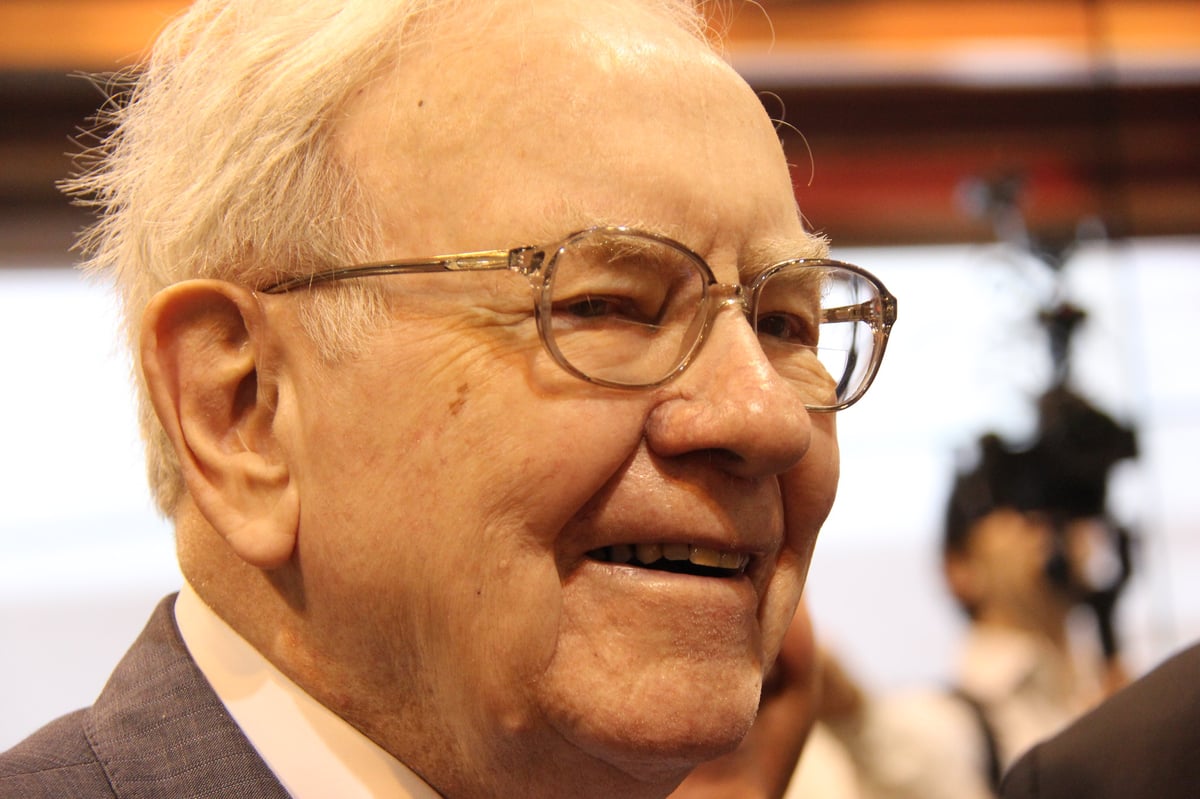
- Leadership Transition: Warren Buffett officially retired on December 31, 2025, with Greg Abel taking over the day-to-day operations of Berkshire Hathaway, managing a $318 billion investment portfolio, marking a significant shift in the company's leadership.
- Portfolio Concentration: Abel inherited a portfolio where the top ten holdings account for 79% of invested assets, with Apple representing $59.4 billion or 18.7% of total investments, indicating a strong reliance on core assets.
- Capital Return Strategy: All of Berkshire's top ten holdings pay dividends, with Coca-Cola yielding an impressive 63% annually, reflecting Abel's continuation of Buffett's focus on capital returns to enhance shareholder value.
- Value Investment Principle: Abel emphasizes the importance of value in managing the portfolio, recently selling approximately 75% of Berkshire's Apple shares, indicating that maintaining the portfolio's value is a top priority in the face of high valuations.
See More
Iran Conflict Disrupts Global Oil and Stock Markets

- Oil Price Surge: Iranian retaliatory strikes have caused oil tanker traffic through the Strait of Hormuz to plummet to single digits daily, pushing Brent crude oil prices above $127 per barrel in early April, the highest since summer 2022, highlighting the geopolitical tensions' profound impact on global energy markets.
- Market Volatility: Although the S&P 500 index initially fell 9% at the conflict's onset, it has since regained some losses as investor confidence in a resolution grows; however, billionaire hedge fund manager Ken Griffin warns that a prolonged closure of the Strait could lead to an unavoidable global recession, potentially triggering a market crash.
- Recession Risks: Moody's chief economist Mark Zandi noted that sustained high oil prices would make a recession difficult to avoid, with historical data showing the S&P 500 has averaged a 32% decline during past recessions, indicating significant threats to the stock market from widespread economic downturns.
- Investor Outlook: Despite Wall Street setting a year-end target of 7,459 for the S&P 500, suggesting a 7% upside, analysts caution that if consumer spending slows due to high oil prices and inflation, future earnings forecasts may be revised downward, adding further pressure on the stock market.
See More

Greg Abel Takes Over After Buffett's Retirement at Berkshire Hathaway
- Portfolio Transition: Following Warren Buffett's retirement on December 31, 2025, Greg Abel inherited a $318 billion investment portfolio, facing the challenge of a highly concentrated and brand-heavy asset base while committing to uphold Buffett's investment philosophy.
- Capital Return Strategy: All of Berkshire's top ten holdings feature robust capital return programs, with each company paying dividends; Coca-Cola boasts an impressive 63% annual yield, underscoring Abel's dedication to maintaining shareholder value.
- Long-Term Holding Strategy: In his first shareholder letter, Abel classified Apple and Moody's as 'indefinite holdings,' indicating confidence in their long-term prospects, despite Berkshire having sold approximately 75% of its Apple stake in the past two years.
- Value Investment Principle: Both Abel and Buffett emphasize the importance of securing good deals, as evidenced by Berkshire's recent reductions in holdings, reflecting sensitivity to market valuations, particularly when bank stocks trade above book value.
See More

Ken Griffin Warns: Closure of Strait of Hormuz Will Trigger Recession
- Recession Warning: Billionaire Ken Griffin warns that a global recession is inevitable if the Strait of Hormuz remains closed for another six to twelve months, which could significantly undermine market confidence and investor sentiment.
- Surging Oil Prices: The retaliatory attacks from Iran have drastically reduced the number of ships passing through the Strait of Hormuz to single digits daily, causing Brent crude oil prices to soar above $127 per barrel in early April, creating further market uncertainty and inflationary pressures.
- Historical Data Insight: Since the S&P 500's inception in 1957, the U.S. economy has faced ten recessions, with the index typically experiencing an average decline of 32% during these periods, indicating that the current market's high levels may be at risk of significant corrections.
- Market Expectations vs. Reality: While Wall Street remains optimistic about a 7% year-end target for the S&P 500, any signs of weakness in consumer spending could lead analysts to revise earnings forecasts downward, potentially exerting downward pressure on the market.
See More
Wall Street Earnings Season Faces Major Test
- Earnings Season Significance: Wall Street is set for a packed earnings season featuring key companies like Capital One and Boeing, with investors eager to glean insights into the economic impact of the Iran war from these reports.
- Capital One Performance Focus: Capital One is scheduled to report earnings on Tuesday, with market attention on its consumer health metrics and the progress of its acquisitions of Discover and Brex, particularly amid rising economic uncertainties.
- Boeing Earnings Outlook: Boeing is expected to release its earnings report on Wednesday, with market focus on order volumes in both its commercial and defense sectors, as well as free cash flow performance, especially after previous unexpected losses.
- GE Vernova Order Growth: GE Vernova will report alongside Boeing, with first-quarter new orders anticipated to reach $14.4 billion, reflecting a 65% year-over-year increase, indicating strong market performance amid rising electricity demand.
See More
Wall Street Optimism Rises Amid Ceasefire Hopes
- Market Rebound: The S&P 500 and Nasdaq Composite reached all-time highs this week, with the S&P 500 surpassing 7,100 for the first time, reflecting strong investor confidence in economic recovery and suggesting further upward momentum for equities.
- Earnings Expectations: According to FactSet, the S&P 500 is projected to have a blended growth rate of 12.5% in Q1, with 78% of reporting companies exceeding expectations, providing a positive backdrop for the upcoming earnings season that could further bolster market confidence.
- Oil Price Volatility: While oil prices have fallen to around $80 per barrel, significantly below the $110 peak during the conflict, the market must remain vigilant regarding the potential impacts of U.S.-Iran tensions on global supply chains, particularly concerning the safety of transit through the Strait of Hormuz.
- Technical Fragility: Despite the market's strong short-term performance, analyst Craig Johnson warns that the rapid transition from oversold to overbought conditions masks underlying macroeconomic risks, urging investors to remain cautious and focus on high-quality investment opportunities.
See More
Buffett Retires, Abel Takes Over as CEO of Berkshire Hathaway
- Leadership Transition: Warren Buffett officially retired on December 31, 2025, with Greg Abel taking over the day-to-day operations of Berkshire Hathaway, managing a $318 billion investment portfolio, marking a significant shift in the company's leadership.
- Portfolio Concentration: Abel inherited a portfolio where the top ten holdings account for 79% of invested assets, with Apple representing $59.4 billion or 18.7% of total investments, indicating a strong reliance on core assets.
- Capital Return Strategy: All of Berkshire's top ten holdings pay dividends, with Coca-Cola yielding an impressive 63% annually, reflecting Abel's continuation of Buffett's focus on capital returns to enhance shareholder value.
- Value Investment Principle: Abel emphasizes the importance of value in managing the portfolio, recently selling approximately 75% of Berkshire's Apple shares, indicating that maintaining the portfolio's value is a top priority in the face of high valuations.
See More
Iran Conflict Disrupts Global Oil and Stock Markets
- Oil Price Surge: Iranian retaliatory strikes have caused oil tanker traffic through the Strait of Hormuz to plummet to single digits daily, pushing Brent crude oil prices above $127 per barrel in early April, the highest since summer 2022, highlighting the geopolitical tensions' profound impact on global energy markets.
- Market Volatility: Although the S&P 500 index initially fell 9% at the conflict's onset, it has since regained some losses as investor confidence in a resolution grows; however, billionaire hedge fund manager Ken Griffin warns that a prolonged closure of the Strait could lead to an unavoidable global recession, potentially triggering a market crash.
- Recession Risks: Moody's chief economist Mark Zandi noted that sustained high oil prices would make a recession difficult to avoid, with historical data showing the S&P 500 has averaged a 32% decline during past recessions, indicating significant threats to the stock market from widespread economic downturns.
- Investor Outlook: Despite Wall Street setting a year-end target of 7,459 for the S&P 500, suggesting a 7% upside, analysts caution that if consumer spending slows due to high oil prices and inflation, future earnings forecasts may be revised downward, adding further pressure on the stock market.
See More
Greg Abel Takes Over After Buffett's Retirement at Berkshire Hathaway
- Portfolio Transition: Following Warren Buffett's retirement on December 31, 2025, Greg Abel inherited a $318 billion investment portfolio, facing the challenge of a highly concentrated and brand-heavy asset base while committing to uphold Buffett's investment philosophy.
- Capital Return Strategy: All of Berkshire's top ten holdings feature robust capital return programs, with each company paying dividends; Coca-Cola boasts an impressive 63% annual yield, underscoring Abel's dedication to maintaining shareholder value.
- Long-Term Holding Strategy: In his first shareholder letter, Abel classified Apple and Moody's as 'indefinite holdings,' indicating confidence in their long-term prospects, despite Berkshire having sold approximately 75% of its Apple stake in the past two years.
- Value Investment Principle: Both Abel and Buffett emphasize the importance of securing good deals, as evidenced by Berkshire's recent reductions in holdings, reflecting sensitivity to market valuations, particularly when bank stocks trade above book value.
See More
Ken Griffin Warns: Closure of Strait of Hormuz Will Trigger Recession
- Recession Warning: Billionaire Ken Griffin warns that a global recession is inevitable if the Strait of Hormuz remains closed for another six to twelve months, which could significantly undermine market confidence and investor sentiment.
- Surging Oil Prices: The retaliatory attacks from Iran have drastically reduced the number of ships passing through the Strait of Hormuz to single digits daily, causing Brent crude oil prices to soar above $127 per barrel in early April, creating further market uncertainty and inflationary pressures.
- Historical Data Insight: Since the S&P 500's inception in 1957, the U.S. economy has faced ten recessions, with the index typically experiencing an average decline of 32% during these periods, indicating that the current market's high levels may be at risk of significant corrections.
- Market Expectations vs. Reality: While Wall Street remains optimistic about a 7% year-end target for the S&P 500, any signs of weakness in consumer spending could lead analysts to revise earnings forecasts downward, potentially exerting downward pressure on the market.
See More