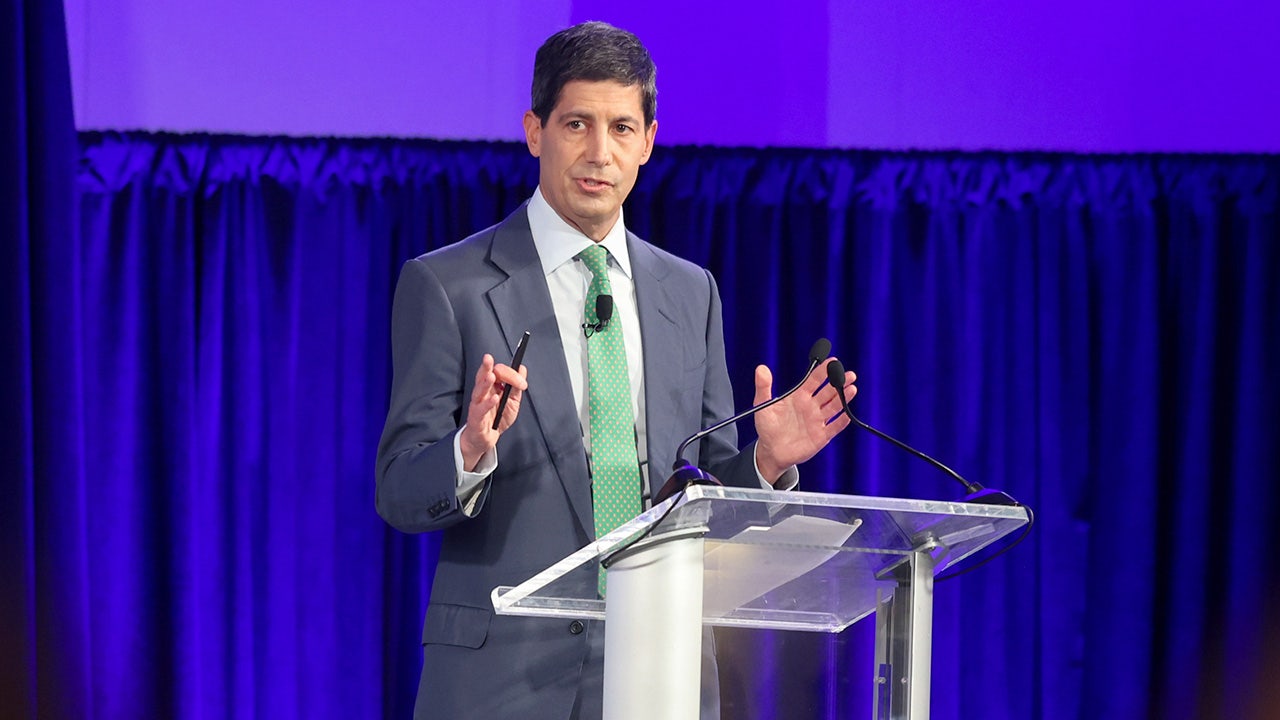
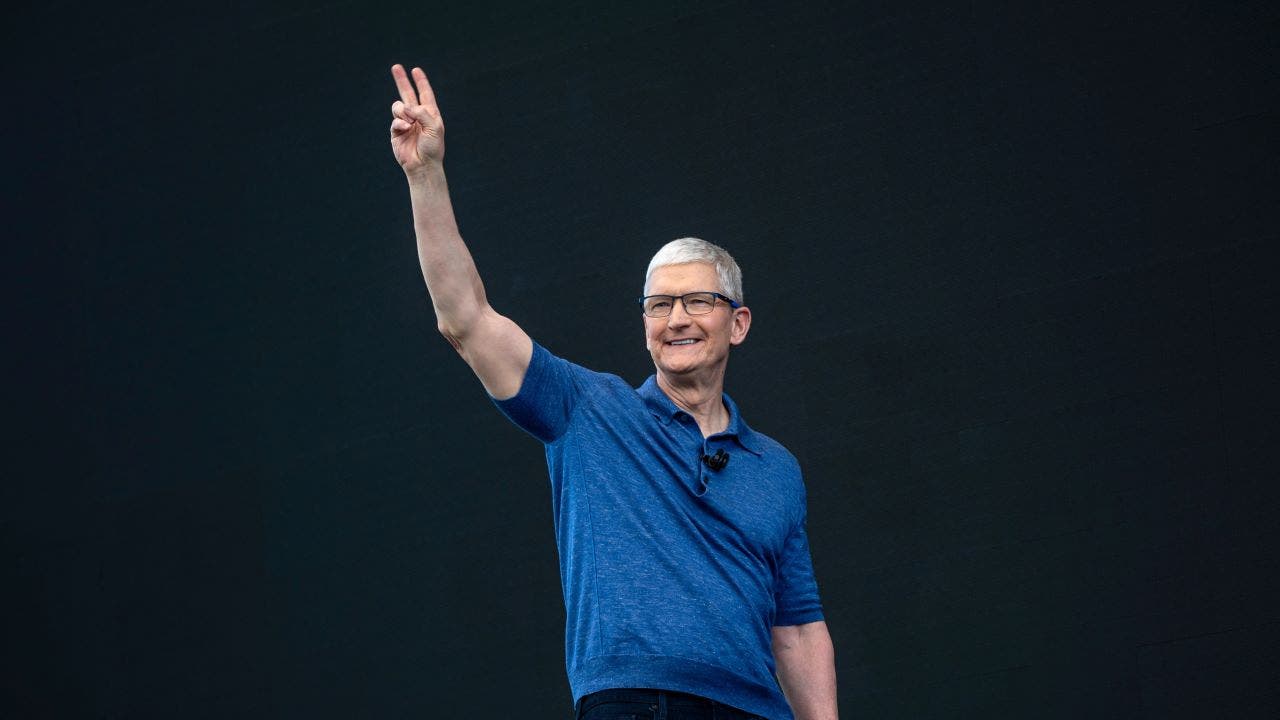
Meta Platforms Inc. Secures 6GW Nuclear Capacity with Vistra and Oklo Agreements
Written by Emily J. Thompson, Senior Investment Analyst
Updated: Jan 09 2026
0mins


Should l Buy META?
Source: Benzinga
- Major Agreement Signed: Meta's 20-year agreement with Vistra will enable the purchase of 2.6 gigawatts of energy from its nuclear fleet in Ohio and Pennsylvania, not only fulfilling its carbon-neutral power needs but also injecting significant momentum into the nuclear industry's growth.
- New Technology Development: The partnership with Oklo to develop a 1.2-gigawatt advanced nuclear technology campus signifies Big Tech's investment intentions in nuclear energy, which is expected to bolster market confidence in next-generation nuclear deployments.
- Strong Market Reaction: Following the announcement, Oklo's stock surged nearly 20% and Vistra's climbed over 10%, reflecting investor optimism about the future of nuclear energy and further driving stock increases across the entire nuclear supply chain.
- Industry-Wide Impact: With Meta's involvement, stocks of nuclear-related companies like NuScale Power, Cameco, and Energy Fuels also rose, indicating that the role of nuclear energy as a critical infrastructure component of the AI revolution is gradually being recognized by the market.
Trade with 70% Backtested Accuracy
Stop guessing "Should I Buy META?" and start using high-conviction signals backed by rigorous historical data.
Sign up today to access powerful investing tools and make smarter, data-driven decisions.
Analyst Views on META
Wall Street analysts forecast META stock price to rise
44 Analyst Rating
37 Buy
6 Hold
1 Sell
Strong Buy
Current: 670.910

Low
655.15
Averages
824.71
High
1117
Current: 670.910
Low
655.15
Averages
824.71
High
1117
About META
Meta Platforms, Inc. is building human connections, powered by artificial intelligence and immersive technologies. The Company's products enable people to connect and share with friends and family through mobile devices, personal computers, virtual reality (VR) and mixed reality (MR) headsets, augmented reality (AR), and wearables. It also helps people discover and learn about what is going on in the world around them, enabling people to share their experiences, ideas, photos, videos, and other content with audiences ranging from their closest family members and friends to the public at large. The Company's segments include Family of Apps (FoA) and Reality Labs (RL). FoA segment includes Facebook, Instagram, Messenger, WhatsApp and Threads. RL segment includes its virtual, augmented, and mixed reality related consumer hardware, software and content. Its product offerings in VR include its Meta Quest devices, as well as software and content available through the Meta Horizon Store.
About the author

Emily J. Thompson
Emily J. Thompson, a Chartered Financial Analyst (CFA) with 12 years in investment research, graduated with honors from the Wharton School. Specializing in industrial and technology stocks, she provides in-depth analysis for Intellectia’s earnings and market brief reports.
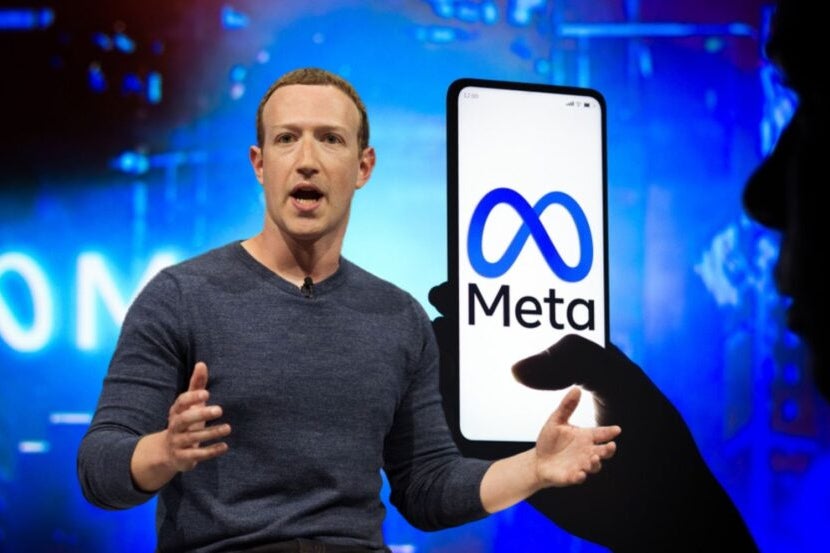
Meta Begins $1 Billion Data Center Construction in Oklahoma

- Massive Investment: Meta has commenced construction on a new data center in Tulsa, Oklahoma, with a project value exceeding $1 billion, aimed at bolstering its AI infrastructure to meet the growing demand for computing power.
- Intensifying Industry Competition: As Meta accelerates its data center development, competition with other Big Tech firms intensifies, particularly in the pursuit of superintelligence technologies, highlighting the company's commitment to future technological advancements.
- Rising Environmental Concerns: Despite the critical need for expanded data centers to enhance computing capabilities, increasing pushback from environmental and consumer groups against energy-intensive expansions may impact the project's sustainability and social responsibility.
- Strategic Implications: This investment not only strengthens infrastructure but also represents a key move for Meta to solidify its market position in the global tech race, indicating a long-term commitment to future technology landscapes.
See More

The Future of Tech Stocks: Challenges and Opportunities for the Magnificent Seven

- Poor Performance of Magnificent Seven: In the first quarter, every stock in the Magnificent Seven experienced negative growth, with declines ranging from 6% to 23%, reflecting a significant drop in investor confidence in growth stocks amid uncertainties like the Iran conflict.
- Challenging Market Environment: The war in Iran has driven up oil prices and complicated industrial supply deliveries, exacerbating investor concerns about tech stocks, particularly regarding the future returns of AI investments.
- Historical Performance Review: Despite facing challenges, the Magnificent Seven has achieved triple or quadruple-digit growth over the past 20 years, with historical data indicating that quality tech stocks tend to rebound quickly, providing hope for shareholders.
- Diversification Investment Strategy: While the Magnificent Seven remains a key growth driver, other strong tech companies like Broadcom and Oracle are also showing impressive growth, suggesting that investors should consider diversifying their portfolios to capture broader market opportunities amid the AI boom.
See More

Magnificent Seven Tech Stocks Struggle in Q1
- Q1 Performance Decline: In the first quarter of 2023, all Magnificent Seven tech stocks experienced negative performance, with declines ranging from 6% to 23%, indicating a waning investor confidence in high-growth stocks amid escalating uncertainties from the Iran conflict.
- Investor Hesitation: Concerns over AI investment levels have led investors to hesitate before buying these previously high-performing tech stocks, resulting in a cooling of enthusiasm for the Magnificent Seven and impacting their stock price stability and future growth expectations.
- Historical Performance Review: Despite facing short-term challenges, these tech giants have shown triple or quadruple-digit growth over the past 20 years, rebounding from crises, which reinforces shareholder confidence in their long-term growth potential.
- Diversification Strategy: While the Magnificent Seven remains a focal point, other strong tech players like Broadcom and Oracle are also delivering impressive growth, suggesting that investors should consider diversification to capture broader market opportunities.
See More
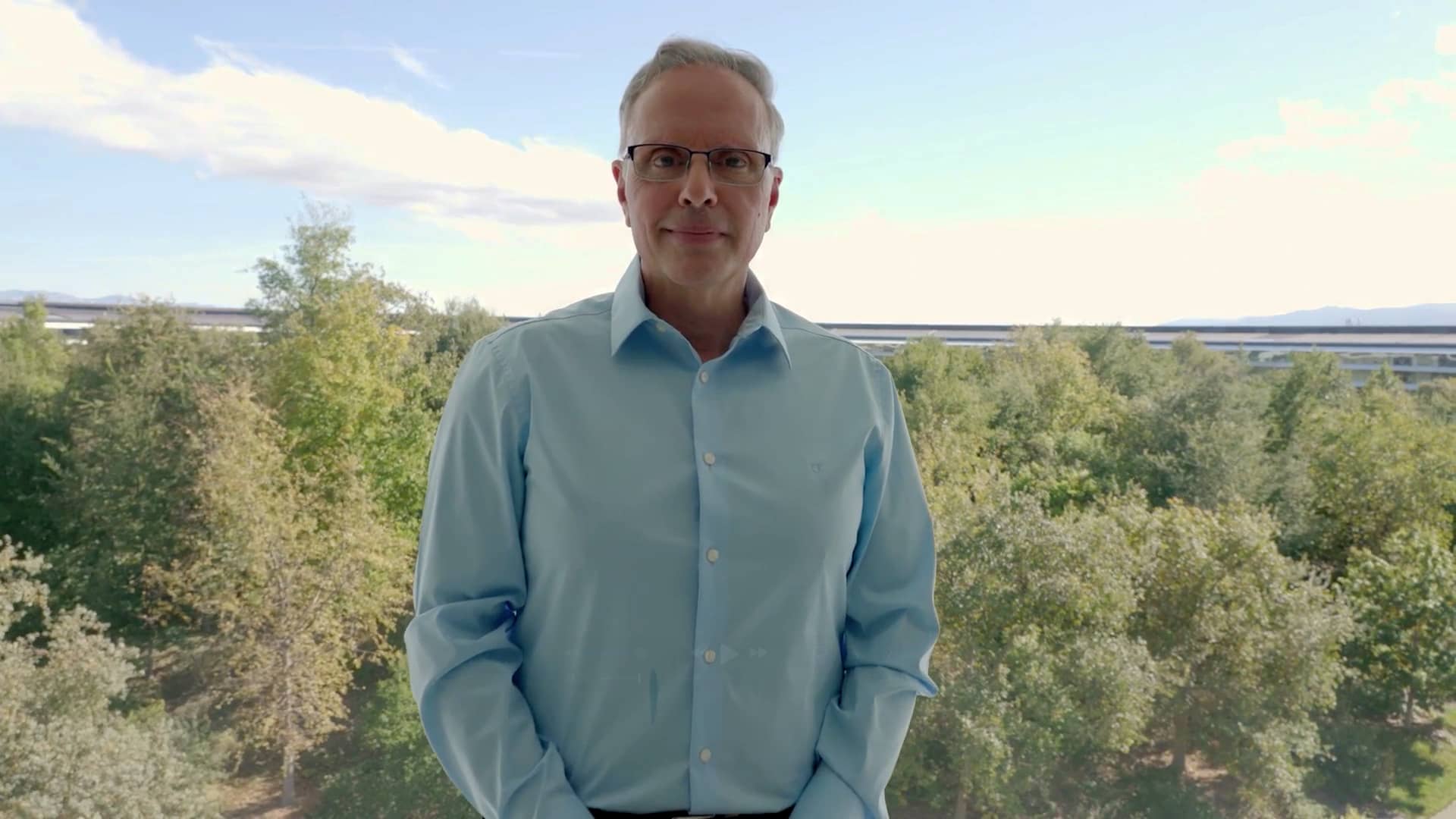
Apple Appoints New CEO and Hardware Chief Amid Strategic Shift

- Executive Transition: Apple has announced that hardware chief John Ternus will take over as CEO on September 1, succeeding Tim Cook, indicating a significant leadership change that may impact the company's strategic direction.
- Chip Strategy Enhancement: Johny Srouji has been appointed as Chief Hardware Engineer, overseeing the development of Apple's in-house chips, signaling the company's commitment to reducing reliance on external suppliers and strengthening its autonomy in chip design.
- AI Capability Boost: Apple's chip team has scaled to thousands of engineers focused on enhancing AI performance on devices, which is expected to further solidify its competitive edge in the smart device market.
- Supply Chain Localization: Apple has committed to a $600 billion investment in the U.S. to establish an end-to-end silicon supply chain, reflecting its emphasis on American manufacturing while potentially enhancing supply chain stability in the global market.
See More
Trump Calls Tim Cook an 'Incredible Guy' in Truth Social Post


- Tribute to Cook: Trump referred to Cook as an 'incredible guy' in a Truth Social post, recalling an early phone call that highlights their close relationship, which may influence Apple's policies and interests.
- Policy Influence: Cook successfully secured tariff exemptions critical to Apple's operations during Trump's presidency, with Trump acknowledging his assistance, indicating a strategy where business leaders leverage relationships with the president to advance corporate interests.
- Transactional Dynamics: Trump's post reveals a 'transactional' relationship with business leaders, with experts noting that this model could affect the ideal of governance, reflecting how companies seek policy support through personal connections.
- Apple's Future Leadership: Cook will step down as CEO on September 1, with hardware engineering SVP John Ternus taking over, while Apple stated that Cook will continue to engage with policymakers, ensuring the company's competitive edge in the regulatory landscape.
See More
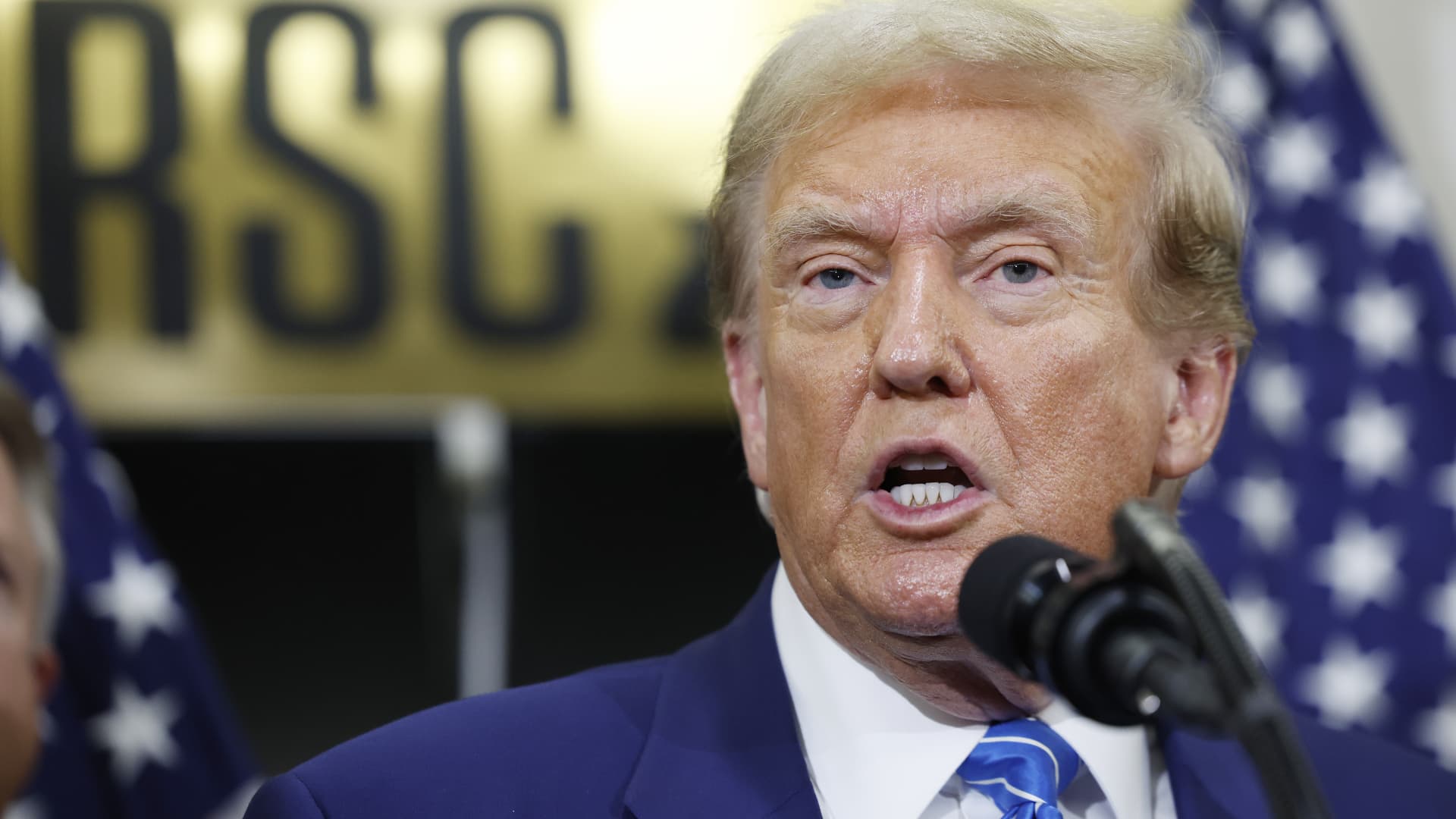
Apple Appoints New Hardware Chief, Strengthens Chip Strategy

- Executive Appointments: Apple has appointed Johny Srouji as Chief Hardware Officer while naming John Ternus as the new CEO, marking a significant step in the company's push towards in-house chip development, which is expected to enhance its competitive edge in the market.
- Chip Autonomy Strategy: Srouji's new role underscores Apple's commitment to in-house chip design, reducing reliance on external suppliers, particularly in the AI sector, which is anticipated to improve product performance and user experience.
- Global Engineering Team Expansion: Apple's chip team has scaled to thousands of engineers across multiple countries, including Israel, Germany, and the U.S., demonstrating its capability and resource integration in global R&D efforts.
- Future Development Direction: Apple plans to continue investing in domestic chip production over the next few years, which is expected to drive innovation in AI and other high-tech fields, further solidifying its market position.
See More
Meta Begins $1 Billion Data Center Construction in Oklahoma
- Massive Investment: Meta has commenced construction on a new data center in Tulsa, Oklahoma, with a project value exceeding $1 billion, aimed at bolstering its AI infrastructure to meet the growing demand for computing power.
- Intensifying Industry Competition: As Meta accelerates its data center development, competition with other Big Tech firms intensifies, particularly in the pursuit of superintelligence technologies, highlighting the company's commitment to future technological advancements.
- Rising Environmental Concerns: Despite the critical need for expanded data centers to enhance computing capabilities, increasing pushback from environmental and consumer groups against energy-intensive expansions may impact the project's sustainability and social responsibility.
- Strategic Implications: This investment not only strengthens infrastructure but also represents a key move for Meta to solidify its market position in the global tech race, indicating a long-term commitment to future technology landscapes.
See More
The Future of Tech Stocks: Challenges and Opportunities for the Magnificent Seven
- Poor Performance of Magnificent Seven: In the first quarter, every stock in the Magnificent Seven experienced negative growth, with declines ranging from 6% to 23%, reflecting a significant drop in investor confidence in growth stocks amid uncertainties like the Iran conflict.
- Challenging Market Environment: The war in Iran has driven up oil prices and complicated industrial supply deliveries, exacerbating investor concerns about tech stocks, particularly regarding the future returns of AI investments.
- Historical Performance Review: Despite facing challenges, the Magnificent Seven has achieved triple or quadruple-digit growth over the past 20 years, with historical data indicating that quality tech stocks tend to rebound quickly, providing hope for shareholders.
- Diversification Investment Strategy: While the Magnificent Seven remains a key growth driver, other strong tech companies like Broadcom and Oracle are also showing impressive growth, suggesting that investors should consider diversifying their portfolios to capture broader market opportunities amid the AI boom.
See More
Magnificent Seven Tech Stocks Struggle in Q1
- Q1 Performance Decline: In the first quarter of 2023, all Magnificent Seven tech stocks experienced negative performance, with declines ranging from 6% to 23%, indicating a waning investor confidence in high-growth stocks amid escalating uncertainties from the Iran conflict.
- Investor Hesitation: Concerns over AI investment levels have led investors to hesitate before buying these previously high-performing tech stocks, resulting in a cooling of enthusiasm for the Magnificent Seven and impacting their stock price stability and future growth expectations.
- Historical Performance Review: Despite facing short-term challenges, these tech giants have shown triple or quadruple-digit growth over the past 20 years, rebounding from crises, which reinforces shareholder confidence in their long-term growth potential.
- Diversification Strategy: While the Magnificent Seven remains a focal point, other strong tech players like Broadcom and Oracle are also delivering impressive growth, suggesting that investors should consider diversification to capture broader market opportunities.
See More
Apple Appoints New CEO and Hardware Chief Amid Strategic Shift
- Executive Transition: Apple has announced that hardware chief John Ternus will take over as CEO on September 1, succeeding Tim Cook, indicating a significant leadership change that may impact the company's strategic direction.
- Chip Strategy Enhancement: Johny Srouji has been appointed as Chief Hardware Engineer, overseeing the development of Apple's in-house chips, signaling the company's commitment to reducing reliance on external suppliers and strengthening its autonomy in chip design.
- AI Capability Boost: Apple's chip team has scaled to thousands of engineers focused on enhancing AI performance on devices, which is expected to further solidify its competitive edge in the smart device market.
- Supply Chain Localization: Apple has committed to a $600 billion investment in the U.S. to establish an end-to-end silicon supply chain, reflecting its emphasis on American manufacturing while potentially enhancing supply chain stability in the global market.
See More
Trump Calls Tim Cook an 'Incredible Guy' in Truth Social Post
- Tribute to Cook: Trump referred to Cook as an 'incredible guy' in a Truth Social post, recalling an early phone call that highlights their close relationship, which may influence Apple's policies and interests.
- Policy Influence: Cook successfully secured tariff exemptions critical to Apple's operations during Trump's presidency, with Trump acknowledging his assistance, indicating a strategy where business leaders leverage relationships with the president to advance corporate interests.
- Transactional Dynamics: Trump's post reveals a 'transactional' relationship with business leaders, with experts noting that this model could affect the ideal of governance, reflecting how companies seek policy support through personal connections.
- Apple's Future Leadership: Cook will step down as CEO on September 1, with hardware engineering SVP John Ternus taking over, while Apple stated that Cook will continue to engage with policymakers, ensuring the company's competitive edge in the regulatory landscape.
See More
Apple Appoints New Hardware Chief, Strengthens Chip Strategy
- Executive Appointments: Apple has appointed Johny Srouji as Chief Hardware Officer while naming John Ternus as the new CEO, marking a significant step in the company's push towards in-house chip development, which is expected to enhance its competitive edge in the market.
- Chip Autonomy Strategy: Srouji's new role underscores Apple's commitment to in-house chip design, reducing reliance on external suppliers, particularly in the AI sector, which is anticipated to improve product performance and user experience.
- Global Engineering Team Expansion: Apple's chip team has scaled to thousands of engineers across multiple countries, including Israel, Germany, and the U.S., demonstrating its capability and resource integration in global R&D efforts.
- Future Development Direction: Apple plans to continue investing in domestic chip production over the next few years, which is expected to drive innovation in AI and other high-tech fields, further solidifying its market position.
See More