McMillan Shakespeare (ASX:MMS) Share Price Rises 47% Over Five Years, Outperforming Market Returns
Written by Emily J. Thompson, Senior Investment Analyst
Updated: Jan 20 2026
0mins
Should l Buy MMS?
Source: Yahoo Finance
- Long-Term Performance: McMillan Shakespeare (ASX:MMS) has seen a 47% increase in share price over the past five years, significantly outperforming the market average return of 23%, indicating strong long-term investment appeal.
- Earnings Growth: The company achieved a compound annual growth rate of 143% in earnings per share (EPS) over five years, far exceeding the 8% average annual increase in share price, suggesting a cautious market perception.
- Shareholder Return Analysis: Over the last five years, McMillan Shakespeare's total shareholder return (TSR) was 117%, surpassing the share price return, highlighting the positive impact of dividends on investor returns.
- Recent Performance Improvement: In the past year, shareholders received a total shareholder return of 25%, indicating that the company's recent performance has outpaced the annualized return of 17% over the last five years, potentially signaling enhanced business momentum.
Trade with 70% Backtested Accuracy
Stop guessing "Should I Buy MMS?" and start using high-conviction signals backed by rigorous historical data.
Sign up today to access powerful investing tools and make smarter, data-driven decisions.
Analyst Views on MMS
About MMS
Maximus, Inc. is an operator of government health and human services programs and provider of technology solutions to governments. The Company operates through three segments: U.S. Services, U.S. Federal Services, and Outside the U.S. The U.S. Services segment provides a variety of business process services (BPS), such as program administration, appeals and assessments, and related consulting work for United States state and local government programs. The U.S. Federal Services segment delivers end-to-end solutions that help various United States federal government agencies, including program operations and management, clinical services, and technology solutions. The Outside the U.S. segment provides BPS for international governments and commercial clients. The services of this segment include health and disability assessments, program administration for employment services, wellbeing solutions, and other job seeker-related services. It also delivers services in the United Kingdom.
About the author

Emily J. Thompson
Emily J. Thompson, a Chartered Financial Analyst (CFA) with 12 years in investment research, graduated with honors from the Wharton School. Specializing in industrial and technology stocks, she provides in-depth analysis for Intellectia’s earnings and market brief reports.
Value Investing: Risks and Opportunities in Current Market

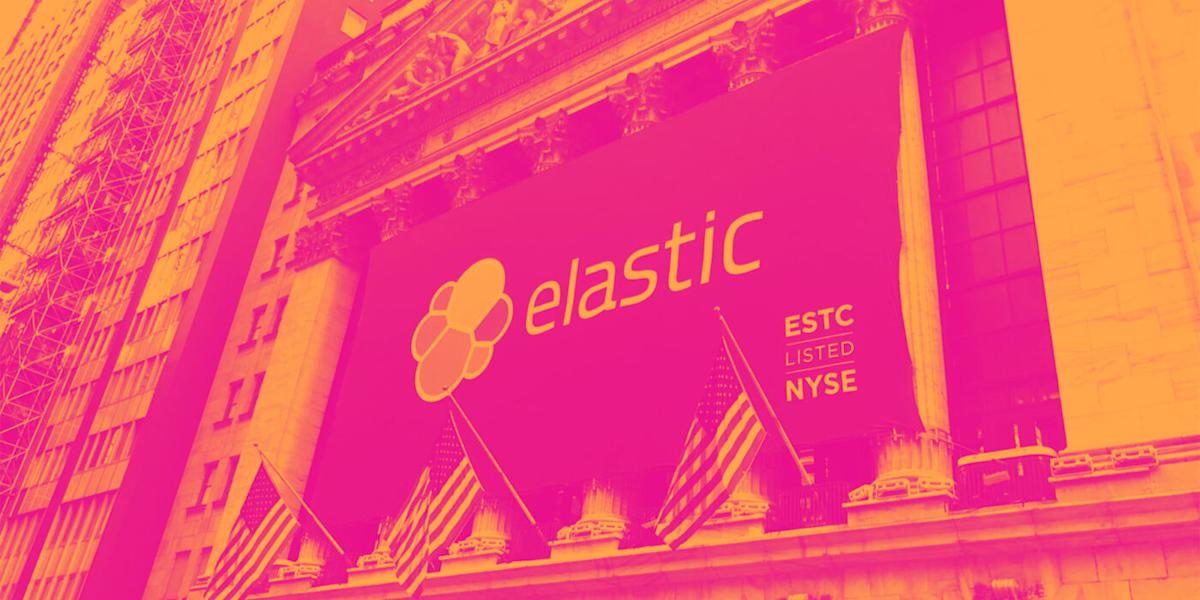
- Value Trap Warning: Elastic (ESTC) has shown an average billings growth of only 12.5%, indicating struggles in software sales that may necessitate price reductions to stimulate demand, thereby impacting future profitability and market competitiveness.
- Declining Sales Trend: Hudson Technologies (HDSN) has experienced a 7.6% annual sales decline over the past two years, with earnings per share falling by 39.1% annually, suggesting its products have failed to meet market demands effectively, posing challenges for future profitability.
- Growth Potential Analysis: Maximus (MMS) has achieved an annual revenue growth of 8.4% over the past five years, benefiting from economies of scale that provide fixed cost advantages, with a current stock price of $68.74 reflecting a forward P/E ratio of 7.7, indicating potential for continued earnings growth.
- Market Opportunity Exploration: Despite the presence of value traps, investors can leverage the StockStory platform to uncover potential high-quality companies, aiding in the identification of genuine investment opportunities within the market to enhance decision-making effectiveness.
See More
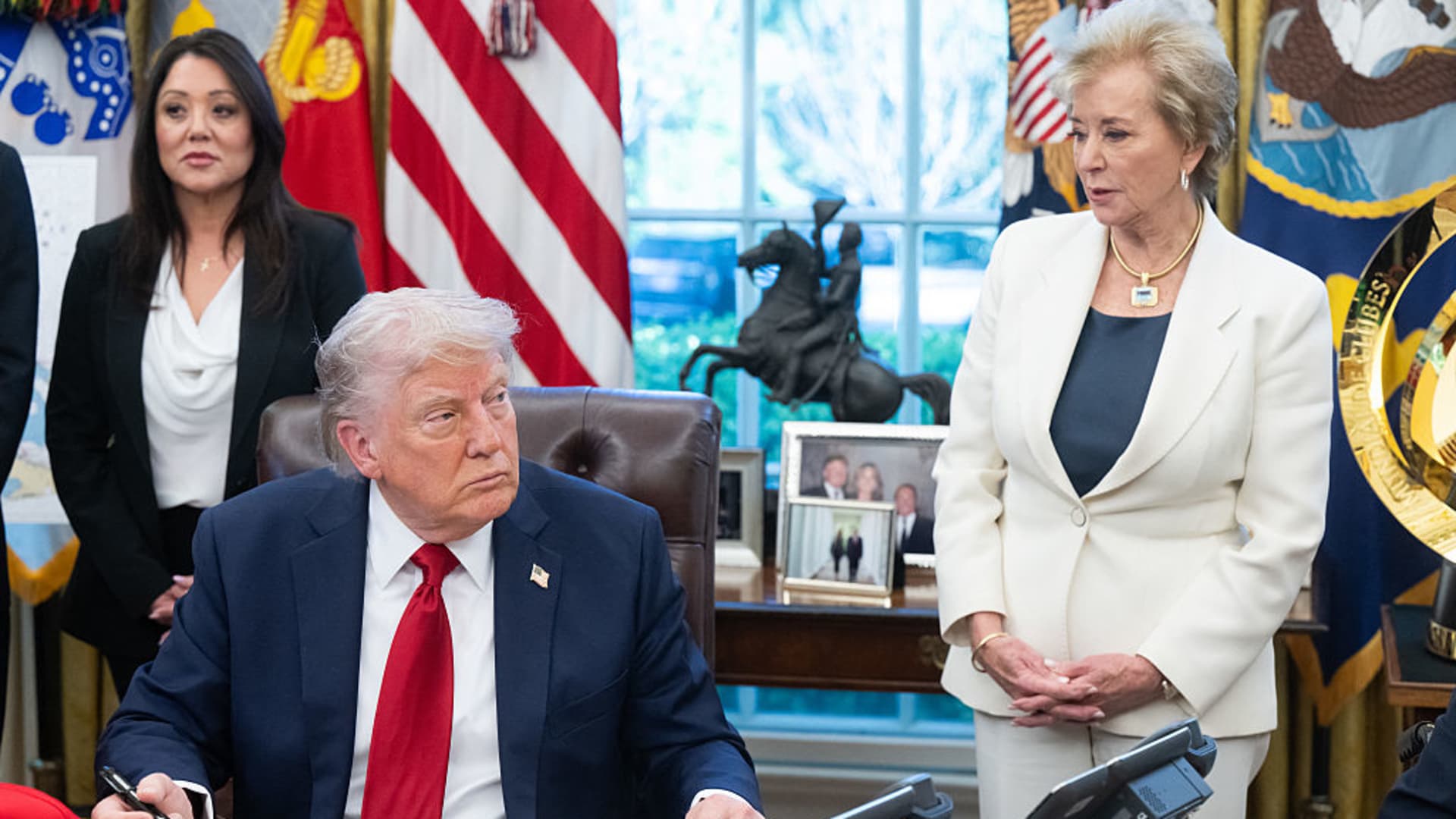
Trump Signs Executive Orders on Higher Education Amid Loan Backlog

- Loan Application Backlog: As of the end of February, over 576,000 federal student loan borrowers are still awaiting processing for income-driven repayment plan applications, indicating significant inefficiencies within the Department of Education that could exacerbate financial pressures on borrowers.
- Public Service Loan Forgiveness: An additional 88,170 borrowers are pending responses on their Public Service Loan Forgiveness buyback applications, a program designed to cancel debt for non-profit and government workers, highlighting the complexities and delays in government student loan relief efforts.
- Repayment Plan Changes: The Trump administration's policy shifts may impact existing repayment plans, particularly with the impending cancellation of the SAVE plan, which is expected to increase repayment burdens on borrowers and further strain their financial situations.
- Rising Default Rates: By December 2025, approximately 9 million borrowers were in default, with 42% of federal student loan borrowers reporting that their monthly payments hinder their ability to meet basic needs, underscoring the severe challenges posed by the current economic climate for borrowers.
See More
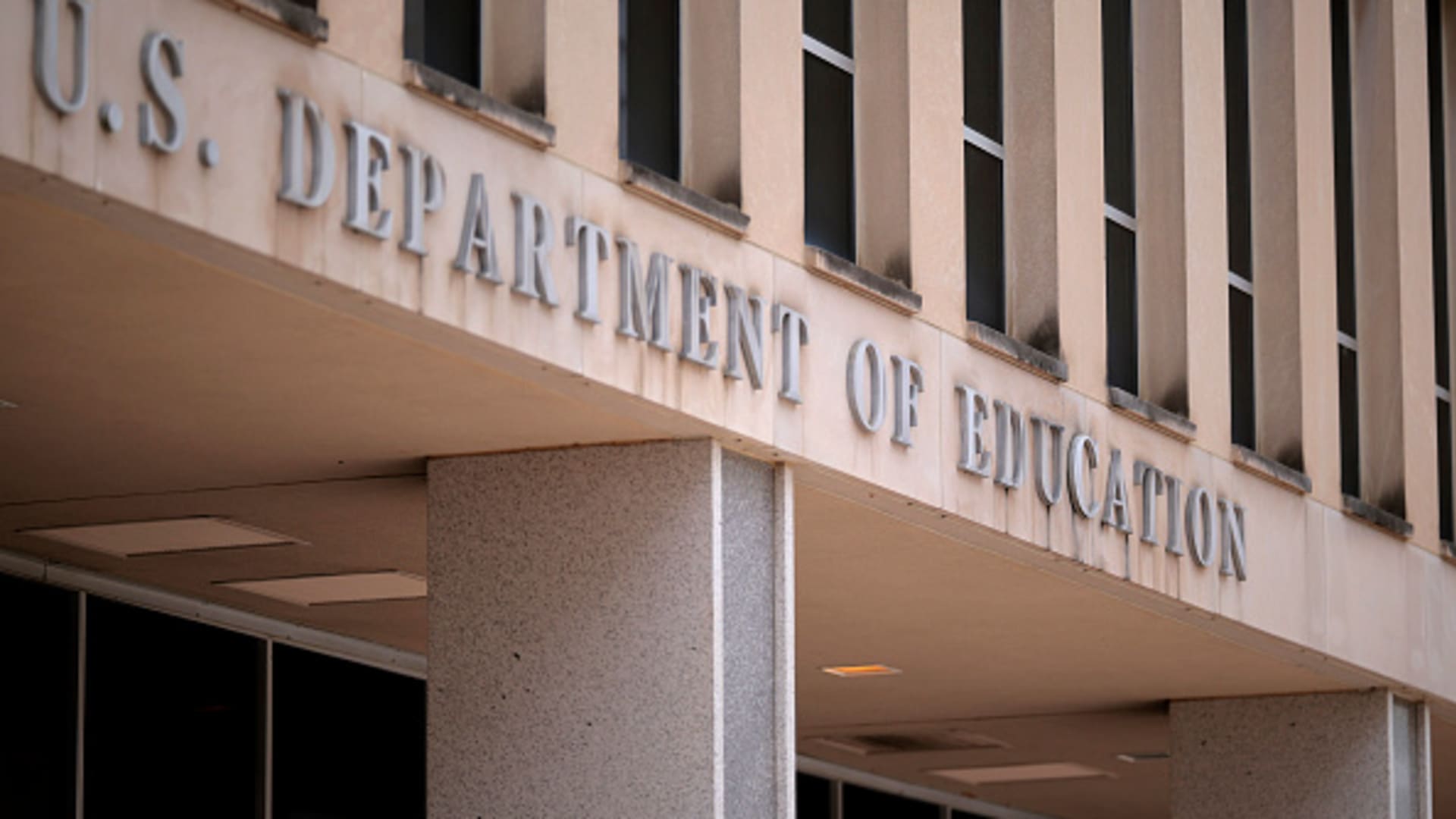
Court Orders Termination of SAVE Student Loan Repayment Plan

- Termination of SAVE Plan: The U.S. Court of Appeals for the Eighth Circuit has ordered the termination of the SAVE plan, introduced by the Biden administration to lower monthly payments for over 7 million student loan borrowers, marking a significant reversal in student loan policy.
- Impact of Legal Challenges: Following its introduction, the SAVE plan faced Republican-led legal challenges, and although a lower court dismissed the main lawsuit, the appellate court's ruling introduces greater uncertainty for borrowers' financial planning and repayment strategies.
- Borrower Hardships Intensified: Borrowers like Elizabeth Robeson from South Carolina, who borrowed $12,000 in the 1980s, now face a staggering debt of $93,000 despite making over 100 payments, highlighting the severity of the student loan crisis and its impact on working Americans.
- Uncertain Future Outlook: With the termination of the SAVE plan, borrowers' hopes for relief and debt forgiveness are dimmed, potentially leading to increased financial distress and heightened public discourse surrounding student loan policies and their implications for the economy.
See More

Federal Judge Dismisses Trump Administration's Challenge to SAVE Student Loan Plan

- Legal Challenge Dismissed: U.S. District Judge John Ross dismissed the Trump administration's multi-state lawsuit against the SAVE student loan repayment plan, ensuring millions of borrowers can access lower monthly payments and expedited forgiveness, highlighting the legal protection for borrower rights.
- Borrower Benefits: As of Q4, over 7 million student loan borrowers are enrolled in the SAVE plan, and although they were in forbearance during legal challenges, their loans have been accruing interest since August, indicating the plan provides significant financial relief under economic pressures.
- Repayment Plan Advantages: The SAVE plan allows borrowers with loans of $12,000 or less to qualify for forgiveness after 10 years, significantly shortening the repayment timeline compared to other income-driven repayment plans that typically require 20 to 25 years, enhancing borrowers' financial flexibility.
- Future Uncertainty: While the court ruling offers temporary protection for the SAVE plan, the Trump administration's intention to phase it out by July 1, 2028, introduces uncertainty regarding future policies, which could impact borrowers' long-term financial planning.
See More
Trump Administration Increases Pressure on Student Loan Repayment
- Loan Default Risk: The U.S. Department of Education warns that over 1,800 higher education institutions have student loan default rates exceeding 25%, which could jeopardize their eligibility for federal student aid programs, thereby impacting their financial stability and enrollment appeal.
- Policy Implementation Requirements: The Education Department mandates that colleges prioritize reducing student delinquency rates not only through financial aid offices but also at the institutional leadership level, prompting schools to adopt more proactive measures in student loan management.
- Borrower Dilemma Intensifies: Last year, approximately 10 million borrowers were nearing default, with the Education Department revealing that over 600,000 federal student loan holders face a backlog in applications for affordable repayment plans, highlighting delays in policy execution and the pressures on borrowers.
- Household Financial Impact: Research indicates that a median U.S. household of four earning $81,000 could see its monthly bills surge from $36 to $440 due to legislative changes, reflecting the potential negative economic impact of these policy shifts on family finances.
See More

Growing Backlog in Student Loan Forgiveness Applications
- Current Backlog Status: As of November, over 80,210 applicants are waiting in the backlog for Public Service Loan Forgiveness (PSLF) buyback applications, an increase from 74,510 in August, indicating the Department of Education's processing capacity is insufficient, which negatively impacts borrowers' financial planning and psychological expectations.
- Policy Background Analysis: Since its implementation in 2007, the PSLF program aims to provide loan forgiveness to borrowers working for certain non-profits or government entities, but delays affecting over 83,000 borrowers during the Trump administration have hindered their debt repayment progress.
- Borrower Reactions: Many borrowers feel discouraged by the long wait times, with some expressing skepticism about the approval of their applications, highlighting the need for improved transparency and efficiency from the Department of Education, which may lead to concerns about their future financial situations.
- Future Outlook: Despite the backlog, experts still recommend that eligible borrowers continue to apply for PSLF buyback, emphasizing the importance of making loan payments during the wait to avoid losing forgiveness eligibility due to plan changes, ensuring borrowers can successfully achieve debt relief.
See More
Value Investing: Risks and Opportunities in Current Market
- Value Trap Warning: Elastic (ESTC) has shown an average billings growth of only 12.5%, indicating struggles in software sales that may necessitate price reductions to stimulate demand, thereby impacting future profitability and market competitiveness.
- Declining Sales Trend: Hudson Technologies (HDSN) has experienced a 7.6% annual sales decline over the past two years, with earnings per share falling by 39.1% annually, suggesting its products have failed to meet market demands effectively, posing challenges for future profitability.
- Growth Potential Analysis: Maximus (MMS) has achieved an annual revenue growth of 8.4% over the past five years, benefiting from economies of scale that provide fixed cost advantages, with a current stock price of $68.74 reflecting a forward P/E ratio of 7.7, indicating potential for continued earnings growth.
- Market Opportunity Exploration: Despite the presence of value traps, investors can leverage the StockStory platform to uncover potential high-quality companies, aiding in the identification of genuine investment opportunities within the market to enhance decision-making effectiveness.
See More
Trump Signs Executive Orders on Higher Education Amid Loan Backlog
- Loan Application Backlog: As of the end of February, over 576,000 federal student loan borrowers are still awaiting processing for income-driven repayment plan applications, indicating significant inefficiencies within the Department of Education that could exacerbate financial pressures on borrowers.
- Public Service Loan Forgiveness: An additional 88,170 borrowers are pending responses on their Public Service Loan Forgiveness buyback applications, a program designed to cancel debt for non-profit and government workers, highlighting the complexities and delays in government student loan relief efforts.
- Repayment Plan Changes: The Trump administration's policy shifts may impact existing repayment plans, particularly with the impending cancellation of the SAVE plan, which is expected to increase repayment burdens on borrowers and further strain their financial situations.
- Rising Default Rates: By December 2025, approximately 9 million borrowers were in default, with 42% of federal student loan borrowers reporting that their monthly payments hinder their ability to meet basic needs, underscoring the severe challenges posed by the current economic climate for borrowers.
See More
Court Orders Termination of SAVE Student Loan Repayment Plan
- Termination of SAVE Plan: The U.S. Court of Appeals for the Eighth Circuit has ordered the termination of the SAVE plan, introduced by the Biden administration to lower monthly payments for over 7 million student loan borrowers, marking a significant reversal in student loan policy.
- Impact of Legal Challenges: Following its introduction, the SAVE plan faced Republican-led legal challenges, and although a lower court dismissed the main lawsuit, the appellate court's ruling introduces greater uncertainty for borrowers' financial planning and repayment strategies.
- Borrower Hardships Intensified: Borrowers like Elizabeth Robeson from South Carolina, who borrowed $12,000 in the 1980s, now face a staggering debt of $93,000 despite making over 100 payments, highlighting the severity of the student loan crisis and its impact on working Americans.
- Uncertain Future Outlook: With the termination of the SAVE plan, borrowers' hopes for relief and debt forgiveness are dimmed, potentially leading to increased financial distress and heightened public discourse surrounding student loan policies and their implications for the economy.
See More
Federal Judge Dismisses Trump Administration's Challenge to SAVE Student Loan Plan
- Legal Challenge Dismissed: U.S. District Judge John Ross dismissed the Trump administration's multi-state lawsuit against the SAVE student loan repayment plan, ensuring millions of borrowers can access lower monthly payments and expedited forgiveness, highlighting the legal protection for borrower rights.
- Borrower Benefits: As of Q4, over 7 million student loan borrowers are enrolled in the SAVE plan, and although they were in forbearance during legal challenges, their loans have been accruing interest since August, indicating the plan provides significant financial relief under economic pressures.
- Repayment Plan Advantages: The SAVE plan allows borrowers with loans of $12,000 or less to qualify for forgiveness after 10 years, significantly shortening the repayment timeline compared to other income-driven repayment plans that typically require 20 to 25 years, enhancing borrowers' financial flexibility.
- Future Uncertainty: While the court ruling offers temporary protection for the SAVE plan, the Trump administration's intention to phase it out by July 1, 2028, introduces uncertainty regarding future policies, which could impact borrowers' long-term financial planning.
See More
Trump Administration Increases Pressure on Student Loan Repayment
- Loan Default Risk: The U.S. Department of Education warns that over 1,800 higher education institutions have student loan default rates exceeding 25%, which could jeopardize their eligibility for federal student aid programs, thereby impacting their financial stability and enrollment appeal.
- Policy Implementation Requirements: The Education Department mandates that colleges prioritize reducing student delinquency rates not only through financial aid offices but also at the institutional leadership level, prompting schools to adopt more proactive measures in student loan management.
- Borrower Dilemma Intensifies: Last year, approximately 10 million borrowers were nearing default, with the Education Department revealing that over 600,000 federal student loan holders face a backlog in applications for affordable repayment plans, highlighting delays in policy execution and the pressures on borrowers.
- Household Financial Impact: Research indicates that a median U.S. household of four earning $81,000 could see its monthly bills surge from $36 to $440 due to legislative changes, reflecting the potential negative economic impact of these policy shifts on family finances.
See More
Growing Backlog in Student Loan Forgiveness Applications
- Current Backlog Status: As of November, over 80,210 applicants are waiting in the backlog for Public Service Loan Forgiveness (PSLF) buyback applications, an increase from 74,510 in August, indicating the Department of Education's processing capacity is insufficient, which negatively impacts borrowers' financial planning and psychological expectations.
- Policy Background Analysis: Since its implementation in 2007, the PSLF program aims to provide loan forgiveness to borrowers working for certain non-profits or government entities, but delays affecting over 83,000 borrowers during the Trump administration have hindered their debt repayment progress.
- Borrower Reactions: Many borrowers feel discouraged by the long wait times, with some expressing skepticism about the approval of their applications, highlighting the need for improved transparency and efficiency from the Department of Education, which may lead to concerns about their future financial situations.
- Future Outlook: Despite the backlog, experts still recommend that eligible borrowers continue to apply for PSLF buyback, emphasizing the importance of making loan payments during the wait to avoid losing forgiveness eligibility due to plan changes, ensuring borrowers can successfully achieve debt relief.
See More