Markel Appoints New Chief Information Officer
Written by Emily J. Thompson, Senior Investment Analyst
Updated: Mar 11 2026
0mins
Should l Buy MKL?
Source: PRnewswire
- Executive Appointment: Markel Insurance has appointed Phil Jones as Chief Information Officer for International, effective immediately, aiming to drive operational excellence by defining and delivering a technology vision that enhances the company's competitiveness in international markets.
- Technology Strategy: Jones will work closely with international leadership and IT teams, focusing on strengthening system resilience, improving service quality, and accelerating innovation to support Markel's global business development.
- Data Value Enhancement: He will champion closer collaboration between technology and business teams, aiming to unlock greater value from data through modernized technology infrastructure and high-performing systems, thereby enhancing capabilities across regional businesses.
- Leadership Investment: Jones's appointment underscores Markel's ongoing investment in exceptional leadership to support scalable growth and strengthen its capabilities across diverse international markets.
Trade with 70% Backtested Accuracy
Stop guessing "Should I Buy MKL?" and start using high-conviction signals backed by rigorous historical data.
Sign up today to access powerful investing tools and make smarter, data-driven decisions.
Analyst Views on MKL
About MKL
Markel Group Inc. is a holding company comprised of a diverse group of companies and investments with specialty insurance at its core. It has four reportable segments: Markel Insurance, Industrial, Financial, and Consumer and Other. The Markel Insurance segment is the Company's core specialty insurance business, which comprises underwriting and other insurance-related activities. The Industrial segment consists of businesses that distribute building products, provide fire protection and life safety solutions, and manufacture a variety of products, including precast concrete, car hauler equipment, food processing equipment, flooring for dry van trailers, dredges, and wall systems. The Financial segment consists of businesses that operate in the insurance services and investment management industries. The Consumer and Other segment consists of businesses that produce ornamental houseplants, build homes, design leather handbags, and own and operate manufactured housing communities.
About the author

Emily J. Thompson
Emily J. Thompson, a Chartered Financial Analyst (CFA) with 12 years in investment research, graduated with honors from the Wharton School. Specializing in industrial and technology stocks, she provides in-depth analysis for Intellectia’s earnings and market brief reports.
Markel Appoints James Shankland as Head of U.S. Ocean Cargo

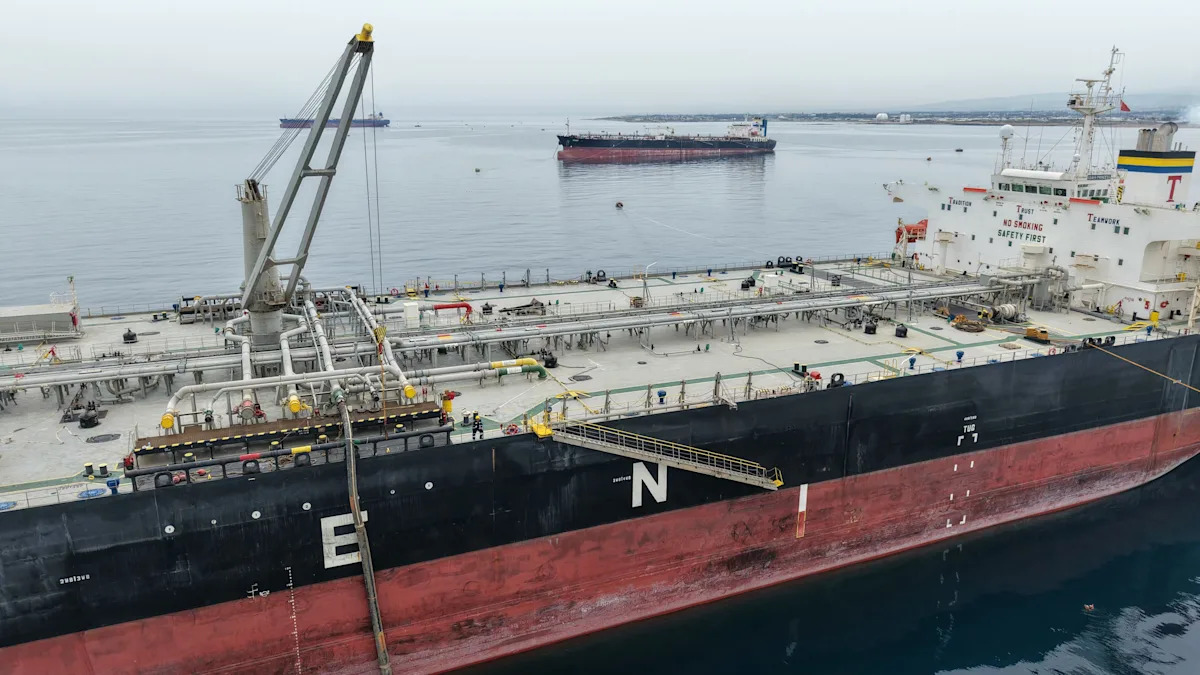
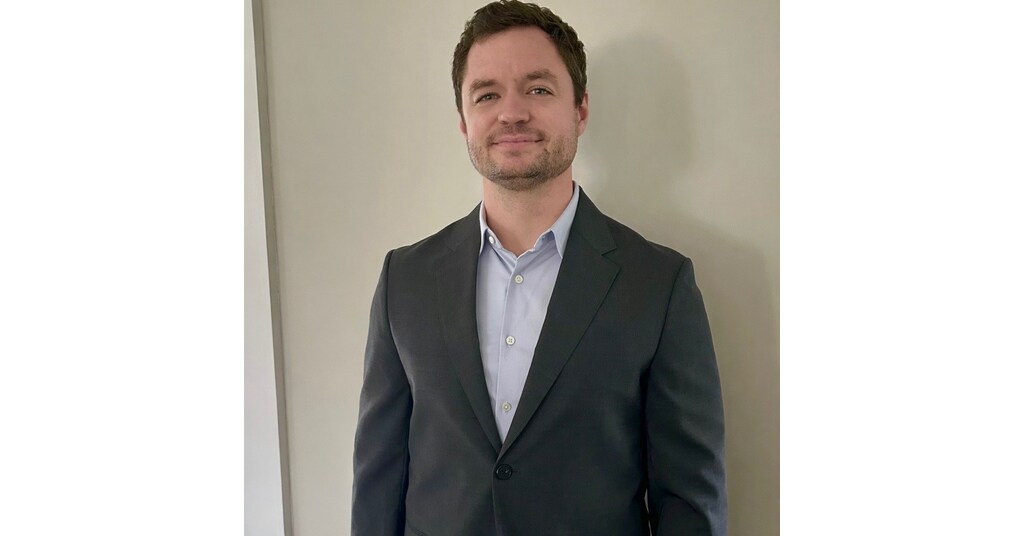
- Leadership Appointment: Markel has appointed James Shankland as Head of U.S. Ocean Cargo, where he will drive the growth of the U.S. cargo portfolio by closely collaborating with actuarial, claims, and operations teams to ensure disciplined execution across the business.
- Global Investment: This appointment reflects Markel's ongoing investment in its global cargo portfolio, aiming to leverage global experience to deliver specialized solutions to U.S. customers, thereby enhancing its competitive edge in the market.
- Industry Experience: Shankland brings extensive marine cargo underwriting leadership experience from leading global insurers, having managed significant cargo portfolios at AIG, showcasing exceptional underwriting discipline and broker engagement capabilities.
- Market Demand: Shankland expressed that there is strong demand in the U.S. market for consistent underwriting, technical expertise, and meaningful capacity, and he looks forward to closely collaborating with brokers and clients to deliver solutions that address their evolving ocean cargo risks.
See More

Markel Appoints James Shankland as Head of U.S. Ocean Cargo
- Leadership Appointment: Markel has appointed James Shankland as Head of U.S. Ocean Cargo, aiming to leverage his extensive experience to drive growth in the U.S. cargo portfolio, thereby enhancing the company's competitive edge in complex risk management.
- Strategic Investment: This appointment reflects Markel's ongoing investment in its global cargo portfolio, emphasizing the delivery of specialized solutions to U.S. customers by leveraging global expertise to address increasingly complex market risks.
- Market Demand Response: Shankland noted a strong demand for consistent underwriting, technical expertise, and meaningful capacity, indicating that this strategy will better position Markel to meet evolving ocean cargo risk needs of clients.
- Experience Background: Shankland brings deep marine cargo underwriting leadership experience from leading global insurers, having managed significant cargo portfolios at AIG, showcasing strong underwriting discipline and broker engagement capabilities.
See More

Brookfield Corporation's Investment Transformation
- Clear Investment Goals: Brookfield Corporation aims to achieve a 20% annual growth in distributable earnings over the next five years, and while this target is ambitious, success could significantly enhance its market performance and attract more investor interest.
- Diverse Investment Focus: The company is concentrating on five key investment categories: infrastructure, renewable power, real estate, private equity, and credit, which are viewed as crucial drivers for global growth, showcasing the company's confidence in long-term expansion.
- Strong Capital Base: Brookfield currently has approximately $180 billion in its own capital, $135 billion in insurance assets, and $1 trillion in assets under management, with steady growth in these figures being a key indicator of the company's success, reflecting strong investment returns.
- Global Investment Presence: With operations in over 50 countries, Brookfield's extensive market coverage and diversified investment portfolio position it favorably in future market competition, further solidifying its leadership in the industry.
See More

Brookfield Corporation Transforms into Investment-Led Insurance Company
- Clear Transformation Goal: Brookfield Corporation is reshaping its business to become an investment-led insurance company, aiming for a 20% annual growth in distributable earnings over the next five years, which, if achieved, would significantly enhance its market competitiveness.
- Diverse Investment Focus: The company is concentrating on five investment categories: infrastructure, renewable power, real estate, private equity, and credit, believing these areas will be crucial for global growth, showcasing its broad investment vision.
- Strong Capital Base: Brookfield currently has approximately $180 billion in its own capital, $135 billion in insurance assets, and $1 trillion in assets under management, with steady growth in these figures being critical for achieving its long-term goals.
- Market Performance Potential: Although Brookfield Corporation has not been listed among the best investment stocks by Motley Fool Stock Advisor, its successful transformation could lead to outperforming the market in the future, drawing more investor attention.
See More

Brookfield Corporation's Investment Transformation
- Investment Goal Setting: Brookfield Corporation aims to achieve a 20% annual growth in distributable earnings over the next five years, a bold target that, if met, could significantly enhance its market performance and attract more investor interest.
- Diverse Investment Focus: The company is concentrating on five key investment categories: infrastructure, renewable power, real estate, private equity, and credit, which are viewed as crucial drivers for global growth, showcasing its strategic vision for global investment.
- Strong Capital Base: Brookfield currently has approximately $180 billion in its own capital, $135 billion in insurance assets, and $1 trillion in assets under management, providing a solid foundation for achieving its long-term goals and demonstrating its robust investment capability.
- Market Competitiveness Analysis: Although Brookfield was not included in The Motley Fool's current top investment picks, its investment model, similar to that of Berkshire Hathaway, could lead to market outperformance if effectively executed in the future.
See More
Berkshire Shares Face Longest Losing Streak in Over 7 Years


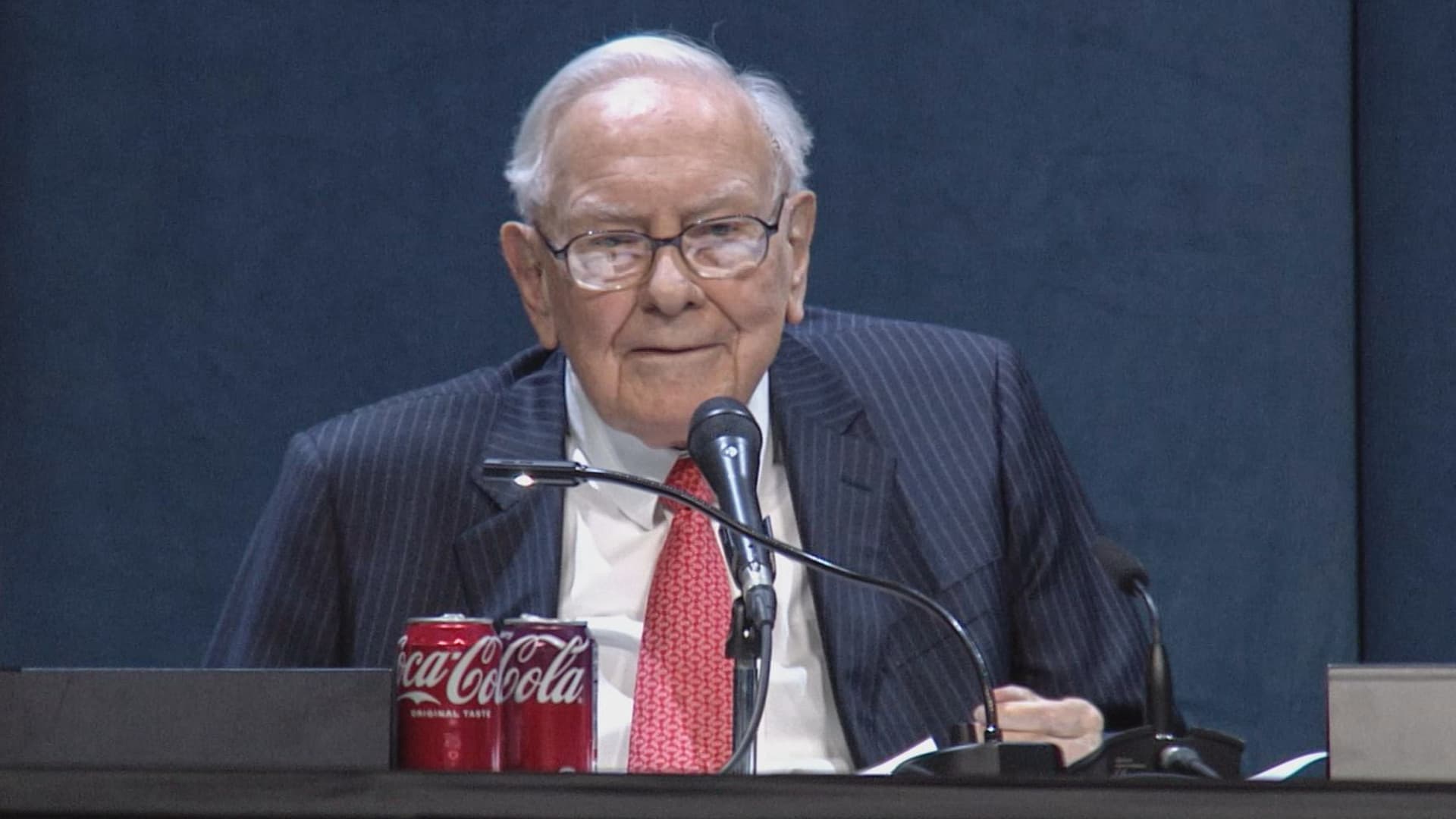
- Stock Price Decline: Berkshire Hathaway shares have experienced an eight-day losing streak, the longest since December 2018, with Class A shares down 4.7% and Class B shares down 4.9%, reflecting market concerns over rising energy prices and global uncertainties.
- Market Underperformance: During the same period, the S&P 500 index has dropped 5.2%, indicating overall market weakness, with Berkshire's year-to-date losses nearing 7%, aligning with the declining investor confidence.
- Strong Returns from Japanese Investment: Berkshire's latest investment in Japan has shown robust performance, with Tokio Marine Holdings' shares soaring over 24% following the announcement of an $1.8 billion stake, bringing its market value close to $2.3 billion, highlighting the company's potential for international expansion.
- Strategic Partnership Outlook: Tokio Marine emphasized that the collaboration with Berkshire is not merely a business alliance but a long-term strategic relationship, expected to create compelling long-term growth opportunities for both companies, further solidifying Berkshire's leadership in the insurance sector.
See More
Markel Appoints James Shankland as Head of U.S. Ocean Cargo
- Leadership Appointment: Markel has appointed James Shankland as Head of U.S. Ocean Cargo, where he will drive the growth of the U.S. cargo portfolio by closely collaborating with actuarial, claims, and operations teams to ensure disciplined execution across the business.
- Global Investment: This appointment reflects Markel's ongoing investment in its global cargo portfolio, aiming to leverage global experience to deliver specialized solutions to U.S. customers, thereby enhancing its competitive edge in the market.
- Industry Experience: Shankland brings extensive marine cargo underwriting leadership experience from leading global insurers, having managed significant cargo portfolios at AIG, showcasing exceptional underwriting discipline and broker engagement capabilities.
- Market Demand: Shankland expressed that there is strong demand in the U.S. market for consistent underwriting, technical expertise, and meaningful capacity, and he looks forward to closely collaborating with brokers and clients to deliver solutions that address their evolving ocean cargo risks.
See More
Markel Appoints James Shankland as Head of U.S. Ocean Cargo
- Leadership Appointment: Markel has appointed James Shankland as Head of U.S. Ocean Cargo, aiming to leverage his extensive experience to drive growth in the U.S. cargo portfolio, thereby enhancing the company's competitive edge in complex risk management.
- Strategic Investment: This appointment reflects Markel's ongoing investment in its global cargo portfolio, emphasizing the delivery of specialized solutions to U.S. customers by leveraging global expertise to address increasingly complex market risks.
- Market Demand Response: Shankland noted a strong demand for consistent underwriting, technical expertise, and meaningful capacity, indicating that this strategy will better position Markel to meet evolving ocean cargo risk needs of clients.
- Experience Background: Shankland brings deep marine cargo underwriting leadership experience from leading global insurers, having managed significant cargo portfolios at AIG, showcasing strong underwriting discipline and broker engagement capabilities.
See More
Brookfield Corporation's Investment Transformation
- Clear Investment Goals: Brookfield Corporation aims to achieve a 20% annual growth in distributable earnings over the next five years, and while this target is ambitious, success could significantly enhance its market performance and attract more investor interest.
- Diverse Investment Focus: The company is concentrating on five key investment categories: infrastructure, renewable power, real estate, private equity, and credit, which are viewed as crucial drivers for global growth, showcasing the company's confidence in long-term expansion.
- Strong Capital Base: Brookfield currently has approximately $180 billion in its own capital, $135 billion in insurance assets, and $1 trillion in assets under management, with steady growth in these figures being a key indicator of the company's success, reflecting strong investment returns.
- Global Investment Presence: With operations in over 50 countries, Brookfield's extensive market coverage and diversified investment portfolio position it favorably in future market competition, further solidifying its leadership in the industry.
See More
Brookfield Corporation Transforms into Investment-Led Insurance Company
- Clear Transformation Goal: Brookfield Corporation is reshaping its business to become an investment-led insurance company, aiming for a 20% annual growth in distributable earnings over the next five years, which, if achieved, would significantly enhance its market competitiveness.
- Diverse Investment Focus: The company is concentrating on five investment categories: infrastructure, renewable power, real estate, private equity, and credit, believing these areas will be crucial for global growth, showcasing its broad investment vision.
- Strong Capital Base: Brookfield currently has approximately $180 billion in its own capital, $135 billion in insurance assets, and $1 trillion in assets under management, with steady growth in these figures being critical for achieving its long-term goals.
- Market Performance Potential: Although Brookfield Corporation has not been listed among the best investment stocks by Motley Fool Stock Advisor, its successful transformation could lead to outperforming the market in the future, drawing more investor attention.
See More
Brookfield Corporation's Investment Transformation
- Investment Goal Setting: Brookfield Corporation aims to achieve a 20% annual growth in distributable earnings over the next five years, a bold target that, if met, could significantly enhance its market performance and attract more investor interest.
- Diverse Investment Focus: The company is concentrating on five key investment categories: infrastructure, renewable power, real estate, private equity, and credit, which are viewed as crucial drivers for global growth, showcasing its strategic vision for global investment.
- Strong Capital Base: Brookfield currently has approximately $180 billion in its own capital, $135 billion in insurance assets, and $1 trillion in assets under management, providing a solid foundation for achieving its long-term goals and demonstrating its robust investment capability.
- Market Competitiveness Analysis: Although Brookfield was not included in The Motley Fool's current top investment picks, its investment model, similar to that of Berkshire Hathaway, could lead to market outperformance if effectively executed in the future.
See More
Berkshire Shares Face Longest Losing Streak in Over 7 Years
- Stock Price Decline: Berkshire Hathaway shares have experienced an eight-day losing streak, the longest since December 2018, with Class A shares down 4.7% and Class B shares down 4.9%, reflecting market concerns over rising energy prices and global uncertainties.
- Market Underperformance: During the same period, the S&P 500 index has dropped 5.2%, indicating overall market weakness, with Berkshire's year-to-date losses nearing 7%, aligning with the declining investor confidence.
- Strong Returns from Japanese Investment: Berkshire's latest investment in Japan has shown robust performance, with Tokio Marine Holdings' shares soaring over 24% following the announcement of an $1.8 billion stake, bringing its market value close to $2.3 billion, highlighting the company's potential for international expansion.
- Strategic Partnership Outlook: Tokio Marine emphasized that the collaboration with Berkshire is not merely a business alliance but a long-term strategic relationship, expected to create compelling long-term growth opportunities for both companies, further solidifying Berkshire's leadership in the insurance sector.
See More