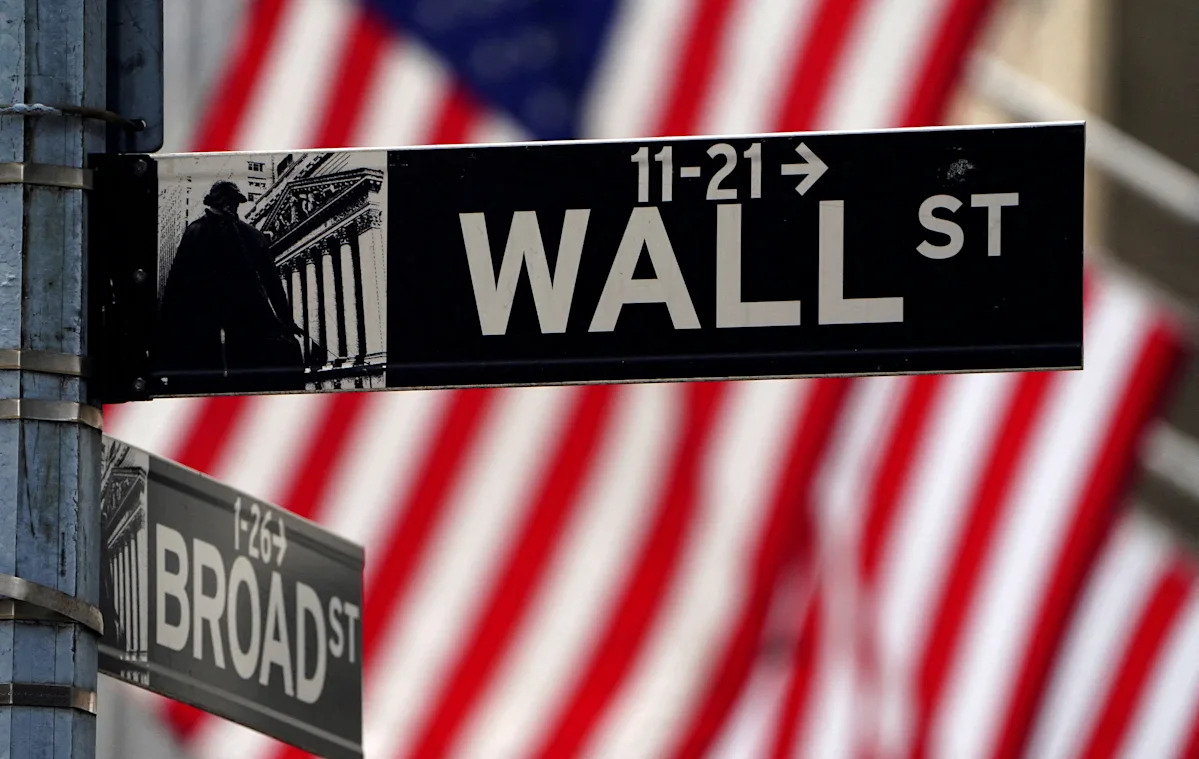
Lucid Group Secures $750 Million Funding and New CEO: Is a Comeback Possible?
Written by Emily J. Thompson, Senior Investment Analyst
Updated: 12 hours ago
0mins
Should l Buy UBER?
Source: Yahoo Finance
- New CEO Appointment: Lucid Group has appointed Silvio Napoli as the new CEO, who previously led Schindler Group, and is expected to leverage his extensive manufacturing experience to enhance operational efficiency and address the company's annual losses of approximately $2.7 billion.
- Funding Injection: The company secured a total of $750 million, comprising $550 million from Saudi Arabia's Public Investment Fund (PIF) and $200 million from Uber, which will provide crucial financial support for upcoming model launches and strengthen its market competitiveness.
- Shareholder Dilution Risk: While the new funding is beneficial for growth, the $550 million preferred stock purchase by PIF will dilute existing shareholders' stakes, increasing uncertainty for investors and potentially impacting stock performance.
- Market Demand Challenges: With only 15,841 vehicles delivered in 2025, Lucid faces dual challenges of manufacturing efficiency and consumer demand; although the company is making efforts to improve its situation, it remains to be seen if it can achieve profitability in the short term.
Trade with 70% Backtested Accuracy
Stop guessing "Should I Buy UBER?" and start using high-conviction signals backed by rigorous historical data.
Sign up today to access powerful investing tools and make smarter, data-driven decisions.
Analyst Views on UBER
Wall Street analysts forecast UBER stock price to rise
32 Analyst Rating
28 Buy
3 Hold
1 Sell
Strong Buy
Current: 76.480

Low
72.00
Averages
107.10
High
150.00
Current: 76.480
Low
72.00
Averages
107.10
High
150.00
About UBER
Uber Technologies, Inc. operates a technology platform that uses network and technology to power movement from point A to point B. It develops and operates technology applications supporting a variety of offerings on its platform (platform(s)). Its segments include Mobility, Delivery and Freight. Mobility products connect consumers with drivers who provide rides in a variety of vehicles, such as cars, auto rickshaws, motorbikes, minibuses, or taxis. Delivery offerings allow consumers to search for and discover local restaurants, order a meal, and either pick-up at the restaurant or have the meal delivered. In certain markets, the Delivery segment provides offerings for grocery, alcohol, and convenience store delivery as well as select other goods. The Freight segment connects carriers with shippers on its platform, and gives carriers upfront, pricing and the ability to book a shipment. The Freight segment also includes transportation management and other logistics service offerings.
About the author

Emily J. Thompson
Emily J. Thompson, a Chartered Financial Analyst (CFA) with 12 years in investment research, graduated with honors from the Wharton School. Specializing in industrial and technology stocks, she provides in-depth analysis for Intellectia’s earnings and market brief reports.

Uber Acquires Additional Stake in Delivery Hero

- Acquisition Details: Uber announced it will purchase an additional 4.5% stake in Delivery Hero at €20 per share, totaling approximately €270 million ($318 million), which, while below Delivery Hero's Thursday closing price, represents a 22% premium over the one-month average share price.
- Regulatory Pressure Context: This transaction is part of Prosus's strategy to divest its Delivery Hero shares under EU regulatory pressure to facilitate its proposed €4.1 billion acquisition of Just Eat, highlighting the impact of regulatory environments on large merger deals.
- Prosus's Strategic Shift: Prosus has committed to selling the relevant portion of its Delivery Hero stake within the required timeframe, demonstrating its firm commitment to reducing its shareholding to meet regulatory demands while reflecting a strategic shift in its European market approach.
- Market Reaction Analysis: Although Uber's acquisition price is lower than Delivery Hero's recent stock price, the market's reaction to this deal could influence Uber's competitive position in the food delivery sector, especially in comparison to its rivals.
See More
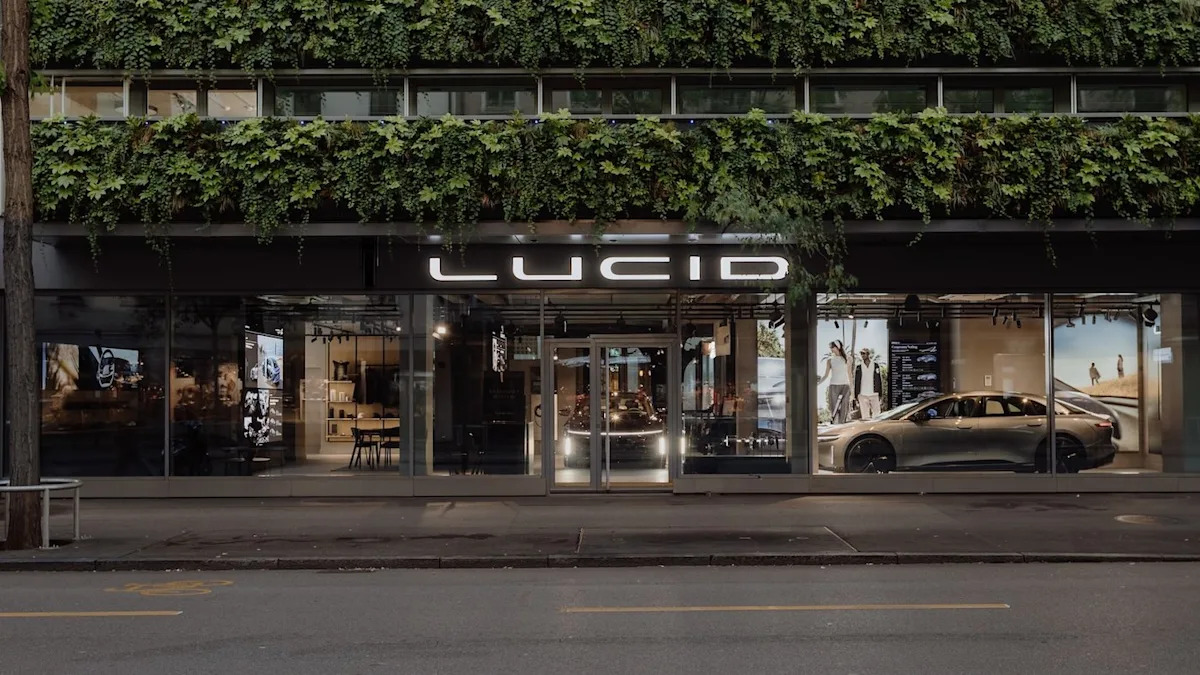
Lucid Group Secures $750 Million Funding and New CEO: Is a Comeback Possible?
- New CEO Appointment: Lucid Group has appointed Silvio Napoli as the new CEO, who previously led Schindler Group, and is expected to leverage his extensive manufacturing experience to enhance operational efficiency and address the company's annual losses of approximately $2.7 billion.
- Funding Injection: The company secured a total of $750 million, comprising $550 million from Saudi Arabia's Public Investment Fund (PIF) and $200 million from Uber, which will provide crucial financial support for upcoming model launches and strengthen its market competitiveness.
- Shareholder Dilution Risk: While the new funding is beneficial for growth, the $550 million preferred stock purchase by PIF will dilute existing shareholders' stakes, increasing uncertainty for investors and potentially impacting stock performance.
- Market Demand Challenges: With only 15,841 vehicles delivered in 2025, Lucid faces dual challenges of manufacturing efficiency and consumer demand; although the company is making efforts to improve its situation, it remains to be seen if it can achieve profitability in the short term.
See More

Analysis of Banking and Semiconductor Earnings Reports

- Strong Banking Performance: Bank of America reported a 17% year-over-year increase in earnings for Q1, with net interest income exceeding expectations, and trading revenue and investment banking fees growing by 30% and 21% respectively, indicating heightened trading activity due to market volatility, which enhances profitability.
- Improved Credit Quality: The bank's provision for credit losses was about $200 million less than expected, with a net charge-off ratio improving by 6 basis points year-over-year to 0.48%, suggesting a healthy consumer credit environment that may further support future earnings growth.
- Robust Semiconductor Demand: Taiwan Semiconductor reported a 35% year-over-year revenue growth in Q1, with a gross margin of 66%, indicating that demand driven by high-performance computing and AI exceeds its production capacity, reflecting a positive industry outlook.
- Stable ASML Equipment Sales: ASML sold 79 lithography machines this quarter, generating over $10 billion in revenue, slightly above expectations, demonstrating strong market demand, while maintenance service revenue grew by 17%, indicating increased customer reliance on its equipment.
See More
Bank of America and Schwab Q1 Earnings Analysis
- Bank of America Performance: Bank of America reported a 17% year-over-year increase in earnings for Q1, with net interest income exceeding expectations and significant rises in trading and investment banking fees, indicating enhanced client activity amid market volatility and strengthening its competitive position.
- Schwab Trading Volume Record: Schwab's average daily trading volume surged 34% year-over-year in Q1, setting a new record, although revenue grew 16% year-over-year, falling short of market expectations, which has put pressure on its stock price and reflects cautious sentiment about future performance.
- Semiconductor Sector Insights: TSMC's Q1 revenue grew 35% year-over-year, with a gross margin of 66%, driven by strong AI demand, prompting the company to continue investing to meet market needs, signaling long-term growth potential in the industry.
- ASML Equipment Sales Steady: ASML sold 79 lithography machines in Q1, generating over $10 billion in revenue, slightly exceeding expectations, but caution is warranted as a single machine can significantly impact results, with overall demand remaining strong, indicating an optimistic industry outlook.
See More

Driverless Technology Offers Upside for Uber Investors
- Technological Potential: Advances in driverless car technology could significantly benefit Uber shareholders, particularly as market demand continues to grow, enhancing investor confidence in the company's future prospects.
- Market Response: As of the afternoon of April 15, 2026, Uber's stock price rose by 0.77%, reflecting positive market expectations regarding the potential of driverless technology, which may attract more investor interest.
- Investor Confidence: As driverless technology matures, Uber shareholders may see an increase in their investment value, especially if the company can effectively integrate this technology to optimize operations.
- Future Outlook: The application of driverless technology could not only transform Uber's business model but also enhance its competitive edge in the long run, further driving stock price appreciation.
See More

Driverless Technology's Potential Upside for Uber Investors
- Driverless Technology Outlook: The potential of driverless car technology could provide upside for Uber investors, although commercialization is not yet realized, future breakthroughs may significantly enhance the company's valuation.
- Investment Recommendation Absence: Despite the potential in autonomous driving, Uber was not included in the current best stock picks by The Motley Fool Stock Advisor analyst team, indicating market caution regarding its future performance.
- Historical Investment Returns: Historical data shows that stocks like Netflix and Nvidia, once recommended, achieved returns of 581,304% and 1,215,992% respectively, underscoring the importance of selecting quality stocks.
- Market Performance Comparison: With an average return of 1,016%, Stock Advisor significantly outperforms the S&P 500's 197%, indicating a notable advantage in its stock selection strategy, prompting investors to choose wisely.
See More
Uber Acquires Additional Stake in Delivery Hero
- Acquisition Details: Uber announced it will purchase an additional 4.5% stake in Delivery Hero at €20 per share, totaling approximately €270 million ($318 million), which, while below Delivery Hero's Thursday closing price, represents a 22% premium over the one-month average share price.
- Regulatory Pressure Context: This transaction is part of Prosus's strategy to divest its Delivery Hero shares under EU regulatory pressure to facilitate its proposed €4.1 billion acquisition of Just Eat, highlighting the impact of regulatory environments on large merger deals.
- Prosus's Strategic Shift: Prosus has committed to selling the relevant portion of its Delivery Hero stake within the required timeframe, demonstrating its firm commitment to reducing its shareholding to meet regulatory demands while reflecting a strategic shift in its European market approach.
- Market Reaction Analysis: Although Uber's acquisition price is lower than Delivery Hero's recent stock price, the market's reaction to this deal could influence Uber's competitive position in the food delivery sector, especially in comparison to its rivals.
See More
Lucid Group Secures $750 Million Funding and New CEO: Is a Comeback Possible?
- New CEO Appointment: Lucid Group has appointed Silvio Napoli as the new CEO, who previously led Schindler Group, and is expected to leverage his extensive manufacturing experience to enhance operational efficiency and address the company's annual losses of approximately $2.7 billion.
- Funding Injection: The company secured a total of $750 million, comprising $550 million from Saudi Arabia's Public Investment Fund (PIF) and $200 million from Uber, which will provide crucial financial support for upcoming model launches and strengthen its market competitiveness.
- Shareholder Dilution Risk: While the new funding is beneficial for growth, the $550 million preferred stock purchase by PIF will dilute existing shareholders' stakes, increasing uncertainty for investors and potentially impacting stock performance.
- Market Demand Challenges: With only 15,841 vehicles delivered in 2025, Lucid faces dual challenges of manufacturing efficiency and consumer demand; although the company is making efforts to improve its situation, it remains to be seen if it can achieve profitability in the short term.
See More
Analysis of Banking and Semiconductor Earnings Reports
- Strong Banking Performance: Bank of America reported a 17% year-over-year increase in earnings for Q1, with net interest income exceeding expectations, and trading revenue and investment banking fees growing by 30% and 21% respectively, indicating heightened trading activity due to market volatility, which enhances profitability.
- Improved Credit Quality: The bank's provision for credit losses was about $200 million less than expected, with a net charge-off ratio improving by 6 basis points year-over-year to 0.48%, suggesting a healthy consumer credit environment that may further support future earnings growth.
- Robust Semiconductor Demand: Taiwan Semiconductor reported a 35% year-over-year revenue growth in Q1, with a gross margin of 66%, indicating that demand driven by high-performance computing and AI exceeds its production capacity, reflecting a positive industry outlook.
- Stable ASML Equipment Sales: ASML sold 79 lithography machines this quarter, generating over $10 billion in revenue, slightly above expectations, demonstrating strong market demand, while maintenance service revenue grew by 17%, indicating increased customer reliance on its equipment.
See More
Bank of America and Schwab Q1 Earnings Analysis
- Bank of America Performance: Bank of America reported a 17% year-over-year increase in earnings for Q1, with net interest income exceeding expectations and significant rises in trading and investment banking fees, indicating enhanced client activity amid market volatility and strengthening its competitive position.
- Schwab Trading Volume Record: Schwab's average daily trading volume surged 34% year-over-year in Q1, setting a new record, although revenue grew 16% year-over-year, falling short of market expectations, which has put pressure on its stock price and reflects cautious sentiment about future performance.
- Semiconductor Sector Insights: TSMC's Q1 revenue grew 35% year-over-year, with a gross margin of 66%, driven by strong AI demand, prompting the company to continue investing to meet market needs, signaling long-term growth potential in the industry.
- ASML Equipment Sales Steady: ASML sold 79 lithography machines in Q1, generating over $10 billion in revenue, slightly exceeding expectations, but caution is warranted as a single machine can significantly impact results, with overall demand remaining strong, indicating an optimistic industry outlook.
See More
Driverless Technology Offers Upside for Uber Investors
- Technological Potential: Advances in driverless car technology could significantly benefit Uber shareholders, particularly as market demand continues to grow, enhancing investor confidence in the company's future prospects.
- Market Response: As of the afternoon of April 15, 2026, Uber's stock price rose by 0.77%, reflecting positive market expectations regarding the potential of driverless technology, which may attract more investor interest.
- Investor Confidence: As driverless technology matures, Uber shareholders may see an increase in their investment value, especially if the company can effectively integrate this technology to optimize operations.
- Future Outlook: The application of driverless technology could not only transform Uber's business model but also enhance its competitive edge in the long run, further driving stock price appreciation.
See More
Driverless Technology's Potential Upside for Uber Investors
- Driverless Technology Outlook: The potential of driverless car technology could provide upside for Uber investors, although commercialization is not yet realized, future breakthroughs may significantly enhance the company's valuation.
- Investment Recommendation Absence: Despite the potential in autonomous driving, Uber was not included in the current best stock picks by The Motley Fool Stock Advisor analyst team, indicating market caution regarding its future performance.
- Historical Investment Returns: Historical data shows that stocks like Netflix and Nvidia, once recommended, achieved returns of 581,304% and 1,215,992% respectively, underscoring the importance of selecting quality stocks.
- Market Performance Comparison: With an average return of 1,016%, Stock Advisor significantly outperforms the S&P 500's 197%, indicating a notable advantage in its stock selection strategy, prompting investors to choose wisely.
See More