KKR Sells CoolIT Systems to Ecolab for $4.75 Billion

KKR (KKR) announced that it has entered into a definitive agreement to sell CoolIT Systems to Ecolab (ECL) in a transaction valued at $4.75B. The sale will represent one of KKR's largest recent realizations, generating approximately 15x the original equity invested, inclusive of distributions. At the close of the transaction, all CoolIT employees will receive a substantial cash payout on their ownership in the Company. Mubadala Investment Company also served as a co-investor in CoolIT. KKR acquired CoolIT in 2023 through its Global Impact Fund II, which helps scale innovative commercial solutions to global challenges. In 2025, CoolIT's solutions delivered an estimated 2.18 billion kWh in energy savings, enough to power approximately 200,000 homes for one year. Following the close of the transaction, CoolIT's leadership team, led by CEO Jason Waxman, is expected to remain in place and continue to run the business under the CoolIT name. The transaction, which is subject to customary regulatory approvals, is expected to close in Q3 2026.
Trade with 70% Backtested Accuracy
Analyst Views on KKR

About KKR
About the author


Trump Administration Proposes Easing 401(k) Investment Rules


- Diversified Investment Options: The Trump administration's proposal allows 401(k) plans to include alternative investments such as private credit, private equity, cryptocurrency, and real estate, aiming to provide millions of Americans with broader retirement investment choices, thereby enhancing the growth potential of retirement assets.
- Clear Compliance Process: The new rule mandates that plan fiduciaries must objectively and thoroughly assess factors like performance, fees, and liquidity of alternative assets, ensuring a prudent decision-making process when selecting investment products to protect investor interests.
- Supportive Policy Background: This proposal responds to President Trump's August 7 Executive Order, aiming to implement changes in a safe and smart manner while broadening retirement plan options and emphasizing the importance of protecting retirement assets, reflecting the government's commitment to improving the retirement investment landscape.
- Increased Industry Competition: With the introduction of the new rule, asset management firms like Blackstone, KKR, and Apollo Global Management are expected to benefit from access to alternative investment opportunities in 401(k) accounts, likely intensifying competition within the industry and promoting diversification and innovation in investment products.

APOLLO CLOSE TO $10 BILLION ACQUISITION OF KKR’S ATLANTIC AVIATION - BLOOMBERG NEWS

- Major Deal Announcement: Apollo has announced a significant $10 billion deal for KKR's Atlantic Aviation.
- Industry Impact: This acquisition is expected to have a substantial impact on the aviation sector, highlighting the growing interest in private aviation services.

Concerns Over Private Credit Market Risks Emerge


- Market Growth: According to Barclays, the private credit market ballooned to $1.8 trillion in the first half of 2025, up from approximately $250 billion during the financial crisis, indicating strong demand for financing among mid-sized businesses.
- High-Risk Alerts: The bankruptcies of First Brands and Tricolor prompted JPMorgan CEO Jamie Dimon to warn of potential systemic issues in private credit, highlighting vulnerabilities within the sector.
- Investor Structure Shift: Unlike the depositors during the 2008 crisis, the current investor base for private credit consists mainly of institutional investors such as pensions and sovereign wealth funds, which are more capable of locking up capital for extended periods, thereby reducing systemic risk.
- Normalizing Credit Conditions: While the private credit market faces increased stress, the majority of investments are in investment-grade loans, with only a small portion in high-yield loans, suggesting that the overall stability of the market remains relatively strong.
Labor Department Proposes Easing 401(k) Alternative Asset Rules

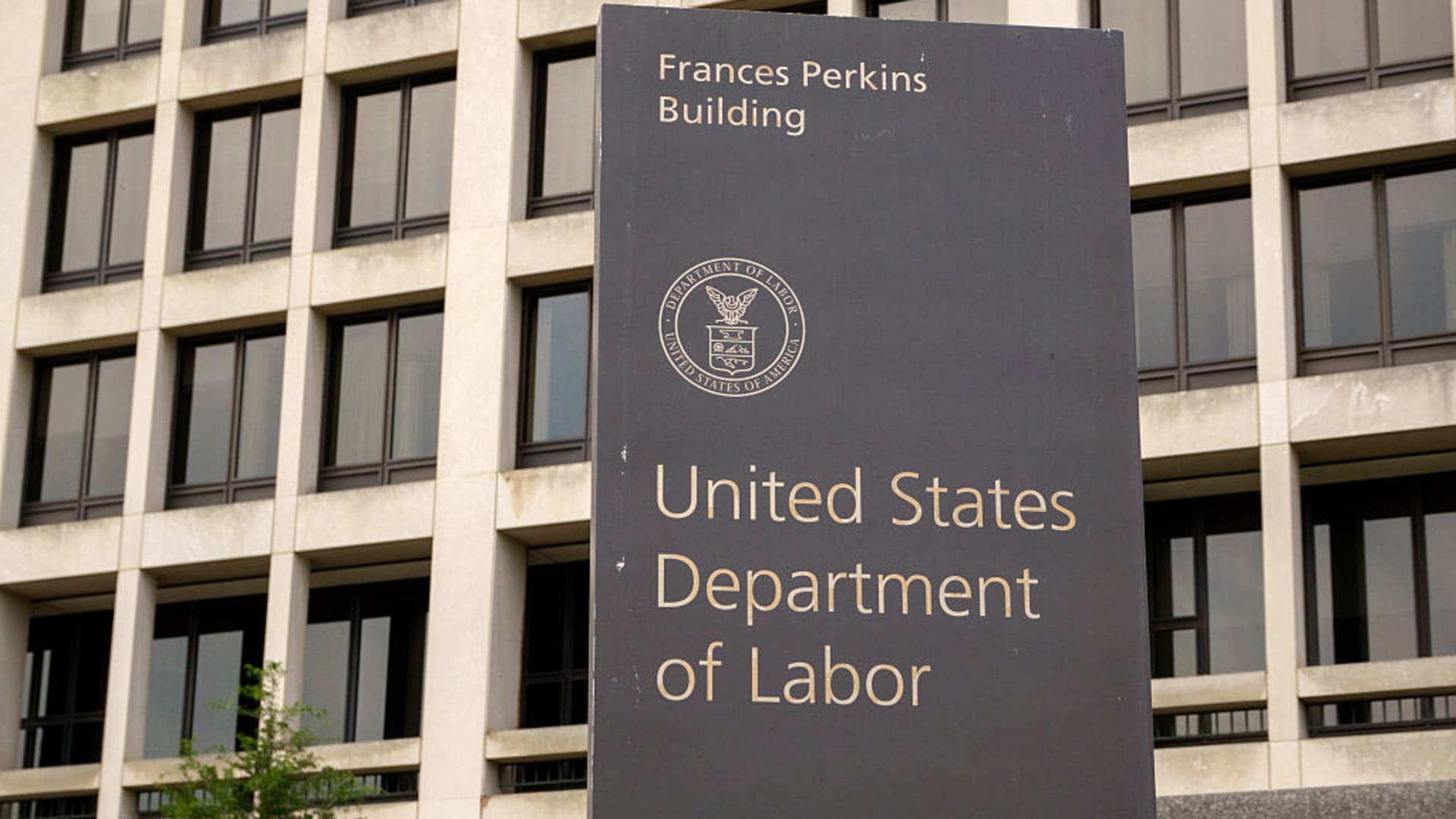
- Proposed Regulation: The U.S. Labor Department has proposed allowing 401(k) plans to more easily include alternative assets such as cryptocurrencies and real estate, responding to President Trump's executive order aimed at enhancing asset diversification for retirement investors, potentially leading to higher returns.
- Safe Harbor Provision: The new rule establishes a 'safe harbor' to protect plan sponsors from litigation risks and outlines six factors to consider when selecting alternative investments, including performance, fees, and liquidity, which may encourage more 401(k) plans to adopt alternative assets.
- Investor Concerns: While the new rule could yield higher returns, some financial advisors express concerns that average 401(k) investors may lack the necessary knowledge and experience to manage these more complex investments, potentially leading to increased risks and costs.
- Policy Context: This proposal is set against the backdrop of the Trump administration's push for broader access to non-traditional asset classes, aiming to counter the cautious stance taken during the Biden administration regarding cryptocurrency investments, reflecting a shift towards greater flexibility and choice for retirement investors.

U.S. Treasury to Meet with Insurance Regulators on Credit Market Volatility
- Meeting Arrangement: U.S. Treasury Secretary Scott Bessent plans to hold the first meeting with domestic and international insurance regulators in the coming weeks to discuss volatility in private credit markets, with an announcement expected as early as Wednesday, marking the initiation of regular consultations since January.
- Regulatory Focus: The meeting will aim to strengthen transparent oversight of the relationships between private credit firms and regulated financial institutions; although the Treasury lacks direct regulatory authority over insurers, Bessent seeks to position the department as a central coordinating body for regulators across all 50 states.
- Investor Sentiment: Investor sentiment in the approximately $2 trillion non-bank lending sector has been shaken by concerns over liquidity, transparency, and lending standards, with Bessent emphasizing the need for private credit lenders to maintain prudence in their loan portfolios to prevent potential impacts on the overall economy.
- Asset Transfer Regulation: Bessent noted that individual investors should be able to take advantage of private credit assets through pension or 401(k) retirement accounts, but the Treasury will be involved in regulating how private assets are transferred to individual investor accounts to prevent the transfer of

Medallia's Challenges Pose Risks for Private Credit, Affecting Blackstone and Thoma Bravo.


- Medallia's Market Position: Medallia is identified as a significant issue within the private credit markets, highlighting its challenges and vulnerabilities.
- Exposure of Firms: Two firms are noted to have the most exposure to Medallia, indicating potential risks for their financial stability.
Trump Administration Proposes Easing 401(k) Investment Rules
- Diversified Investment Options: The Trump administration's proposal allows 401(k) plans to include alternative investments such as private credit, private equity, cryptocurrency, and real estate, aiming to provide millions of Americans with broader retirement investment choices, thereby enhancing the growth potential of retirement assets.
- Clear Compliance Process: The new rule mandates that plan fiduciaries must objectively and thoroughly assess factors like performance, fees, and liquidity of alternative assets, ensuring a prudent decision-making process when selecting investment products to protect investor interests.
- Supportive Policy Background: This proposal responds to President Trump's August 7 Executive Order, aiming to implement changes in a safe and smart manner while broadening retirement plan options and emphasizing the importance of protecting retirement assets, reflecting the government's commitment to improving the retirement investment landscape.
- Increased Industry Competition: With the introduction of the new rule, asset management firms like Blackstone, KKR, and Apollo Global Management are expected to benefit from access to alternative investment opportunities in 401(k) accounts, likely intensifying competition within the industry and promoting diversification and innovation in investment products.
APOLLO CLOSE TO $10 BILLION ACQUISITION OF KKR’S ATLANTIC AVIATION - BLOOMBERG NEWS
- Major Deal Announcement: Apollo has announced a significant $10 billion deal for KKR's Atlantic Aviation.
- Industry Impact: This acquisition is expected to have a substantial impact on the aviation sector, highlighting the growing interest in private aviation services.
Concerns Over Private Credit Market Risks Emerge
- Market Growth: According to Barclays, the private credit market ballooned to $1.8 trillion in the first half of 2025, up from approximately $250 billion during the financial crisis, indicating strong demand for financing among mid-sized businesses.
- High-Risk Alerts: The bankruptcies of First Brands and Tricolor prompted JPMorgan CEO Jamie Dimon to warn of potential systemic issues in private credit, highlighting vulnerabilities within the sector.
- Investor Structure Shift: Unlike the depositors during the 2008 crisis, the current investor base for private credit consists mainly of institutional investors such as pensions and sovereign wealth funds, which are more capable of locking up capital for extended periods, thereby reducing systemic risk.
- Normalizing Credit Conditions: While the private credit market faces increased stress, the majority of investments are in investment-grade loans, with only a small portion in high-yield loans, suggesting that the overall stability of the market remains relatively strong.
Labor Department Proposes Easing 401(k) Alternative Asset Rules
- Proposed Regulation: The U.S. Labor Department has proposed allowing 401(k) plans to more easily include alternative assets such as cryptocurrencies and real estate, responding to President Trump's executive order aimed at enhancing asset diversification for retirement investors, potentially leading to higher returns.
- Safe Harbor Provision: The new rule establishes a 'safe harbor' to protect plan sponsors from litigation risks and outlines six factors to consider when selecting alternative investments, including performance, fees, and liquidity, which may encourage more 401(k) plans to adopt alternative assets.
- Investor Concerns: While the new rule could yield higher returns, some financial advisors express concerns that average 401(k) investors may lack the necessary knowledge and experience to manage these more complex investments, potentially leading to increased risks and costs.
- Policy Context: This proposal is set against the backdrop of the Trump administration's push for broader access to non-traditional asset classes, aiming to counter the cautious stance taken during the Biden administration regarding cryptocurrency investments, reflecting a shift towards greater flexibility and choice for retirement investors.
U.S. Treasury to Meet with Insurance Regulators on Credit Market Volatility
- Meeting Arrangement: U.S. Treasury Secretary Scott Bessent plans to hold the first meeting with domestic and international insurance regulators in the coming weeks to discuss volatility in private credit markets, with an announcement expected as early as Wednesday, marking the initiation of regular consultations since January.
- Regulatory Focus: The meeting will aim to strengthen transparent oversight of the relationships between private credit firms and regulated financial institutions; although the Treasury lacks direct regulatory authority over insurers, Bessent seeks to position the department as a central coordinating body for regulators across all 50 states.
- Investor Sentiment: Investor sentiment in the approximately $2 trillion non-bank lending sector has been shaken by concerns over liquidity, transparency, and lending standards, with Bessent emphasizing the need for private credit lenders to maintain prudence in their loan portfolios to prevent potential impacts on the overall economy.
- Asset Transfer Regulation: Bessent noted that individual investors should be able to take advantage of private credit assets through pension or 401(k) retirement accounts, but the Treasury will be involved in regulating how private assets are transferred to individual investor accounts to prevent the transfer of
Medallia's Challenges Pose Risks for Private Credit, Affecting Blackstone and Thoma Bravo.
- Medallia's Market Position: Medallia is identified as a significant issue within the private credit markets, highlighting its challenges and vulnerabilities.
- Exposure of Firms: Two firms are noted to have the most exposure to Medallia, indicating potential risks for their financial stability.