Key Research Findings for Amazon.com, Wells Fargo, and Amgen

Research Reports Overview: The Zacks Research Daily highlights new reports on 16 major stocks, including Amazon, Wells Fargo, and Amgen, along with two micro-cap stocks, IDT Corp. and Village Super Market, showcasing unique insights into smaller companies.
Amazon's Performance: Amazon's shares have outperformed the industry, driven by growth in Prime and AWS, but faces challenges with weak operating income guidance and high AI investment costs.
Wells Fargo's Growth: Wells Fargo has seen a significant increase in share value, benefiting from improved net interest income and a lifted asset cap, although it faces pressures from rising costs and weak mortgage banking income.
Amgen and Micro-Cap Stocks: Amgen's growth is supported by strong sales of key medicines despite competitive pressures, while IDT and Village Super Market show promising financial health and growth potential, albeit with some risks.
Trade with 70% Backtested Accuracy
Analyst Views on RTX

About RTX
About the author


RTX Secures $3.81B F-35 Engine Contract Modification

- Significant Contract Value: RTX has secured a $3.81 billion fixed-price incentive contract modification for the production of F135 engines for F-35 jets, with work expected to be completed by March 2028, indicating strong demand and market position in the defense sector.
- Diverse Funding Sources: The funding for this contract includes $220 million from FY24 Navy, $210 million from Air Force, $800 million from FY25 Navy, $730 million from Air Force, $380 million from F-35 partner funds, and $1.47 billion from FMS funds, ensuring financial stability for the project.
- Contracting Authority: The Naval Air Systems Command is the contracting activity, reflecting the U.S. government's trust in RTX for defense projects, which also provides a stable revenue stream for the company.
- Optimistic Market Outlook: With increasing global defense spending, RTX's role in missile production and the F-35 program is becoming increasingly critical, expected to drive future growth potential and shareholder returns.

Analysis of DGRO ETF's 52-Week Price Range

- Price Range Analysis: DGRO ETF's 52-week low is $54.09 per share, with a high of $74.28, and a last trade at $69.61, indicating stability and investor confidence in the ETF's performance.
- Technical Analysis Tool: Comparing the current share price to the 200-day moving average provides valuable insights for investors, aiding in market trend assessment and potential buying opportunities.
- ETF Unit Trading Mechanism: ETFs trade like stocks, where investors buy and sell 'units' that can be created or destroyed based on demand, impacting liquidity and market performance.
- Inflows and Outflows Monitoring: Weekly monitoring of changes in shares outstanding helps identify ETFs experiencing significant inflows or outflows, allowing investors to stay informed about market dynamics and investment opportunities.

Pratt & Whitney Secures $3.8 Billion F135 Engine Contract Modification
- Significant Contract Value: Pratt & Whitney has been awarded a $3.8 billion contract modification for lots 18-19 of the F135 engine, bringing the total contract value to $6.6 billion, ensuring ongoing production capabilities for the F-35 fighter jet.
- Production Capacity Enhancement: The company has committed over $1 billion in the past five years to expand and modernize its production capacity, resulting in a 20% increase in current F135 production rates compared to previous contracts, which will accelerate delivery times and meet customer demands.
- Economic Impact: The F135 program supports over 66,000 jobs and generated more than $9 billion in economic impact domestically in 2025, highlighting its significant contribution to the U.S. economy.
- Strengthened International Collaboration: Pratt & Whitney has delivered over 1,400 F135 engines for the F-35 program, involving 20 allied nations, further solidifying its position and influence in the global defense market.
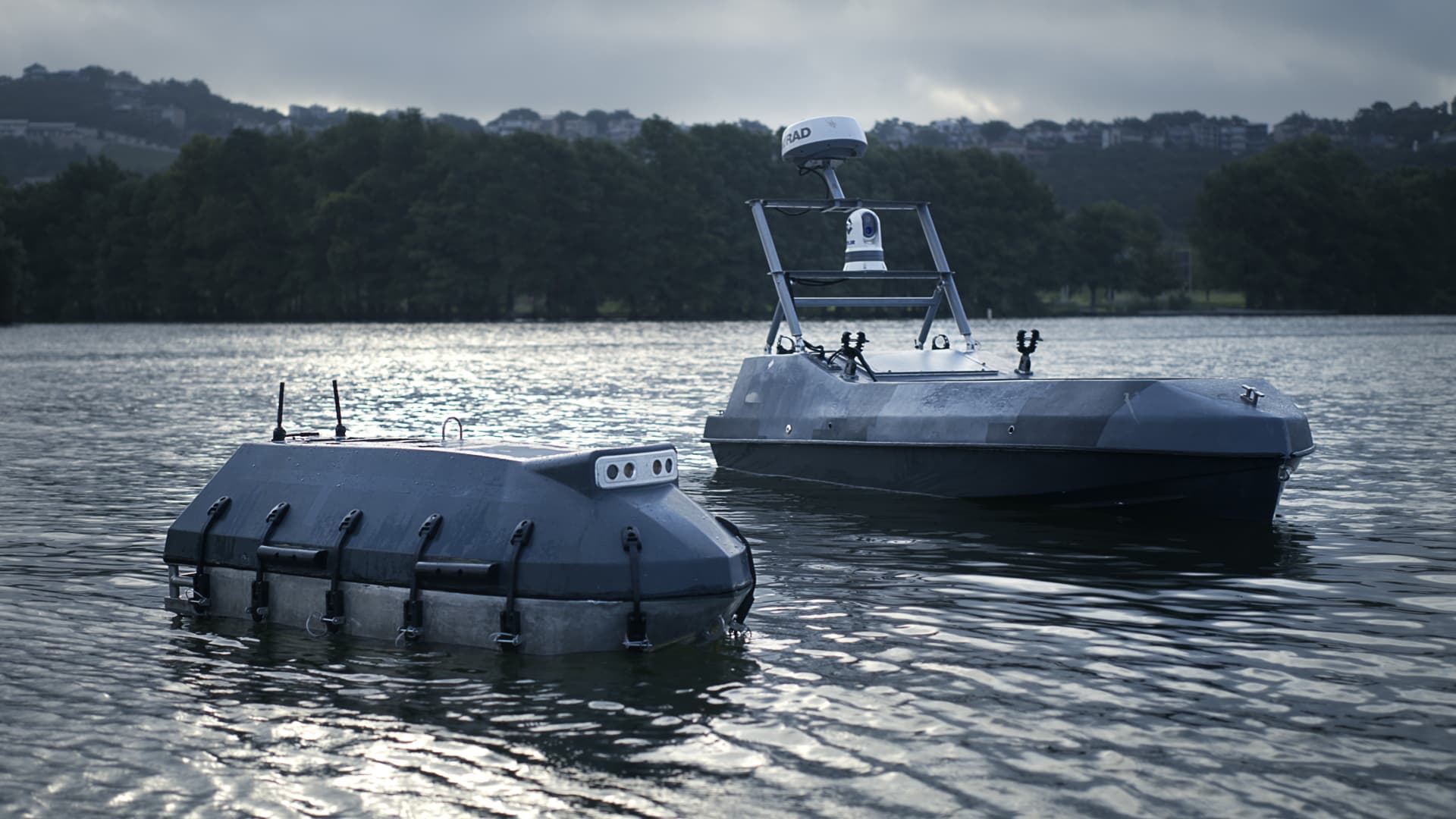
Saronic Raises $1.75 Billion to Expand Autonomous Ship Production

- Funding Milestone: Saronic has successfully raised $1.75 billion, more than doubling its valuation from $4 billion to $9.25 billion, indicating strong market demand for its autonomous vessel technology amid U.S. military modernization efforts.
- Production Expansion: The company aims to build over 20 ships annually by 2027, scaling its supply chain and establishing the new Port Alpha shipyard in Texas to meet increasing military demands and enhance U.S. naval defense capabilities.
- Intensifying Market Competition: Saronic's autonomous vessel designs are intended to mitigate military risks and assist the U.S. in regaining dominance over China, reflecting a rapid shift towards unmanned systems in modern warfare environments.
- Historic Production Goals: Mavrookas stated that the company is on track to quintuple production at its main shipyard in Franklin, Louisiana, over the next 12 months, marking production levels not seen in the U.S. since World War II and further driving innovation in defense technology.
Saronic Raises $1.75 Billion to Scale Autonomous Ship Production

- Significant Funding: Autonomous ship maker Saronic has successfully raised $1.75 billion, more than doubling its valuation to $9.25 billion from $4 billion after a $600 million raise last year, indicating strong market demand for its innovative defense technologies.
- Production Capacity Expansion: Saronic plans to build over 20 ships annually by 2027, utilizing the funding to scale its supply chain and construct the new Port Alpha shipyard in Texas, aimed at meeting the increasing demands of the U.S. military.
- Global Challenge Response: The U.S. government is leaning on innovative defense technologies like Saronic's to counter low-cost drone threats from Iran and to modernize its military, ensuring maritime supremacy in competition with China.
- Historic Production Goals: CEO Dino Mavrookas stated that Saronic aims to help the U.S. achieve production levels not seen since World War II by reconfiguring vessel designs for autonomy, thereby reducing risks to military forces in dangerous environments.

Palantir Stock Retreats as Market Sentiment Turns Bearish
- Significant Stock Decline: Palantir (PLTR) shares have cumulatively dropped 12.6% over recent sessions, reaching their lowest level since March 2, indicating a waning investor confidence in defense stocks that could impact the company's future financing capabilities.
- Shift in Market Sentiment: Since mid-March, sentiment on Stocktwits for PLTR has turned ‘bearish’, reflecting growing investor concerns about the company's outlook, which may lead to increased selling pressure and exacerbate the stock's downward trajectory.
- P/E Ratio Hits Five-Month Low: Palantir's 12-month forward P/E ratio has plummeted from 270.3x last November to 104x, signaling a lack of confidence in its future profitability despite remaining above the software sector average, which could hinder its ability to attract new investors.
- Business Expansion and Partnerships: Despite stock price pressures, Palantir has renewed a five-year partnership with automaker Stellantis to enhance the use of its data management software across various business units, indicating ongoing market share expansion that may lay the groundwork for future growth.
RTX Secures $3.81B F-35 Engine Contract Modification
- Significant Contract Value: RTX has secured a $3.81 billion fixed-price incentive contract modification for the production of F135 engines for F-35 jets, with work expected to be completed by March 2028, indicating strong demand and market position in the defense sector.
- Diverse Funding Sources: The funding for this contract includes $220 million from FY24 Navy, $210 million from Air Force, $800 million from FY25 Navy, $730 million from Air Force, $380 million from F-35 partner funds, and $1.47 billion from FMS funds, ensuring financial stability for the project.
- Contracting Authority: The Naval Air Systems Command is the contracting activity, reflecting the U.S. government's trust in RTX for defense projects, which also provides a stable revenue stream for the company.
- Optimistic Market Outlook: With increasing global defense spending, RTX's role in missile production and the F-35 program is becoming increasingly critical, expected to drive future growth potential and shareholder returns.
Analysis of DGRO ETF's 52-Week Price Range
- Price Range Analysis: DGRO ETF's 52-week low is $54.09 per share, with a high of $74.28, and a last trade at $69.61, indicating stability and investor confidence in the ETF's performance.
- Technical Analysis Tool: Comparing the current share price to the 200-day moving average provides valuable insights for investors, aiding in market trend assessment and potential buying opportunities.
- ETF Unit Trading Mechanism: ETFs trade like stocks, where investors buy and sell 'units' that can be created or destroyed based on demand, impacting liquidity and market performance.
- Inflows and Outflows Monitoring: Weekly monitoring of changes in shares outstanding helps identify ETFs experiencing significant inflows or outflows, allowing investors to stay informed about market dynamics and investment opportunities.
Pratt & Whitney Secures $3.8 Billion F135 Engine Contract Modification
- Significant Contract Value: Pratt & Whitney has been awarded a $3.8 billion contract modification for lots 18-19 of the F135 engine, bringing the total contract value to $6.6 billion, ensuring ongoing production capabilities for the F-35 fighter jet.
- Production Capacity Enhancement: The company has committed over $1 billion in the past five years to expand and modernize its production capacity, resulting in a 20% increase in current F135 production rates compared to previous contracts, which will accelerate delivery times and meet customer demands.
- Economic Impact: The F135 program supports over 66,000 jobs and generated more than $9 billion in economic impact domestically in 2025, highlighting its significant contribution to the U.S. economy.
- Strengthened International Collaboration: Pratt & Whitney has delivered over 1,400 F135 engines for the F-35 program, involving 20 allied nations, further solidifying its position and influence in the global defense market.
Saronic Raises $1.75 Billion to Expand Autonomous Ship Production
- Funding Milestone: Saronic has successfully raised $1.75 billion, more than doubling its valuation from $4 billion to $9.25 billion, indicating strong market demand for its autonomous vessel technology amid U.S. military modernization efforts.
- Production Expansion: The company aims to build over 20 ships annually by 2027, scaling its supply chain and establishing the new Port Alpha shipyard in Texas to meet increasing military demands and enhance U.S. naval defense capabilities.
- Intensifying Market Competition: Saronic's autonomous vessel designs are intended to mitigate military risks and assist the U.S. in regaining dominance over China, reflecting a rapid shift towards unmanned systems in modern warfare environments.
- Historic Production Goals: Mavrookas stated that the company is on track to quintuple production at its main shipyard in Franklin, Louisiana, over the next 12 months, marking production levels not seen in the U.S. since World War II and further driving innovation in defense technology.
Saronic Raises $1.75 Billion to Scale Autonomous Ship Production
- Significant Funding: Autonomous ship maker Saronic has successfully raised $1.75 billion, more than doubling its valuation to $9.25 billion from $4 billion after a $600 million raise last year, indicating strong market demand for its innovative defense technologies.
- Production Capacity Expansion: Saronic plans to build over 20 ships annually by 2027, utilizing the funding to scale its supply chain and construct the new Port Alpha shipyard in Texas, aimed at meeting the increasing demands of the U.S. military.
- Global Challenge Response: The U.S. government is leaning on innovative defense technologies like Saronic's to counter low-cost drone threats from Iran and to modernize its military, ensuring maritime supremacy in competition with China.
- Historic Production Goals: CEO Dino Mavrookas stated that Saronic aims to help the U.S. achieve production levels not seen since World War II by reconfiguring vessel designs for autonomy, thereby reducing risks to military forces in dangerous environments.
Palantir Stock Retreats as Market Sentiment Turns Bearish
- Significant Stock Decline: Palantir (PLTR) shares have cumulatively dropped 12.6% over recent sessions, reaching their lowest level since March 2, indicating a waning investor confidence in defense stocks that could impact the company's future financing capabilities.
- Shift in Market Sentiment: Since mid-March, sentiment on Stocktwits for PLTR has turned ‘bearish’, reflecting growing investor concerns about the company's outlook, which may lead to increased selling pressure and exacerbate the stock's downward trajectory.
- P/E Ratio Hits Five-Month Low: Palantir's 12-month forward P/E ratio has plummeted from 270.3x last November to 104x, signaling a lack of confidence in its future profitability despite remaining above the software sector average, which could hinder its ability to attract new investors.
- Business Expansion and Partnerships: Despite stock price pressures, Palantir has renewed a five-year partnership with automaker Stellantis to enhance the use of its data management software across various business units, indicating ongoing market share expansion that may lay the groundwork for future growth.