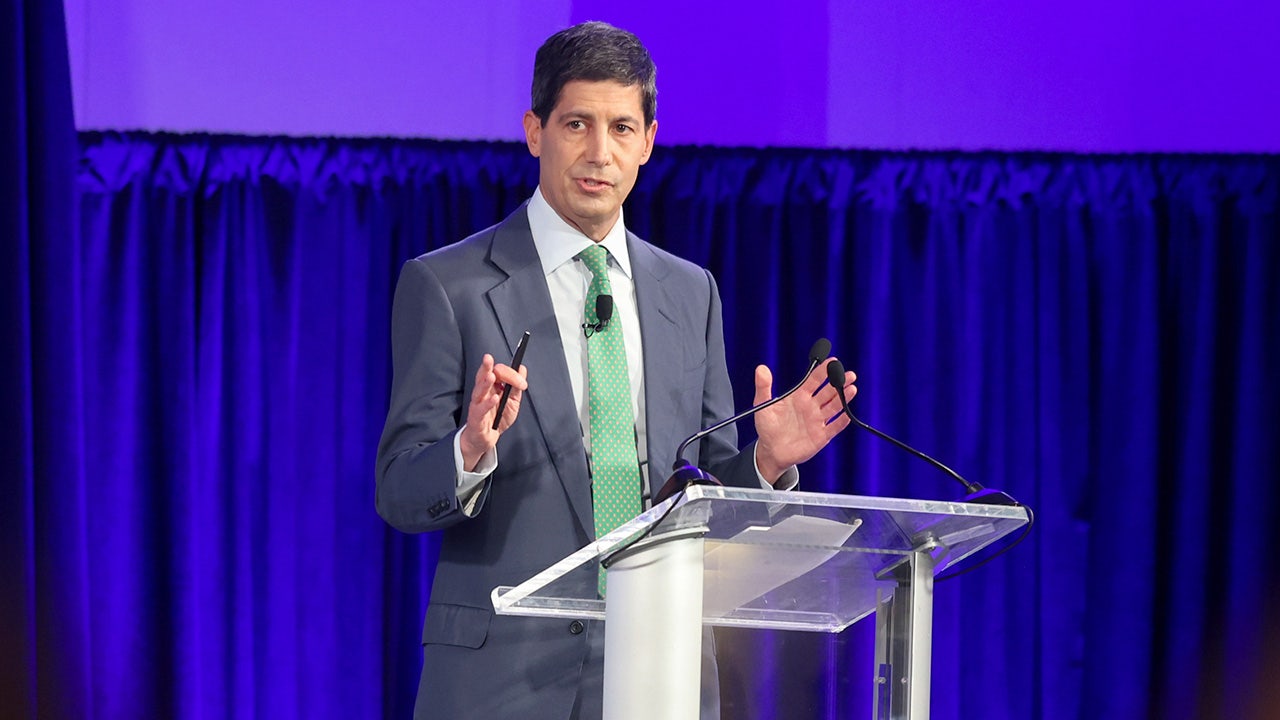
John Malone to resign as chairman of Liberty Media and Liberty Global, according to FT.

John Malone's Departure: John Malone will step down as chair of Liberty Media and Liberty Global, continuing to manage his personal investments and retain his stake in the Atlanta Braves.
Legacy in Media: Malone is recognized for his significant contributions to the cable TV industry and played a key role in the merger of WarnerMedia and Discovery, adapting to the rise of streaming services.
Focus on Motorsports: He recently oversaw the spin-off of certain assets from Liberty Media to concentrate on its motorsports subsidiaries, including Formula One and MotoGP.
Liberty Global's Operations: Liberty Global maintains a strong presence in Europe, managing broadband, video, and mobile services through brands like Virgin Media O2 and VodafoneZiggo.
Trade with 70% Backtested Accuracy
Analyst Views on WBD

About WBD
About the author


Netflix Q1 2026 Earnings Analysis


- Earnings Highlights: Netflix's Q1 2026 earnings report revealed a 13% year-over-year revenue growth, but the stock fell due to slowing growth and co-founder Reed Hastings stepping down, indicating investor concerns about future growth prospects.
- Termination Fee Impact: The report included a $2.8 billion termination fee from Warner Brothers Discovery, which added a positive note to the earnings but is viewed as unsustainable, potentially affecting future profit expectations.
- Ad Revenue Projections: Netflix anticipates ad revenue to reach $3 billion in 2026, nearly doubling from 2025, reflecting the company's efforts to diversify its revenue streams, although overall growth rates have not met market expectations.
- User Engagement Boost: Despite challenges, Netflix achieved an all-time high in user engagement this quarter, launching 70 live events, demonstrating positive progress in content innovation and international market expansion.

Cathie Wood Increases Netflix Stake Amid Disappointing Guidance
- Increased Stake in Netflix: Cathie Wood added to her Netflix position last Friday, despite the company announcing disappointing guidance and a nearly 10% drop in stock price that day, indicating her long-term confidence in the stock.
- Earnings Report Analysis: Netflix's Q1 revenue grew 16% year-over-year to $5.3 billion, exceeding expectations; however, a mere 14% growth on a foreign-exchange neutral basis reveals underlying fragility, potentially shaking investor confidence.
- Management Change Impact: Founder and chairman Reed Hastings will step down in two months, and while he is no longer involved in daily operations, his departure could negatively affect the company's future strategy and increase market uncertainty.
- Advertising Revenue Outlook: Netflix expects ad revenue to double by 2026; despite pressures from price hikes, its ad-supported tiers are rapidly gaining popularity, showcasing the company's adaptability in a volatile market.

Cathie Wood Increases Stake in Netflix Amid Market Highs
- Investment Strategy Shift: Cathie Wood surprisingly reduced her stakes in several Ark Invest ETFs during a market rally, only increasing her position in Netflix on Thursday, which reflects her contrarian view despite the stock's nearly 10% drop on a buoyant trading day.
- Earnings Report Highlights and Concerns: Netflix reported a 16% year-over-year revenue increase to $5.3 billion in Q1, surpassing expectations, yet only a 14% rise on a foreign-exchange neutral basis indicates fragile growth, and the lack of an upgraded full-year outlook raises market concerns about future performance.
- Management Change Impact: Founder and chairman Reed Hastings announced he would not seek reelection to the board, which, while he has been out of daily operations, could negatively affect investor confidence, especially as the company faces price hikes and disappointing earnings guidance.
- Advertising Revenue Potential: Netflix's ad-supported tiers are rapidly gaining popularity, with expectations for ad revenue to double by 2026; although the stock trades at 25 times next year's earnings, its resilience and growth potential in a volatile economic environment make it an attractive investment option.
Morgan Stanley Reiterates Buy Rating on Netflix Amid Price Target Adjustments
- Analyst Buy Recommendations: Major analysts including Morgan Stanley, JPMorgan, and Needham reiterated their ‘buy’ ratings on Netflix, citing its compelling valuation due to pricing power, although some analysts adjusted their price targets downward.
- Stock Price Volatility: Following the first-quarter earnings report, Netflix shares stumbled nearly 10%, despite a 16% year-over-year sales increase to $12.25 billion and adjusted earnings per share rising from $0.66 to $1.23, surpassing analyst expectations.
- Strong Market Sentiment: On Stocktwits, retail investor sentiment for Netflix remained ‘extremely bullish,’ with message volume rising 21% over the past week, indicating investor confidence in future growth prospects.
- Price Target Adjustments: Piper Sandler raised its price target on Netflix from $103 to $115 while maintaining an ‘Overweight’ rating, whereas Barclays lowered its target from $115 to $110, reflecting differing market expectations for future performance.

Streaming Industry Weekly Recap Highlights Key Developments

- Netflix Q1 Earnings Miss: Netflix reported Q1 EPS of $1.23 on revenue of $12.25B, exceeding estimates but guiding Q2 EPS to only $0.78, below expectations, leading to a stock decline that reflects market concerns about future growth prospects.
- Roku Surpasses 100M Users: Roku announced it has surpassed 100 million streaming households globally, with CEO Anthony Wood stating this milestone will shape the future of television, highlighting the company's strong momentum and advertiser confidence in the streaming market.
- Creators Oppose Warner Deal: Over 1,000 writers, actors, and directors released a letter opposing Paramount's acquisition of Warner Bros. Discovery, arguing it would further consolidate the media landscape, reduce opportunities for creators, and impact industry diversity, showcasing strong industry resistance to mergers.
- Magnite Partners with AMC: Magnite announced a collaboration with AMC Global Media to provide a unified linear and streaming advertising solution via ClearLine, enabling advertisers to reach audiences more effectively, indicating ongoing innovation and market expansion in advertising technology.
Netflix Stock Plummets After Disappointing Q2 Guidance

- Significant Stock Drop: Netflix's stock fell 9.7% on Friday, nearly erasing its year-to-date gains, reflecting investor concerns about the company's growth prospects, particularly after its second-quarter guidance disappointed expectations.
- Earnings Beat Expectations: Despite reporting first-quarter revenue of $12.25 billion, surpassing the $12.17 billion estimate, and adjusted earnings per share of $1.23, significantly above the $0.76 forecast, the second-quarter revenue and earnings guidance fell short, with expected revenue of $12.57 billion compared to the $12.64 billion estimate.
- Impact of Price Increases: Netflix raised subscription prices for the second time in over a year, which is expected to contribute approximately $1.5 billion in incremental revenue in 2026; while this move raised concerns about potential subscriber losses, analysts view it as a sign of the company's confidence in its market position.
- Leadership Change: Co-founder Reed Hastings plans to leave the board in June, marking a shift in the company's governance structure that may influence investor perceptions of Netflix's future strategy, especially following the failed acquisition negotiations with Warner Bros. Discovery.
Netflix Q1 2026 Earnings Analysis
- Earnings Highlights: Netflix's Q1 2026 earnings report revealed a 13% year-over-year revenue growth, but the stock fell due to slowing growth and co-founder Reed Hastings stepping down, indicating investor concerns about future growth prospects.
- Termination Fee Impact: The report included a $2.8 billion termination fee from Warner Brothers Discovery, which added a positive note to the earnings but is viewed as unsustainable, potentially affecting future profit expectations.
- Ad Revenue Projections: Netflix anticipates ad revenue to reach $3 billion in 2026, nearly doubling from 2025, reflecting the company's efforts to diversify its revenue streams, although overall growth rates have not met market expectations.
- User Engagement Boost: Despite challenges, Netflix achieved an all-time high in user engagement this quarter, launching 70 live events, demonstrating positive progress in content innovation and international market expansion.
Cathie Wood Increases Netflix Stake Amid Disappointing Guidance
- Increased Stake in Netflix: Cathie Wood added to her Netflix position last Friday, despite the company announcing disappointing guidance and a nearly 10% drop in stock price that day, indicating her long-term confidence in the stock.
- Earnings Report Analysis: Netflix's Q1 revenue grew 16% year-over-year to $5.3 billion, exceeding expectations; however, a mere 14% growth on a foreign-exchange neutral basis reveals underlying fragility, potentially shaking investor confidence.
- Management Change Impact: Founder and chairman Reed Hastings will step down in two months, and while he is no longer involved in daily operations, his departure could negatively affect the company's future strategy and increase market uncertainty.
- Advertising Revenue Outlook: Netflix expects ad revenue to double by 2026; despite pressures from price hikes, its ad-supported tiers are rapidly gaining popularity, showcasing the company's adaptability in a volatile market.
Cathie Wood Increases Stake in Netflix Amid Market Highs
- Investment Strategy Shift: Cathie Wood surprisingly reduced her stakes in several Ark Invest ETFs during a market rally, only increasing her position in Netflix on Thursday, which reflects her contrarian view despite the stock's nearly 10% drop on a buoyant trading day.
- Earnings Report Highlights and Concerns: Netflix reported a 16% year-over-year revenue increase to $5.3 billion in Q1, surpassing expectations, yet only a 14% rise on a foreign-exchange neutral basis indicates fragile growth, and the lack of an upgraded full-year outlook raises market concerns about future performance.
- Management Change Impact: Founder and chairman Reed Hastings announced he would not seek reelection to the board, which, while he has been out of daily operations, could negatively affect investor confidence, especially as the company faces price hikes and disappointing earnings guidance.
- Advertising Revenue Potential: Netflix's ad-supported tiers are rapidly gaining popularity, with expectations for ad revenue to double by 2026; although the stock trades at 25 times next year's earnings, its resilience and growth potential in a volatile economic environment make it an attractive investment option.
Morgan Stanley Reiterates Buy Rating on Netflix Amid Price Target Adjustments
- Analyst Buy Recommendations: Major analysts including Morgan Stanley, JPMorgan, and Needham reiterated their ‘buy’ ratings on Netflix, citing its compelling valuation due to pricing power, although some analysts adjusted their price targets downward.
- Stock Price Volatility: Following the first-quarter earnings report, Netflix shares stumbled nearly 10%, despite a 16% year-over-year sales increase to $12.25 billion and adjusted earnings per share rising from $0.66 to $1.23, surpassing analyst expectations.
- Strong Market Sentiment: On Stocktwits, retail investor sentiment for Netflix remained ‘extremely bullish,’ with message volume rising 21% over the past week, indicating investor confidence in future growth prospects.
- Price Target Adjustments: Piper Sandler raised its price target on Netflix from $103 to $115 while maintaining an ‘Overweight’ rating, whereas Barclays lowered its target from $115 to $110, reflecting differing market expectations for future performance.
Streaming Industry Weekly Recap Highlights Key Developments
- Netflix Q1 Earnings Miss: Netflix reported Q1 EPS of $1.23 on revenue of $12.25B, exceeding estimates but guiding Q2 EPS to only $0.78, below expectations, leading to a stock decline that reflects market concerns about future growth prospects.
- Roku Surpasses 100M Users: Roku announced it has surpassed 100 million streaming households globally, with CEO Anthony Wood stating this milestone will shape the future of television, highlighting the company's strong momentum and advertiser confidence in the streaming market.
- Creators Oppose Warner Deal: Over 1,000 writers, actors, and directors released a letter opposing Paramount's acquisition of Warner Bros. Discovery, arguing it would further consolidate the media landscape, reduce opportunities for creators, and impact industry diversity, showcasing strong industry resistance to mergers.
- Magnite Partners with AMC: Magnite announced a collaboration with AMC Global Media to provide a unified linear and streaming advertising solution via ClearLine, enabling advertisers to reach audiences more effectively, indicating ongoing innovation and market expansion in advertising technology.
Netflix Stock Plummets After Disappointing Q2 Guidance
- Significant Stock Drop: Netflix's stock fell 9.7% on Friday, nearly erasing its year-to-date gains, reflecting investor concerns about the company's growth prospects, particularly after its second-quarter guidance disappointed expectations.
- Earnings Beat Expectations: Despite reporting first-quarter revenue of $12.25 billion, surpassing the $12.17 billion estimate, and adjusted earnings per share of $1.23, significantly above the $0.76 forecast, the second-quarter revenue and earnings guidance fell short, with expected revenue of $12.57 billion compared to the $12.64 billion estimate.
- Impact of Price Increases: Netflix raised subscription prices for the second time in over a year, which is expected to contribute approximately $1.5 billion in incremental revenue in 2026; while this move raised concerns about potential subscriber losses, analysts view it as a sign of the company's confidence in its market position.
- Leadership Change: Co-founder Reed Hastings plans to leave the board in June, marking a shift in the company's governance structure that may influence investor perceptions of Netflix's future strategy, especially following the failed acquisition negotiations with Warner Bros. Discovery.