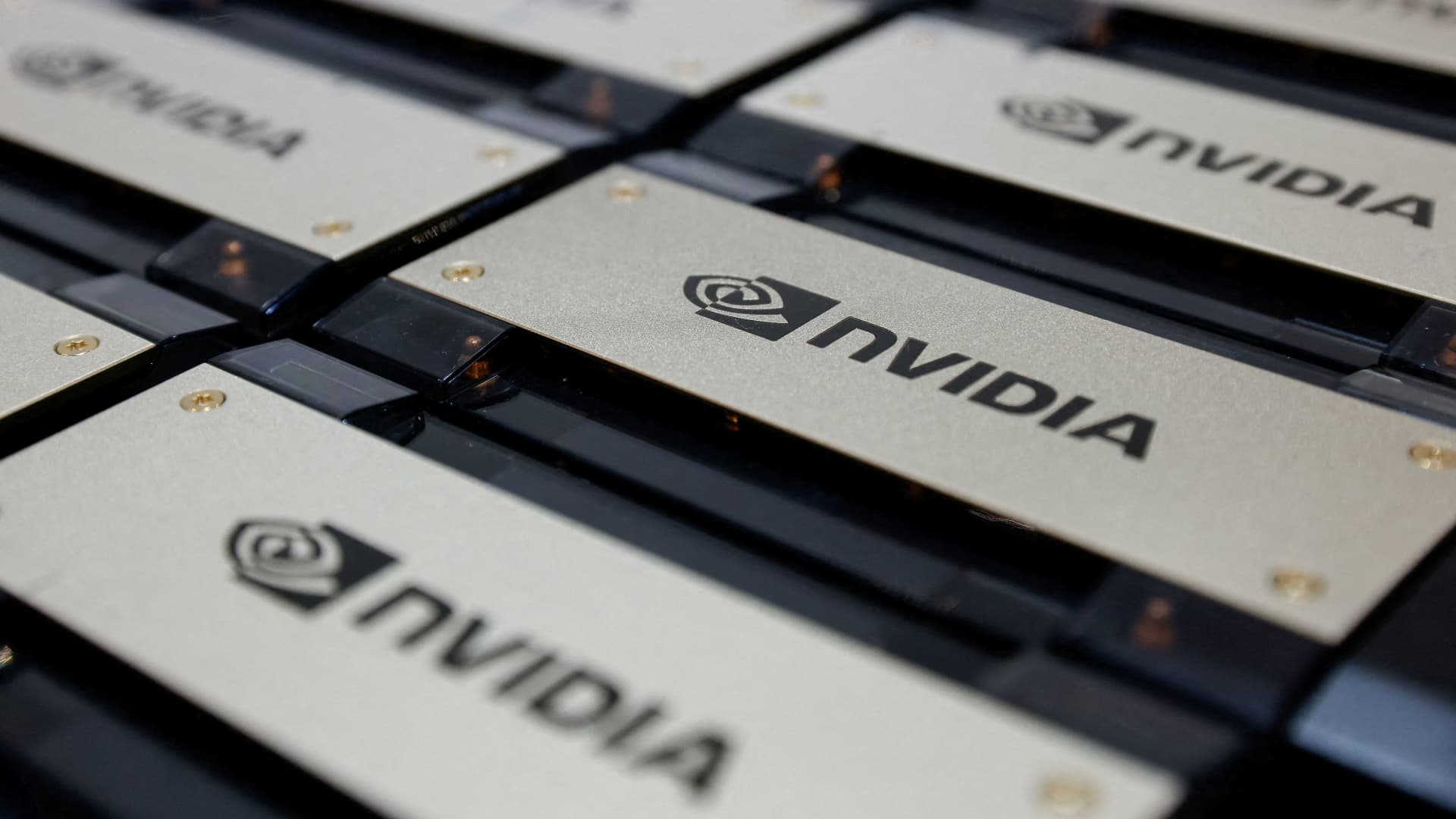
Jensen Huang Highlights Nvidia's Full-Stack AI Ecosystem Advantage
Written by Emily J. Thompson, Senior Investment Analyst
Updated: 4 days ago
0mins


Should l Buy NVDA?
Source: stocktwits
- Strong Market Demand: Despite Big Tech ramping up in-house chip development, demand for Nvidia's chips remains robust, driven by surging AI infrastructure spending, underscoring the company's dominant market position.
- Solid Competitive Moat: Jensen Huang emphasized that building something better than Nvidia is not easy, highlighting the company's role as a middle layer in a complex ecosystem, which makes it difficult for competitors to replicate its business model and further solidifies its market advantage.
- Optimistic Analyst Ratings: According to Koyfin, of the 60 analysts covering Nvidia, 57 have a 'Buy' rating, reflecting strong market confidence in Nvidia's future performance, which is mirrored in the stock price, rising 2% on Wednesday for the 11th consecutive trading day.
- Retail Sentiment Rebounds: Retail sentiment for Nvidia on Stocktwits improved from 'neutral' to 'bullish' this week, aligning with Wall Street's optimistic outlook, indicating investor confidence in Nvidia's future prospects.
Trade with 70% Backtested Accuracy
Stop guessing "Should I Buy NVDA?" and start using high-conviction signals backed by rigorous historical data.
Sign up today to access powerful investing tools and make smarter, data-driven decisions.
Analyst Views on NVDA
Wall Street analysts forecast NVDA stock price to rise
41 Analyst Rating
39 Buy
1 Hold
1 Sell
Strong Buy
Current: 198.350

Low
200.00
Averages
264.97
High
352.00
Current: 198.350
Low
200.00
Averages
264.97
High
352.00
About NVDA
NVIDIA Corporation is an artificial intelligence (AI) infrastructure company. The Company is engaged in accelerated computing to help solve the challenging computational problems. Its segments include Compute & Networking and Graphics. The Compute & Networking segment includes its Data Center accelerated computing and networking platforms and AI solutions and software, and automotive platforms and autonomous and electric vehicle solutions, including software. The Graphics segment includes GeForce GPUs for gaming and personal computers (PCs), and Quadro/NVIDIA RTX GPUs for enterprise workstation graphics. Its technology stack includes the foundational NVIDIA CUDA development platform that runs on all NVIDIA GPUs, as well as hundreds of domain-specific software libraries, frameworks, algorithms, software development kits (SDKs), and application programming interfaces (APIs). Its platforms address four markets, which include Data Center, Gaming, Professional Visualization, and Automotive.
About the author

Emily J. Thompson
Emily J. Thompson, a Chartered Financial Analyst (CFA) with 12 years in investment research, graduated with honors from the Wharton School. Specializing in industrial and technology stocks, she provides in-depth analysis for Intellectia’s earnings and market brief reports.

Nvidia Set to Release Q1 2027 Fiscal Results Amid AI Dominance

- Earnings Forecast: Nvidia anticipates Q1 2027 sales of $78 billion, representing a 77% increase year-over-year, with a projected gross margin of 74.9%, indicating robust market demand and profitability.
- Competitive Advantage: Despite increasing external competition, Nvidia's GPUs maintain clear advantages in computational power, and persistent GPU scarcity allows the company to sell hardware at premium prices, solidifying its market position in enterprise data centers.
- Stock Volatility: Historical data shows that Nvidia's stock typically declines after earnings releases, with five out of the last seven quarters experiencing a drop, averaging a 3% loss, reflecting overly optimistic market expectations.
- Investor Caution: While Nvidia's results often exceed analyst forecasts, the optimistic sentiment surrounding AI technology may pose bubble risks, prompting investors to carefully consider their investment decisions following the earnings report.
See More
AI Startup Cursor in Talks for $2B Fundraising at $50B Valuation
- Fundraising Plans: AI startup Cursor is in discussions to raise a $2 billion funding round, with an expected valuation exceeding $50 billion, which will further propel its market expansion and technological innovation.
- Investor Lineup: Andreessen Horowitz is set to co-lead this funding round, with Nvidia and Thrive Capital also expected to participate, reflecting strong confidence in Cursor's future growth from these previously involved investors.
- Historical Funding Review: Last November, Cursor raised approximately $2.3 billion in a Series D funding round, achieving a post-money valuation of $29.3 billion, attracting existing investors like Accel, Thrive, and Andreessen Horowitz, along with new partners such as Coatue, Nvidia, and Alphabet.
- Technology Updates: In February, Cursor released various updates aimed at assisting software developers, including enabling AI agents to test coding changes and record their actions through videos, logs, and screenshots, thereby enhancing development efficiency.
See More

Alphabet Partners with Marvell to Develop AI Chips


- AI Chip Collaboration: Alphabet is in talks with Marvell to develop two new chips aimed at enhancing efficiency in handling AI workloads, indicating Google's ongoing investment and competitive intent in the AI chip sector.
- Memory Processing Unit: One of the chips will be a memory processing unit designed to work alongside Google's tensor processing units (TPUs), aimed at optimizing AI computing performance and enhancing the competitiveness of Google Cloud services.
- Inference Task Focus: The other new TPU will be specifically designed for inference tasks, signaling Google's ambition to challenge Nvidia's dominance in the AI infrastructure market through its proprietary silicon technology, thereby solidifying its market share.
- Cost and Scale Effects: As enterprise demand for AI services continues to rise, Google's efficient chips will help lower operational costs and accelerate the scaling of AI services, with the memory chip expected to enter the design phase by 2027 before moving into testing.
See More

Nvidia-Backed Cursor Valued Over $50 Billion in $2 Billion Funding Talks
- Funding Expansion: Cursor is in talks to raise $2 billion at a valuation exceeding $50 billion, indicating strong investor confidence in AI development tools, particularly with backing from existing investors like Nvidia and Andreessen Horowitz.
- Rapid Valuation Growth: The company raised approximately $2.3 billion at a post-money valuation of $29.3 billion in November 2025, showcasing a significant valuation increase in just a few months, reflecting a swift shift in market enthusiasm towards AI developer tools.
- Technology Updates Driving Adoption: The updates rolled out in February allow AI agents to test code changes and document their work through logs, videos, and screenshots, enhancing AI autonomy and usability within real developer workflows, thereby increasing the product's market competitiveness.
- Shifting Market Trends: The rapid valuation increase of Cursor amidst surging demand for AI development tools suggests a swift change in market sentiment, potentially prompting more companies to invest heavily in AI technologies, thus driving innovation and growth across the industry.
See More
Major Wall Street Rating Updates on Monday


- Tesla Rating Adjustment: Jefferies raised Tesla's price target from $300 to $350, anticipating Q1 results will show a widening gap between vision and execution, and concerns about funding may arise without a convincing robotaxi announcement, potentially leading to merger considerations with SpaceX.
- Apple's Positive Outlook: Morgan Stanley reiterated Apple as overweight, expecting a modest 1-2% upside in revenue and EPS in the upcoming earnings report, despite supply constraints, indicating the company's resilience in the market.
- Amazon Price Target Increase: Bank of America raised Amazon's price target from $275 to $298, believing that with strong assets and customer focus, Amazon is well-positioned to capitalize on the global growth of eCommerce and enterprise demand for AI capabilities, showcasing robust growth potential.
- Microsoft's Favorable Outlook: Deutsche Bank reiterated Microsoft as a buy, expecting Azure's performance and guidance to be focal points in the upcoming earnings report, indicating that the company's broad progress in AI initiatives will drive future growth.
See More

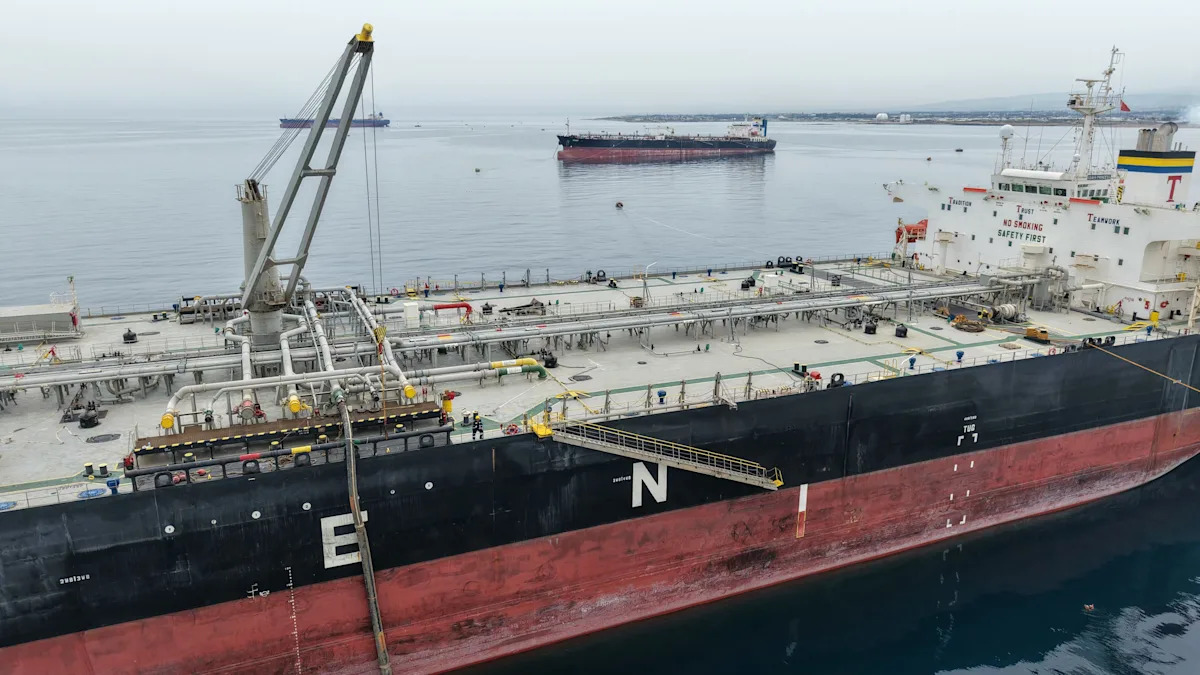
US Navy Seizes Iranian Cargo Ship, Sparking Market Concerns


- Navy Seizure Incident: President Trump announced the U.S. Navy seized an Iranian cargo ship, leading to a cautious market sentiment as investor concerns about Middle Eastern tensions rise, causing oil prices to increase and potentially impacting consumer spending.
- Oil Price Warning: The Energy Secretary warned that gas prices could remain above $3 per gallon until next year, which would negatively affect consumers already feeling the pinch of high costs, further impacting economic recovery.
- Tech and Finance Intersection: Kevin Warsh, Trump's nominee for Federal Reserve Chair, is set for a Senate confirmation hearing, and his close ties to Silicon Valley could change the interaction between tech giants and the Fed, influencing future monetary policy.
- Automotive Dealer Consolidation Trend: Data shows that the top 150 auto dealers in the U.S. increased their market share from 21.2% a decade ago to 27%, reflecting the rise of mega-dealers and the struggles of smaller competitors, potentially leading to significant industry structural changes.
See More
Nvidia Set to Release Q1 2027 Fiscal Results Amid AI Dominance
- Earnings Forecast: Nvidia anticipates Q1 2027 sales of $78 billion, representing a 77% increase year-over-year, with a projected gross margin of 74.9%, indicating robust market demand and profitability.
- Competitive Advantage: Despite increasing external competition, Nvidia's GPUs maintain clear advantages in computational power, and persistent GPU scarcity allows the company to sell hardware at premium prices, solidifying its market position in enterprise data centers.
- Stock Volatility: Historical data shows that Nvidia's stock typically declines after earnings releases, with five out of the last seven quarters experiencing a drop, averaging a 3% loss, reflecting overly optimistic market expectations.
- Investor Caution: While Nvidia's results often exceed analyst forecasts, the optimistic sentiment surrounding AI technology may pose bubble risks, prompting investors to carefully consider their investment decisions following the earnings report.
See More
AI Startup Cursor in Talks for $2B Fundraising at $50B Valuation
- Fundraising Plans: AI startup Cursor is in discussions to raise a $2 billion funding round, with an expected valuation exceeding $50 billion, which will further propel its market expansion and technological innovation.
- Investor Lineup: Andreessen Horowitz is set to co-lead this funding round, with Nvidia and Thrive Capital also expected to participate, reflecting strong confidence in Cursor's future growth from these previously involved investors.
- Historical Funding Review: Last November, Cursor raised approximately $2.3 billion in a Series D funding round, achieving a post-money valuation of $29.3 billion, attracting existing investors like Accel, Thrive, and Andreessen Horowitz, along with new partners such as Coatue, Nvidia, and Alphabet.
- Technology Updates: In February, Cursor released various updates aimed at assisting software developers, including enabling AI agents to test coding changes and record their actions through videos, logs, and screenshots, thereby enhancing development efficiency.
See More
Alphabet Partners with Marvell to Develop AI Chips
- AI Chip Collaboration: Alphabet is in talks with Marvell to develop two new chips aimed at enhancing efficiency in handling AI workloads, indicating Google's ongoing investment and competitive intent in the AI chip sector.
- Memory Processing Unit: One of the chips will be a memory processing unit designed to work alongside Google's tensor processing units (TPUs), aimed at optimizing AI computing performance and enhancing the competitiveness of Google Cloud services.
- Inference Task Focus: The other new TPU will be specifically designed for inference tasks, signaling Google's ambition to challenge Nvidia's dominance in the AI infrastructure market through its proprietary silicon technology, thereby solidifying its market share.
- Cost and Scale Effects: As enterprise demand for AI services continues to rise, Google's efficient chips will help lower operational costs and accelerate the scaling of AI services, with the memory chip expected to enter the design phase by 2027 before moving into testing.
See More
Nvidia-Backed Cursor Valued Over $50 Billion in $2 Billion Funding Talks
- Funding Expansion: Cursor is in talks to raise $2 billion at a valuation exceeding $50 billion, indicating strong investor confidence in AI development tools, particularly with backing from existing investors like Nvidia and Andreessen Horowitz.
- Rapid Valuation Growth: The company raised approximately $2.3 billion at a post-money valuation of $29.3 billion in November 2025, showcasing a significant valuation increase in just a few months, reflecting a swift shift in market enthusiasm towards AI developer tools.
- Technology Updates Driving Adoption: The updates rolled out in February allow AI agents to test code changes and document their work through logs, videos, and screenshots, enhancing AI autonomy and usability within real developer workflows, thereby increasing the product's market competitiveness.
- Shifting Market Trends: The rapid valuation increase of Cursor amidst surging demand for AI development tools suggests a swift change in market sentiment, potentially prompting more companies to invest heavily in AI technologies, thus driving innovation and growth across the industry.
See More
Major Wall Street Rating Updates on Monday
- Tesla Rating Adjustment: Jefferies raised Tesla's price target from $300 to $350, anticipating Q1 results will show a widening gap between vision and execution, and concerns about funding may arise without a convincing robotaxi announcement, potentially leading to merger considerations with SpaceX.
- Apple's Positive Outlook: Morgan Stanley reiterated Apple as overweight, expecting a modest 1-2% upside in revenue and EPS in the upcoming earnings report, despite supply constraints, indicating the company's resilience in the market.
- Amazon Price Target Increase: Bank of America raised Amazon's price target from $275 to $298, believing that with strong assets and customer focus, Amazon is well-positioned to capitalize on the global growth of eCommerce and enterprise demand for AI capabilities, showcasing robust growth potential.
- Microsoft's Favorable Outlook: Deutsche Bank reiterated Microsoft as a buy, expecting Azure's performance and guidance to be focal points in the upcoming earnings report, indicating that the company's broad progress in AI initiatives will drive future growth.
See More
US Navy Seizes Iranian Cargo Ship, Sparking Market Concerns
- Navy Seizure Incident: President Trump announced the U.S. Navy seized an Iranian cargo ship, leading to a cautious market sentiment as investor concerns about Middle Eastern tensions rise, causing oil prices to increase and potentially impacting consumer spending.
- Oil Price Warning: The Energy Secretary warned that gas prices could remain above $3 per gallon until next year, which would negatively affect consumers already feeling the pinch of high costs, further impacting economic recovery.
- Tech and Finance Intersection: Kevin Warsh, Trump's nominee for Federal Reserve Chair, is set for a Senate confirmation hearing, and his close ties to Silicon Valley could change the interaction between tech giants and the Fed, influencing future monetary policy.
- Automotive Dealer Consolidation Trend: Data shows that the top 150 auto dealers in the U.S. increased their market share from 21.2% a decade ago to 27%, reflecting the rise of mega-dealers and the struggles of smaller competitors, potentially leading to significant industry structural changes.
See More