iShares Semiconductor ETF Surges 40% Amid AI Demand
Written by Emily J. Thompson, Senior Investment Analyst
Updated: 2 days ago
0mins


Should l Buy META?
Source: Fool
- Favorable Industry Trends: The iShares Semiconductor ETF surged 40% last month due to cooling tensions in the Middle East, new data center deals, and a strong earnings report from Intel, highlighting robust demand for semiconductors driven by Agentic AI's CPU needs.
- Earnings Reports Drive Growth: Strong earnings from industry leaders like TSMC, NXP Semiconductor, and Intel, which saw its earnings double, indicate a significant uptick in chip demand as hyperscalers require more capacity for AI applications, showcasing the sector's resilience.
- Increased Capital Expenditure: Major hyperscalers raised their capital expenditure forecasts at the end of the month, signaling ongoing semiconductor demand growth, with Meta specifically increasing its capex due to rising component prices, further underscoring the market's bullish outlook.
- Valuation and Growth Potential: While the SOXX ETF trades at a high price-to-earnings ratio of 52.3, indicating expensive valuations, key components like Micron and Nvidia continue to deliver strong growth, suggesting that the ETF has potential for further gains amid the current AI momentum.
Trade with 70% Backtested Accuracy
Stop guessing "Should I Buy META?" and start using high-conviction signals backed by rigorous historical data.
Sign up today to access powerful investing tools and make smarter, data-driven decisions.
Analyst Views on META
Wall Street analysts forecast META stock price to rise
44 Analyst Rating
37 Buy
6 Hold
1 Sell
Strong Buy
Current: 604.960

Low
655.15
Averages
824.71
High
1117
Current: 604.960
Low
655.15
Averages
824.71
High
1117
About META
Meta Platforms, Inc. is building human connections, powered by artificial intelligence and immersive technologies. The Company's products enable people to connect and share with friends and family through mobile devices, personal computers, virtual reality (VR) and mixed reality (MR) headsets, augmented reality (AR), and wearables. It also helps people discover and learn about what is going on in the world around them, enabling people to share their experiences, ideas, photos, videos, and other content with audiences ranging from their closest family members and friends to the public at large. The Company's segments include Family of Apps (FoA) and Reality Labs (RL). FoA segment includes Facebook, Instagram, Messenger, WhatsApp and Threads. RL segment includes its virtual, augmented, and mixed reality related consumer hardware, software and content. Its product offerings in VR include its Meta Quest devices, as well as software and content available through the Meta Horizon Store.
About the author

Emily J. Thompson
Emily J. Thompson, a Chartered Financial Analyst (CFA) with 12 years in investment research, graduated with honors from the Wharton School. Specializing in industrial and technology stocks, she provides in-depth analysis for Intellectia’s earnings and market brief reports.

Meta's Costs Outpace Revenue Growth, Raising Concerns

- Cost Growth Trend: Meta has seen its costs and expenses grow faster than revenue for three consecutive quarters, with a 33% revenue increase in Q1 overshadowed by a 35% rise in costs, indicating that investments in long-term growth opportunities may be hurting its short-term appeal.
- Margin Pressure: Although Meta's operating margin remains high at 41%, ongoing increases in spending raise investor concerns about future profit growth, particularly as heavy investments in AI could further compress profit margins.
- Poor Market Performance: Over the past 12 months, Meta's stock has only risen about 2%, significantly lagging behind the S&P 500's 27% gain, reflecting market skepticism regarding its long-term growth potential despite relatively strong financial results.
- Investment Risk Warning: While Meta's forward P/E ratio of 20 suggests it is not overly expensive, analysts remain pessimistic about its future growth, and the company has not made it onto the current list of top investment stocks, highlighting market caution regarding its risks.
See More

Meta Platforms Poised to Join $3 Trillion Club
- User Experience Transformation: Meta is set to reshape the user experience on Facebook and Instagram with AI, which is expected to significantly boost user engagement and advertising revenue, with a market capitalization of $1.55 trillion; if it successfully joins the $3 trillion club, investors could nearly double their returns.
- User Growth Challenges: Despite over 3.5 billion daily users across its social media apps, acquiring new users is becoming increasingly difficult, prompting the company to focus on enhancing the value of existing users to drive growth and ensure the sustainability of its advertising business.
- Accelerated Financial Performance: In Q1 2026, Meta generated $56.3 billion in revenue, a 33% year-over-year increase, while earnings soared by 61% to $10.44 per share, indicating that its AI-driven user engagement strategy is effective, although capital expenditures are projected to reach $145 billion, which may impact short-term profitability.
- Significant Valuation Potential: With a current P/E ratio of 22.1, significantly lower than the Nasdaq-100's 33.9, analysts predict earnings will rise to $34.60 per share by 2027; if the stock doubles, its market cap could reach $3.1 trillion, highlighting its substantial undervaluation potential.
See More

Apple Increases R&D Spending, Accelerates AI Strategy


- Significant R&D Increase: Apple's R&D spending reached 10.3% of revenue in Q1 2026, up from 9% a year earlier, indicating a strong commitment to artificial intelligence that is expected to drive future product innovation.
- Strong Sales Growth: In the same quarter, Apple's sales surged by 17%, marking the fastest quarterly growth since 2021, reflecting robust market demand for iPhones and Macs, which further supports the company's investment decisions in AI.
- Accelerated AI Product Development: With CEO Tim Cook preparing to step down, Apple is hastening the development of AI products, including an updated Siri and other AI wearables, demonstrating a sense of urgency and strategic shift in technology innovation.
- Insufficient Capital Expenditure: Despite the increase in R&D spending, Apple lags behind competitors in capital expenditures, spending only $4.3 billion over the past two quarters, significantly less than the hundreds of billions spent by companies like Google and Amazon, which may impact its competitiveness in AI infrastructure development.
See More
Key Wall Street Rating Changes Overview


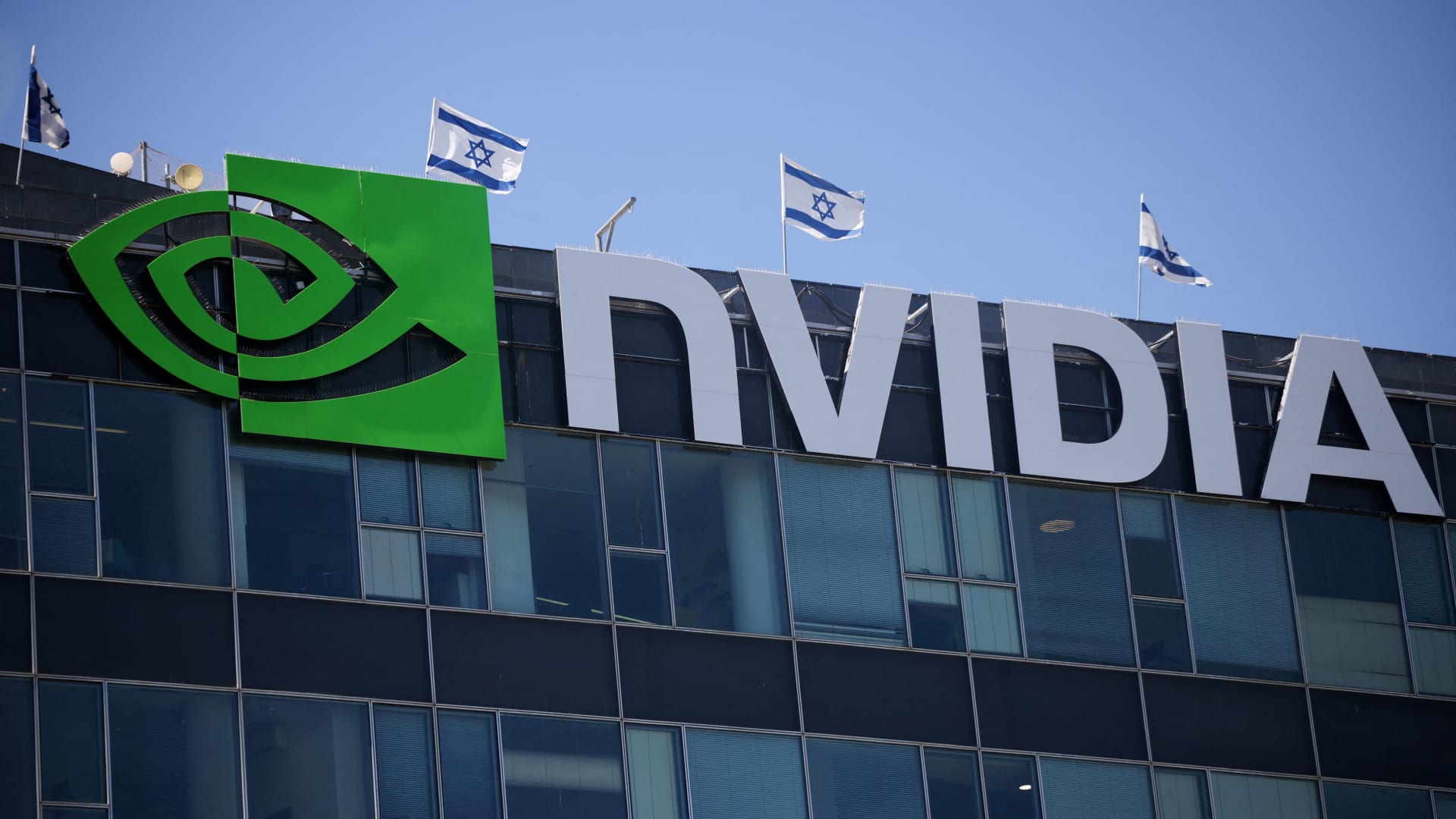
- LCI Industries Upgrade: Roth upgrades LCI Industries from Hold to Buy with a price target of $164, unchanged, following outsized Q1 EPS, indicating strong profitability that is expected to drive stock price upward.
- VF Corp Upgrade: BTIG raises VF Corp's rating from Neutral to Buy, citing more reasonable estimates reflecting positive outlook for Vans brand, which could enhance market confidence and shareholder returns.
- DaVita's Strong Performance: Deutsche Bank upgrades DaVita from Hold to Buy after reporting Q1 revenues of $3.415 billion, beating consensus by 2.2%, and EPS of $2.87, exceeding expectations by 22.1%, showcasing robust treatment growth and revenue per treatment.
- Monster Beverage Upgrade: Rothschild & Co Redburn upgrades Monster Beverage from Neutral to Buy, highlighting significant international growth potential as the company currently holds only 14% market share, suggesting substantial future market position improvement.
See More
Corning Partners with Nvidia to Build Optical Manufacturing Plants


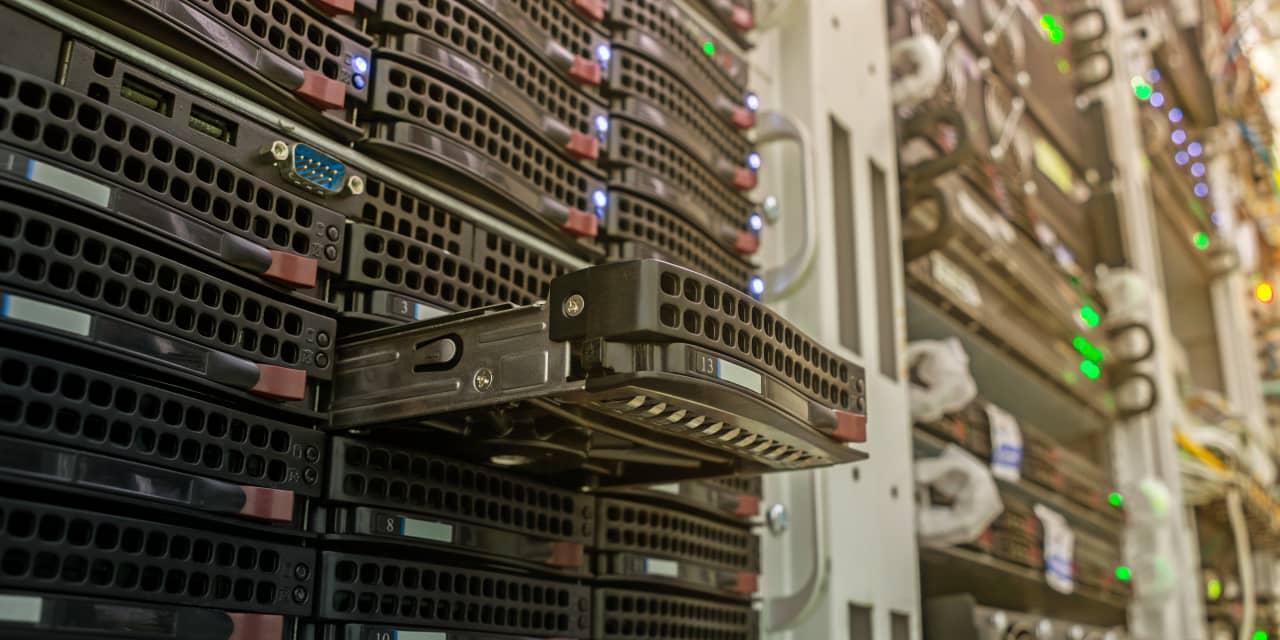
- New Plant Construction: Corning is partnering with Nvidia to establish three optical technology manufacturing plants in the U.S., expected to create at least 3,000 jobs and increase U.S. optical manufacturing capacity tenfold, significantly enhancing the company's competitive position in the rapidly growing AI infrastructure market.
- Stock Surge: Corning's shares have soared over 250% in the past year, bolstered by a deal with Meta worth up to $6 billion, reflecting the company's rapid pivot into the new economy and increased market recognition.
- Technological Innovation: The new plants will facilitate the application of optical fiber technology, likely replacing copper cables in Nvidia's AI systems, enhancing data transfer speeds and reducing energy consumption, thereby providing more efficient infrastructure support for AI workloads.
- Strategic Collaboration: This partnership represents a significant alliance between two infrastructure companies and marks a major opportunity in AI infrastructure development, with Corning and Nvidia committed to revitalizing American manufacturing and showcasing the importance of optical technology in the future of computing.
See More
Apple's R&D Spending Hits New High, Accelerating AI Investments
- Surge in R&D Spending: Apple's R&D expenditure reached 10.3% of revenue in the March quarter, up from 9% a year earlier, indicating a significant commitment to artificial intelligence that is expected to drive future product innovation and enhance market competitiveness.
- Strong Sales Growth: While sales jumped 17% year-over-year, marking the fastest growth since 2021, R&D spending increased nearly 34%, demonstrating Apple's determination to invest in AI and its responsiveness to market demands.
- Strategic Transition Signal: With CEO Tim Cook set to step down, the increased investment in AI signifies a heightened urgency for new product development, likely attracting market attention towards Apple's future product lines.
- Capital Expenditure Gap: Despite rising R&D spending, Apple lags behind peers in capital expenditures, having spent only $4.3 billion over the past two quarters, significantly less than the hundreds of billions invested by companies like Google and Amazon, highlighting a shortfall in infrastructure development.
See More
Meta's Costs Outpace Revenue Growth, Raising Concerns
- Cost Growth Trend: Meta has seen its costs and expenses grow faster than revenue for three consecutive quarters, with a 33% revenue increase in Q1 overshadowed by a 35% rise in costs, indicating that investments in long-term growth opportunities may be hurting its short-term appeal.
- Margin Pressure: Although Meta's operating margin remains high at 41%, ongoing increases in spending raise investor concerns about future profit growth, particularly as heavy investments in AI could further compress profit margins.
- Poor Market Performance: Over the past 12 months, Meta's stock has only risen about 2%, significantly lagging behind the S&P 500's 27% gain, reflecting market skepticism regarding its long-term growth potential despite relatively strong financial results.
- Investment Risk Warning: While Meta's forward P/E ratio of 20 suggests it is not overly expensive, analysts remain pessimistic about its future growth, and the company has not made it onto the current list of top investment stocks, highlighting market caution regarding its risks.
See More
Meta Platforms Poised to Join $3 Trillion Club
- User Experience Transformation: Meta is set to reshape the user experience on Facebook and Instagram with AI, which is expected to significantly boost user engagement and advertising revenue, with a market capitalization of $1.55 trillion; if it successfully joins the $3 trillion club, investors could nearly double their returns.
- User Growth Challenges: Despite over 3.5 billion daily users across its social media apps, acquiring new users is becoming increasingly difficult, prompting the company to focus on enhancing the value of existing users to drive growth and ensure the sustainability of its advertising business.
- Accelerated Financial Performance: In Q1 2026, Meta generated $56.3 billion in revenue, a 33% year-over-year increase, while earnings soared by 61% to $10.44 per share, indicating that its AI-driven user engagement strategy is effective, although capital expenditures are projected to reach $145 billion, which may impact short-term profitability.
- Significant Valuation Potential: With a current P/E ratio of 22.1, significantly lower than the Nasdaq-100's 33.9, analysts predict earnings will rise to $34.60 per share by 2027; if the stock doubles, its market cap could reach $3.1 trillion, highlighting its substantial undervaluation potential.
See More
Apple Increases R&D Spending, Accelerates AI Strategy
- Significant R&D Increase: Apple's R&D spending reached 10.3% of revenue in Q1 2026, up from 9% a year earlier, indicating a strong commitment to artificial intelligence that is expected to drive future product innovation.
- Strong Sales Growth: In the same quarter, Apple's sales surged by 17%, marking the fastest quarterly growth since 2021, reflecting robust market demand for iPhones and Macs, which further supports the company's investment decisions in AI.
- Accelerated AI Product Development: With CEO Tim Cook preparing to step down, Apple is hastening the development of AI products, including an updated Siri and other AI wearables, demonstrating a sense of urgency and strategic shift in technology innovation.
- Insufficient Capital Expenditure: Despite the increase in R&D spending, Apple lags behind competitors in capital expenditures, spending only $4.3 billion over the past two quarters, significantly less than the hundreds of billions spent by companies like Google and Amazon, which may impact its competitiveness in AI infrastructure development.
See More
Key Wall Street Rating Changes Overview
- LCI Industries Upgrade: Roth upgrades LCI Industries from Hold to Buy with a price target of $164, unchanged, following outsized Q1 EPS, indicating strong profitability that is expected to drive stock price upward.
- VF Corp Upgrade: BTIG raises VF Corp's rating from Neutral to Buy, citing more reasonable estimates reflecting positive outlook for Vans brand, which could enhance market confidence and shareholder returns.
- DaVita's Strong Performance: Deutsche Bank upgrades DaVita from Hold to Buy after reporting Q1 revenues of $3.415 billion, beating consensus by 2.2%, and EPS of $2.87, exceeding expectations by 22.1%, showcasing robust treatment growth and revenue per treatment.
- Monster Beverage Upgrade: Rothschild & Co Redburn upgrades Monster Beverage from Neutral to Buy, highlighting significant international growth potential as the company currently holds only 14% market share, suggesting substantial future market position improvement.
See More
Corning Partners with Nvidia to Build Optical Manufacturing Plants
- New Plant Construction: Corning is partnering with Nvidia to establish three optical technology manufacturing plants in the U.S., expected to create at least 3,000 jobs and increase U.S. optical manufacturing capacity tenfold, significantly enhancing the company's competitive position in the rapidly growing AI infrastructure market.
- Stock Surge: Corning's shares have soared over 250% in the past year, bolstered by a deal with Meta worth up to $6 billion, reflecting the company's rapid pivot into the new economy and increased market recognition.
- Technological Innovation: The new plants will facilitate the application of optical fiber technology, likely replacing copper cables in Nvidia's AI systems, enhancing data transfer speeds and reducing energy consumption, thereby providing more efficient infrastructure support for AI workloads.
- Strategic Collaboration: This partnership represents a significant alliance between two infrastructure companies and marks a major opportunity in AI infrastructure development, with Corning and Nvidia committed to revitalizing American manufacturing and showcasing the importance of optical technology in the future of computing.
See More
Apple's R&D Spending Hits New High, Accelerating AI Investments
- Surge in R&D Spending: Apple's R&D expenditure reached 10.3% of revenue in the March quarter, up from 9% a year earlier, indicating a significant commitment to artificial intelligence that is expected to drive future product innovation and enhance market competitiveness.
- Strong Sales Growth: While sales jumped 17% year-over-year, marking the fastest growth since 2021, R&D spending increased nearly 34%, demonstrating Apple's determination to invest in AI and its responsiveness to market demands.
- Strategic Transition Signal: With CEO Tim Cook set to step down, the increased investment in AI signifies a heightened urgency for new product development, likely attracting market attention towards Apple's future product lines.
- Capital Expenditure Gap: Despite rising R&D spending, Apple lags behind peers in capital expenditures, having spent only $4.3 billion over the past two quarters, significantly less than the hundreds of billions invested by companies like Google and Amazon, highlighting a shortfall in infrastructure development.
See More