Investment Outlook for Viking Therapeutics and Bitcoin

- Clinical Trial Progress: Viking Therapeutics' lead candidate VK2735 has shown significant weight loss in phase 2 trials with a tolerable side effect profile, and the company has initiated two phase 3 studies, with the oral formulation expected to enter trials in Q3 2026; positive results could accelerate FDA approval and unlock substantial market potential.
- Strong Financial Position: The company holds $706 million in cash and short-term investments, sufficient to cover its $393 million annual operating expenses, ensuring financial stability until more clinical data is available, and if results remain positive, the stock price could see significant appreciation.
- Intense Market Competition: Viking's weight-loss treatment will face competition from established players like Novo Nordisk and Eli Lilly, which have already launched approved oral weight-loss drugs, potentially impacting Viking's market share and shareholder returns.
- Bitcoin Investment Potential: In contrast, Bitcoin's growth does not rely on clinical data or regulatory approvals, with its value primarily driven by supply and demand dynamics; recent capital inflows into U.S. spot Bitcoin ETFs reached $614 million, indicating strong market demand, and despite its volatility, long-term supply constraints are likely to drive price increases.
Trade with 70% Backtested Accuracy
Analyst Views on LLY

About LLY
About the author

ELI LILLY - TALTZ AND ZEPBOUND ACHIEVE PRIMARY AND ALL IMPORTANT SECONDARY ENDPOINTS SHOWING STATISTICAL SUPERIORITY OVER TALTZ MONOTHERAPY AT 36 WEEKS
- Primary and Secondary Endpoints: The study focuses on the primary and all key secondary endpoints for statistical superiority related to Total Tz Monotherapy at 36 weeks.
- Statistical Superiority: The aim is to demonstrate that Total Tz Monotherapy is statistically superior in its effects compared to other treatments.
Phase 3B Data Revealed at AAD Annual Meeting Demonstrates Enhanced Efficacy of Lilly's Taltz (Ixekizumab) Combined with Zepbound (Tirzepatide) for Adults with Psoriatic Arthritis and Obesity
New Data Presentation: Phase 3 data for the drugs IxeKizumab (brand name: Taltz) and Tirzepatide (brand name: Zepbound) was presented at an annual meeting.
Efficacy Results: The data demonstrated superior efficacy for adults suffering from psoriatic arthritis and obesity.

Surging Oil Prices Impact Market Sentiment

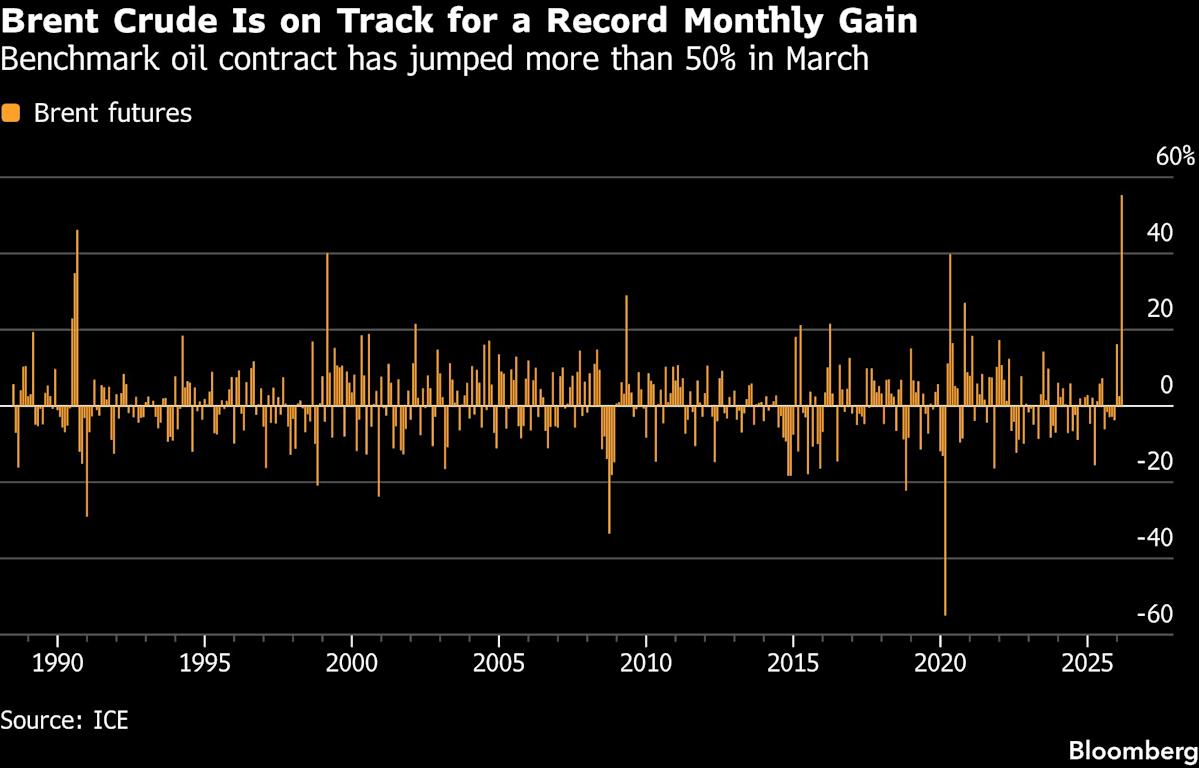
- Oil Price Volatility: Crude oil prices surged 55% in March following Trump's threat to 'take the oil in Iran,' marking the largest monthly gain ever, which has heightened concerns about the potential impact on the U.S. economy and market sentiment.
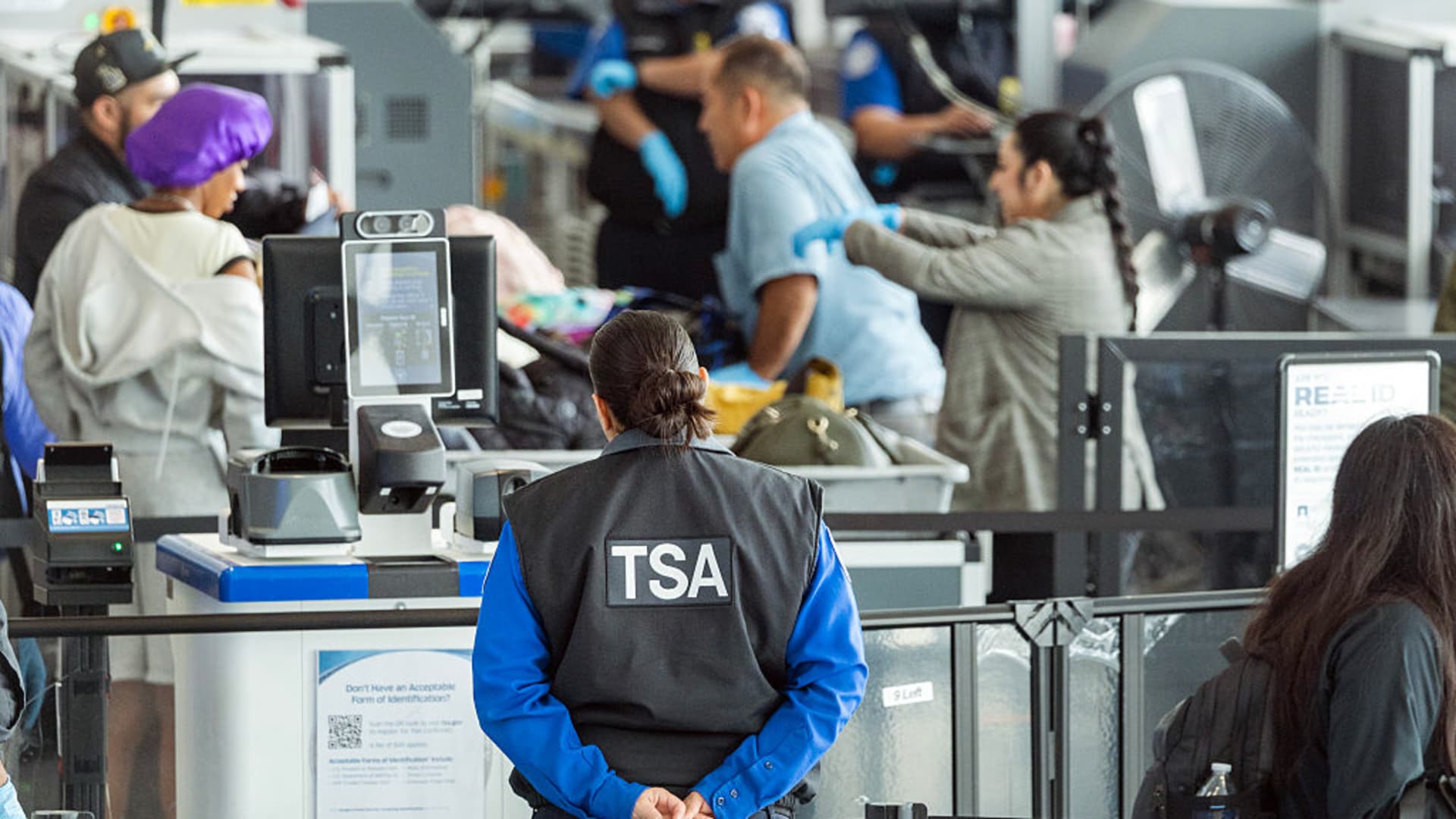
- Government Shutdown Impact: Trump signed an executive order to ensure TSA employees are paid after Congress failed to reach a deal, which may lead to longer security wait times and higher airfare for travelers, further affecting consumer confidence.
- Tech Industry Legal Risks: Meta's two courtroom defeats reveal the legal liabilities tech companies face when researching product impacts, which could have significant implications for the AI industry, prompting firms to reassess the risks versus rewards of such research investments.
- Pharmaceutical Collaboration: Eli Lilly's $2.75 billion deal with Insilico Medicine aims to bring AI-developed drugs to the global market, which not only boosted Lilly's stock price but also highlights the rapidly growing potential of AI applications in the pharmaceutical sector.
Stock Futures Rise Amid Oil Price Surge and Market Recovery
- Oil Price Surge: Crude oil prices skyrocketed by 55% in March following Trump's threat to seize Iranian oil, marking the largest monthly gain ever, which pressures the U.S. economy and forces companies to adjust pricing strategies to cope with rising costs.
- Market Recovery Signal: Despite the S&P 500 and Nasdaq Composite experiencing their worst week of 2026, stock futures rose after Trump indicated “great progress” in negotiations with Iran, reflecting investor optimism about market recovery.
- TSA Employee Pay Restoration: Trump signed an executive order ensuring Transportation Security Administration employees will receive pay after Congress failed to reach a deal to end the government shutdown, alleviating traveler frustrations caused by long security wait times.
- AI Drug Development Partnership: Eli Lilly struck a $2.75 billion deal with Insilico Medicine to bring AI-developed drugs to market, enhancing Lilly's market confidence and potentially accelerating the application of AI in the pharmaceutical industry.

Vanguard ETFs Shine Amid Market Turbulence

- Safe Haven: The Vanguard Short-Term Inflation-Protected Securities ETF (VTIP) focuses on short-term U.S. Treasury bonds, delivering only a 3.15% return over the past decade, yet it protects capital during market downturns, ensuring investors' purchasing power remains intact against inflation.
- Consumer Staples ETF Outperformance: The Vanguard Consumer Staples ETF (VDC), holding 104 consumer staples stocks, only fell 4% during the 2022 bear market, significantly outperforming the S&P 500's 19% drop and the Nasdaq's 33%, demonstrating its resilience amid economic uncertainty.
- Attractiveness of High-Quality Dividend Stocks: The Vanguard Dividend Appreciation ETF (VIG) tracks the S&P U.S. Dividend Growers Index and currently holds 338 stocks; while it is not immune to market sell-offs, it has historically outperformed the S&P 500 during downturns, with an annual expense ratio of just 0.04%.
- Cost Efficiency Advantage: The Vanguard Consumer Staples ETF boasts an annual expense ratio of 0.09%, significantly lower than the average 0.73% for similar funds, making it a preferred choice for investors seeking cost-effective options during turbulent times.
Key Stock Market Movers: Nvidia, Eli Lilly, Alcoa, Coinbase, and Strategic Developments

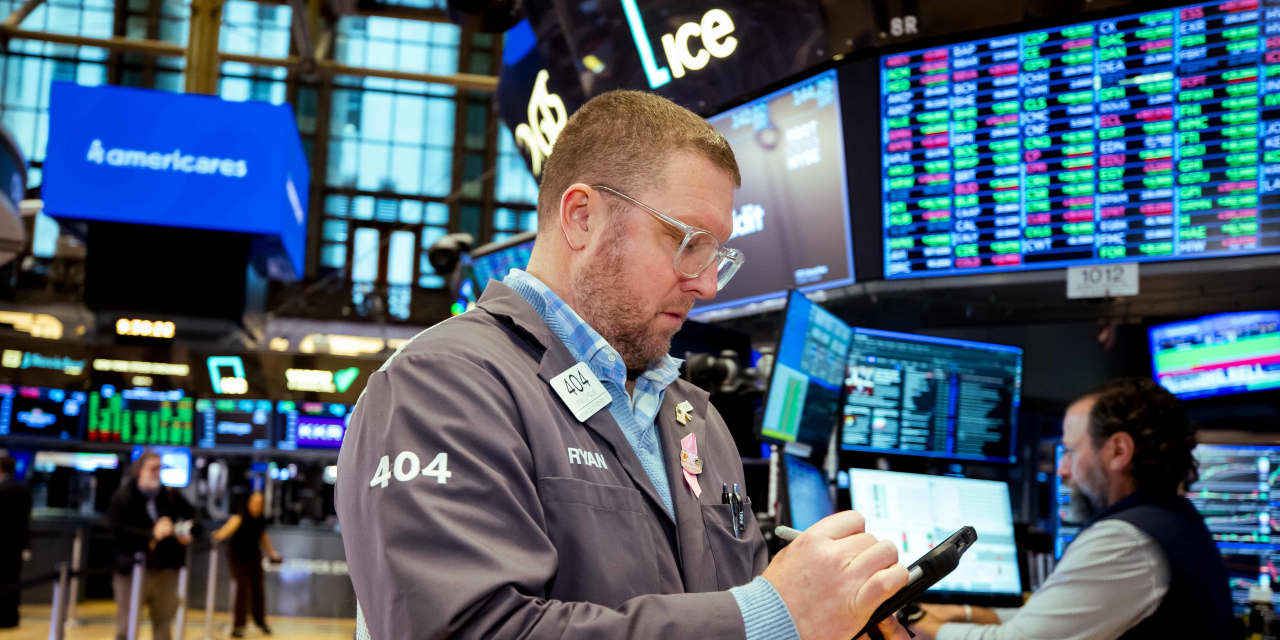
Stock Market Reaction: Stock futures are showing an upward trend on Monday.
Conflict Duration: The war in Iran has now entered its second month.
ELI LILLY - TALTZ AND ZEPBOUND ACHIEVE PRIMARY AND ALL IMPORTANT SECONDARY ENDPOINTS SHOWING STATISTICAL SUPERIORITY OVER TALTZ MONOTHERAPY AT 36 WEEKS
- Primary and Secondary Endpoints: The study focuses on the primary and all key secondary endpoints for statistical superiority related to Total Tz Monotherapy at 36 weeks.
- Statistical Superiority: The aim is to demonstrate that Total Tz Monotherapy is statistically superior in its effects compared to other treatments.
Phase 3B Data Revealed at AAD Annual Meeting Demonstrates Enhanced Efficacy of Lilly's Taltz (Ixekizumab) Combined with Zepbound (Tirzepatide) for Adults with Psoriatic Arthritis and Obesity
New Data Presentation: Phase 3 data for the drugs IxeKizumab (brand name: Taltz) and Tirzepatide (brand name: Zepbound) was presented at an annual meeting.
Efficacy Results: The data demonstrated superior efficacy for adults suffering from psoriatic arthritis and obesity.
Surging Oil Prices Impact Market Sentiment
- Oil Price Volatility: Crude oil prices surged 55% in March following Trump's threat to 'take the oil in Iran,' marking the largest monthly gain ever, which has heightened concerns about the potential impact on the U.S. economy and market sentiment.
- Government Shutdown Impact: Trump signed an executive order to ensure TSA employees are paid after Congress failed to reach a deal, which may lead to longer security wait times and higher airfare for travelers, further affecting consumer confidence.
- Tech Industry Legal Risks: Meta's two courtroom defeats reveal the legal liabilities tech companies face when researching product impacts, which could have significant implications for the AI industry, prompting firms to reassess the risks versus rewards of such research investments.
- Pharmaceutical Collaboration: Eli Lilly's $2.75 billion deal with Insilico Medicine aims to bring AI-developed drugs to the global market, which not only boosted Lilly's stock price but also highlights the rapidly growing potential of AI applications in the pharmaceutical sector.
Stock Futures Rise Amid Oil Price Surge and Market Recovery
- Oil Price Surge: Crude oil prices skyrocketed by 55% in March following Trump's threat to seize Iranian oil, marking the largest monthly gain ever, which pressures the U.S. economy and forces companies to adjust pricing strategies to cope with rising costs.
- Market Recovery Signal: Despite the S&P 500 and Nasdaq Composite experiencing their worst week of 2026, stock futures rose after Trump indicated “great progress” in negotiations with Iran, reflecting investor optimism about market recovery.
- TSA Employee Pay Restoration: Trump signed an executive order ensuring Transportation Security Administration employees will receive pay after Congress failed to reach a deal to end the government shutdown, alleviating traveler frustrations caused by long security wait times.
- AI Drug Development Partnership: Eli Lilly struck a $2.75 billion deal with Insilico Medicine to bring AI-developed drugs to market, enhancing Lilly's market confidence and potentially accelerating the application of AI in the pharmaceutical industry.
Vanguard ETFs Shine Amid Market Turbulence
- Safe Haven: The Vanguard Short-Term Inflation-Protected Securities ETF (VTIP) focuses on short-term U.S. Treasury bonds, delivering only a 3.15% return over the past decade, yet it protects capital during market downturns, ensuring investors' purchasing power remains intact against inflation.
- Consumer Staples ETF Outperformance: The Vanguard Consumer Staples ETF (VDC), holding 104 consumer staples stocks, only fell 4% during the 2022 bear market, significantly outperforming the S&P 500's 19% drop and the Nasdaq's 33%, demonstrating its resilience amid economic uncertainty.
- Attractiveness of High-Quality Dividend Stocks: The Vanguard Dividend Appreciation ETF (VIG) tracks the S&P U.S. Dividend Growers Index and currently holds 338 stocks; while it is not immune to market sell-offs, it has historically outperformed the S&P 500 during downturns, with an annual expense ratio of just 0.04%.
- Cost Efficiency Advantage: The Vanguard Consumer Staples ETF boasts an annual expense ratio of 0.09%, significantly lower than the average 0.73% for similar funds, making it a preferred choice for investors seeking cost-effective options during turbulent times.
Key Stock Market Movers: Nvidia, Eli Lilly, Alcoa, Coinbase, and Strategic Developments
Stock Market Reaction: Stock futures are showing an upward trend on Monday.
Conflict Duration: The war in Iran has now entered its second month.