Impact of US-Iran Conflict on Defense Stocks
Written by Emily J. Thompson, Senior Investment Analyst
Updated: 12 hours ago
0mins

Source: Fool
- Surge in Defense Spending: The U.S. is spending $2 billion daily in and around Iran, totaling $88 billion after 44 days of conflict, which exceeds the annual revenues of RTX, GD, and Lockheed, indicating significant growth opportunities in the defense sector.
- Weak Defense Stock Performance: Despite ongoing conflict, major defense contractors like General Dynamics, Lockheed Martin, and RTX have not seen significant stock price increases, reflecting market expectations for a short-term peace that may dampen investor interest in defense stocks in the near term.
- Textron Investment Opportunity: Textron's stock is trading close to 1x sales, and as a manufacturer of various military and civilian products, its V-22 Osprey tiltrotor aircraft may see increased usage in the conflict, highlighting its potential in the defense sector.
- Naval Shipbuilding Expansion: Leidos and Huntington Ingalls, as key military contractors, have competitive advantages in unmanned vessels and nuclear submarines, respectively, and are expected to benefit from the U.S. Navy's fleet expansion, showcasing significant long-term growth potential.
Trade with 70% Backtested Accuracy
Stop guessing "Should I Buy BA?" and start using high-conviction signals backed by rigorous historical data.
Sign up today to access powerful investing tools and make smarter, data-driven decisions.
Analyst Views on BA
Wall Street analysts forecast BA stock price to rise
16 Analyst Rating
14 Buy
1 Hold
1 Sell
Strong Buy
Current: 218.880

Low
150.00
Averages
269.14
High
298.00
Current: 218.880
Low
150.00
Averages
269.14
High
298.00
About BA
The Boeing Company is an aerospace company. Its segments include Commercial Airplanes (BCA), Defense, Space & Security (BDS), and Global Services (BGS). Its BCA segment develops, produces and markets commercial jet aircraft principally for the commercial airline industry worldwide. Its family of commercial jet aircraft in production includes the 737 narrow-body model and the 767, 777 and 787 wide-body models. Its BDS segment is engaged in the research, development, production and modification of manned and unmanned military aircraft and weapons systems for strike, surveillance and mobility. Its BGS segment provides services to its commercial and defense customers worldwide. It sustains aerospace platforms and systems with a range of products and services, including supply chain and logistics management, engineering, maintenance and modifications, upgrades and conversions, spare parts, pilot and maintenance training systems and services, technical and maintenance documents, and others.
About the author

Emily J. Thompson
Emily J. Thompson, a Chartered Financial Analyst (CFA) with 12 years in investment research, graduated with honors from the Wharton School. Specializing in industrial and technology stocks, she provides in-depth analysis for Intellectia’s earnings and market brief reports.
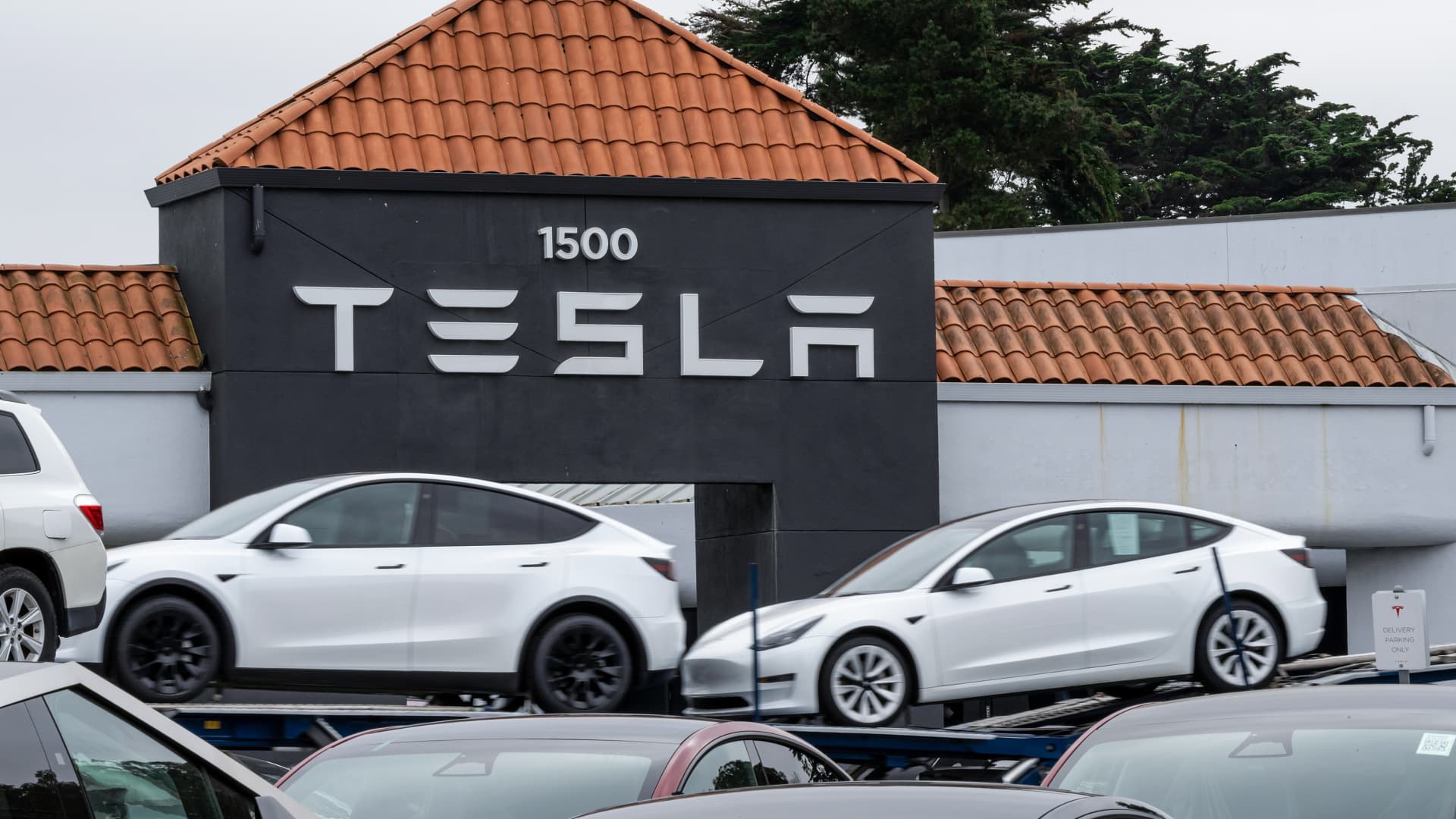
Earnings Season Intensifies with Tesla and Boeing Set to Report


- UnitedHealth Earnings Outlook: UnitedHealth is expected to report a more than 5% decline in earnings this quarter; however, analysts believe that a string of clean quarters could drive stock enthusiasm, reflecting optimism in the health insurance market.
- United Airlines Performance Forecast: United Airlines is projected to see a 20% year-over-year increase in earnings this quarter, with management discussing a potential merger with American Airlines, despite American's disinterest, which may influence market perceptions of United's future strategy.
- Boeing Revenue Growth Prediction: Boeing is forecasted to report over 10% revenue growth this quarter, with analysts raising their 2026 delivery forecast to 665 aircraft, indicating confidence in future performance, although historically, the stock has underperformed post-earnings releases.
- Tesla Earnings Expectations: Tesla is anticipated to post around 40% year-over-year earnings growth this quarter, with analysts focusing on its capital expenditure guidance, particularly related to infrastructure spending, despite significant stock volatility following recent earnings reports.
See More

Iran Claims Strait of Hormuz Under Strict Control Amid Market Speculation

- Market Reaction Anticipation: Iran's reaffirmation of control over the Strait of Hormuz may lead to fluctuations in global oil prices, particularly against the backdrop of Tesla's upcoming earnings report, heightening market sensitivity to energy supply issues.
- Geopolitical Implications: As a critical oil transport route, Iran's statement could raise investor concerns about Middle Eastern stability, potentially impacting the performance of related energy stocks.
- Tesla Earnings Looming: Tesla's forthcoming earnings report will be a focal point for the market, with investors keen to assess whether its performance is affected by global economic conditions and energy price volatility.
- Investor Sentiment Fluctuations: The dual impact of geopolitical tensions and Tesla's earnings could lead to significant market sentiment swings, prompting investors to navigate potential risks with caution.
See More

Impact of US-Iran Conflict on Defense Stocks

- Surge in Defense Spending: The U.S. is spending $2 billion daily in and around Iran, totaling $88 billion after 44 days of conflict, which exceeds the annual revenues of RTX, GD, and Lockheed, indicating significant growth opportunities in the defense sector.
- Weak Defense Stock Performance: Despite ongoing conflict, major defense contractors like General Dynamics, Lockheed Martin, and RTX have not seen significant stock price increases, reflecting market expectations for a short-term peace that may dampen investor interest in defense stocks in the near term.
- Textron Investment Opportunity: Textron's stock is trading close to 1x sales, and as a manufacturer of various military and civilian products, its V-22 Osprey tiltrotor aircraft may see increased usage in the conflict, highlighting its potential in the defense sector.
- Naval Shipbuilding Expansion: Leidos and Huntington Ingalls, as key military contractors, have competitive advantages in unmanned vessels and nuclear submarines, respectively, and are expected to benefit from the U.S. Navy's fleet expansion, showcasing significant long-term growth potential.
See More

Defense Stocks Decline Amid Iran Conflict
- Defense Stock Performance: Major defense stocks like General Dynamics (GD), Lockheed Martin (LMT), and RTX have seen declines over the past six weeks despite ongoing U.S.-Iran conflict, indicating weakened investor confidence amid expectations of a short-lived war and imminent peace.
- Massive Spending Impact: Economists from Harvard Kennedy School report that the U.S. is spending $2 billion daily in and around Iran, totaling $88 billion over 44 days, which exceeds RTX's annual revenue, highlighting the potential long-term implications of the conflict on the defense sector.
- Investment Opportunities: Despite the overall poor performance of defense stocks, investors are advised to consider buying during this downturn, with Textron (TXT) trading at 1.06 times sales, indicating its potential in meeting future military demands, especially as tensions in the Gulf escalate.
- Optimistic Industry Outlook: Companies like Leidos (LDOS) and Huntington Ingalls (HII) show promising growth potential, with Leidos averaging 20% annual earnings growth over the past five years and Huntington expected to achieve a 15% long-term growth rate, suggesting a potential recovery for the defense industry ahead.
See More

Analysis of SpaceX IPO Prospects and Investment Recommendations
- Valuation and Fundraising Goals: SpaceX aims for a $1.75 trillion valuation in its IPO, seeking to raise $75 billion, which would position it as the eighth most valuable company globally; however, such a high valuation necessitates substantial profits to justify it.
- Revenue and Profit Data: Reports indicate that SpaceX generated $15 billion to $16 billion in revenue in 2022, with around $8 billion in profit, and projections suggest that by 2026, its rocket launch and Starlink businesses could yield approximately $20 billion in revenue, highlighting its strong market potential.
- Market Risk Warning: While SpaceX's IPO may initially attract investors, a price-to-sales ratio of 87 suggests excessive optimism about future growth, as historically similar IPOs often surge initially before declining, posing risks for retail investors.
- Alternative Investment Options: For those interested in space exploration investments, it is advisable to consider space-themed exchange-traded funds (ETFs) like the Ark Space and Invesco Aerospace & Defense ETF, which mitigate risk through diversified holdings while outperforming the S&P 500.
See More

SpaceX Files for IPO, Eyeing $1.75 Trillion Valuation
- IPO Plans and Valuation: SpaceX has confidentially filed for an IPO aiming for a staggering $1.75 trillion valuation and plans to raise $75 billion, which would position it as the eighth most valuable company globally, though such a high valuation necessitates substantial profits to justify.
- Revenue Sources and Clients: Beyond theoretical space travel, SpaceX collaborates with the U.S. Defense Department and NASA, with projections indicating that its rocket launch and Starlink businesses could generate around $20 billion in revenue by 2026, highlighting strong market demand and profit potential.
- Market Risks and Investment Advice: Despite the excitement surrounding SpaceX's IPO, the astronomical price-to-sales ratio of 87 suggests an overly optimistic market outlook, leading to potential short-term volatility, thus advising investors to consider space-themed ETFs as a safer investment alternative.
- Competition and Alternative Investments: Various space-themed ETFs, such as Ark Space and Invesco Aerospace & Defense ETF, offer diversified exposure to the sector and have outperformed the S&P 500, providing a more stable investment option amidst the speculative nature of SpaceX's IPO.
See More
Earnings Season Intensifies with Tesla and Boeing Set to Report
- UnitedHealth Earnings Outlook: UnitedHealth is expected to report a more than 5% decline in earnings this quarter; however, analysts believe that a string of clean quarters could drive stock enthusiasm, reflecting optimism in the health insurance market.
- United Airlines Performance Forecast: United Airlines is projected to see a 20% year-over-year increase in earnings this quarter, with management discussing a potential merger with American Airlines, despite American's disinterest, which may influence market perceptions of United's future strategy.
- Boeing Revenue Growth Prediction: Boeing is forecasted to report over 10% revenue growth this quarter, with analysts raising their 2026 delivery forecast to 665 aircraft, indicating confidence in future performance, although historically, the stock has underperformed post-earnings releases.
- Tesla Earnings Expectations: Tesla is anticipated to post around 40% year-over-year earnings growth this quarter, with analysts focusing on its capital expenditure guidance, particularly related to infrastructure spending, despite significant stock volatility following recent earnings reports.
See More
Iran Claims Strait of Hormuz Under Strict Control Amid Market Speculation
- Market Reaction Anticipation: Iran's reaffirmation of control over the Strait of Hormuz may lead to fluctuations in global oil prices, particularly against the backdrop of Tesla's upcoming earnings report, heightening market sensitivity to energy supply issues.
- Geopolitical Implications: As a critical oil transport route, Iran's statement could raise investor concerns about Middle Eastern stability, potentially impacting the performance of related energy stocks.
- Tesla Earnings Looming: Tesla's forthcoming earnings report will be a focal point for the market, with investors keen to assess whether its performance is affected by global economic conditions and energy price volatility.
- Investor Sentiment Fluctuations: The dual impact of geopolitical tensions and Tesla's earnings could lead to significant market sentiment swings, prompting investors to navigate potential risks with caution.
See More
Impact of US-Iran Conflict on Defense Stocks
- Surge in Defense Spending: The U.S. is spending $2 billion daily in and around Iran, totaling $88 billion after 44 days of conflict, which exceeds the annual revenues of RTX, GD, and Lockheed, indicating significant growth opportunities in the defense sector.
- Weak Defense Stock Performance: Despite ongoing conflict, major defense contractors like General Dynamics, Lockheed Martin, and RTX have not seen significant stock price increases, reflecting market expectations for a short-term peace that may dampen investor interest in defense stocks in the near term.
- Textron Investment Opportunity: Textron's stock is trading close to 1x sales, and as a manufacturer of various military and civilian products, its V-22 Osprey tiltrotor aircraft may see increased usage in the conflict, highlighting its potential in the defense sector.
- Naval Shipbuilding Expansion: Leidos and Huntington Ingalls, as key military contractors, have competitive advantages in unmanned vessels and nuclear submarines, respectively, and are expected to benefit from the U.S. Navy's fleet expansion, showcasing significant long-term growth potential.
See More
Defense Stocks Decline Amid Iran Conflict
- Defense Stock Performance: Major defense stocks like General Dynamics (GD), Lockheed Martin (LMT), and RTX have seen declines over the past six weeks despite ongoing U.S.-Iran conflict, indicating weakened investor confidence amid expectations of a short-lived war and imminent peace.
- Massive Spending Impact: Economists from Harvard Kennedy School report that the U.S. is spending $2 billion daily in and around Iran, totaling $88 billion over 44 days, which exceeds RTX's annual revenue, highlighting the potential long-term implications of the conflict on the defense sector.
- Investment Opportunities: Despite the overall poor performance of defense stocks, investors are advised to consider buying during this downturn, with Textron (TXT) trading at 1.06 times sales, indicating its potential in meeting future military demands, especially as tensions in the Gulf escalate.
- Optimistic Industry Outlook: Companies like Leidos (LDOS) and Huntington Ingalls (HII) show promising growth potential, with Leidos averaging 20% annual earnings growth over the past five years and Huntington expected to achieve a 15% long-term growth rate, suggesting a potential recovery for the defense industry ahead.
See More
Analysis of SpaceX IPO Prospects and Investment Recommendations
- Valuation and Fundraising Goals: SpaceX aims for a $1.75 trillion valuation in its IPO, seeking to raise $75 billion, which would position it as the eighth most valuable company globally; however, such a high valuation necessitates substantial profits to justify it.
- Revenue and Profit Data: Reports indicate that SpaceX generated $15 billion to $16 billion in revenue in 2022, with around $8 billion in profit, and projections suggest that by 2026, its rocket launch and Starlink businesses could yield approximately $20 billion in revenue, highlighting its strong market potential.
- Market Risk Warning: While SpaceX's IPO may initially attract investors, a price-to-sales ratio of 87 suggests excessive optimism about future growth, as historically similar IPOs often surge initially before declining, posing risks for retail investors.
- Alternative Investment Options: For those interested in space exploration investments, it is advisable to consider space-themed exchange-traded funds (ETFs) like the Ark Space and Invesco Aerospace & Defense ETF, which mitigate risk through diversified holdings while outperforming the S&P 500.
See More
SpaceX Files for IPO, Eyeing $1.75 Trillion Valuation
- IPO Plans and Valuation: SpaceX has confidentially filed for an IPO aiming for a staggering $1.75 trillion valuation and plans to raise $75 billion, which would position it as the eighth most valuable company globally, though such a high valuation necessitates substantial profits to justify.
- Revenue Sources and Clients: Beyond theoretical space travel, SpaceX collaborates with the U.S. Defense Department and NASA, with projections indicating that its rocket launch and Starlink businesses could generate around $20 billion in revenue by 2026, highlighting strong market demand and profit potential.
- Market Risks and Investment Advice: Despite the excitement surrounding SpaceX's IPO, the astronomical price-to-sales ratio of 87 suggests an overly optimistic market outlook, leading to potential short-term volatility, thus advising investors to consider space-themed ETFs as a safer investment alternative.
- Competition and Alternative Investments: Various space-themed ETFs, such as Ark Space and Invesco Aerospace & Defense ETF, offer diversified exposure to the sector and have outperformed the S&P 500, providing a more stable investment option amidst the speculative nature of SpaceX's IPO.
See More