Impact of Trump's Tariff Policy on Energy Investments


- Oil and Gas Price Dominance: Oil and natural gas prices are the primary drivers of performance in the energy sector, with recent geopolitical events highlighting significant volatility, indicating that while tariffs are a factor, they are not the most critical one.
- Differential Company Impact: Companies face varying levels of tariff exposure; for instance, Devon Energy is less affected by tariffs compared to ExxonMobil, which operates globally, although ExxonMobil's diversified operations help mitigate the impacts of tariffs and commodity price fluctuations.
- Midstream Stability: Midstream companies like Enterprise Products Partners can avoid commodity price risks by charging fees for transportation, and while tariffs may alter oil and gas transportation methods, demand typically remains robust even when prices are low.
- Global Energy Importance: Oil and gas are essential to the global economy, and while tariffs may have peripheral effects, they are unlikely to fundamentally alter the industry's long-term operations, as historical trends show that even during wars, oil markets tend to normalize relatively quickly.
Trade with 70% Backtested Accuracy
Analyst Views on XOM

About XOM
About the author


Middle East Tensions Boost European Stock Market Open

- European Market Surge: European stock index futures are set to open higher, with the pan-European Stoxx 50 futures up 1.3%, and France's CAC 40 and Germany's DAX rising by 1.5% and 1.2% respectively, indicating a positive market sentiment amid Middle East tensions.
- Oil Price Fluctuations: Following President Trump's comments about potentially controlling the Strait of Hormuz, oil prices plummeted by 10%, with Brent crude falling to $92.25 per barrel; however, prices remain elevated above $100, reflecting concerns over supply chain security.
- U.S. Market Performance: While Asia-Pacific markets rebounded, U.S. stock futures declined, highlighting investor uncertainty regarding future market conditions, particularly in light of oil price volatility and geopolitical tensions.
- Upcoming Earnings Reports: Earnings reports from Saudi Aramco, Volkswagen, and Lindt are on the horizon, with the market closely monitoring these figures to assess corporate performance and outlook in the current economic climate.

Big Oil Stocks Remain Relatively Unchanged Since the Start of the War. What's Behind This?

Oil Price Surge: Oil prices have increased by 37% since the onset of the Iran war, reaching a significant high by Monday's close.
Oil Stocks Performance: Despite the rise in oil prices, major oil companies like Exxon Mobil, Chevron, TotalEnergies, BP, and Shell have only seen an average stock increase of 1.4% since the war began.
Market Expectations: The minimal movement in big oil stocks contrasts with the common expectation that stock prices of leading oil companies would rise in tandem with oil price increases.
Investor Sentiment: This discrepancy raises questions about investor sentiment and market dynamics in the oil sector amidst geopolitical tensions.

Oil Prices Decline Amid Strait of Hormuz Tensions

- Oil Price Decline: Oil prices fell in extended trading as President Trump considered seizing control of the Strait of Hormuz, reflecting market concerns over geopolitical tensions that could destabilize global energy supplies.
- South Korea Price Cap: In response to soaring fuel prices, South Korea's government imposed a price cap on fuel products for the first time in 30 years, indicating a strong focus on energy security that may impact domestic market supply and demand dynamics.
- Natural Gas Market Impact: The closure of the Strait of Hormuz may have more severe implications for the liquefied natural gas market, as approximately 20% of global LNG flows through this chokepoint, leading to surging prices and potential long-term supply chain risks.
- Increased Market Speculation: The rise in speculation regarding the Iran war has prompted public backlash against predictions of a nuclear detonation, highlighting shifts in investor sentiment towards uncertainty and risk in future geopolitical developments.

Oil Prices Surge and Plunge Amid U.S.-Iran Tensions

- Oil Price Volatility: Oil prices surged about 20% on Monday due to ongoing U.S.-Israeli tensions with Iran, but plummeted 10% on Tuesday after President Trump warned of severe repercussions for Iran, indicating market fears of prolonged energy supply disruptions.
- Brent Crude Prices: International Brent crude fell nearly 11% to $88.36 per barrel by Monday evening, while U.S. crude dropped to $85.17 per barrel, reflecting the market's sensitive response to geopolitical risks.
- Strait of Hormuz Significance: The Strait of Hormuz is a vital transit route for global energy markets, with approximately 13 million barrels passing through in 2025, accounting for about 31% of global seaborne oil flows, making its security crucial for oil prices.
- Market Optimism: Despite the volatility, the market remains optimistic following Trump's comments that the conflict will end soon and oil prices will drop, with analysts suggesting that such verbal interventions could influence market expectations.

Kohl's and Oracle Earnings Preview


- Kohl's Earnings Preview: Kohl's is set to report earnings before the bell, with its stock down approximately 37% over the past three months and 41% from December highs, indicating ongoing pressure in the retail sector that may affect investor confidence.
- Oracle Earnings Outlook: Oracle will release its earnings report after the bell, having seen its stock decline over 31% in the last three months and 56% from September highs, reflecting market concerns about its data center and AI transformation that could impact future growth expectations.
- Existing Home Sales Data: Existing home sales figures will be released at 10 a.m. ET, and despite declines in companies like PulteGroup and Toll Brothers over the past month, they have shown positive year-to-date performance, with Pulte and Toll both up around 8%, indicating resilience in the housing market.
- Boeing Orders and Deliveries: Boeing will announce orders and deliveries data at 11 a.m., and while its stock has fallen 8% in the last month, it has gained over 45% in the past 12 months, showcasing long-term growth potential that investors should monitor amid short-term volatility.
U.S. Congress Revives Energy Permitting Reform Discussions


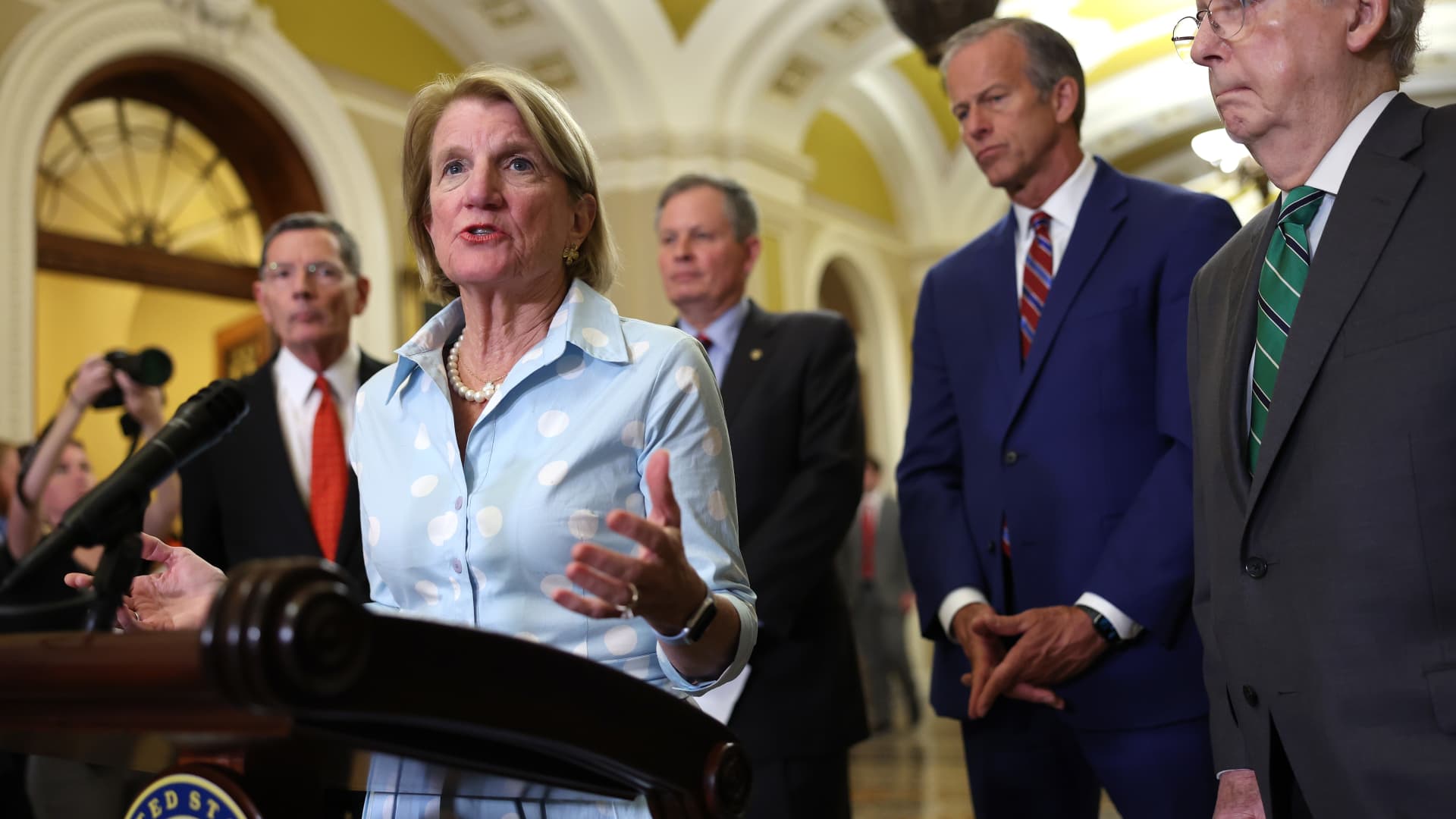
- Bipartisan Cooperation Resumes: Senate Environment and Public Works Committee Chair Shelley Moore Capito and ranking Democrat Sheldon Whitehouse are meeting again to discuss energy permitting reform, indicating a willingness for bipartisan collaboration on energy infrastructure development.
- Frequent Negotiations: Sources indicate that both parties will be communicating frequently this week, although no specific meeting times have been set, suggesting that the reform process is gaining momentum with committee staff actively negotiating.
- Increased Political Pressure: With energy prices soaring, lawmakers are under significant political pressure to reach a permitting reform agreement this year to lower energy costs and meet the rising demand for energy, particularly from power-hungry data centers.
- Complex Legislative Background: Despite the House passing the SPEED Act last year to streamline permitting, negotiations in the Senate are ongoing, and any final agreement may involve changes to longstanding environmental laws to expedite approvals for both renewable and traditional energy projects.
Middle East Tensions Boost European Stock Market Open
- European Market Surge: European stock index futures are set to open higher, with the pan-European Stoxx 50 futures up 1.3%, and France's CAC 40 and Germany's DAX rising by 1.5% and 1.2% respectively, indicating a positive market sentiment amid Middle East tensions.
- Oil Price Fluctuations: Following President Trump's comments about potentially controlling the Strait of Hormuz, oil prices plummeted by 10%, with Brent crude falling to $92.25 per barrel; however, prices remain elevated above $100, reflecting concerns over supply chain security.
- U.S. Market Performance: While Asia-Pacific markets rebounded, U.S. stock futures declined, highlighting investor uncertainty regarding future market conditions, particularly in light of oil price volatility and geopolitical tensions.
- Upcoming Earnings Reports: Earnings reports from Saudi Aramco, Volkswagen, and Lindt are on the horizon, with the market closely monitoring these figures to assess corporate performance and outlook in the current economic climate.
Big Oil Stocks Remain Relatively Unchanged Since the Start of the War. What's Behind This?
Oil Price Surge: Oil prices have increased by 37% since the onset of the Iran war, reaching a significant high by Monday's close.
Oil Stocks Performance: Despite the rise in oil prices, major oil companies like Exxon Mobil, Chevron, TotalEnergies, BP, and Shell have only seen an average stock increase of 1.4% since the war began.
Market Expectations: The minimal movement in big oil stocks contrasts with the common expectation that stock prices of leading oil companies would rise in tandem with oil price increases.
Investor Sentiment: This discrepancy raises questions about investor sentiment and market dynamics in the oil sector amidst geopolitical tensions.
Oil Prices Decline Amid Strait of Hormuz Tensions
- Oil Price Decline: Oil prices fell in extended trading as President Trump considered seizing control of the Strait of Hormuz, reflecting market concerns over geopolitical tensions that could destabilize global energy supplies.
- South Korea Price Cap: In response to soaring fuel prices, South Korea's government imposed a price cap on fuel products for the first time in 30 years, indicating a strong focus on energy security that may impact domestic market supply and demand dynamics.
- Natural Gas Market Impact: The closure of the Strait of Hormuz may have more severe implications for the liquefied natural gas market, as approximately 20% of global LNG flows through this chokepoint, leading to surging prices and potential long-term supply chain risks.
- Increased Market Speculation: The rise in speculation regarding the Iran war has prompted public backlash against predictions of a nuclear detonation, highlighting shifts in investor sentiment towards uncertainty and risk in future geopolitical developments.
Oil Prices Surge and Plunge Amid U.S.-Iran Tensions
- Oil Price Volatility: Oil prices surged about 20% on Monday due to ongoing U.S.-Israeli tensions with Iran, but plummeted 10% on Tuesday after President Trump warned of severe repercussions for Iran, indicating market fears of prolonged energy supply disruptions.
- Brent Crude Prices: International Brent crude fell nearly 11% to $88.36 per barrel by Monday evening, while U.S. crude dropped to $85.17 per barrel, reflecting the market's sensitive response to geopolitical risks.
- Strait of Hormuz Significance: The Strait of Hormuz is a vital transit route for global energy markets, with approximately 13 million barrels passing through in 2025, accounting for about 31% of global seaborne oil flows, making its security crucial for oil prices.
- Market Optimism: Despite the volatility, the market remains optimistic following Trump's comments that the conflict will end soon and oil prices will drop, with analysts suggesting that such verbal interventions could influence market expectations.
Kohl's and Oracle Earnings Preview
- Kohl's Earnings Preview: Kohl's is set to report earnings before the bell, with its stock down approximately 37% over the past three months and 41% from December highs, indicating ongoing pressure in the retail sector that may affect investor confidence.
- Oracle Earnings Outlook: Oracle will release its earnings report after the bell, having seen its stock decline over 31% in the last three months and 56% from September highs, reflecting market concerns about its data center and AI transformation that could impact future growth expectations.
- Existing Home Sales Data: Existing home sales figures will be released at 10 a.m. ET, and despite declines in companies like PulteGroup and Toll Brothers over the past month, they have shown positive year-to-date performance, with Pulte and Toll both up around 8%, indicating resilience in the housing market.
- Boeing Orders and Deliveries: Boeing will announce orders and deliveries data at 11 a.m., and while its stock has fallen 8% in the last month, it has gained over 45% in the past 12 months, showcasing long-term growth potential that investors should monitor amid short-term volatility.
U.S. Congress Revives Energy Permitting Reform Discussions
- Bipartisan Cooperation Resumes: Senate Environment and Public Works Committee Chair Shelley Moore Capito and ranking Democrat Sheldon Whitehouse are meeting again to discuss energy permitting reform, indicating a willingness for bipartisan collaboration on energy infrastructure development.
- Frequent Negotiations: Sources indicate that both parties will be communicating frequently this week, although no specific meeting times have been set, suggesting that the reform process is gaining momentum with committee staff actively negotiating.
- Increased Political Pressure: With energy prices soaring, lawmakers are under significant political pressure to reach a permitting reform agreement this year to lower energy costs and meet the rising demand for energy, particularly from power-hungry data centers.
- Complex Legislative Background: Despite the House passing the SPEED Act last year to streamline permitting, negotiations in the Senate are ongoing, and any final agreement may involve changes to longstanding environmental laws to expedite approvals for both renewable and traditional energy projects.