IAI ETF Faces Critical Support Test
Written by Emily J. Thompson, Senior Investment Analyst
Updated: Feb 25 2026
0mins

Should l Buy MS?
Source: CNBC
- Support Test: The IAI ETF has recently fallen back to its November low, but it rebounded on Tuesday, indicating a constructive first step; however, it still faces the risk of further downside pressure, which could lead to significant declines if it fails to hold this support level.
- Technical Pattern Analysis: The potential bearish inverse cup-and-handle pattern forming above the key support zone raises concerns, as a failure to maintain this area could trigger a larger drawdown, potentially targeting the 120-130 range, which would impact investor confidence.
- Relative Underperformance: The selloff in 2026 has led to clear underperformance of IAI against the S&P 500, pushing the IAI/SPX ratio into oversold territory, which historically has often coincided with rebound opportunities, potentially providing investors with a chance for relative gains.
- Long-Term Trend Monitoring: Although prices are nearing the upper boundary of a long-term rising channel, historical trends suggest that pullbacks from this area often stabilize and lead to upward movements, making future price developments crucial to assess whether the long-term uptrend can be maintained.
Trade with 70% Backtested Accuracy
Stop guessing "Should I Buy MS?" and start using high-conviction signals backed by rigorous historical data.
Sign up today to access powerful investing tools and make smarter, data-driven decisions.
Analyst Views on MS
Wall Street analysts forecast MS stock price to rise
14 Analyst Rating
7 Buy
7 Hold
0 Sell
Moderate Buy
Current: 160.270

Low
132.00
Averages
185.00
High
219.00
Current: 160.270
Low
132.00
Averages
185.00
High
219.00
About MS
Morgan Stanley is a global financial services company. The Company is engaged in providing a range of investment banking, securities, wealth management and investment management services. Its segments include Institutional Securities, Wealth Management and Investment Management. Its Institutional Securities segment provides a variety of products and services to corporations, governments, financial institutions and ultra-high net worth clients. Its Wealth Management segment provides an array of financial services and solutions to individual investors and small to medium-sized businesses and institutions. Its Investment Management segment provides a range of investment strategies and products that span geographies, asset classes, and public and private markets to a diverse group of clients across institutional and intermediary channels. Its investment banking services consist of capital raising and financial advisory services, including the underwriting of debt and other products.
About the author

Emily J. Thompson
Emily J. Thompson, a Chartered Financial Analyst (CFA) with 12 years in investment research, graduated with honors from the Wharton School. Specializing in industrial and technology stocks, she provides in-depth analysis for Intellectia’s earnings and market brief reports.
Morgan Stanley Sees Growth Potential in Agibank

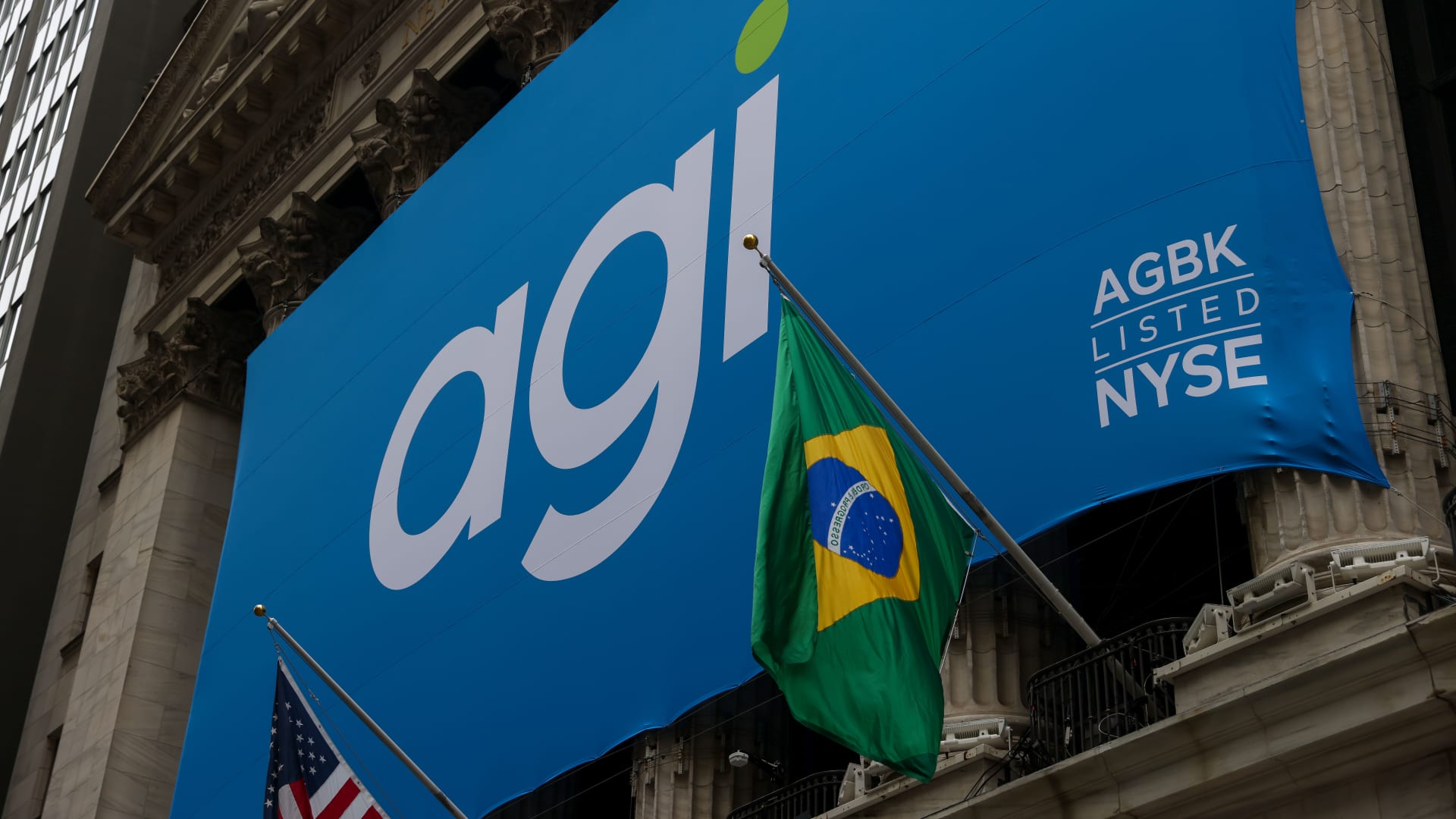
- Rating and Price Target: Morgan Stanley initiated coverage of Brazilian digital bank Agibank with an overweight rating and a $21 price target, implying a 100% upside from Friday's close, indicating the market's underappreciation of its growth potential.
- IPO Performance: Since going public last month, AGI shares have slipped 12.5%, priced at $12 per share during the IPO, reflecting investor concerns about long-term profitability, despite analysts highlighting its attractive valuation.
- Loan Portfolio Advantage: Agibank's INSS-backed loans represent 79% of its loan book, with this stable growth sector expected to accelerate as rates ease, which analysts believe will further enhance market share.
- Product Expansion and Distribution Model: Agibank has expanded into public and private payroll loans, deposits, PIX, cards, unsecured personal loans, and insurance, leveraging the low-cost Smart Hubs distribution model to enhance customer stickiness and revenue potential.
See More
Federal Reserve Chair Nominee Faces Blockage

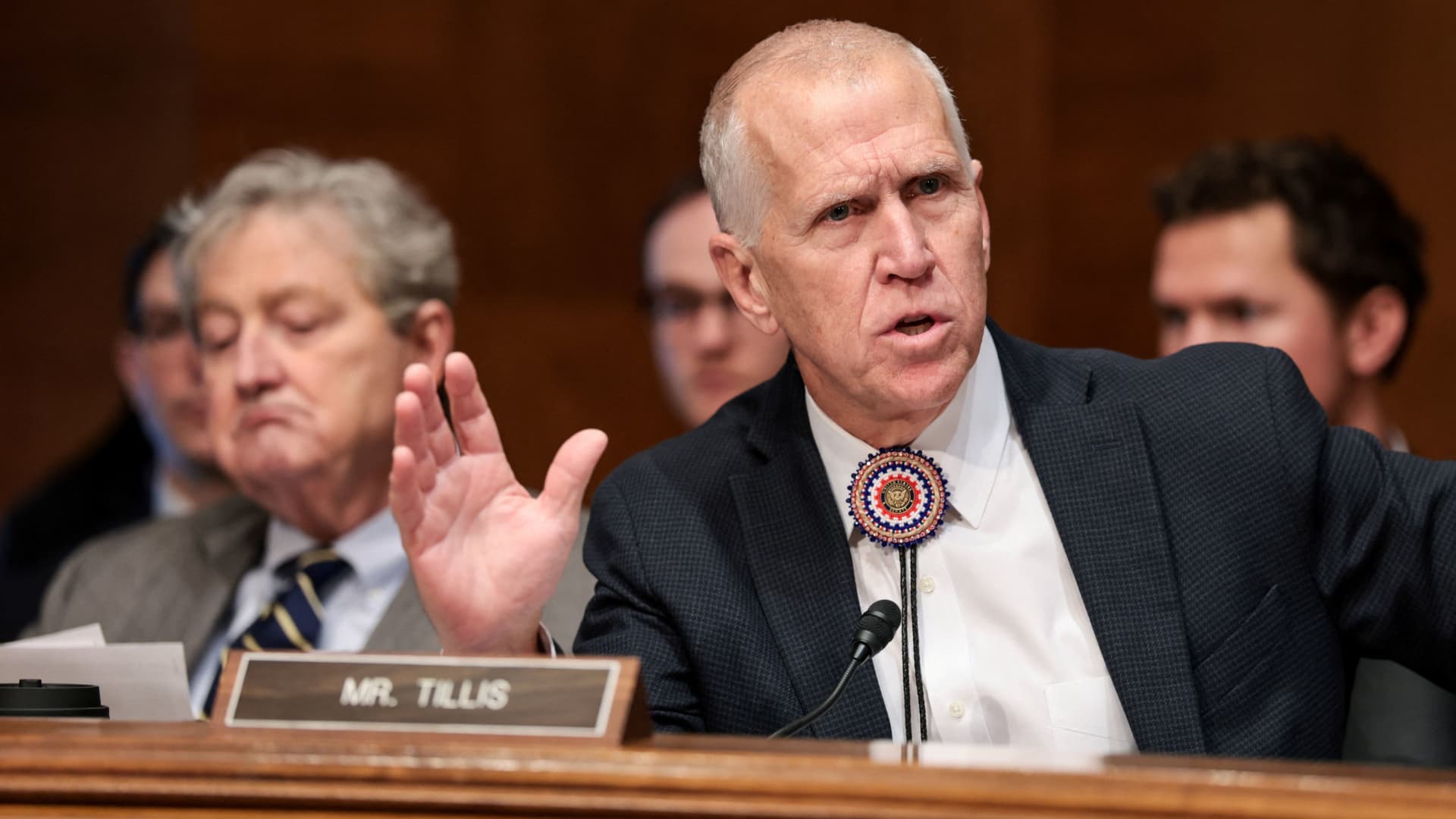
- Nomination Blockage: Federal Reserve chair nominee Kevin Warsh is set to meet with Senator Thom Tillis, who is blocking his nomination due to objections over President Trump's attacks on the central bank, highlighting the political dynamics affecting the nomination process.
- Investigation Impact: Tillis has stated he will not vote to confirm any Fed nominees until the Department of Justice drops its criminal investigation into current chair Jerome Powell, a stance that could delay Warsh's nomination and impact the stability of Fed leadership.
- Interest Rate Outlook: Powell's term ends on May 15, although he can remain on the Fed board until 2028, with the current benchmark interest rate at 3.5%-3.75%, while Trump desires a reduction to 1% or lower, indicating a divergence in policy direction.
- Market Expectations: Despite oil disruptions from the Iran war prompting some Fed officials to question the feasibility of further rate cuts, investors overwhelmingly expect the Fed to keep rates steady in next week's meeting, reflecting uncertainty in future policy actions.
See More
Oil Price Surge Drives Significant Stock Movements
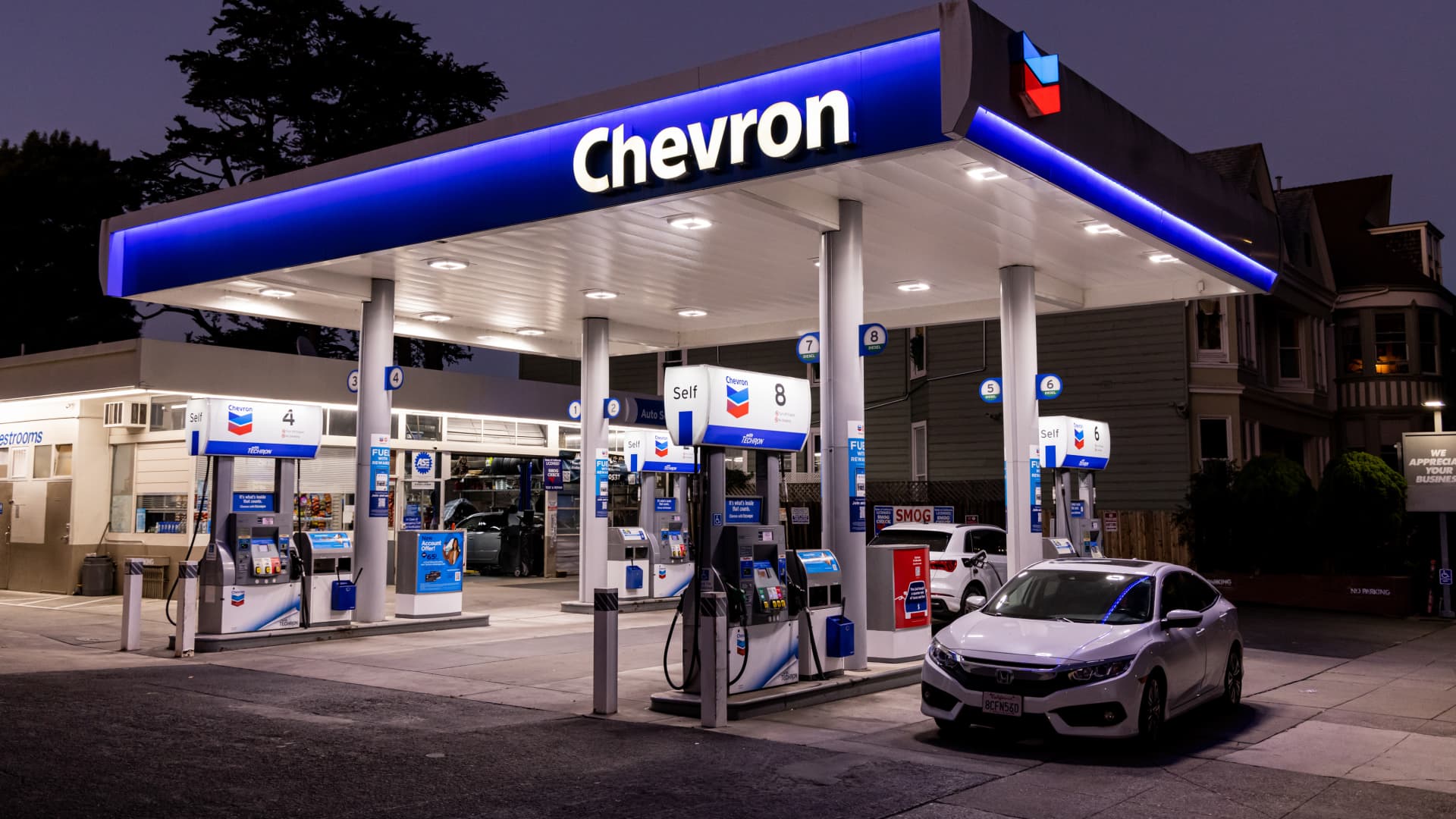
- Oil Price Impact: Oil prices surged past $110 per barrel due to the ongoing Iran conflict, leading Chevron to hit an all-time high, while Talos Energy rose by 5%, and ConocoPhillips and Northern Oil gained 2% and 3% respectively, indicating strong performance among oil companies in a high-price environment.
- Hims & Hers Health Surge: The company's stock soared 39% after striking a deal with Novo Nordisk to sell its weight-loss drug, resolving a lawsuit over a copycat version, which is expected to significantly enhance its market share and brand reputation.
- Live Nation Settlement Near: Live Nation's shares rose 6% as it nears a settlement with the Department of Justice regarding monopoly allegations in the live concert industry, which, if successful, will stabilize and expand its future business operations.
- United Therapeutics Buyback Plan: The pharmaceutical company's shares increased by over 8% after its board authorized a $2 billion stock repurchase plan, with $1.5 billion allocated for accelerated buybacks, which is expected to boost investor confidence and enhance shareholder value.
See More
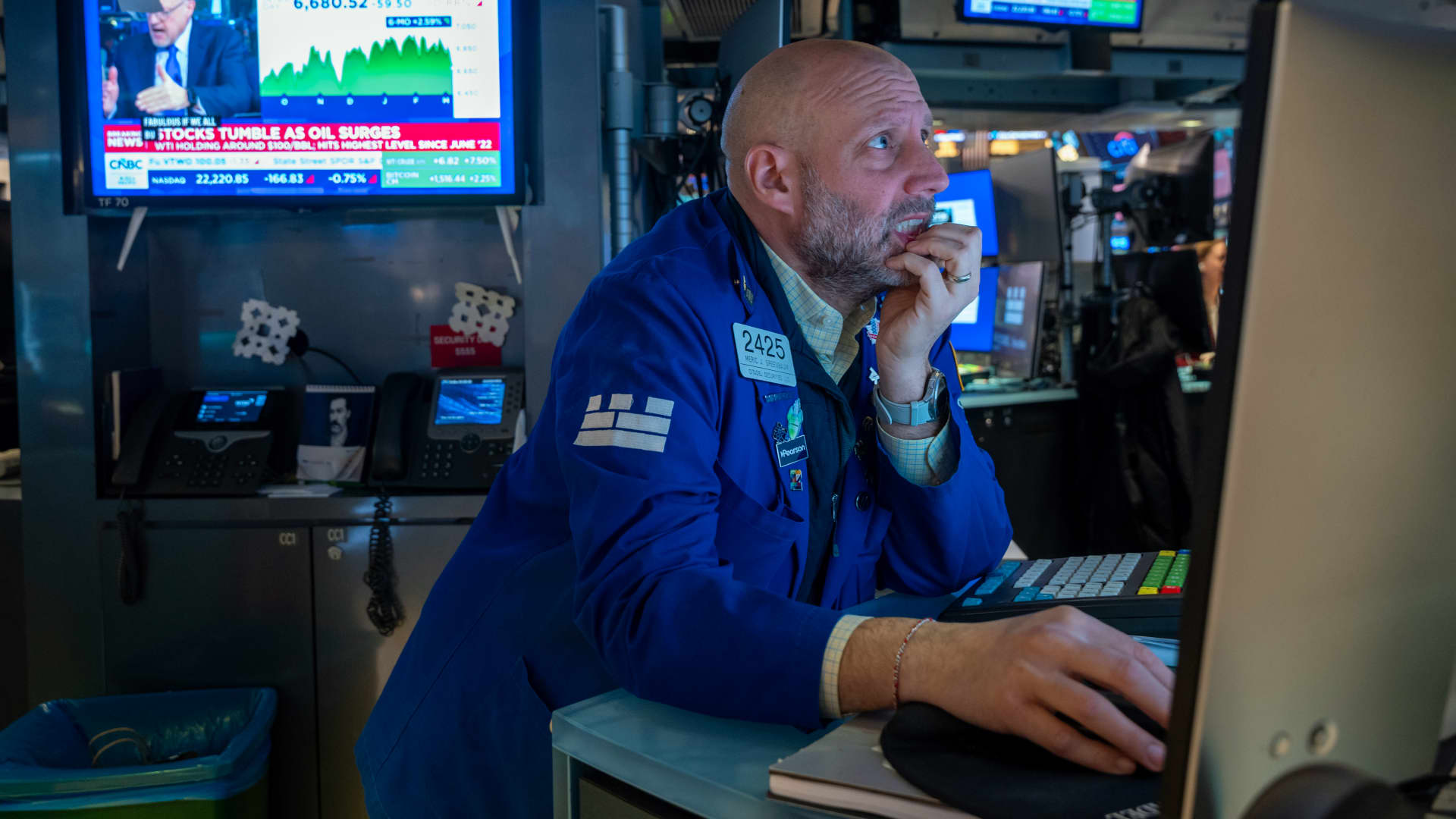
Investors Reshuffle Portfolios Amid Oil Price Surge

- Impact of Oil Price Surge: As crude oil prices surge past $100 per barrel, investors are reshuffling portfolios by rotating into commodity-related sectors and increasing hedges against geopolitical risks, which could trigger broader economic shocks.
- Market Volatility and Stock Resilience: Despite the S&P 500 falling for the third consecutive day and losing 2% last week, U.S. stocks have shown resilience, trading only about 4% off their record high, indicating the market's adaptability amid high volatility.
- Small Caps Benefiting from Rotation: Investors are increasingly looking towards smaller companies, believing that small caps could benefit from potential corporate tax relief and lower interest rates while being less exposed to tariffs and global trade frictions, signaling a shift in market leadership.
- Shift in Hedging Strategies: With rising geopolitical risks, portfolio managers are focusing on hedging strategies, utilizing options to protect against market downturns while generating income to lower volatility, reflecting the adaptability of investments in the current market environment.
See More
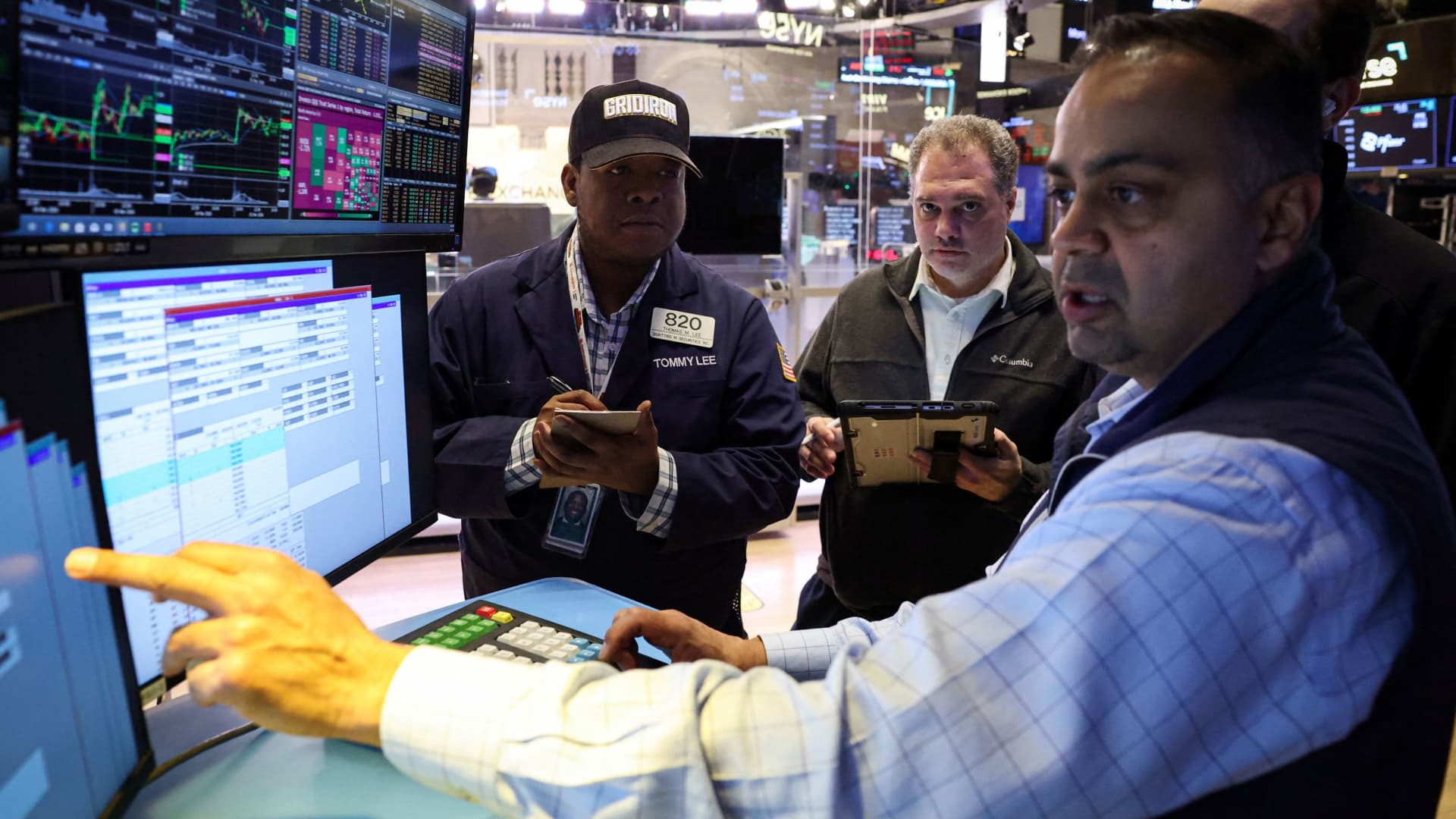
JPMorgan Turns Bearish on Market Amid U.S.-Iran Tensions

- Market Sentiment Shift: JPMorgan traders have turned tactically bearish as the U.S.-Iran tensions show no signs of easing, indicating a neutral positioning that lacks extreme de-risking, which could lead to increased market volatility in the short term.
- Energy Sector Sell-off: Last week, the energy sector was the most net-sold, as investors took profits ahead of the weekend, anticipating de-escalation; however, crude prices surged, with West Texas Intermediate futures briefly exceeding $110 per barrel, marking the highest levels since Russia's invasion of Ukraine in 2022.
- Future Outlook: JPMorgan traders express optimism towards defense stocks, oil refiners, and grocery companies, while remaining bullish on crude, natural gas, and energy producers, suggesting potential investment opportunities amidst the current crisis.
- Volatility Expectations: Morgan Stanley's chief U.S. equity strategist believes that despite market volatility, stocks are closer to the end of this rolling correction over the next 6-12 months, particularly as the pace of oil and dollar increases will determine the duration of volatility.
See More

Oil Prices Surge, Boosting Oil Stocks Ahead of Market Open

- Oil Price Surge: Oil prices surged to $110 per barrel due to the ongoing Iran War, reaching levels not seen since mid-2022, which boosted oil stocks with Talos Energy rising 5%, and Northern Oil and Gas and ConocoPhillips gaining 3% and 2%, respectively.
- Hims & Hers Health: The stock skyrocketed 51% after a deal with Novo Nordisk was reported, allowing the sale of the pharmaceutical company's weight-loss drug on its platform, effectively ending a lawsuit aimed at blocking its sale of a copycat version, which is expected to significantly enhance its market share.
- Live Nation Entertainment: Shares rose 9% following reports that the company is nearing a settlement with the Department of Justice over alleged monopolistic practices in the live concert industry, which could improve its market position and reduce legal risks.
- Airline Stock Declines: Airline stocks fell as rising oil prices and the fallout from the Iran War impacted global travel, with Delta Air Lines down about 3%, and American Airlines and United Airlines shedding 4%, indicating the industry's cost pressures and operational challenges.
See More
Morgan Stanley Sees Growth Potential in Agibank
- Rating and Price Target: Morgan Stanley initiated coverage of Brazilian digital bank Agibank with an overweight rating and a $21 price target, implying a 100% upside from Friday's close, indicating the market's underappreciation of its growth potential.
- IPO Performance: Since going public last month, AGI shares have slipped 12.5%, priced at $12 per share during the IPO, reflecting investor concerns about long-term profitability, despite analysts highlighting its attractive valuation.
- Loan Portfolio Advantage: Agibank's INSS-backed loans represent 79% of its loan book, with this stable growth sector expected to accelerate as rates ease, which analysts believe will further enhance market share.
- Product Expansion and Distribution Model: Agibank has expanded into public and private payroll loans, deposits, PIX, cards, unsecured personal loans, and insurance, leveraging the low-cost Smart Hubs distribution model to enhance customer stickiness and revenue potential.
See More
Federal Reserve Chair Nominee Faces Blockage
- Nomination Blockage: Federal Reserve chair nominee Kevin Warsh is set to meet with Senator Thom Tillis, who is blocking his nomination due to objections over President Trump's attacks on the central bank, highlighting the political dynamics affecting the nomination process.
- Investigation Impact: Tillis has stated he will not vote to confirm any Fed nominees until the Department of Justice drops its criminal investigation into current chair Jerome Powell, a stance that could delay Warsh's nomination and impact the stability of Fed leadership.
- Interest Rate Outlook: Powell's term ends on May 15, although he can remain on the Fed board until 2028, with the current benchmark interest rate at 3.5%-3.75%, while Trump desires a reduction to 1% or lower, indicating a divergence in policy direction.
- Market Expectations: Despite oil disruptions from the Iran war prompting some Fed officials to question the feasibility of further rate cuts, investors overwhelmingly expect the Fed to keep rates steady in next week's meeting, reflecting uncertainty in future policy actions.
See More
Oil Price Surge Drives Significant Stock Movements
- Oil Price Impact: Oil prices surged past $110 per barrel due to the ongoing Iran conflict, leading Chevron to hit an all-time high, while Talos Energy rose by 5%, and ConocoPhillips and Northern Oil gained 2% and 3% respectively, indicating strong performance among oil companies in a high-price environment.
- Hims & Hers Health Surge: The company's stock soared 39% after striking a deal with Novo Nordisk to sell its weight-loss drug, resolving a lawsuit over a copycat version, which is expected to significantly enhance its market share and brand reputation.
- Live Nation Settlement Near: Live Nation's shares rose 6% as it nears a settlement with the Department of Justice regarding monopoly allegations in the live concert industry, which, if successful, will stabilize and expand its future business operations.
- United Therapeutics Buyback Plan: The pharmaceutical company's shares increased by over 8% after its board authorized a $2 billion stock repurchase plan, with $1.5 billion allocated for accelerated buybacks, which is expected to boost investor confidence and enhance shareholder value.
See More
Investors Reshuffle Portfolios Amid Oil Price Surge
- Impact of Oil Price Surge: As crude oil prices surge past $100 per barrel, investors are reshuffling portfolios by rotating into commodity-related sectors and increasing hedges against geopolitical risks, which could trigger broader economic shocks.
- Market Volatility and Stock Resilience: Despite the S&P 500 falling for the third consecutive day and losing 2% last week, U.S. stocks have shown resilience, trading only about 4% off their record high, indicating the market's adaptability amid high volatility.
- Small Caps Benefiting from Rotation: Investors are increasingly looking towards smaller companies, believing that small caps could benefit from potential corporate tax relief and lower interest rates while being less exposed to tariffs and global trade frictions, signaling a shift in market leadership.
- Shift in Hedging Strategies: With rising geopolitical risks, portfolio managers are focusing on hedging strategies, utilizing options to protect against market downturns while generating income to lower volatility, reflecting the adaptability of investments in the current market environment.
See More
JPMorgan Turns Bearish on Market Amid U.S.-Iran Tensions
- Market Sentiment Shift: JPMorgan traders have turned tactically bearish as the U.S.-Iran tensions show no signs of easing, indicating a neutral positioning that lacks extreme de-risking, which could lead to increased market volatility in the short term.
- Energy Sector Sell-off: Last week, the energy sector was the most net-sold, as investors took profits ahead of the weekend, anticipating de-escalation; however, crude prices surged, with West Texas Intermediate futures briefly exceeding $110 per barrel, marking the highest levels since Russia's invasion of Ukraine in 2022.
- Future Outlook: JPMorgan traders express optimism towards defense stocks, oil refiners, and grocery companies, while remaining bullish on crude, natural gas, and energy producers, suggesting potential investment opportunities amidst the current crisis.
- Volatility Expectations: Morgan Stanley's chief U.S. equity strategist believes that despite market volatility, stocks are closer to the end of this rolling correction over the next 6-12 months, particularly as the pace of oil and dollar increases will determine the duration of volatility.
See More
Oil Prices Surge, Boosting Oil Stocks Ahead of Market Open
- Oil Price Surge: Oil prices surged to $110 per barrel due to the ongoing Iran War, reaching levels not seen since mid-2022, which boosted oil stocks with Talos Energy rising 5%, and Northern Oil and Gas and ConocoPhillips gaining 3% and 2%, respectively.
- Hims & Hers Health: The stock skyrocketed 51% after a deal with Novo Nordisk was reported, allowing the sale of the pharmaceutical company's weight-loss drug on its platform, effectively ending a lawsuit aimed at blocking its sale of a copycat version, which is expected to significantly enhance its market share.
- Live Nation Entertainment: Shares rose 9% following reports that the company is nearing a settlement with the Department of Justice over alleged monopolistic practices in the live concert industry, which could improve its market position and reduce legal risks.
- Airline Stock Declines: Airline stocks fell as rising oil prices and the fallout from the Iran War impacted global travel, with Delta Air Lines down about 3%, and American Airlines and United Airlines shedding 4%, indicating the industry's cost pressures and operational challenges.
See More