Ulta (ULTA) Q3 Earnings: A Comparison of Key Metrics Against Wall Street Projections
Ulta Beauty's Financial Performance: For Q3 2025, Ulta Beauty reported a revenue of $2.86 billion, a 13% increase year-over-year, with an EPS of $5.14 matching the previous year's figure.
Earnings Surprises: The revenue exceeded the Zacks Consensus Estimate of $2.72 billion by 4.95%, while the EPS surpassed expectations by 12.72%, indicating strong performance against analyst predictions.
Investor Insights: Key metrics beyond headline numbers are crucial for understanding Ulta's underlying performance, helping investors make informed decisions about stock price projections.
Stock Recommendations: Zacks Investment Research has highlighted top stock recommendations, suggesting potential for significant returns, with one stock believed to outperform previous successful picks.
Trade with 70% Backtested Accuracy
Analyst Views on ULTA

About ULTA
About the author


Comparative Growth Analysis of Fashion and Beauty Giants
- Performance Comparison: In FY 2026, Ulta Beauty generated approximately $12.4 billion in revenue, reflecting a 9.7% year-over-year increase, while Abercrombie & Fitch reported $5.3 billion, growing 6.7%, indicating Ulta's stronger market share expansion.
- Profitability Analysis: Ulta's net income was nearly $1.2 billion with a net margin of 10.6%, compared to Abercrombie's net income of $566 million and a net margin of 10.7%, showcasing solid profitability for both, yet Ulta demonstrates greater revenue growth potential.
- Risk Assessment: Abercrombie faces risks from shifting trade policies and ongoing legal proceedings, while Ulta's reliance on major brand partners and the impending end of its partnership with Target may impact future in-store traffic, highlighting differing risk management approaches.
- Valuation Comparison: Abercrombie's forward P/E ratio stands at 8.3x, significantly lower than Ulta's 16.5x, suggesting Abercrombie is more attractively valued, yet also reflects market caution regarding its future growth prospects.

Abercrombie & Fitch vs. Ulta Beauty: Retail Growth Comparison
- Successful Brand Transformation: Abercrombie & Fitch has successfully transitioned from a teen retailer to a global lifestyle brand, achieving nearly $5.3 billion in revenue for FY 2026, reflecting a 6.7% year-over-year growth through the expansion into third-party footwear and lifestyle apparel.
- Market Leadership: Ulta Beauty generated approximately $12.4 billion in revenue across nearly 1,591 stores, marking a 9.7% increase year-over-year, with strong partnerships with major brands like L'Oréal solidifying its position in the competitive beauty market.
- Financial Health: Both companies maintain a debt-to-equity ratio of 0.8x, indicating a sound financing strategy, while Ulta's free cash flow of nearly $1.1 billion provides substantial capital for future investments.
- Future Growth Potential: Despite Abercrombie facing risks from trade policies and legal proceedings, and Ulta contending with the end of its partnership with Target affecting store traffic, both companies exhibit positive long-term prospects through effective brand positioning and growth strategy execution.

Goldman Sachs Identifies High-Potential Stocks

- BrightSpring Health Services: Goldman Sachs initiated coverage with a buy rating and a $71 price target, highlighting its differentiated offerings in elder care that are expected to drive growth, with shares up 67% in 2026.
- Samsara Growth Potential: Analysts at Goldman Sachs view Samsara as one of the most defensible growth assets in software, anticipating improved profit margins, with shares rising 18% over the past month, recommending investors buy on any weakness.
- Ulta Beauty Market Share: Goldman Sachs believes Ulta is well-positioned to gain market share despite a 23% decline in stock this year, citing strong performance and share repurchase plans, with a target price of $652 indicating significant upside.
- Nvidia Investment Confidence: Goldman Sachs reiterated its buy rating on Nvidia, asserting that improved capital allocation will boost investor confidence, with growth expected to continue into 2027, with estimates over 30% above market expectations.
Retail Earnings Shine as Ulta and Others Surpass Expectations

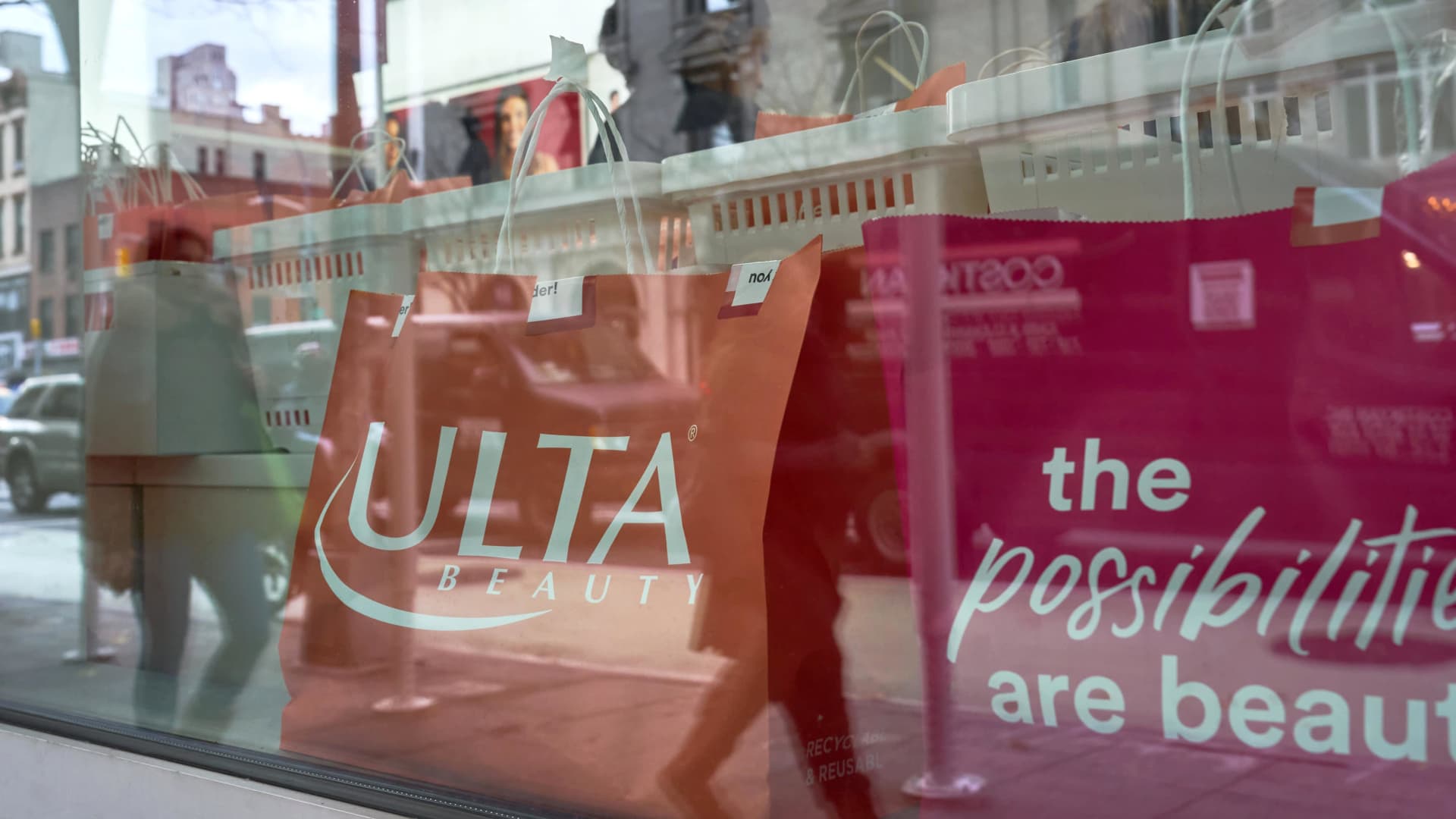
- Ulta's Strong Performance: Ulta Beauty reported Q1 sales of $3.16 billion, an 11% year-over-year increase that surpassed estimates of $3.11 billion, with adjusted EPS of $7.74 exceeding expectations of $6.90, showcasing the effectiveness of its omnichannel strategy and dominant market position.
- Victoria's Secret Turnaround: Victoria's Secret achieved Q1 EPS of $0.60, more than double the consensus estimate of $0.29, with revenue of $1.55 billion beating expectations of $1.52 billion, indicating successful core category focus and improved marketing effectiveness driving demand resurgence.
- Five Below's Continued Growth: Five Below's Q1 EPS soared 158% to $2.22, with sales exceeding $1.28 billion, surpassing estimates, reflecting strong customer demand for its value-oriented merchandise and the positive impact of new store openings.
- Retail Sector Trends: The retail earnings season highlights that companies with strong brands and effective execution are thriving, as Ulta, Victoria's Secret, and Five Below all exceeded earnings expectations and raised full-year guidance, presenting attractive investment opportunities.

Ulta Beauty to Open Flagship Store in Times Square, NYC
- Flagship Store Opening: Ulta Beauty plans to open a four-story flagship store in Times Square, NYC, slated for late 2027, marking a significant brand expansion as it currently operates only three stores in Manhattan.
- Long-Term Investment Commitment: The 15-year lease involves a commitment of approximately $400 million, underscoring Ulta's strategic focus on this prime location to enhance brand image and attract younger consumers.
- Immersive Experience Focus: The new store will emphasize immersive guest experiences and brand activations, serving as a stage for exclusive labels and new launches, which is expected to draw significant tourist and younger consumer traffic, driving sales growth.
- Integration of Technology and Marketing: Ulta's CEO highlighted that the store will leverage digital billboards for high-impact marketing, enhancing brand awareness and customer loyalty, thereby solidifying its leadership position in the beauty industry.

US Stock Indices Decline Amid Tensions and Economic Data


- Market Retreat: On Wednesday, the S&P 500 index fell by 0.74%, the Dow Jones Industrial Average dropped by 1.21%, and the Nasdaq 100 index decreased by 0.29%, indicating market vulnerability amid escalating US-Iran tensions that negatively impacted investor sentiment.
- Oil Price Surge: WTI crude oil prices rose over 2% to a 1.5-week high following the US interception of Iranian missiles and drones, heightening concerns about Middle Eastern stability and potentially affecting global supply chains and inflation expectations.
- Strong Employment Data: The US May ADP employment change increased by 122,000, surpassing expectations of 120,000, signaling signs of economic recovery that could support the stock market, although overall market performance remains influenced by other factors.
- Divergent Tech Stock Performance: While Marvell Technology rose over 3%, software and cybersecurity stocks faced significant declines, with Datadog and IBM dropping more than 6%, reflecting a lack of confidence in the tech sector despite some positive developments.
Comparative Growth Analysis of Fashion and Beauty Giants
- Performance Comparison: In FY 2026, Ulta Beauty generated approximately $12.4 billion in revenue, reflecting a 9.7% year-over-year increase, while Abercrombie & Fitch reported $5.3 billion, growing 6.7%, indicating Ulta's stronger market share expansion.
- Profitability Analysis: Ulta's net income was nearly $1.2 billion with a net margin of 10.6%, compared to Abercrombie's net income of $566 million and a net margin of 10.7%, showcasing solid profitability for both, yet Ulta demonstrates greater revenue growth potential.
- Risk Assessment: Abercrombie faces risks from shifting trade policies and ongoing legal proceedings, while Ulta's reliance on major brand partners and the impending end of its partnership with Target may impact future in-store traffic, highlighting differing risk management approaches.
- Valuation Comparison: Abercrombie's forward P/E ratio stands at 8.3x, significantly lower than Ulta's 16.5x, suggesting Abercrombie is more attractively valued, yet also reflects market caution regarding its future growth prospects.
Abercrombie & Fitch vs. Ulta Beauty: Retail Growth Comparison
- Successful Brand Transformation: Abercrombie & Fitch has successfully transitioned from a teen retailer to a global lifestyle brand, achieving nearly $5.3 billion in revenue for FY 2026, reflecting a 6.7% year-over-year growth through the expansion into third-party footwear and lifestyle apparel.
- Market Leadership: Ulta Beauty generated approximately $12.4 billion in revenue across nearly 1,591 stores, marking a 9.7% increase year-over-year, with strong partnerships with major brands like L'Oréal solidifying its position in the competitive beauty market.
- Financial Health: Both companies maintain a debt-to-equity ratio of 0.8x, indicating a sound financing strategy, while Ulta's free cash flow of nearly $1.1 billion provides substantial capital for future investments.
- Future Growth Potential: Despite Abercrombie facing risks from trade policies and legal proceedings, and Ulta contending with the end of its partnership with Target affecting store traffic, both companies exhibit positive long-term prospects through effective brand positioning and growth strategy execution.
Goldman Sachs Identifies High-Potential Stocks
- BrightSpring Health Services: Goldman Sachs initiated coverage with a buy rating and a $71 price target, highlighting its differentiated offerings in elder care that are expected to drive growth, with shares up 67% in 2026.
- Samsara Growth Potential: Analysts at Goldman Sachs view Samsara as one of the most defensible growth assets in software, anticipating improved profit margins, with shares rising 18% over the past month, recommending investors buy on any weakness.
- Ulta Beauty Market Share: Goldman Sachs believes Ulta is well-positioned to gain market share despite a 23% decline in stock this year, citing strong performance and share repurchase plans, with a target price of $652 indicating significant upside.
- Nvidia Investment Confidence: Goldman Sachs reiterated its buy rating on Nvidia, asserting that improved capital allocation will boost investor confidence, with growth expected to continue into 2027, with estimates over 30% above market expectations.
Retail Earnings Shine as Ulta and Others Surpass Expectations
- Ulta's Strong Performance: Ulta Beauty reported Q1 sales of $3.16 billion, an 11% year-over-year increase that surpassed estimates of $3.11 billion, with adjusted EPS of $7.74 exceeding expectations of $6.90, showcasing the effectiveness of its omnichannel strategy and dominant market position.
- Victoria's Secret Turnaround: Victoria's Secret achieved Q1 EPS of $0.60, more than double the consensus estimate of $0.29, with revenue of $1.55 billion beating expectations of $1.52 billion, indicating successful core category focus and improved marketing effectiveness driving demand resurgence.
- Five Below's Continued Growth: Five Below's Q1 EPS soared 158% to $2.22, with sales exceeding $1.28 billion, surpassing estimates, reflecting strong customer demand for its value-oriented merchandise and the positive impact of new store openings.
- Retail Sector Trends: The retail earnings season highlights that companies with strong brands and effective execution are thriving, as Ulta, Victoria's Secret, and Five Below all exceeded earnings expectations and raised full-year guidance, presenting attractive investment opportunities.
Ulta Beauty to Open Flagship Store in Times Square, NYC
- Flagship Store Opening: Ulta Beauty plans to open a four-story flagship store in Times Square, NYC, slated for late 2027, marking a significant brand expansion as it currently operates only three stores in Manhattan.
- Long-Term Investment Commitment: The 15-year lease involves a commitment of approximately $400 million, underscoring Ulta's strategic focus on this prime location to enhance brand image and attract younger consumers.
- Immersive Experience Focus: The new store will emphasize immersive guest experiences and brand activations, serving as a stage for exclusive labels and new launches, which is expected to draw significant tourist and younger consumer traffic, driving sales growth.
- Integration of Technology and Marketing: Ulta's CEO highlighted that the store will leverage digital billboards for high-impact marketing, enhancing brand awareness and customer loyalty, thereby solidifying its leadership position in the beauty industry.
US Stock Indices Decline Amid Tensions and Economic Data
- Market Retreat: On Wednesday, the S&P 500 index fell by 0.74%, the Dow Jones Industrial Average dropped by 1.21%, and the Nasdaq 100 index decreased by 0.29%, indicating market vulnerability amid escalating US-Iran tensions that negatively impacted investor sentiment.
- Oil Price Surge: WTI crude oil prices rose over 2% to a 1.5-week high following the US interception of Iranian missiles and drones, heightening concerns about Middle Eastern stability and potentially affecting global supply chains and inflation expectations.
- Strong Employment Data: The US May ADP employment change increased by 122,000, surpassing expectations of 120,000, signaling signs of economic recovery that could support the stock market, although overall market performance remains influenced by other factors.
- Divergent Tech Stock Performance: While Marvell Technology rose over 3%, software and cybersecurity stocks faced significant declines, with Datadog and IBM dropping more than 6%, reflecting a lack of confidence in the tech sector despite some positive developments.