Carnival Reports Non-GAAP EPS of $0.34, Exceeding Estimates by $0.09; Revenue of $6.33B Falls Short by $40M
Q4 Financial Performance: Carnival reported a Q4 non-GAAP EPS of $0.34, beating expectations by $0.09, while revenue of $6.33 billion increased by 6.6% year-over-year but missed estimates by $40 million.
Record Customer Deposits: The company achieved record customer deposits of $7.2 billion, surpassing the previous fourth quarter record as of November 30, 2024.
2026 Financial Outlook: For the full year 2026, Carnival anticipates a 12% increase in adjusted net income and a 2.5% rise in net yields, despite less than 1% capacity growth.
Q1 2026 Expectations: In the first quarter of 2026, Carnival expects net yields to increase by approximately 1.6% compared to 2025, with adjusted cruise costs excluding fuel per ALBD projected to rise by about 5.9% compared to Q1 2025.
Trade with 70% Backtested Accuracy
Analyst Views on CCL

About CCL
About the author


Carnival Corporation Completes S-100 Navigation Data Testing
- Significant Testing Outcomes: Carnival Corporation successfully tested S-100 navigational data in simulators in collaboration with international hydrographic offices, enhancing navigation accuracy in complex port environments, which is expected to significantly improve crew decision-making and safety.
- Collaborative Effort: The tests brought together ports, marine pilots, and technology providers from the UK, Netherlands, Australia, and New Zealand, ensuring effective application of S-100 data in confined waters and promoting further development of industry standards.
- Real-Time Data Integration: The S-100 framework integrates electronic charts, port data, and real-time marine conditions into a unified navigational environment, enhancing mariners' dynamic understanding of their surroundings, thereby improving operational safety in complex waterways.
- Future Training Needs: The results from the simulator tests will be consolidated into a technical report to support future training and standards development, ensuring effective implementation and widespread adoption of S-100, driving the maritime industry's digital transformation.
Carnival Corporation Completes S-100 Navigation Data Simulator Tests
- Simulator Test Outcomes: Carnival Corporation successfully completed a series of bridge simulator tests in collaboration with international hydrographic offices and industry partners, evaluating S-100 navigation data, which enhances safety and efficiency in complex port environments.
- Collaborative Efforts: The tests brought together ports, marine pilots, and ship crews from the UK, Netherlands, Australia, and New Zealand, ensuring the effectiveness of S-100 data in confined waters and facilitating feedback for data standard optimization.
- Real-Time Data Integration: The S-100 framework integrates electronic charts, port data, and real-time marine conditions, providing a more comprehensive navigational picture that significantly improves mariners' situational awareness, thereby supporting more precise decision-making.
- Future Development Direction: The test results will be consolidated into a technical report to support ongoing S-100 standards development and guide future training needs, ensuring effective application of these new data in real-world operations.

Cruise Industry Positioned for AI-Driven Earnings Surge
- Direct Booking Transformation: Barclays analysts highlight that the cruise industry can enhance profitability by shifting to AI-driven direct bookings, potentially reducing third-party commission expenses by 3% to 6% and increasing earnings per share (EPS) by 12% to 45%.
- Customer Satisfaction Improvement: The application of AI is expected to lower administrative costs while enhancing the customer discovery process, attracting more first-time cruisers and potentially strengthening pricing power in the long term, although these benefits are harder to quantify in the short term.
- Market Penetration Opportunities: Analysts emphasize that the cruise sector's high customer satisfaction and low market penetration provide a solid foundation for AI-driven marketing, particularly among younger, tech-savvy travelers.
- Industry Competitive Advantage: Barclays maintains a bullish outlook on the cruise industry's prospects, believing that the adoption of technology will help companies defend margins in an increasingly competitive global travel landscape, with Royal Caribbean Cruises Ltd leading in AI integration.

Reopening of Strait of Hormuz Boosts Cruise Stocks

- Cruise Industry Recovery: The full reopening of the Strait of Hormuz has removed significant hurdles for cruise operators, leading to a broad rally in stocks like Royal Caribbean Group and Carnival Corporation, reflecting market optimism about stable maritime conditions.
- Viking Stock Surge: Viking (NYSE:VIK), a consumer discretionary travel company, saw its shares jump 6.7%, indicating positive market sentiment towards its future performance, despite its historical volatility with 13 moves greater than 5% in the past year.
- Oil Price Decline Benefits: A 17% drop in oil prices has significantly reduced fuel costs for cruise operators, further driving stock price increases, particularly in the context of high-margin Mediterranean and Middle Eastern routes where travel safety concerns have eased.
- Significant Investment Returns: Viking has risen 19.1% since the beginning of the year, currently priced at $86.04, marking a new 52-week high, with early investors seeing a return of 329.7%, showcasing the company's strong performance amid market recovery.

US Stocks Surge as Oil Prices Plunge Amid Peace Talks


- Market Rally: The S&P 500 rose 1.20% and the Nasdaq 100 increased by 1.29%, reaching all-time highs, reflecting investor optimism regarding US-Iran peace talks, which may enhance risk appetite in the markets.
- Oil Price Plunge: WTI crude prices fell over 11% to a five-week low after Iran announced the Strait of Hormuz is fully open, easing inflation concerns and causing the 10-year T-note yield to drop 7 basis points to 4.24%.
- Strong Earnings Season: The earnings season started robustly, with 81% of the 48 S&P 500 companies reporting Q1 earnings exceeding estimates, projecting a 12% year-over-year increase in earnings, providing strong support for the stock market.
- Airline Stocks Surge: Airline stocks surged as fuel costs decreased, with Alaska Air Group (ALK) rising over 10% and Royal Caribbean Cruises Ltd (RCL) up more than 7%, indicating market confidence in the recovery of the airline industry.
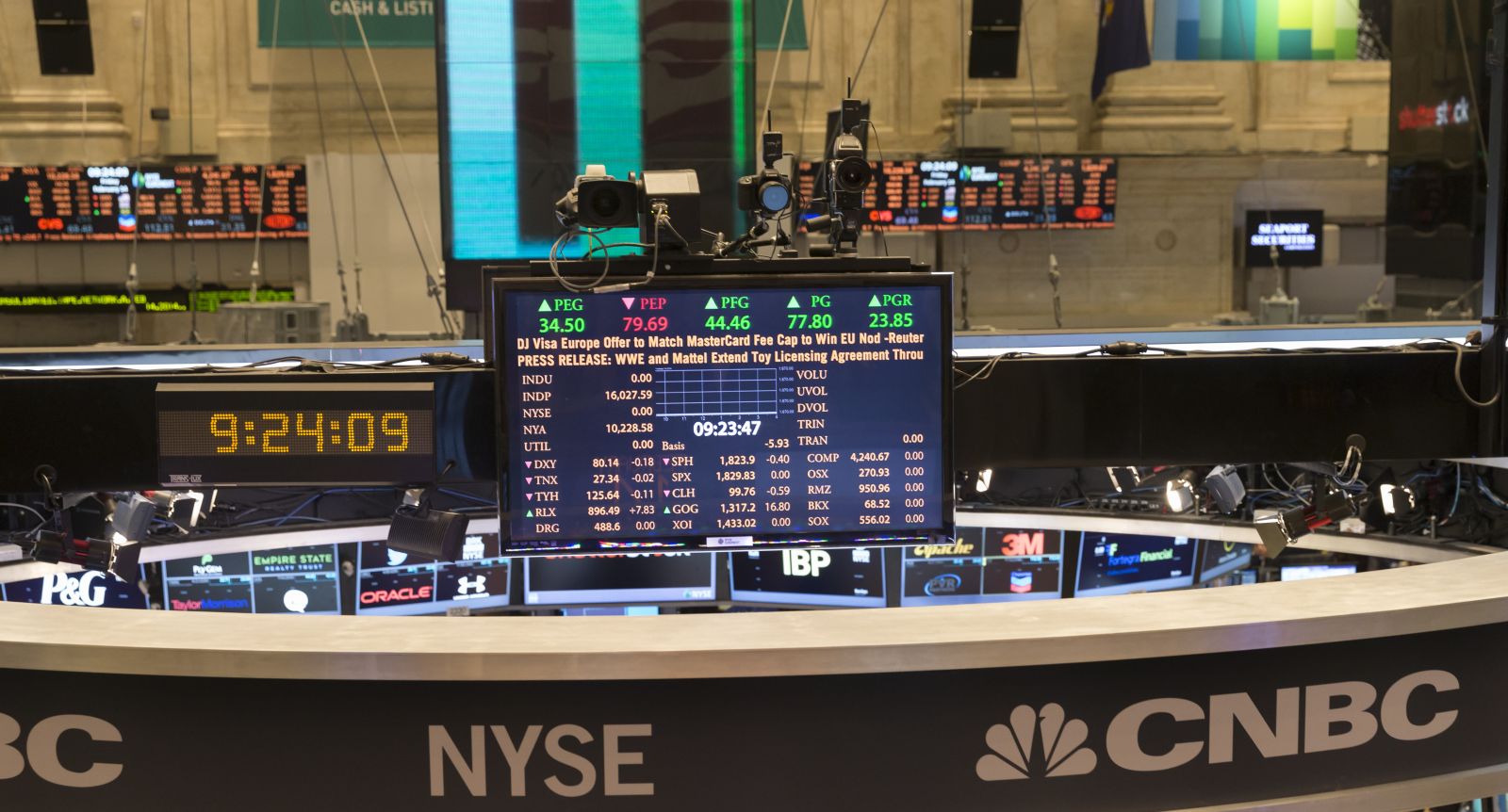
US Stocks Rally as Oil Prices Plunge Amid Peace Talks
- Market Surge: The S&P 500 rose by 1.28% and the Nasdaq 100 reached an all-time high, reflecting investor optimism driven by peace talks between the US and Iran, which may enhance risk appetite and bolster overall market confidence.
- Oil Price Plunge: WTI crude oil prices fell over 13% to a five-week low after the Strait of Hormuz reopened, easing inflation concerns and causing the 10-year Treasury yield to drop by 8 basis points, further supporting the bond market.
- Earnings Growth Expectations: Q1 earnings for the S&P 500 are projected to increase by 12% year-over-year, although excluding the tech sector, growth is only 3%, indicating resilience in corporate performance amid economic recovery and providing market support.
- Airline Stocks Soar: With reduced fuel costs, Alaska Air Group and United Airlines surged by over 14% and 11%, respectively, demonstrating the positive impact of falling oil prices on the airline industry, which could enhance profitability for related companies.
Carnival Corporation Completes S-100 Navigation Data Testing
- Significant Testing Outcomes: Carnival Corporation successfully tested S-100 navigational data in simulators in collaboration with international hydrographic offices, enhancing navigation accuracy in complex port environments, which is expected to significantly improve crew decision-making and safety.
- Collaborative Effort: The tests brought together ports, marine pilots, and technology providers from the UK, Netherlands, Australia, and New Zealand, ensuring effective application of S-100 data in confined waters and promoting further development of industry standards.
- Real-Time Data Integration: The S-100 framework integrates electronic charts, port data, and real-time marine conditions into a unified navigational environment, enhancing mariners' dynamic understanding of their surroundings, thereby improving operational safety in complex waterways.
- Future Training Needs: The results from the simulator tests will be consolidated into a technical report to support future training and standards development, ensuring effective implementation and widespread adoption of S-100, driving the maritime industry's digital transformation.
Carnival Corporation Completes S-100 Navigation Data Simulator Tests
- Simulator Test Outcomes: Carnival Corporation successfully completed a series of bridge simulator tests in collaboration with international hydrographic offices and industry partners, evaluating S-100 navigation data, which enhances safety and efficiency in complex port environments.
- Collaborative Efforts: The tests brought together ports, marine pilots, and ship crews from the UK, Netherlands, Australia, and New Zealand, ensuring the effectiveness of S-100 data in confined waters and facilitating feedback for data standard optimization.
- Real-Time Data Integration: The S-100 framework integrates electronic charts, port data, and real-time marine conditions, providing a more comprehensive navigational picture that significantly improves mariners' situational awareness, thereby supporting more precise decision-making.
- Future Development Direction: The test results will be consolidated into a technical report to support ongoing S-100 standards development and guide future training needs, ensuring effective application of these new data in real-world operations.
Cruise Industry Positioned for AI-Driven Earnings Surge
- Direct Booking Transformation: Barclays analysts highlight that the cruise industry can enhance profitability by shifting to AI-driven direct bookings, potentially reducing third-party commission expenses by 3% to 6% and increasing earnings per share (EPS) by 12% to 45%.
- Customer Satisfaction Improvement: The application of AI is expected to lower administrative costs while enhancing the customer discovery process, attracting more first-time cruisers and potentially strengthening pricing power in the long term, although these benefits are harder to quantify in the short term.
- Market Penetration Opportunities: Analysts emphasize that the cruise sector's high customer satisfaction and low market penetration provide a solid foundation for AI-driven marketing, particularly among younger, tech-savvy travelers.
- Industry Competitive Advantage: Barclays maintains a bullish outlook on the cruise industry's prospects, believing that the adoption of technology will help companies defend margins in an increasingly competitive global travel landscape, with Royal Caribbean Cruises Ltd leading in AI integration.
Reopening of Strait of Hormuz Boosts Cruise Stocks
- Cruise Industry Recovery: The full reopening of the Strait of Hormuz has removed significant hurdles for cruise operators, leading to a broad rally in stocks like Royal Caribbean Group and Carnival Corporation, reflecting market optimism about stable maritime conditions.
- Viking Stock Surge: Viking (NYSE:VIK), a consumer discretionary travel company, saw its shares jump 6.7%, indicating positive market sentiment towards its future performance, despite its historical volatility with 13 moves greater than 5% in the past year.
- Oil Price Decline Benefits: A 17% drop in oil prices has significantly reduced fuel costs for cruise operators, further driving stock price increases, particularly in the context of high-margin Mediterranean and Middle Eastern routes where travel safety concerns have eased.
- Significant Investment Returns: Viking has risen 19.1% since the beginning of the year, currently priced at $86.04, marking a new 52-week high, with early investors seeing a return of 329.7%, showcasing the company's strong performance amid market recovery.
US Stocks Surge as Oil Prices Plunge Amid Peace Talks
- Market Rally: The S&P 500 rose 1.20% and the Nasdaq 100 increased by 1.29%, reaching all-time highs, reflecting investor optimism regarding US-Iran peace talks, which may enhance risk appetite in the markets.
- Oil Price Plunge: WTI crude prices fell over 11% to a five-week low after Iran announced the Strait of Hormuz is fully open, easing inflation concerns and causing the 10-year T-note yield to drop 7 basis points to 4.24%.
- Strong Earnings Season: The earnings season started robustly, with 81% of the 48 S&P 500 companies reporting Q1 earnings exceeding estimates, projecting a 12% year-over-year increase in earnings, providing strong support for the stock market.
- Airline Stocks Surge: Airline stocks surged as fuel costs decreased, with Alaska Air Group (ALK) rising over 10% and Royal Caribbean Cruises Ltd (RCL) up more than 7%, indicating market confidence in the recovery of the airline industry.
US Stocks Rally as Oil Prices Plunge Amid Peace Talks
- Market Surge: The S&P 500 rose by 1.28% and the Nasdaq 100 reached an all-time high, reflecting investor optimism driven by peace talks between the US and Iran, which may enhance risk appetite and bolster overall market confidence.
- Oil Price Plunge: WTI crude oil prices fell over 13% to a five-week low after the Strait of Hormuz reopened, easing inflation concerns and causing the 10-year Treasury yield to drop by 8 basis points, further supporting the bond market.
- Earnings Growth Expectations: Q1 earnings for the S&P 500 are projected to increase by 12% year-over-year, although excluding the tech sector, growth is only 3%, indicating resilience in corporate performance amid economic recovery and providing market support.
- Airline Stocks Soar: With reduced fuel costs, Alaska Air Group and United Airlines surged by over 14% and 11%, respectively, demonstrating the positive impact of falling oil prices on the airline industry, which could enhance profitability for related companies.