GAP PIONEERS CHECKOUT OPTION WITHIN GOOGLE'S GEMINI AS FIRST MAJOR FASHION BRAND - CNBC

- Fashion Industry Milestone: Gap becomes the first major fashion company to offer checkout within Google’s Gemini-CNBC platform.
- Integration with Technology: This move signifies a blend of fashion retail and advanced technology, enhancing the shopping experience for consumers.
Trade with 70% Backtested Accuracy
Analyst Views on GAP

About GAP
About the author


MarketBeat Weekly Recap – March 23 to March 27


Market Trends: Following recent uncertainty, stocks have pulled back, with the Trump administration's pause in hostilities with Iran initially easing investor anxiety, but rising energy prices and inflation concerns are complicating the market outlook.
Investment Opportunities: Analysts are highlighting potential opportunities in various sectors, including energy stocks and companies like Advanced Micro Devices (AMD), which is expected to see growth due to strong institutional buying and planned product launches.
Stock Performance: Companies like Rivian Automotive and Tesla are under scrutiny, with Rivian showing quiet performance while Tesla faces regulatory challenges, impacting investor sentiment and stock prices.
Consumer Sector Insights: Retail stocks, particularly Gap and Macy's, are experiencing mixed reactions post-earnings reports, with some showing recovery while others face caution from investors regarding their future strategies.

Gap Stock Bounces Back Following Earnings Decline, Boosted by AI Developments

Stock Performance: Gap Inc. has experienced significant fluctuations in its stock price, with a notable drop following its earnings report in early March, but has since regained some ground as investors reacted positively to the company's improving fundamentals and plans for integration with Google's AI platform.
Earnings Report Insights: The company's fourth-quarter earnings for 2025 fell slightly short of expectations, reporting earnings of 45 cents per share and revenue of $4.24 billion, yet it marked a solid quarter with a 3% increase in comparable sales.
Future Outlook: Analysts remain optimistic about Gap's turnaround strategy, which includes a new CEO and a focus on building momentum for growth, despite some challenges such as tariff impacts and weaker performance in its Athleta brand.
AI Integration: Gap is leveraging AI technology to enhance online shopping experiences, allowing customers to purchase items directly through the AI platform, positioning itself as a pioneer in the retail sector's adoption of AI-driven sales strategies.
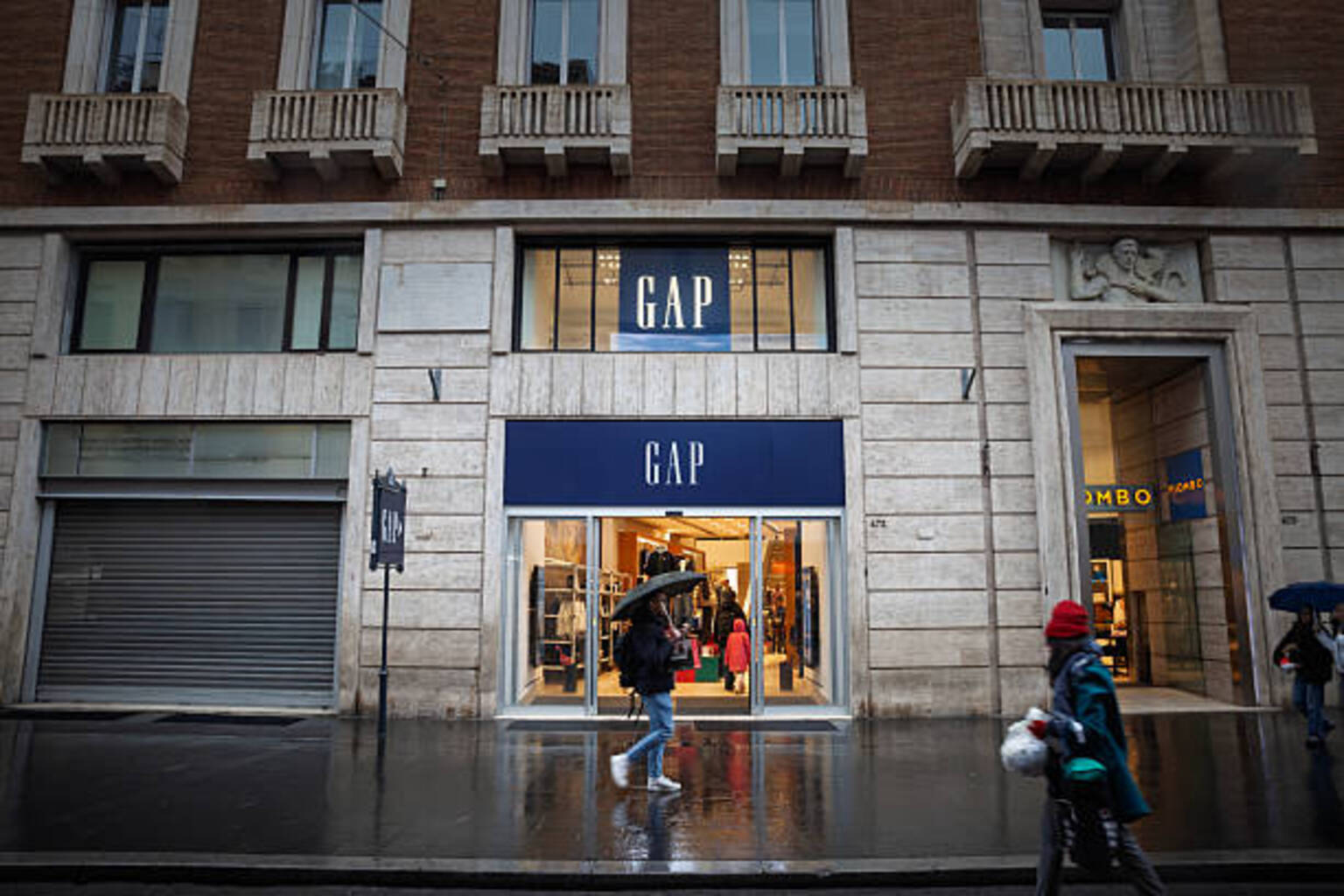
Gap to Open 50 New Stores in China by 2026
- Expansion Plans: Gap intends to open 50 new stores across mainland China by 2026, targeting tier-one to tier-three cities, which signifies an acceleration of its growth strategy in the world's second-largest economy despite profitability challenges.
- Break-even Achievement: The company reached break-even for the first time last quarter, indicating potential in the Chinese market; however, the underwhelming outlook for the year may dampen investor confidence.
- Hong Kong Market Reopening: Gap also plans to reopen stores in Hong Kong later this year, aiming to restore its business in this key market and further enhance its brand presence in the Asia-Pacific region.
- Stock Price Volatility: Despite the expansion plans, Gap's shares fell by 13% following the earnings report, reflecting market concerns over its future profitability, which could impact its financing and growth capabilities.

Baozun Reports Strong Q4 2025 Earnings Growth

- Revenue Growth: Baozun reported a revenue increase of 6% year-over-year to RMB 3.2 billion in Q4 2025, indicating sustained growth potential in the e-commerce sector, which is expected to enhance market competitiveness further.
- Non-GAAP Operating Profit: The non-GAAP operating profit surged by 91% to RMB 198 million, demonstrating a significant improvement in profitability that provides strong financial support for future investments and expansions.
- Cash Flow Improvement: Operating cash flow more than tripled to RMB 420 million in 2025, reflecting a substantial enhancement in cash generation capabilities, which will aid in supporting future business development and strategic investments.
- Brand Management Revenue: Revenue from the brand management platform grew by 24% year-over-year to RMB 664 million, achieving its first quarterly breakeven, marking a successful transformation and market recognition in the brand management sector.

Impact of Strait of Hormuz Closure on Consumer Goods
- Supply Chain Disruption Risk: The closure of the Strait of Hormuz disrupts approximately 20% of global oil and gas transport, directly impacting major garment-producing countries like Vietnam, India, and Bangladesh, which could lead to increased consumer goods prices and affect retailers' profit margins.
- Carter's Significant Damage: As North America's largest branded baby apparel company, Carter's estimates annual losses of $200 million to $250 million due to tariff costs, and with the closure of the Strait, it may face greater supply chain pressures, resulting in the closure of 150 stores and a 15% workforce reduction.
- Oxford Industries Financial Strain: Oxford Industries anticipates a reduction of $1.25 to $1.50 per share in earnings for fiscal 2025 due to tariffs, and with the Strait's closure, it faces increased freight and insurance costs, potentially leading to further inventory cuts and discounts that could impact profitability.
- Gap Inc. Supply Chain Challenges: Gap Inc.'s primary sourcing countries, Vietnam and India, are directly affected by the closure of the Strait of Hormuz, and despite efforts to diversify its supply chain, the company must contend with rising shipping costs and supply disruptions, which could undermine its market competitiveness.

Closure of Strait of Hormuz Triggers Supply Chain Crisis
- Supply Chain Strain: The closure of the Strait of Hormuz disrupts approximately 20% of global oil and gas supplies, directly impacting retailers reliant on Asian manufacturing, such as Carter's and Gap, thereby increasing costs and operational risks.
- Significant Tariff Impact: Carter's anticipates tariff-related costs to reach $200 million to $250 million, leading to the closure of 150 stores and a 15% workforce reduction, compounding its already strained cost structure.
- Inventory Management Challenges: Oxford Industries faced a reduction of $1.25 to $1.50 per share in earnings due to tariffs in fiscal 2025, forcing inventory cuts and deeper discounts, while its alternative sourcing options are also affected by the Hormuz closure.
- Surging Transportation Costs: Kontoor Brands and Gap are experiencing increased transportation costs due to rerouting and soaring insurance premiums, particularly as Gap's main sourcing countries, Vietnam and India, are severely disrupted, impacting their market competitiveness.
MarketBeat Weekly Recap – March 23 to March 27
Market Trends: Following recent uncertainty, stocks have pulled back, with the Trump administration's pause in hostilities with Iran initially easing investor anxiety, but rising energy prices and inflation concerns are complicating the market outlook.
Investment Opportunities: Analysts are highlighting potential opportunities in various sectors, including energy stocks and companies like Advanced Micro Devices (AMD), which is expected to see growth due to strong institutional buying and planned product launches.
Stock Performance: Companies like Rivian Automotive and Tesla are under scrutiny, with Rivian showing quiet performance while Tesla faces regulatory challenges, impacting investor sentiment and stock prices.
Consumer Sector Insights: Retail stocks, particularly Gap and Macy's, are experiencing mixed reactions post-earnings reports, with some showing recovery while others face caution from investors regarding their future strategies.
Gap Stock Bounces Back Following Earnings Decline, Boosted by AI Developments
Stock Performance: Gap Inc. has experienced significant fluctuations in its stock price, with a notable drop following its earnings report in early March, but has since regained some ground as investors reacted positively to the company's improving fundamentals and plans for integration with Google's AI platform.
Earnings Report Insights: The company's fourth-quarter earnings for 2025 fell slightly short of expectations, reporting earnings of 45 cents per share and revenue of $4.24 billion, yet it marked a solid quarter with a 3% increase in comparable sales.
Future Outlook: Analysts remain optimistic about Gap's turnaround strategy, which includes a new CEO and a focus on building momentum for growth, despite some challenges such as tariff impacts and weaker performance in its Athleta brand.
AI Integration: Gap is leveraging AI technology to enhance online shopping experiences, allowing customers to purchase items directly through the AI platform, positioning itself as a pioneer in the retail sector's adoption of AI-driven sales strategies.
Gap to Open 50 New Stores in China by 2026
- Expansion Plans: Gap intends to open 50 new stores across mainland China by 2026, targeting tier-one to tier-three cities, which signifies an acceleration of its growth strategy in the world's second-largest economy despite profitability challenges.
- Break-even Achievement: The company reached break-even for the first time last quarter, indicating potential in the Chinese market; however, the underwhelming outlook for the year may dampen investor confidence.
- Hong Kong Market Reopening: Gap also plans to reopen stores in Hong Kong later this year, aiming to restore its business in this key market and further enhance its brand presence in the Asia-Pacific region.
- Stock Price Volatility: Despite the expansion plans, Gap's shares fell by 13% following the earnings report, reflecting market concerns over its future profitability, which could impact its financing and growth capabilities.
Baozun Reports Strong Q4 2025 Earnings Growth
- Revenue Growth: Baozun reported a revenue increase of 6% year-over-year to RMB 3.2 billion in Q4 2025, indicating sustained growth potential in the e-commerce sector, which is expected to enhance market competitiveness further.
- Non-GAAP Operating Profit: The non-GAAP operating profit surged by 91% to RMB 198 million, demonstrating a significant improvement in profitability that provides strong financial support for future investments and expansions.
- Cash Flow Improvement: Operating cash flow more than tripled to RMB 420 million in 2025, reflecting a substantial enhancement in cash generation capabilities, which will aid in supporting future business development and strategic investments.
- Brand Management Revenue: Revenue from the brand management platform grew by 24% year-over-year to RMB 664 million, achieving its first quarterly breakeven, marking a successful transformation and market recognition in the brand management sector.
Impact of Strait of Hormuz Closure on Consumer Goods
- Supply Chain Disruption Risk: The closure of the Strait of Hormuz disrupts approximately 20% of global oil and gas transport, directly impacting major garment-producing countries like Vietnam, India, and Bangladesh, which could lead to increased consumer goods prices and affect retailers' profit margins.
- Carter's Significant Damage: As North America's largest branded baby apparel company, Carter's estimates annual losses of $200 million to $250 million due to tariff costs, and with the closure of the Strait, it may face greater supply chain pressures, resulting in the closure of 150 stores and a 15% workforce reduction.
- Oxford Industries Financial Strain: Oxford Industries anticipates a reduction of $1.25 to $1.50 per share in earnings for fiscal 2025 due to tariffs, and with the Strait's closure, it faces increased freight and insurance costs, potentially leading to further inventory cuts and discounts that could impact profitability.
- Gap Inc. Supply Chain Challenges: Gap Inc.'s primary sourcing countries, Vietnam and India, are directly affected by the closure of the Strait of Hormuz, and despite efforts to diversify its supply chain, the company must contend with rising shipping costs and supply disruptions, which could undermine its market competitiveness.
Closure of Strait of Hormuz Triggers Supply Chain Crisis
- Supply Chain Strain: The closure of the Strait of Hormuz disrupts approximately 20% of global oil and gas supplies, directly impacting retailers reliant on Asian manufacturing, such as Carter's and Gap, thereby increasing costs and operational risks.
- Significant Tariff Impact: Carter's anticipates tariff-related costs to reach $200 million to $250 million, leading to the closure of 150 stores and a 15% workforce reduction, compounding its already strained cost structure.
- Inventory Management Challenges: Oxford Industries faced a reduction of $1.25 to $1.50 per share in earnings due to tariffs in fiscal 2025, forcing inventory cuts and deeper discounts, while its alternative sourcing options are also affected by the Hormuz closure.
- Surging Transportation Costs: Kontoor Brands and Gap are experiencing increased transportation costs due to rerouting and soaring insurance premiums, particularly as Gap's main sourcing countries, Vietnam and India, are severely disrupted, impacting their market competitiveness.