Fortinet Shares Surge 7% After TD Cowen Upgrade to Buy
Written by Emily J. Thompson, Senior Investment Analyst
Updated: Jan 23 2026
0mins


Source: CNBC
- Stock Surge: Fortinet shares jumped over 7% after TD Cowen upgraded the stock from hold to buy, indicating increased market confidence in its future performance, particularly as rising memory prices are expected to have a lesser impact than anticipated.
- Clinical Trial Setback: Bausch Health's stock fell 9% after one of its experimental treatments for hepatic encephalopathy missed targets in a late-stage clinical trial, potentially affecting the company's future product pipeline and market competitiveness.
- Weak Earnings Report: Intel shares dropped 16% following mixed fourth-quarter results and a weak forecast, with expected first-quarter revenue between $11.7 billion and $12.7 billion, failing to meet analyst expectations, which may lead to decreased investor confidence.
- Acquisition Deal: Clorox shares rose nearly 3% after agreeing to acquire Gojo Industries for $2.25 billion, and despite the financial impact of the acquisition, the company reaffirmed its outlook for 2026.
Trade with 70% Backtested Accuracy
Stop guessing "Should I Buy MRNA?" and start using high-conviction signals backed by rigorous historical data.
Sign up today to access powerful investing tools and make smarter, data-driven decisions.
Analyst Views on MRNA
Wall Street analysts forecast MRNA stock price to fall
20 Analyst Rating
1 Buy
16 Hold
3 Sell
Hold
Current: 53.720

Low
17.00
Averages
32.47
High
63.00
Current: 53.720
Low
17.00
Averages
32.47
High
63.00
About MRNA
Moderna, Inc. is a biotechnology company advancing a new class of medicines made of messenger ribonucleic acid (mRNA). It is engaged in developing medicines across infectious disease vaccines, oncology therapeutics and rare disease therapeutics. Its platform incorporates advances across three components, mRNA, delivery, and the manufacturing process, to advance its medicines. Its products are Spikevax and mNEXSPIKE (its COVID vaccines), and mRESVIA (its vaccine against respiratory syncytial virus (RSV)). It also has a diverse development pipeline that consists of 35 therapeutic and vaccine programs, six of which are in late-stage development. It has regulatory filings under review for its seasonal flu+COVID vaccine (mRNA-1083) in Europe and Canada and for its seasonal flu vaccine (mRNA-1010) in the United States, Europe, Canada and Australia. Its rare disease programs are Propionic acidemia (mRNA-3927); Methylmalonic acidemia (mRNA-3705), and Cystic Fibrosis (mRNA-3692/VX-522).
About the author

Emily J. Thompson
Emily J. Thompson, a Chartered Financial Analyst (CFA) with 12 years in investment research, graduated with honors from the Wharton School. Specializing in industrial and technology stocks, she provides in-depth analysis for Intellectia’s earnings and market brief reports.

Sanofi's Nuvaxovid Vaccine Phase 4 Trial Success


- Clinical Trial Success: Sanofi announced that its Nuvaxovid COVID-19 vaccine met the primary endpoint in a phase 4 trial, demonstrating the vaccine's efficacy and safety, which strongly supports the company's competitive position in the vaccine market.
- Market Potential Boost: The successful trial results not only enhance Sanofi's market position in the COVID-19 vaccine sector but also have the potential to drive sales growth in the global vaccine market, especially amid ongoing vaccine demand.
- R&D Investment Returns: Sanofi's continued investment in vaccine development has paid off, with the successful clinical trial laying the groundwork for future product line expansions and new vaccine developments, further solidifying the company's innovative capabilities.
- Strategic Implications: This successful clinical trial presents new opportunities for Sanofi's role in global public health crises, potentially fostering collaborations with governments and international organizations, thereby enhancing its brand image and market influence.
See More

Sanofi's COVID-19 Vaccine Shows Better Tolerability than Moderna's

- Tolerability Comparison: Sanofi's Nuvaxovid vaccine demonstrated a significantly better tolerability profile in a head-to-head study against Moderna's mNEXSPIKE, with less than 10% of Nuvaxovid recipients experiencing systemic side effects compared to 20% for mNEXSPIKE.
- Side Effect Rates: The COMPARE study revealed that 83.6% of Nuvaxovid recipients experienced systemic reactions, while 91.6% of mNEXSPIKE recipients did, highlighting Nuvaxovid's advantage in side effects, which may enhance vaccine confidence.
- Patient Feedback: Participants reported less disruption to work, school, and daily activities after receiving Nuvaxovid, with nearly twice as many Nuvaxovid recipients indicating they would choose the same vaccine again, underscoring the impact of tolerability on vaccination behavior.
- Market Reaction: As of April 17, Sanofi's stock price stood at $48.06, reflecting a 0.71% increase, and further rose to $48.25 in after-hours trading, indicating a positive market response to the vaccine study results.
See More

Innovative Industrial Properties Sees Surge in Options Trading Volume

- Surge in Options Volume: Innovative Industrial Properties Inc (IIPR) experienced an options trading volume of 4,697 contracts today, equating to approximately 469,700 shares, which represents a significant 163% of its average daily trading volume over the past month.
- High-Interest Options: Notably, the $30 strike put option expiring on October 16, 2026, saw 4,040 contracts traded today, representing around 404,000 underlying shares of IIPR, indicating strong market interest at this price level.
- CRML Options Activity: Concurrently, Critical Metals Corp (CRML) reported an options trading volume of 114,088 contracts, translating to approximately 11.4 million shares, which is 149.2% of its average daily trading volume over the past month.
- Liquid Options Interest: The $15 strike call option expiring on May 15, 2026, recorded a trading volume of 15,043 contracts today, representing about 1.5 million underlying shares of CRML, reflecting robust investor interest in this option.
See More
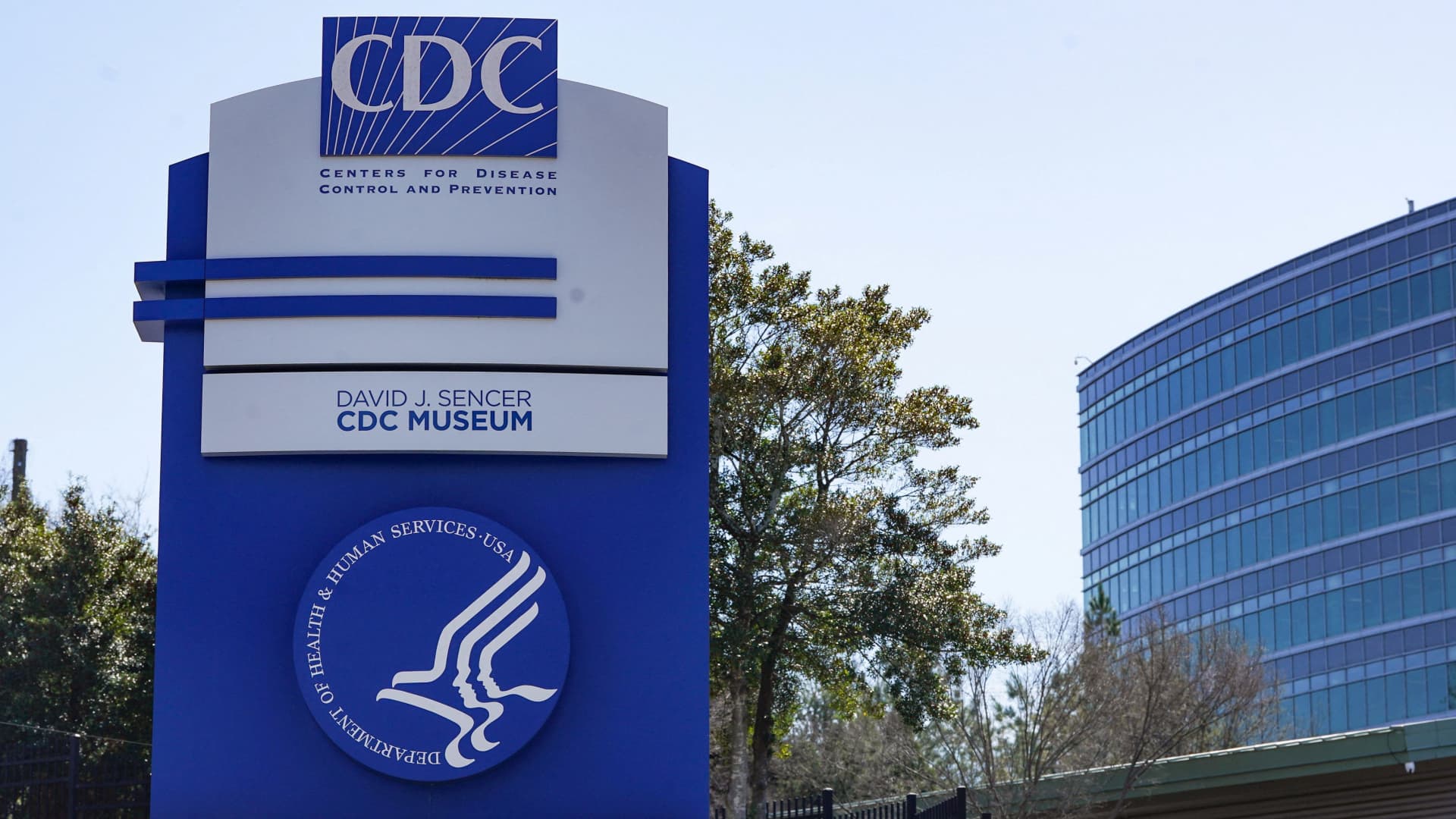
Trump Nominates New CDC Director Amid Turmoil

- Leadership Changes: Trump has nominated Erica Schwartz to serve as the CDC director, concluding a months-long search, with her confirmation pending Senate approval, which could significantly influence the agency's future direction.
- Interim Leadership Issues: Prior to Schwartz's nomination, Jay Bhattacharya served as acting director, but his term expired last month, highlighting instability within the CDC as the Vacancies Act limits interim officials to 210 days.
- Vaccine Policy Controversy: Amid leadership upheaval, declining morale, and significant staff turnover, the CDC faces major changes to U.S. vaccine policy, particularly after a judge blocked efforts to reduce the number of recommended childhood vaccinations, exacerbating public trust issues.
- Declining Public Trust: A February poll from KFF indicates a significant drop in public trust in federal health agencies during Kennedy's tenure as Secretary of Health and Human Services, which may hinder the CDC's effectiveness and implementation of future public health policies.
See More
White House Nominates Erica Schwartz as Next CDC Director
- Nomination of Schwartz: The White House is set to nominate Erica Schwartz, who served as deputy U.S. surgeon general under Trump, as the next CDC director, pending Trump's approval, indicating a desire for a nominee who minimizes controversy.
- CDC Leadership Vacancy: The CDC has been without permanent leadership since August when former director Susan Monarez was fired over disagreements with Trump's healthcare policies, which has impacted the agency's policy execution and public trust.
- Schwartz's Background: Schwartz holds a master's degree in public health and a law degree, and her experience as a Navy physician and chief medical officer at the U.S. Coast Guard may bring new perspectives and leadership to the CDC.
- Deputy Director Candidate: The Trump administration is also considering Sean Slovenski, a former Walmart executive, as Schwartz's deputy, further indicating the strategic reshaping of leadership within the CDC.
See More

Citigroup Upgrades U.S. Stocks to Overweight Amid Iran Conflict Outlook


- Optimistic Market Outlook: Citigroup upgraded U.S. stocks to overweight from neutral on Monday, citing the eventual end of the U.S.-Iran conflict as a catalyst for market gains, indicating a positive outlook for year-end equities.
- S&P 500 Recovery: The S&P 500 closed at 6,886.24 on Monday, erasing losses since the conflict began, demonstrating market resilience in the face of geopolitical risks and reflecting a recovery in investor confidence.
- Sector Recommendations: Citigroup recommends investors focus on materials, healthcare, and tech stocks, with materials being the best-performing S&P 500 sector this year, up over 14%, while healthcare stocks like Moderna and DaVita have surged 72% and 33%, respectively, showcasing sector performance disparities.
- Institutional Attitude Shift: Following BlackRock, Citigroup becomes the second major institution this week to adopt a more positive stance on U.S. stocks, signaling growing confidence in the U.S. economic recovery, which may attract more capital inflows into the equity market.
See More
Sanofi's Nuvaxovid Vaccine Phase 4 Trial Success
- Clinical Trial Success: Sanofi announced that its Nuvaxovid COVID-19 vaccine met the primary endpoint in a phase 4 trial, demonstrating the vaccine's efficacy and safety, which strongly supports the company's competitive position in the vaccine market.
- Market Potential Boost: The successful trial results not only enhance Sanofi's market position in the COVID-19 vaccine sector but also have the potential to drive sales growth in the global vaccine market, especially amid ongoing vaccine demand.
- R&D Investment Returns: Sanofi's continued investment in vaccine development has paid off, with the successful clinical trial laying the groundwork for future product line expansions and new vaccine developments, further solidifying the company's innovative capabilities.
- Strategic Implications: This successful clinical trial presents new opportunities for Sanofi's role in global public health crises, potentially fostering collaborations with governments and international organizations, thereby enhancing its brand image and market influence.
See More
Sanofi's COVID-19 Vaccine Shows Better Tolerability than Moderna's
- Tolerability Comparison: Sanofi's Nuvaxovid vaccine demonstrated a significantly better tolerability profile in a head-to-head study against Moderna's mNEXSPIKE, with less than 10% of Nuvaxovid recipients experiencing systemic side effects compared to 20% for mNEXSPIKE.
- Side Effect Rates: The COMPARE study revealed that 83.6% of Nuvaxovid recipients experienced systemic reactions, while 91.6% of mNEXSPIKE recipients did, highlighting Nuvaxovid's advantage in side effects, which may enhance vaccine confidence.
- Patient Feedback: Participants reported less disruption to work, school, and daily activities after receiving Nuvaxovid, with nearly twice as many Nuvaxovid recipients indicating they would choose the same vaccine again, underscoring the impact of tolerability on vaccination behavior.
- Market Reaction: As of April 17, Sanofi's stock price stood at $48.06, reflecting a 0.71% increase, and further rose to $48.25 in after-hours trading, indicating a positive market response to the vaccine study results.
See More
Innovative Industrial Properties Sees Surge in Options Trading Volume
- Surge in Options Volume: Innovative Industrial Properties Inc (IIPR) experienced an options trading volume of 4,697 contracts today, equating to approximately 469,700 shares, which represents a significant 163% of its average daily trading volume over the past month.
- High-Interest Options: Notably, the $30 strike put option expiring on October 16, 2026, saw 4,040 contracts traded today, representing around 404,000 underlying shares of IIPR, indicating strong market interest at this price level.
- CRML Options Activity: Concurrently, Critical Metals Corp (CRML) reported an options trading volume of 114,088 contracts, translating to approximately 11.4 million shares, which is 149.2% of its average daily trading volume over the past month.
- Liquid Options Interest: The $15 strike call option expiring on May 15, 2026, recorded a trading volume of 15,043 contracts today, representing about 1.5 million underlying shares of CRML, reflecting robust investor interest in this option.
See More
Trump Nominates New CDC Director Amid Turmoil
- Leadership Changes: Trump has nominated Erica Schwartz to serve as the CDC director, concluding a months-long search, with her confirmation pending Senate approval, which could significantly influence the agency's future direction.
- Interim Leadership Issues: Prior to Schwartz's nomination, Jay Bhattacharya served as acting director, but his term expired last month, highlighting instability within the CDC as the Vacancies Act limits interim officials to 210 days.
- Vaccine Policy Controversy: Amid leadership upheaval, declining morale, and significant staff turnover, the CDC faces major changes to U.S. vaccine policy, particularly after a judge blocked efforts to reduce the number of recommended childhood vaccinations, exacerbating public trust issues.
- Declining Public Trust: A February poll from KFF indicates a significant drop in public trust in federal health agencies during Kennedy's tenure as Secretary of Health and Human Services, which may hinder the CDC's effectiveness and implementation of future public health policies.
See More
White House Nominates Erica Schwartz as Next CDC Director
- Nomination of Schwartz: The White House is set to nominate Erica Schwartz, who served as deputy U.S. surgeon general under Trump, as the next CDC director, pending Trump's approval, indicating a desire for a nominee who minimizes controversy.
- CDC Leadership Vacancy: The CDC has been without permanent leadership since August when former director Susan Monarez was fired over disagreements with Trump's healthcare policies, which has impacted the agency's policy execution and public trust.
- Schwartz's Background: Schwartz holds a master's degree in public health and a law degree, and her experience as a Navy physician and chief medical officer at the U.S. Coast Guard may bring new perspectives and leadership to the CDC.
- Deputy Director Candidate: The Trump administration is also considering Sean Slovenski, a former Walmart executive, as Schwartz's deputy, further indicating the strategic reshaping of leadership within the CDC.
See More
Citigroup Upgrades U.S. Stocks to Overweight Amid Iran Conflict Outlook
- Optimistic Market Outlook: Citigroup upgraded U.S. stocks to overweight from neutral on Monday, citing the eventual end of the U.S.-Iran conflict as a catalyst for market gains, indicating a positive outlook for year-end equities.
- S&P 500 Recovery: The S&P 500 closed at 6,886.24 on Monday, erasing losses since the conflict began, demonstrating market resilience in the face of geopolitical risks and reflecting a recovery in investor confidence.
- Sector Recommendations: Citigroup recommends investors focus on materials, healthcare, and tech stocks, with materials being the best-performing S&P 500 sector this year, up over 14%, while healthcare stocks like Moderna and DaVita have surged 72% and 33%, respectively, showcasing sector performance disparities.
- Institutional Attitude Shift: Following BlackRock, Citigroup becomes the second major institution this week to adopt a more positive stance on U.S. stocks, signaling growing confidence in the U.S. economic recovery, which may attract more capital inflows into the equity market.
See More