Foreign Tanker Catches Fire in Iraqi Waters Amid Attacks
Written by Emily J. Thompson, Senior Investment Analyst
Updated: Mar 17 2026
0mins


Should l Buy NVDA?
Source: CNBC
- Tanker Attack Incident: A foreign tanker carrying Iraqi fuel caught fire in Iraq's territorial waters near Basra, indicating a deterioration in regional security that could lead to further fluctuations in international oil prices.
- Escalating Middle East Tensions: The attack is linked to Iran's ongoing aggression towards its neighbors, which may exacerbate tensions between the U.S. and Iran, thereby impacting the stability of the global energy supply chain.
- Rising Oil Prices: Amid the ongoing Middle East crisis, West Texas Intermediate crude futures rose approximately 2% to $95.34 per barrel, while global benchmark Brent increased by 1.8% to $102.03 per barrel, reflecting market concerns over potential supply disruptions.
- Geopolitical Implications: President Trump is seeking assistance from other nations to secure the Strait of Hormuz, but the lukewarm response indicates doubts about U.S. leadership and influence in the region, potentially leading to future market uncertainties.
Trade with 70% Backtested Accuracy
Stop guessing "Should I Buy NVDA?" and start using high-conviction signals backed by rigorous historical data.
Sign up today to access powerful investing tools and make smarter, data-driven decisions.
Analyst Views on NVDA
Wall Street analysts forecast NVDA stock price to rise
41 Analyst Rating
39 Buy
1 Hold
1 Sell
Strong Buy
Current: 201.680

Low
200.00
Averages
264.97
High
352.00
Current: 201.680
Low
200.00
Averages
264.97
High
352.00
About NVDA
NVIDIA Corporation is an artificial intelligence (AI) infrastructure company. The Company is engaged in accelerated computing to help solve the challenging computational problems. Its segments include Compute & Networking and Graphics. The Compute & Networking segment includes its Data Center accelerated computing and networking platforms and AI solutions and software, and automotive platforms and autonomous and electric vehicle solutions, including software. The Graphics segment includes GeForce GPUs for gaming and personal computers (PCs), and Quadro/NVIDIA RTX GPUs for enterprise workstation graphics. Its technology stack includes the foundational NVIDIA CUDA development platform that runs on all NVIDIA GPUs, as well as hundreds of domain-specific software libraries, frameworks, algorithms, software development kits (SDKs), and application programming interfaces (APIs). Its platforms address four markets, which include Data Center, Gaming, Professional Visualization, and Automotive.
About the author

Emily J. Thompson
Emily J. Thompson, a Chartered Financial Analyst (CFA) with 12 years in investment research, graduated with honors from the Wharton School. Specializing in industrial and technology stocks, she provides in-depth analysis for Intellectia’s earnings and market brief reports.

Nvidia Set to Release Q1 2027 Fiscal Results Amid AI Dominance

- Earnings Forecast: Nvidia anticipates Q1 2027 sales of $78 billion, representing a 77% increase year-over-year, with a projected gross margin of 74.9%, indicating robust market demand and profitability.
- Competitive Advantage: Despite increasing external competition, Nvidia's GPUs maintain clear advantages in computational power, and persistent GPU scarcity allows the company to sell hardware at premium prices, solidifying its market position in enterprise data centers.
- Stock Volatility: Historical data shows that Nvidia's stock typically declines after earnings releases, with five out of the last seven quarters experiencing a drop, averaging a 3% loss, reflecting overly optimistic market expectations.
- Investor Caution: While Nvidia's results often exceed analyst forecasts, the optimistic sentiment surrounding AI technology may pose bubble risks, prompting investors to carefully consider their investment decisions following the earnings report.
See More
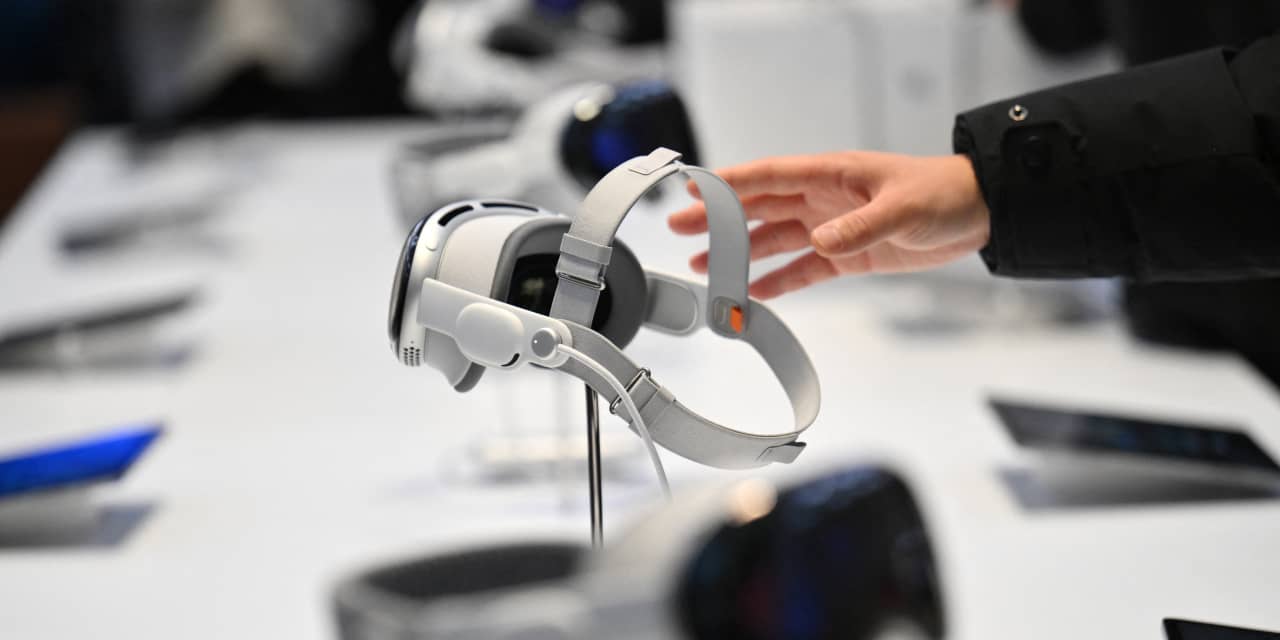
AI Startup Cursor in Talks for $2B Fundraising at $50B Valuation
- Fundraising Plans: AI startup Cursor is in discussions to raise a $2 billion funding round, with an expected valuation exceeding $50 billion, which will further propel its market expansion and technological innovation.
- Investor Lineup: Andreessen Horowitz is set to co-lead this funding round, with Nvidia and Thrive Capital also expected to participate, reflecting strong confidence in Cursor's future growth from these previously involved investors.
- Historical Funding Review: Last November, Cursor raised approximately $2.3 billion in a Series D funding round, achieving a post-money valuation of $29.3 billion, attracting existing investors like Accel, Thrive, and Andreessen Horowitz, along with new partners such as Coatue, Nvidia, and Alphabet.
- Technology Updates: In February, Cursor released various updates aimed at assisting software developers, including enabling AI agents to test coding changes and record their actions through videos, logs, and screenshots, thereby enhancing development efficiency.
See More
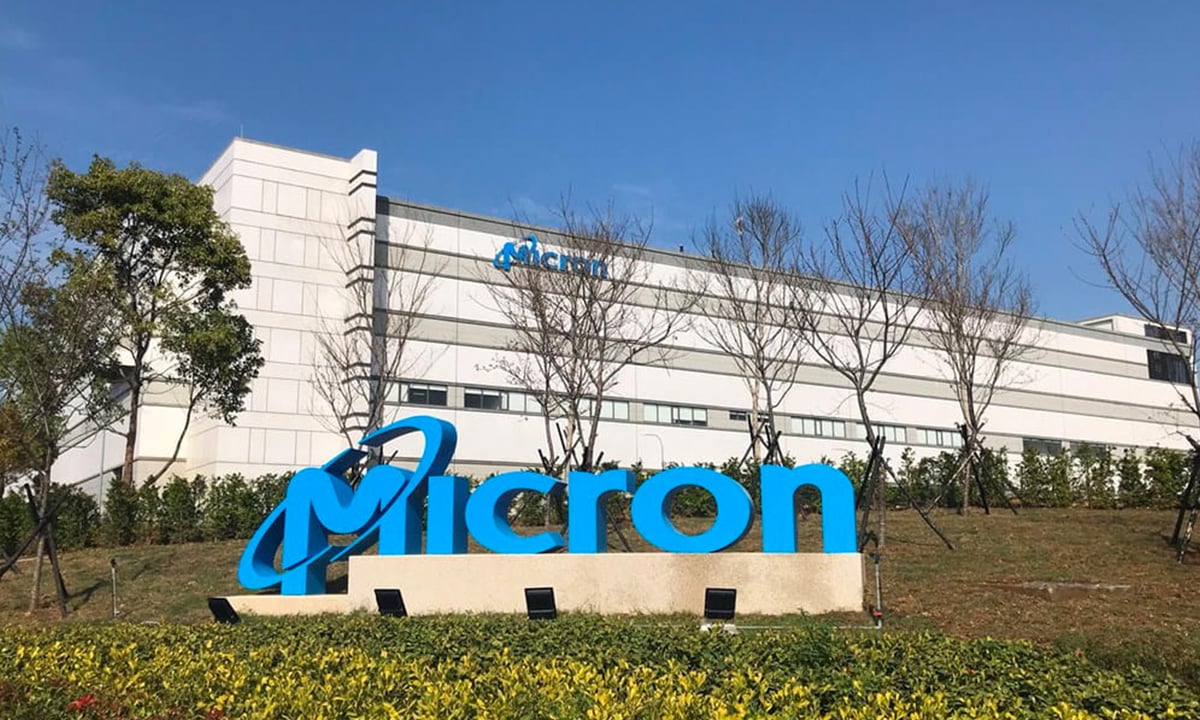
Micron Technology: Potential in the AI Memory Market


- Surging AI Memory Demand: Accelerating investments in AI infrastructure are fueling explosive demand for DRAM and NAND chips, with the HBM market expected to reach $100 billion by 2028, highlighting Micron's unique positioning in this sector.
- Enhanced Financial Flexibility: By cleaning up its balance sheet, Micron has stabilized cash flow, reducing reliance on heavy borrowing or issuing new shares, which allows for continued investment in new manufacturing capabilities and strengthens its market competitiveness.
- Diverse Customer Base: Micron's marquee customers include tech giants like Nvidia, along with steady consumer buyers in automotive, manufacturing, and consumer electronics, providing a cushion against volatility in any single market segment.
- Industry Cycle Risks: While Micron has a promising outlook in the AI memory market, vigilance is required regarding cyclical fluctuations and potential economic slowdowns, as an influx of competitors could lead to price declines and impact profit margins.
See More

Nasdaq Correction Hits AI Chip Stocks, Micron Positioned for Rebound
- Growing Market Demand: As the AI revolution progresses, Micron's high-bandwidth memory (HBM) market is projected to exceed $100 billion by 2028, indicating strong growth potential, particularly amid surging demand for AI infrastructure.
- Improved Financial Health: By cleaning up its balance sheet and generating steady cash flow, Micron has reduced reliance on new share issuance and heavy borrowing, enhancing its investment flexibility in new manufacturing capabilities, which is expected to drive future sales and profit growth.
- Diverse Customer Base: Micron's marquee customers include major tech firms like Nvidia, along with stable consumer buyers in automotive, manufacturing, and consumer electronics, providing a cushion against risks associated with fluctuations in any single market.
- Industry Risk Warning: Despite Micron's competitive edge in the AI memory market, the cyclical nature of the industry and macroeconomic uncertainties remain, as any production delays or demand pullbacks could pressure its margins.
See More
Victory Giant Technology's Shares Surge 60% After Blockbuster IPO in Hong Kong
- Strong IPO Performance: Victory Giant Technology's shares surged as much as 60% during its initial public offering (IPO) in Hong Kong, reflecting robust investor interest, particularly in the resilient tech sector amidst market volatility.
- Record Fundraising: The IPO priced shares at HK$209.88, raising approximately HK$20.1 billion ($2.57 billion), marking the largest listing in Hong Kong in about seven months, surpassing Zijin Gold International's $3.2 billion IPO last September.
- Positive Market Reaction: Following the IPO, shares traded at HK$306.8, a 46% increase from the offering price, indicating optimistic investor sentiment regarding the company's growth potential, especially its business supplying printed circuit boards to Nvidia.
- Favorable Industry Trends: Amidst the current Middle East conflict causing market fluctuations, investor interest in large listings in Hong Kong remains strong, with Victory Giant's successful IPO further solidifying the tech sector's significance in the capital markets.
See More

New CEO Ternus's Strategic Vision for Apple


- AI Strategy Review: New CEO Ternus emphasized in an interview that Apple will not merely chase technology releases but focus on leveraging technology to create outstanding products, a pragmatic approach that is crucial in the face of competitors like Microsoft and Google.
- Hardware Priority: With extensive hardware engineering experience, Ternus promises to uphold a customer experience-centric philosophy akin to co-founder Steve Jobs, which will help Apple maintain its competitive edge in product innovation.
- Product Innovation and Market Response: Under Ternus's leadership, Apple has launched several new products, including the ultra-thin iPhone Air and MacBook Neo, which not only enhance Apple's market performance but also strengthen its competitiveness in the premium segment.
- In-House Chip Transition: Ternus successfully guided Apple to transition its Mac laptop line to in-house processors, ending reliance on Intel; this strategic shift significantly improved Mac performance and battery life, driving a sales resurgence and demonstrating Apple's commitment to technological innovation.
See More
Nvidia Set to Release Q1 2027 Fiscal Results Amid AI Dominance
- Earnings Forecast: Nvidia anticipates Q1 2027 sales of $78 billion, representing a 77% increase year-over-year, with a projected gross margin of 74.9%, indicating robust market demand and profitability.
- Competitive Advantage: Despite increasing external competition, Nvidia's GPUs maintain clear advantages in computational power, and persistent GPU scarcity allows the company to sell hardware at premium prices, solidifying its market position in enterprise data centers.
- Stock Volatility: Historical data shows that Nvidia's stock typically declines after earnings releases, with five out of the last seven quarters experiencing a drop, averaging a 3% loss, reflecting overly optimistic market expectations.
- Investor Caution: While Nvidia's results often exceed analyst forecasts, the optimistic sentiment surrounding AI technology may pose bubble risks, prompting investors to carefully consider their investment decisions following the earnings report.
See More
AI Startup Cursor in Talks for $2B Fundraising at $50B Valuation
- Fundraising Plans: AI startup Cursor is in discussions to raise a $2 billion funding round, with an expected valuation exceeding $50 billion, which will further propel its market expansion and technological innovation.
- Investor Lineup: Andreessen Horowitz is set to co-lead this funding round, with Nvidia and Thrive Capital also expected to participate, reflecting strong confidence in Cursor's future growth from these previously involved investors.
- Historical Funding Review: Last November, Cursor raised approximately $2.3 billion in a Series D funding round, achieving a post-money valuation of $29.3 billion, attracting existing investors like Accel, Thrive, and Andreessen Horowitz, along with new partners such as Coatue, Nvidia, and Alphabet.
- Technology Updates: In February, Cursor released various updates aimed at assisting software developers, including enabling AI agents to test coding changes and record their actions through videos, logs, and screenshots, thereby enhancing development efficiency.
See More
Micron Technology: Potential in the AI Memory Market
- Surging AI Memory Demand: Accelerating investments in AI infrastructure are fueling explosive demand for DRAM and NAND chips, with the HBM market expected to reach $100 billion by 2028, highlighting Micron's unique positioning in this sector.
- Enhanced Financial Flexibility: By cleaning up its balance sheet, Micron has stabilized cash flow, reducing reliance on heavy borrowing or issuing new shares, which allows for continued investment in new manufacturing capabilities and strengthens its market competitiveness.
- Diverse Customer Base: Micron's marquee customers include tech giants like Nvidia, along with steady consumer buyers in automotive, manufacturing, and consumer electronics, providing a cushion against volatility in any single market segment.
- Industry Cycle Risks: While Micron has a promising outlook in the AI memory market, vigilance is required regarding cyclical fluctuations and potential economic slowdowns, as an influx of competitors could lead to price declines and impact profit margins.
See More
Nasdaq Correction Hits AI Chip Stocks, Micron Positioned for Rebound
- Growing Market Demand: As the AI revolution progresses, Micron's high-bandwidth memory (HBM) market is projected to exceed $100 billion by 2028, indicating strong growth potential, particularly amid surging demand for AI infrastructure.
- Improved Financial Health: By cleaning up its balance sheet and generating steady cash flow, Micron has reduced reliance on new share issuance and heavy borrowing, enhancing its investment flexibility in new manufacturing capabilities, which is expected to drive future sales and profit growth.
- Diverse Customer Base: Micron's marquee customers include major tech firms like Nvidia, along with stable consumer buyers in automotive, manufacturing, and consumer electronics, providing a cushion against risks associated with fluctuations in any single market.
- Industry Risk Warning: Despite Micron's competitive edge in the AI memory market, the cyclical nature of the industry and macroeconomic uncertainties remain, as any production delays or demand pullbacks could pressure its margins.
See More
Victory Giant Technology's Shares Surge 60% After Blockbuster IPO in Hong Kong
- Strong IPO Performance: Victory Giant Technology's shares surged as much as 60% during its initial public offering (IPO) in Hong Kong, reflecting robust investor interest, particularly in the resilient tech sector amidst market volatility.
- Record Fundraising: The IPO priced shares at HK$209.88, raising approximately HK$20.1 billion ($2.57 billion), marking the largest listing in Hong Kong in about seven months, surpassing Zijin Gold International's $3.2 billion IPO last September.
- Positive Market Reaction: Following the IPO, shares traded at HK$306.8, a 46% increase from the offering price, indicating optimistic investor sentiment regarding the company's growth potential, especially its business supplying printed circuit boards to Nvidia.
- Favorable Industry Trends: Amidst the current Middle East conflict causing market fluctuations, investor interest in large listings in Hong Kong remains strong, with Victory Giant's successful IPO further solidifying the tech sector's significance in the capital markets.
See More
New CEO Ternus's Strategic Vision for Apple
- AI Strategy Review: New CEO Ternus emphasized in an interview that Apple will not merely chase technology releases but focus on leveraging technology to create outstanding products, a pragmatic approach that is crucial in the face of competitors like Microsoft and Google.
- Hardware Priority: With extensive hardware engineering experience, Ternus promises to uphold a customer experience-centric philosophy akin to co-founder Steve Jobs, which will help Apple maintain its competitive edge in product innovation.
- Product Innovation and Market Response: Under Ternus's leadership, Apple has launched several new products, including the ultra-thin iPhone Air and MacBook Neo, which not only enhance Apple's market performance but also strengthen its competitiveness in the premium segment.
- In-House Chip Transition: Ternus successfully guided Apple to transition its Mac laptop line to in-house processors, ending reliance on Intel; this strategic shift significantly improved Mac performance and battery life, driving a sales resurgence and demonstrating Apple's commitment to technological innovation.
See More