FDA Faces Criticism Amid Innovation Challenges
Written by Emily J. Thompson, Senior Investment Analyst
Updated: Mar 03 2026
0mins

Should l Buy PFE?
Source: CNBC
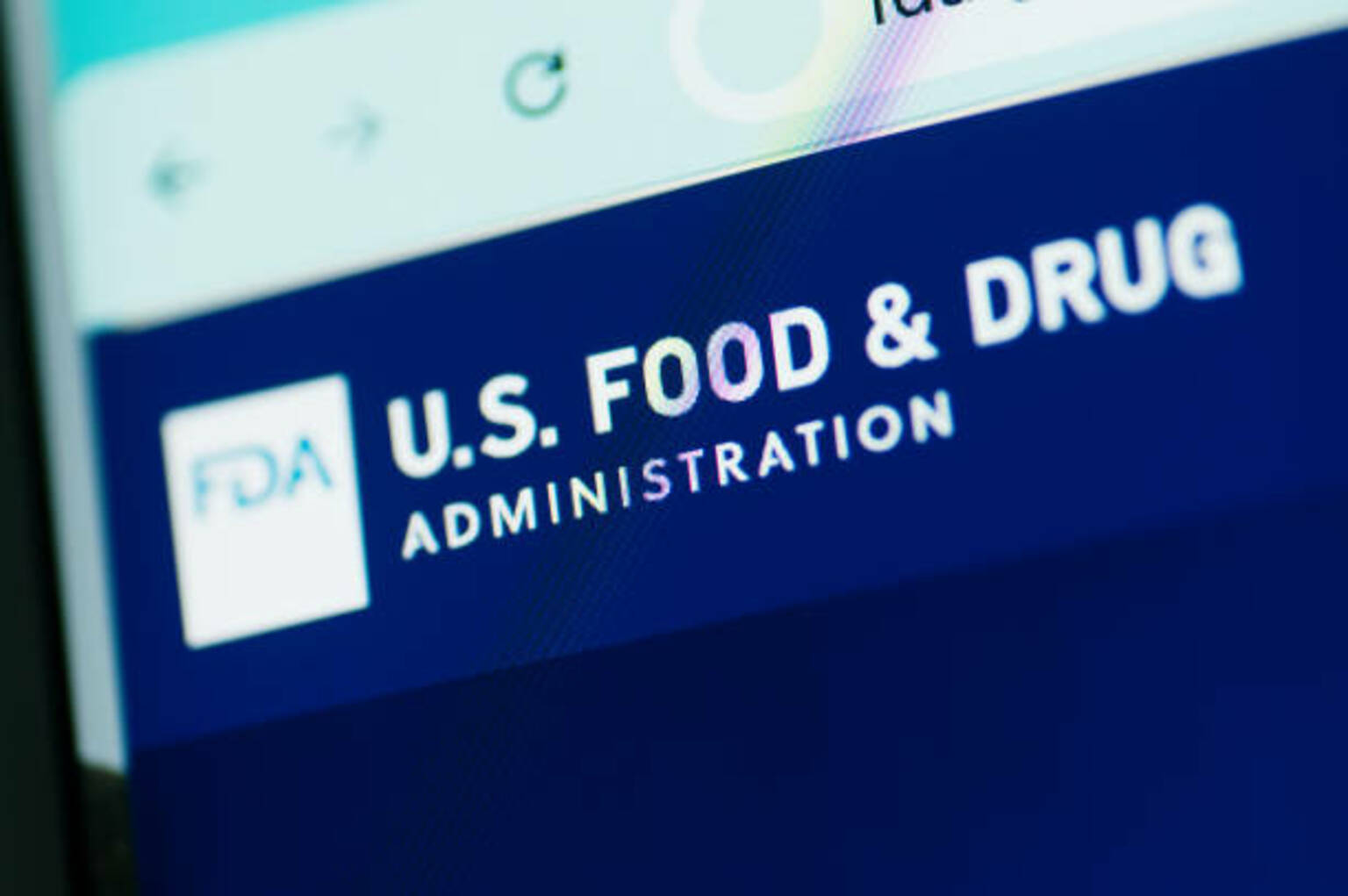
- Regulatory Standards Controversy: Congressman Jake Auchincloss criticized FDA Commissioner Marty Makary for replacing standards of safety and efficacy with fear and favoritism, undermining patient confidence in new therapies and impacting the market launch of innovative drugs.
- Staffing Losses: The FDA has experienced significant staff reductions in its Center for Drug Evaluation and Research, with oncology review staff dropping from about 100 to below 60, which may lead to approval delays and incomplete response letters.
- Decline in Accelerated Approvals: In 2024, the FDA approved 20 drugs through the accelerated approval process, down from 9 the previous year, indicating a direct impact on drug approval efficiency due to the loss of experienced reviewers.
- New Therapy Approval Pathways: The FDA proposed a new system for approving personalized drugs aimed at rare diseases, intending to provide more flexible approval pathways, but this change has sparked widespread controversy, affecting the agency's core mission.
Trade with 70% Backtested Accuracy
Stop guessing "Should I Buy PFE?" and start using high-conviction signals backed by rigorous historical data.
Sign up today to access powerful investing tools and make smarter, data-driven decisions.
Analyst Views on PFE
Wall Street analysts forecast PFE stock price to rise
16 Analyst Rating
5 Buy
11 Hold
0 Sell
Moderate Buy
Current: 27.560

Low
24.00
Averages
28.56
High
35.00
Current: 27.560
Low
24.00
Averages
28.56
High
35.00
About PFE
Pfizer Inc. is a research-based, global biopharmaceutical company. The Company is engaged in the discovery, development, manufacture, marketing, sale and distribution of biopharmaceutical products worldwide. Its Biopharma segment includes the Pfizer U.S. Commercial Division, and the Pfizer International Commercial Division. Its product categories include oncology, primary care and specialty care. Its oncology products include Ibrance, Xtandi, Padcev, Adcetris, Inlyta, Lorbrena, Bosulif, Tukysa, Braftovi, Mektovi, Orgovyx, Elrexfio, Tivdak and Talzenna. Its primary care products include Eliquis, Nurtec ODT/Vydura, Zavzpret, the Prevnar family, Comirnaty, Abrysvo, FSME/IMMUN-TicoVac, Nimenrix, Trumenba, and Paxlovid. Its specialty care products include Xeljanz, Enbrel (outside the United States and Canada), Inflectra, Abrilada, Cibinqo, Litfulo, Eucrisa, Velsipity, the Vyndaqel family, Genotropin, and others. Its PF-08653944 is an ultra-long-acting fully biased GLP-1 receptor agonist.
About the author

Emily J. Thompson
Emily J. Thompson, a Chartered Financial Analyst (CFA) with 12 years in investment research, graduated with honors from the Wharton School. Specializing in industrial and technology stocks, she provides in-depth analysis for Intellectia’s earnings and market brief reports.
FDA Grants Priority Review for Pfizer and Astellas' Padcev with Keytruda for Bladder Cancer


- FDA Priority Review: Pfizer and Astellas announced that the FDA has granted priority review for their marketing application of Padcev in combination with Merck's Keytruda, marking a significant advancement in bladder cancer treatment.
- Indication Expansion: The application aims to expand the use of Padcev with Keytruda to all muscle-invasive bladder cancer patients, not just those ineligible for cisplatin chemotherapy, which is expected to significantly broaden the potential market.
- Clinical Trial Success: This application is based on data from the Phase 3 EV-304 trial, which successfully met its primary endpoint of event-free survival, providing strong support for FDA approval of the therapy.
- Target Action Date: The FDA has set August 17, 2026, as the target action date for the supplemental Biologics License Application, and if approved, it will offer new treatment options for patients, further solidifying Pfizer and Astellas' market position in oncology.
See More

Astellas and Pfizer Submit New Drug Application for PADCEV
- FDA Priority Review: The U.S. FDA has accepted the supplemental Biologics License Application for PADCEV™ (enfortumab vedotin-ejfv) submitted by Astellas and Pfizer, aiming to expand its indication for muscle-invasive bladder cancer (MIBC) patients, which, if approved, would mark the first perioperative treatment not limited by cisplatin eligibility, potentially transforming the standard of care.
- Clinical Trial Data Support: Data from the EV-304 clinical trial indicate that perioperative treatment with enfortumab vedotin and pembrolizumab reduces the risk of tumor recurrence, progression, or death by 47%, and lowers the risk of death by 35%, providing robust evidence for improving MIBC patient outcomes.
- Significant Market Potential: With over 614,000 new bladder cancer cases diagnosed globally each year, of which approximately 30% are MIBC patients, and with 50% facing recurrence despite surgery, the introduction of this new therapy addresses the urgent demand for effective treatment options in the market.
- Deepening Strategic Collaboration: This application aligns with Astellas' investment in an innovation center in the Asia-Pacific region, demonstrating the company's commitment to the MIBC treatment space and aiming to capture growth opportunities in this high-demand market through ongoing R&D investments.
See More

Astellas and Pfizer Seek FDA Priority Review for PADCEV in Bladder Cancer
- FDA Priority Review: Astellas and Pfizer's supplemental Biologics License Application (sBLA) for PADCEV™ (enfortumab vedotin-ejfv) has been accepted for Priority Review by the FDA, aiming to expand its indication for muscle-invasive bladder cancer (MIBC) patients, with a target action date set for August 17, 2026, which could significantly enhance treatment options for patients if approved.
- Clinical Trial Data Support: The EV-304 clinical trial results indicate that the combination of PADCEV and Keytruda® can reduce the risk of tumor recurrence, progression, or death by 47%, with a pathological complete response rate of 55.8% at the time of surgery, highlighting the potential of this combination therapy to improve treatment outcomes.
- Market Demand and Strategic Importance: With over 50% recurrence rates in MIBC patients post-surgery, the successful approval of this therapy will address the urgent market need for effective treatment options, further solidifying Astellas and Pfizer's market position in oncology.
- Global Regulatory Discussions: The outcome of this FDA application will influence Astellas and Pfizer's regulatory strategies globally, with plans to engage in further discussions with other health authorities to advance the international rollout of this therapy.
See More

Pfizer and Amgen Among 22 Firms Expanding in Hong Kong

- Strategic Expansion: Global pharmaceutical giant Pfizer (PFE) and biotech firm Amgen (AMGN) are among 22 companies planning to open or expand offices in Hong Kong, marking the signing of the sixth cohort under the government's investment attraction initiative, which is expected to further boost the city's economic development.
- Industry Diversity: The expansion spans multiple sectors including fintech, cloud computing, and aerial transport, with notable participants such as German firm Boehringer Ingelheim and China's Jiangsu Hengrui Pharmaceuticals, showcasing Hong Kong's appeal as an international business hub.
- Enhancing Medical Research: Financial Secretary Paul Chan Mo-po stated that these enterprises will conduct clinical research, further solidifying Hong Kong's position in international medical research and development, and likely attracting more world-leading life and health technology companies.
- Technological Support: Cloud computing firms like LightSpeed Studios, a global game development studio under Tencent Games, will leverage Tencent Cloud's technology stack for development and global scalability, indicating Hong Kong's potential in technological innovation and global business expansion.
See More

Eli Lilly's GLP-1 Drug Sales Surge

- Significant Sales Growth: Eli Lilly's Mounjaro and Zepbound GLP-1 drugs saw sales increases of 99% and 175% in 2025, respectively, indicating the company's leading position in the rapidly growing weight-loss market, which has driven its stock price up over 1,100% in the past decade.
- Valuation Risks: Despite Eli Lilly's P/E ratio of 39x, significantly above the industry average of 23x and close to its five-year average of 56x, a recent sell-off has made it relatively cheaper; however, the high absolute valuation may still deter potential investors.
- Patent Expiration Risks: With limited patent protection for Mounjaro and Zepbound, the emergence of generics could drastically reduce Eli Lilly's revenues from these GLP-1 drugs, posing a significant threat to its current dominance in the weight-loss category.
- Intensifying Competition: Eli Lilly faces fierce competition in the GLP-1 space from companies like Novo Nordisk and Pfizer, which are also developing similar drugs, potentially impacting Eli Lilly's market share and necessitating close monitoring of its ability to maintain its competitive edge.
See More

Eli Lilly's GLP-1 Drug Sales Surge Amid Competition
- Significant Sales Growth: Eli Lilly's GLP-1 drugs, Mounjaro and Zepbound, experienced sales increases of 99% and 175% respectively in 2025, indicating the company's strong position in the rapidly growing weight-loss market, despite fierce competition.
- Outstanding Stock Performance: Over the past decade, Eli Lilly's stock has surged more than 1,100%, significantly outperforming the S&P 500's 230% increase, reflecting strong investor confidence in its future growth, yet potential risks must be acknowledged.
- Intensifying Competition Risks: With competitors like Novo Nordisk and Pfizer launching new drugs, Eli Lilly's dominance in the GLP-1 market may be threatened, particularly as patents expire and generics could significantly reduce its revenues.
- Acquisition Strategy Adjustment: Eli Lilly is leveraging the profits from its GLP-1 success to acquire companies in other areas, which may present new growth opportunities, but there is also the risk that the new drugs may not meet expectations, necessitating careful evaluation by investors.
See More
FDA Grants Priority Review for Pfizer and Astellas' Padcev with Keytruda for Bladder Cancer
- FDA Priority Review: Pfizer and Astellas announced that the FDA has granted priority review for their marketing application of Padcev in combination with Merck's Keytruda, marking a significant advancement in bladder cancer treatment.
- Indication Expansion: The application aims to expand the use of Padcev with Keytruda to all muscle-invasive bladder cancer patients, not just those ineligible for cisplatin chemotherapy, which is expected to significantly broaden the potential market.
- Clinical Trial Success: This application is based on data from the Phase 3 EV-304 trial, which successfully met its primary endpoint of event-free survival, providing strong support for FDA approval of the therapy.
- Target Action Date: The FDA has set August 17, 2026, as the target action date for the supplemental Biologics License Application, and if approved, it will offer new treatment options for patients, further solidifying Pfizer and Astellas' market position in oncology.
See More
Astellas and Pfizer Submit New Drug Application for PADCEV
- FDA Priority Review: The U.S. FDA has accepted the supplemental Biologics License Application for PADCEV™ (enfortumab vedotin-ejfv) submitted by Astellas and Pfizer, aiming to expand its indication for muscle-invasive bladder cancer (MIBC) patients, which, if approved, would mark the first perioperative treatment not limited by cisplatin eligibility, potentially transforming the standard of care.
- Clinical Trial Data Support: Data from the EV-304 clinical trial indicate that perioperative treatment with enfortumab vedotin and pembrolizumab reduces the risk of tumor recurrence, progression, or death by 47%, and lowers the risk of death by 35%, providing robust evidence for improving MIBC patient outcomes.
- Significant Market Potential: With over 614,000 new bladder cancer cases diagnosed globally each year, of which approximately 30% are MIBC patients, and with 50% facing recurrence despite surgery, the introduction of this new therapy addresses the urgent demand for effective treatment options in the market.
- Deepening Strategic Collaboration: This application aligns with Astellas' investment in an innovation center in the Asia-Pacific region, demonstrating the company's commitment to the MIBC treatment space and aiming to capture growth opportunities in this high-demand market through ongoing R&D investments.
See More
Astellas and Pfizer Seek FDA Priority Review for PADCEV in Bladder Cancer
- FDA Priority Review: Astellas and Pfizer's supplemental Biologics License Application (sBLA) for PADCEV™ (enfortumab vedotin-ejfv) has been accepted for Priority Review by the FDA, aiming to expand its indication for muscle-invasive bladder cancer (MIBC) patients, with a target action date set for August 17, 2026, which could significantly enhance treatment options for patients if approved.
- Clinical Trial Data Support: The EV-304 clinical trial results indicate that the combination of PADCEV and Keytruda® can reduce the risk of tumor recurrence, progression, or death by 47%, with a pathological complete response rate of 55.8% at the time of surgery, highlighting the potential of this combination therapy to improve treatment outcomes.
- Market Demand and Strategic Importance: With over 50% recurrence rates in MIBC patients post-surgery, the successful approval of this therapy will address the urgent market need for effective treatment options, further solidifying Astellas and Pfizer's market position in oncology.
- Global Regulatory Discussions: The outcome of this FDA application will influence Astellas and Pfizer's regulatory strategies globally, with plans to engage in further discussions with other health authorities to advance the international rollout of this therapy.
See More
Pfizer and Amgen Among 22 Firms Expanding in Hong Kong
- Strategic Expansion: Global pharmaceutical giant Pfizer (PFE) and biotech firm Amgen (AMGN) are among 22 companies planning to open or expand offices in Hong Kong, marking the signing of the sixth cohort under the government's investment attraction initiative, which is expected to further boost the city's economic development.
- Industry Diversity: The expansion spans multiple sectors including fintech, cloud computing, and aerial transport, with notable participants such as German firm Boehringer Ingelheim and China's Jiangsu Hengrui Pharmaceuticals, showcasing Hong Kong's appeal as an international business hub.
- Enhancing Medical Research: Financial Secretary Paul Chan Mo-po stated that these enterprises will conduct clinical research, further solidifying Hong Kong's position in international medical research and development, and likely attracting more world-leading life and health technology companies.
- Technological Support: Cloud computing firms like LightSpeed Studios, a global game development studio under Tencent Games, will leverage Tencent Cloud's technology stack for development and global scalability, indicating Hong Kong's potential in technological innovation and global business expansion.
See More
Eli Lilly's GLP-1 Drug Sales Surge
- Significant Sales Growth: Eli Lilly's Mounjaro and Zepbound GLP-1 drugs saw sales increases of 99% and 175% in 2025, respectively, indicating the company's leading position in the rapidly growing weight-loss market, which has driven its stock price up over 1,100% in the past decade.
- Valuation Risks: Despite Eli Lilly's P/E ratio of 39x, significantly above the industry average of 23x and close to its five-year average of 56x, a recent sell-off has made it relatively cheaper; however, the high absolute valuation may still deter potential investors.
- Patent Expiration Risks: With limited patent protection for Mounjaro and Zepbound, the emergence of generics could drastically reduce Eli Lilly's revenues from these GLP-1 drugs, posing a significant threat to its current dominance in the weight-loss category.
- Intensifying Competition: Eli Lilly faces fierce competition in the GLP-1 space from companies like Novo Nordisk and Pfizer, which are also developing similar drugs, potentially impacting Eli Lilly's market share and necessitating close monitoring of its ability to maintain its competitive edge.
See More
Eli Lilly's GLP-1 Drug Sales Surge Amid Competition
- Significant Sales Growth: Eli Lilly's GLP-1 drugs, Mounjaro and Zepbound, experienced sales increases of 99% and 175% respectively in 2025, indicating the company's strong position in the rapidly growing weight-loss market, despite fierce competition.
- Outstanding Stock Performance: Over the past decade, Eli Lilly's stock has surged more than 1,100%, significantly outperforming the S&P 500's 230% increase, reflecting strong investor confidence in its future growth, yet potential risks must be acknowledged.
- Intensifying Competition Risks: With competitors like Novo Nordisk and Pfizer launching new drugs, Eli Lilly's dominance in the GLP-1 market may be threatened, particularly as patents expire and generics could significantly reduce its revenues.
- Acquisition Strategy Adjustment: Eli Lilly is leveraging the profits from its GLP-1 success to acquire companies in other areas, which may present new growth opportunities, but there is also the risk that the new drugs may not meet expectations, necessitating careful evaluation by investors.
See More