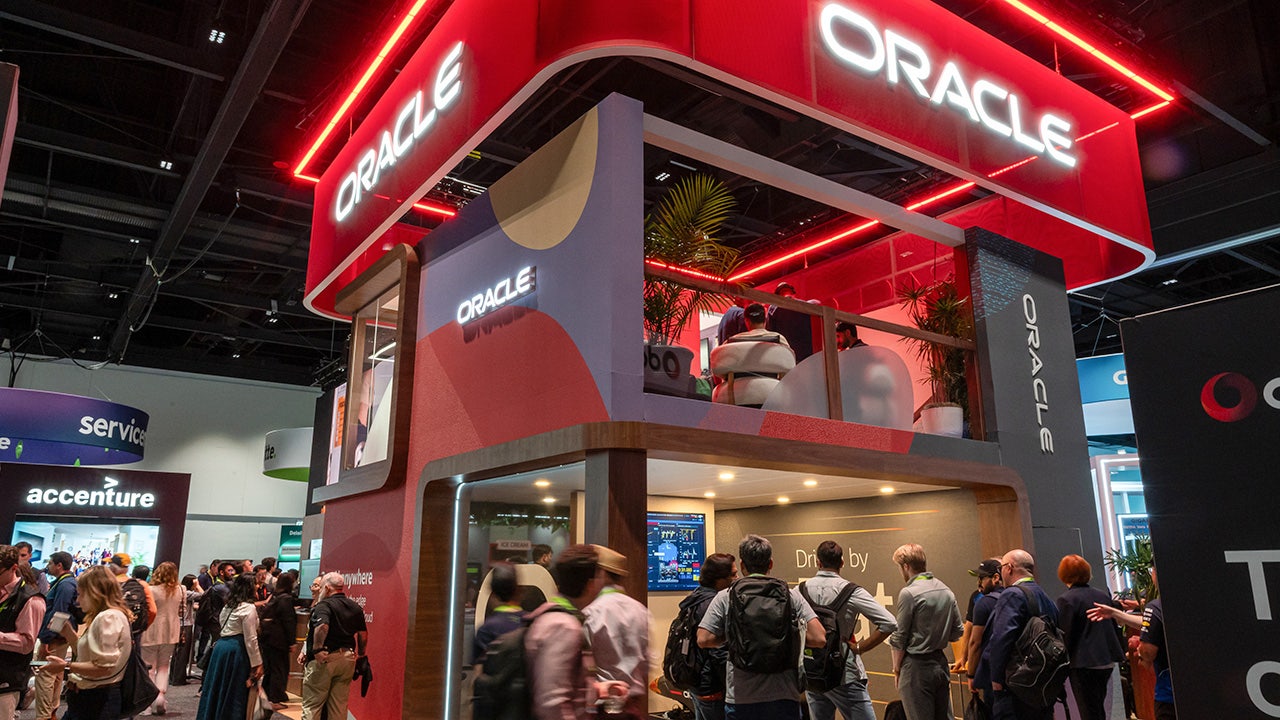
DJT, BIDU among major communication services gainers; AMC, BRAG among losers
Written by Emily J. Thompson, Senior Investment Analyst
Updated: Apr 29 2024
0mins


Should l Buy BIDU?
- Gainers: Phoenix New Media (FENG) up by 13%, Trump Media & Technology Group (DJT) up by 12%, Kuke Music Holding (KUKE) up by 10%, Baidu (BIDU) up by 6%.
- Losers: AMC Entertainment Holdings (AMC) down by 12%, MoneyHero (MNY) down by 12%, Cheetah Mobile (CMCM) down by 7%, Bragg Gaming Group (BRAG) down by 7%, Direct Digital Holdings (DRCT) down by 7%.
- S&P 500 Communication Services sector is down 2.1% at $281.95, Telecommunication Services is up 1.6% at $102.17, Media & Entertainment down 2.5%.
- More insights on Communication Services Select Sector SPDR Fund including potential upside and earnings scorecard.
- Energy, tech, and communications are among the top-rated S&P 500 sectors as Q1 earnings season begins, with Seeking Alpha's Quant Rating on Communication Services Select Sector SPDR Fund.
Trade with 70% Backtested Accuracy
Stop guessing "Should I Buy BIDU?" and start using high-conviction signals backed by rigorous historical data.
Sign up today to access powerful investing tools and make smarter, data-driven decisions.
Analyst Views on BIDU
Wall Street analysts forecast BIDU stock price to rise
13 Analyst Rating
11 Buy
2 Hold
0 Sell
Strong Buy
Current: 111.420

Low
140.00
Averages
170.39
High
215.00
Current: 111.420
Low
140.00
Averages
170.39
High
215.00
About BIDU
Baidu Inc is a Chinese language Internet search provider. The Company operates its businesses through two segments, Baidu Core segment and iQIYI segment. Baidu Core segment mainly provides search-based, feed-based, and other online marketing services, as well as products and services from the Company’s new artificial intelligence (AI) initiatives, such as display advertisement and based on performance criteria other than cost-per-click, cloud services, smart devices and services, non-marketing consumer-facing services such as membership, and intelligent driving. iQIYI segment produces, aggregates and distributes a wide variety of professionally produced content, as well as a broad spectrum of other video content, in a variety of formats, including a variety of products and services encompassing online video, online games, online literature, comics and others.
About the author

Emily J. Thompson
Emily J. Thompson, a Chartered Financial Analyst (CFA) with 12 years in investment research, graduated with honors from the Wharton School. Specializing in industrial and technology stocks, she provides in-depth analysis for Intellectia’s earnings and market brief reports.
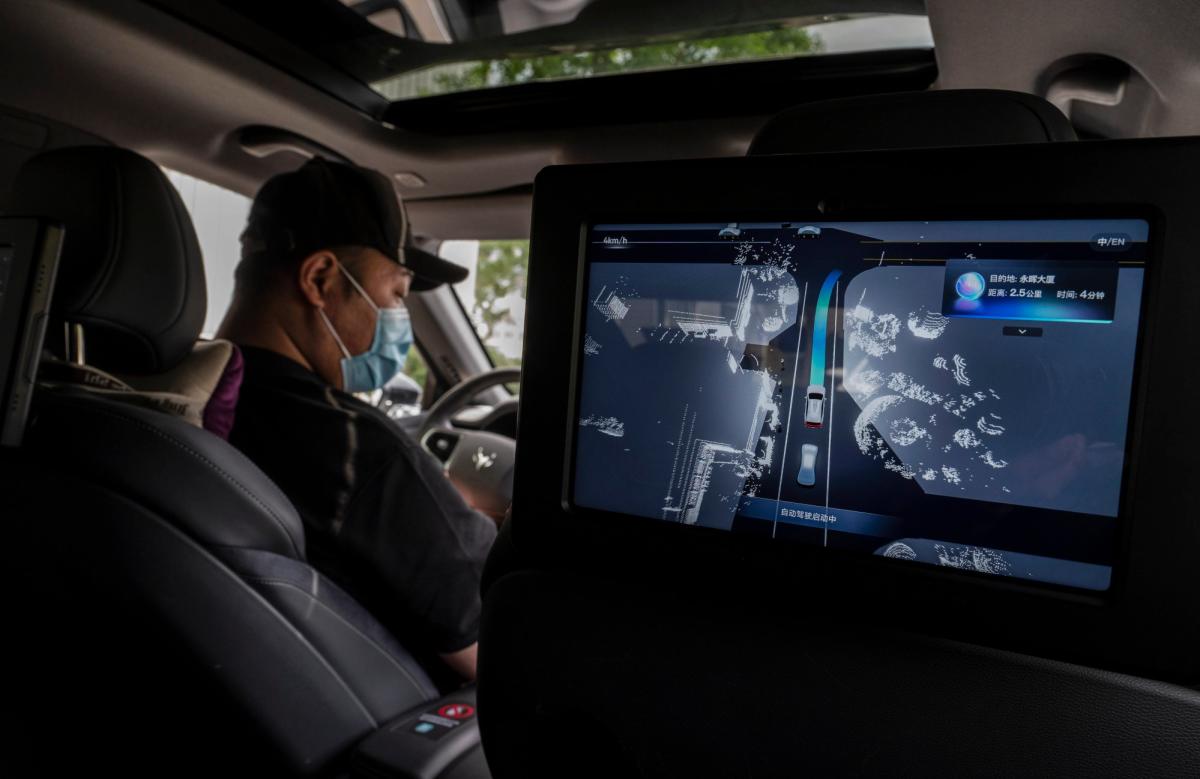
Apollo Go Launches Fully Driverless Ride-Hailing Service in Dubai
- International App Deployment: Apollo Go has launched its first international app in Dubai, marking a significant step in its global expansion with plans to deploy over 1,000 autonomous vehicles in the coming years, enhancing the company's competitive edge in the global market.
- Local Partnership Advantage: The collaboration with Dubai Taxi Company (DTC) leverages local operational expertise, strengthening Apollo Go's service capabilities in Dubai and ensuring the smooth implementation of driverless ride-hailing services, aligning with Dubai's vision for smart transportation.
- Regulatory Milestone: Apollo Go received Dubai's first-ever driverless testing permit in January 2026, marking a major advancement in the legalization of autonomous ride-hailing services and further solidifying Dubai's position as a hub for autonomous mobility innovation.
- Global Operational Data: As of February 2026, Apollo Go has completed over 20 million rides worldwide, with weekly ride volumes exceeding 300,000 during Q4 2025, demonstrating strong growth momentum and an outstanding safety record in the autonomous driving sector.
See More

Baidu's Apollo Go Robotaxi Experiences System Glitch
- System Glitch Incident: Baidu's Apollo Go robotaxis suddenly halted during rides in Wuhan, leaving passengers stranded, with initial reports indicating a system glitch; although no injuries occurred, the incident has drawn local authorities' attention and may shake public confidence in driverless technology.
- Significant Scale Impact: As one of China's largest robotaxi networks with hundreds of vehicles in operation, any issues with Apollo Go quickly gain visibility, highlighting the complexities of deploying autonomous driving technology in real-world scenarios.
- Industry-Wide Challenges: This incident is not unique to Baidu, as similar situations have occurred across the autonomous driving sector, underscoring the challenges faced by self-driving systems in navigating complex driving environments, which may lead to investor caution regarding the technology.
- Public Confidence Test: While passengers were able to exit safely, such incidents can undermine public trust in robotaxi services, especially as consumers are still adapting to this emerging mode of transportation, potentially affecting future market adoption and user acceptance.
See More

Baidu's Apollo Go Robotaxis Malfunction in Wuhan

- System Malfunction Incident: Baidu's Apollo Go robotaxis stalled in traffic in Wuhan due to system malfunctions, leading to at least one highway collision, highlighting the potential risks of autonomous driving technology in real-world applications.
- Passenger Safety Assurance: Although passengers were safely evacuated from the stalled vehicles, this incident may undermine public trust in the safety of autonomous driving, raising concerns about emergency response capabilities.
- Intensifying Market Competition: With over 1,000 driverless taxis deployed in Wuhan, Apollo Go faces increasing competition from rivals like WeRide and Pony.AI, which could threaten its market share in the rapidly evolving autonomous vehicle sector.
- International Expansion and Partnerships: Operating in 26 cities globally, Apollo Go has formed partnerships with international giants like Uber and Lyft; however, this incident may impact its reputation and future expansion plans in international markets.
See More
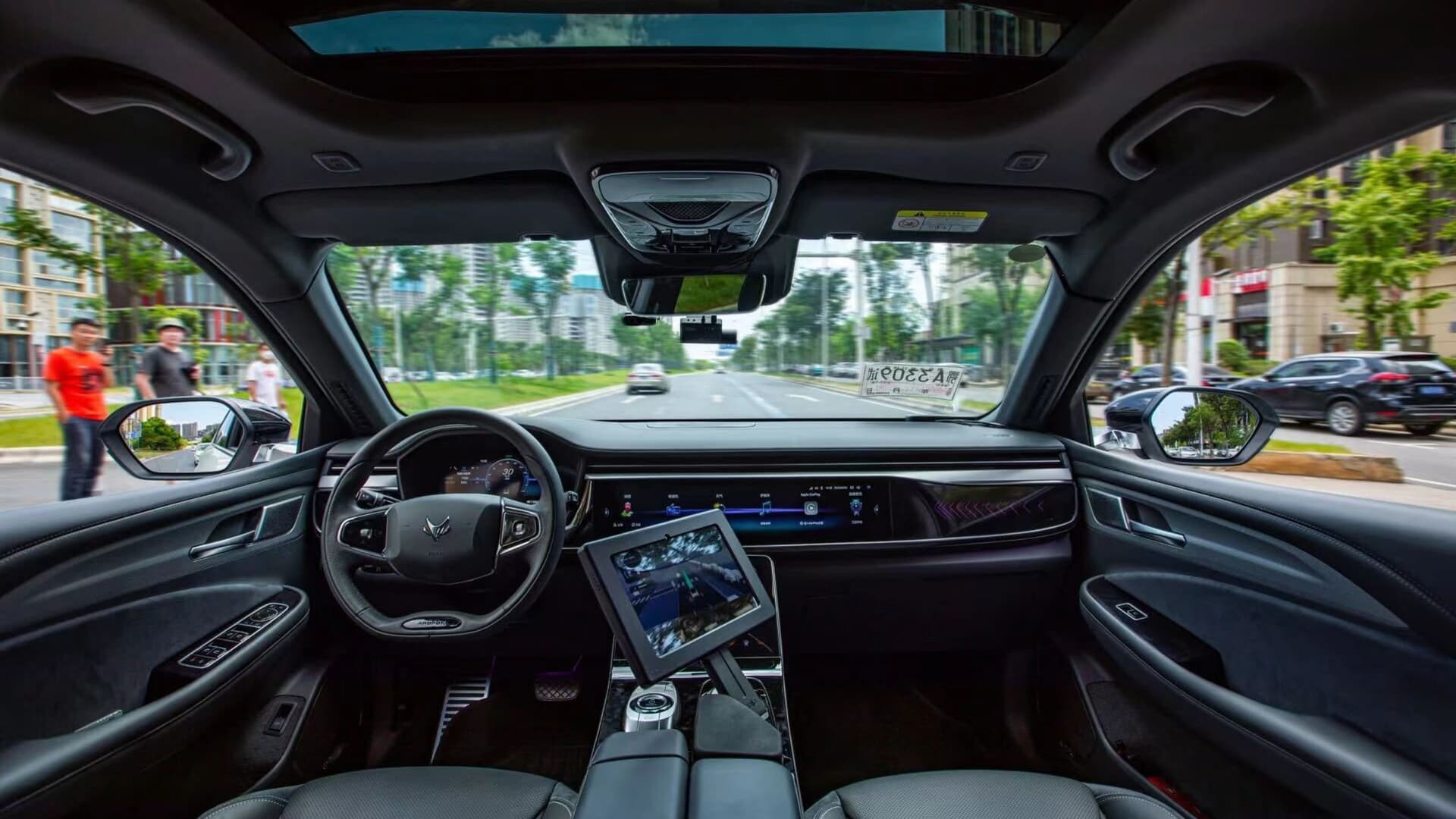
Baidu's Apollo Go Faces System Malfunction Incident
- System Malfunction Incident: In Wuhan, Baidu's Apollo Go robotaxis stalled mid-traffic due to system malfunctions, trapping passengers and causing multiple traffic collisions, highlighting the potential risks of autonomous driving technology in real-world applications.
- Passenger Safety Assurance: Despite the malfunction, local traffic police confirmed that passengers safely exited the vehicles, indicating emergency response capabilities during crises, yet the incident remains under investigation, potentially affecting public trust in driverless technology.
- Competitive Market Pressure: With over 1,000 vehicles deployed in China, Apollo Go faces fierce competition from rivals like WeRide and Pony.AI, which could impact its market share and future investment attractiveness.
- International Expansion Challenges: Although Apollo Go is testing in multiple international cities and partnering with Uber and Lyft, this incident may negatively affect its reputation in overseas markets, particularly for its autonomous services in Abu Dhabi and Dubai.
See More
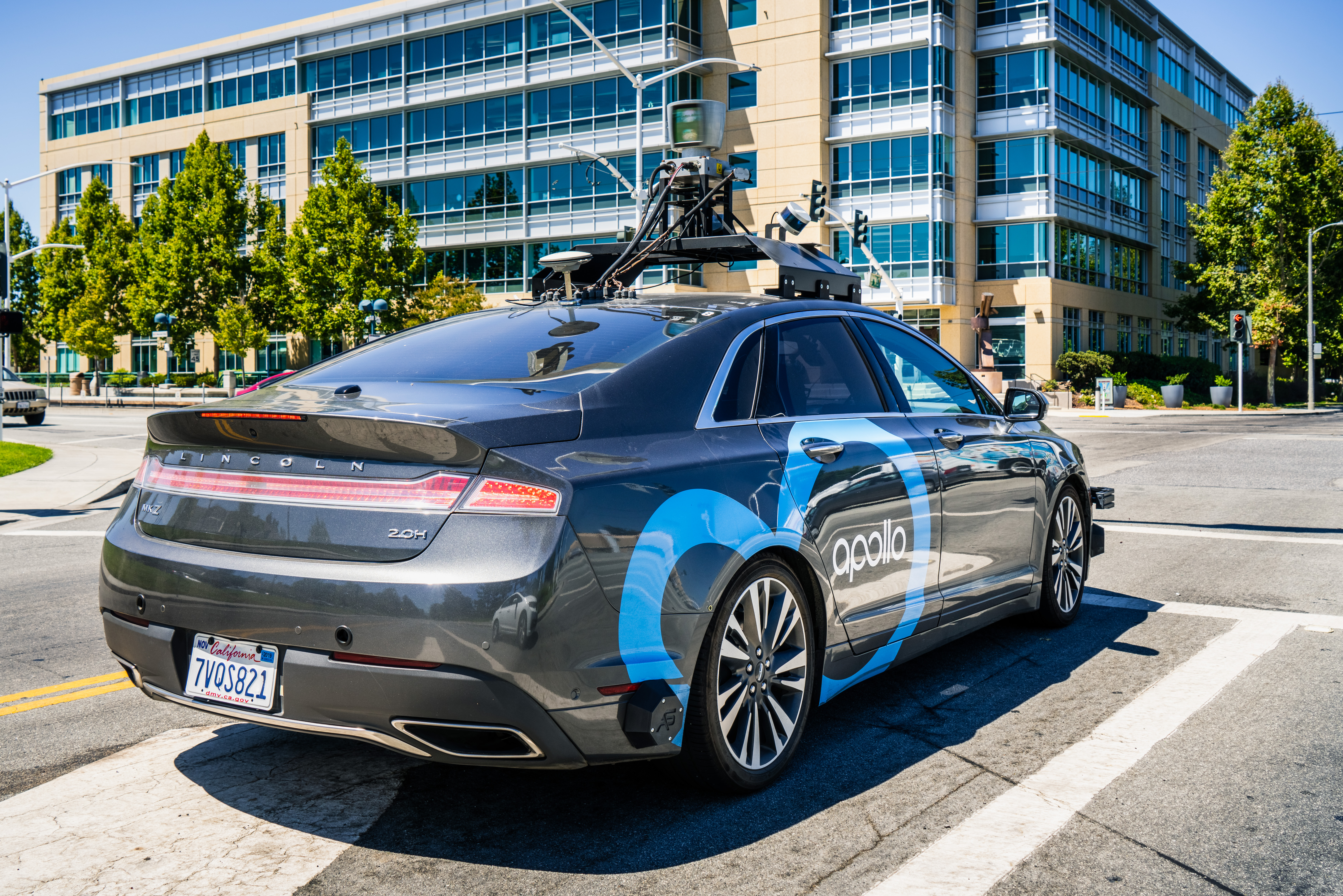
Baidu's Robotaxi Disruption in Wuhan Raises Concerns
- Robotaxi Incident: In Wuhan, Baidu's Apollo Go robotaxis unexpectedly halted mid-ride, stranding passengers due to a preliminary system fault, raising significant concerns about the reliability of autonomous vehicles despite no reported injuries.
- Police Response: Local authorities received multiple reports of robotaxis stuck in traffic, and they collaborated with Baidu staff to ensure passenger safety, highlighting the importance of public safety in autonomous vehicle operations.
- Increased Regulatory Scrutiny: Although rare, this incident is likely to lead to heightened scrutiny of the autonomous vehicle sector as driverless services expand, particularly regarding safety and reliability standards.
- Market Impact and Comparisons: This disruption echoes a similar incident last year involving Alphabet's Waymo robotaxis in San Francisco, which may affect investor confidence in autonomous technology, especially amid growing interest in Baidu's AI initiatives and future prospects.
See More
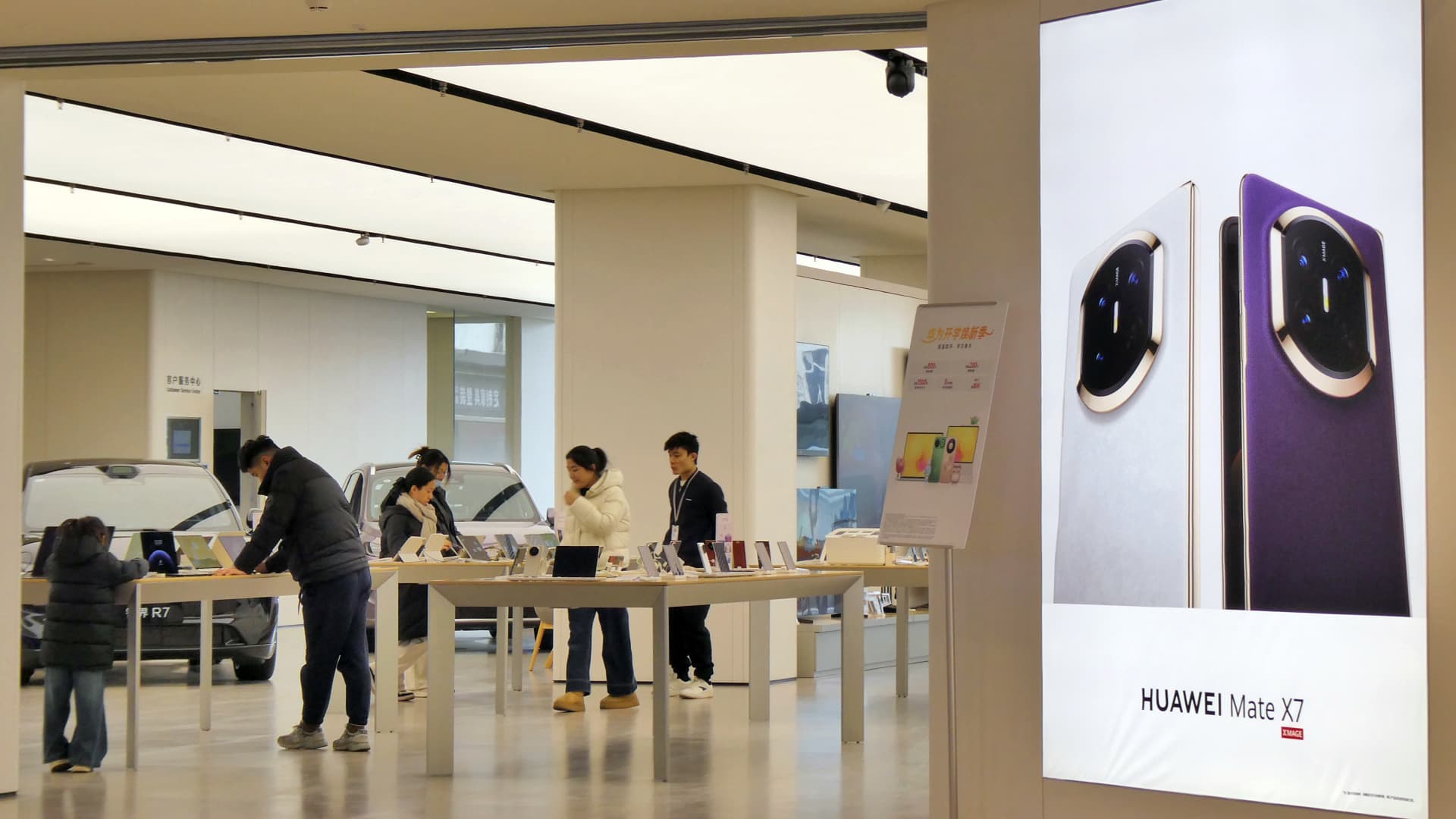
Huawei's Cloud Revenue Declines Amid AI Chip Development Challenges


- Cloud Revenue Decline: Huawei's cloud revenue from external customers fell by 3.5% to 32.16 billion yuan ($4.6 billion) in 2025, indicating significant competitive pressure, particularly from companies like ByteDance, amid global cloud service market expansion.
- Overall Revenue Growth Weakness: While Huawei's total cloud revenue, including internal customers, rose by 4.8% to 72.8 billion yuan, the main ICT infrastructure segment's growth slowed to 2.6% from 4.9% in 2024, reflecting insufficient market acceptance of its self-developed Ascend AI chip solutions.
- Consumer Business Slowdown: Huawei's consumer business revenue grew only 1.6% to 344.47 billion yuan in 2025, a stark contrast to the 38.3% growth in 2024, highlighting the ongoing impact of U.S. sanctions and a sluggish Chinese consumer market.
- Innovative R&D Investment: Huawei invested a record 192.3 billion yuan in R&D in 2025, accounting for 21.8% of total revenue, demonstrating the company's commitment to technological innovation despite challenges, aiming to maintain a competitive edge in future markets.
See More
Apollo Go Launches Fully Driverless Ride-Hailing Service in Dubai
- International App Deployment: Apollo Go has launched its first international app in Dubai, marking a significant step in its global expansion with plans to deploy over 1,000 autonomous vehicles in the coming years, enhancing the company's competitive edge in the global market.
- Local Partnership Advantage: The collaboration with Dubai Taxi Company (DTC) leverages local operational expertise, strengthening Apollo Go's service capabilities in Dubai and ensuring the smooth implementation of driverless ride-hailing services, aligning with Dubai's vision for smart transportation.
- Regulatory Milestone: Apollo Go received Dubai's first-ever driverless testing permit in January 2026, marking a major advancement in the legalization of autonomous ride-hailing services and further solidifying Dubai's position as a hub for autonomous mobility innovation.
- Global Operational Data: As of February 2026, Apollo Go has completed over 20 million rides worldwide, with weekly ride volumes exceeding 300,000 during Q4 2025, demonstrating strong growth momentum and an outstanding safety record in the autonomous driving sector.
See More
Baidu's Apollo Go Robotaxi Experiences System Glitch
- System Glitch Incident: Baidu's Apollo Go robotaxis suddenly halted during rides in Wuhan, leaving passengers stranded, with initial reports indicating a system glitch; although no injuries occurred, the incident has drawn local authorities' attention and may shake public confidence in driverless technology.
- Significant Scale Impact: As one of China's largest robotaxi networks with hundreds of vehicles in operation, any issues with Apollo Go quickly gain visibility, highlighting the complexities of deploying autonomous driving technology in real-world scenarios.
- Industry-Wide Challenges: This incident is not unique to Baidu, as similar situations have occurred across the autonomous driving sector, underscoring the challenges faced by self-driving systems in navigating complex driving environments, which may lead to investor caution regarding the technology.
- Public Confidence Test: While passengers were able to exit safely, such incidents can undermine public trust in robotaxi services, especially as consumers are still adapting to this emerging mode of transportation, potentially affecting future market adoption and user acceptance.
See More
Baidu's Apollo Go Robotaxis Malfunction in Wuhan
- System Malfunction Incident: Baidu's Apollo Go robotaxis stalled in traffic in Wuhan due to system malfunctions, leading to at least one highway collision, highlighting the potential risks of autonomous driving technology in real-world applications.
- Passenger Safety Assurance: Although passengers were safely evacuated from the stalled vehicles, this incident may undermine public trust in the safety of autonomous driving, raising concerns about emergency response capabilities.
- Intensifying Market Competition: With over 1,000 driverless taxis deployed in Wuhan, Apollo Go faces increasing competition from rivals like WeRide and Pony.AI, which could threaten its market share in the rapidly evolving autonomous vehicle sector.
- International Expansion and Partnerships: Operating in 26 cities globally, Apollo Go has formed partnerships with international giants like Uber and Lyft; however, this incident may impact its reputation and future expansion plans in international markets.
See More
Baidu's Apollo Go Faces System Malfunction Incident
- System Malfunction Incident: In Wuhan, Baidu's Apollo Go robotaxis stalled mid-traffic due to system malfunctions, trapping passengers and causing multiple traffic collisions, highlighting the potential risks of autonomous driving technology in real-world applications.
- Passenger Safety Assurance: Despite the malfunction, local traffic police confirmed that passengers safely exited the vehicles, indicating emergency response capabilities during crises, yet the incident remains under investigation, potentially affecting public trust in driverless technology.
- Competitive Market Pressure: With over 1,000 vehicles deployed in China, Apollo Go faces fierce competition from rivals like WeRide and Pony.AI, which could impact its market share and future investment attractiveness.
- International Expansion Challenges: Although Apollo Go is testing in multiple international cities and partnering with Uber and Lyft, this incident may negatively affect its reputation in overseas markets, particularly for its autonomous services in Abu Dhabi and Dubai.
See More
Baidu's Robotaxi Disruption in Wuhan Raises Concerns
- Robotaxi Incident: In Wuhan, Baidu's Apollo Go robotaxis unexpectedly halted mid-ride, stranding passengers due to a preliminary system fault, raising significant concerns about the reliability of autonomous vehicles despite no reported injuries.
- Police Response: Local authorities received multiple reports of robotaxis stuck in traffic, and they collaborated with Baidu staff to ensure passenger safety, highlighting the importance of public safety in autonomous vehicle operations.
- Increased Regulatory Scrutiny: Although rare, this incident is likely to lead to heightened scrutiny of the autonomous vehicle sector as driverless services expand, particularly regarding safety and reliability standards.
- Market Impact and Comparisons: This disruption echoes a similar incident last year involving Alphabet's Waymo robotaxis in San Francisco, which may affect investor confidence in autonomous technology, especially amid growing interest in Baidu's AI initiatives and future prospects.
See More
Huawei's Cloud Revenue Declines Amid AI Chip Development Challenges
- Cloud Revenue Decline: Huawei's cloud revenue from external customers fell by 3.5% to 32.16 billion yuan ($4.6 billion) in 2025, indicating significant competitive pressure, particularly from companies like ByteDance, amid global cloud service market expansion.
- Overall Revenue Growth Weakness: While Huawei's total cloud revenue, including internal customers, rose by 4.8% to 72.8 billion yuan, the main ICT infrastructure segment's growth slowed to 2.6% from 4.9% in 2024, reflecting insufficient market acceptance of its self-developed Ascend AI chip solutions.
- Consumer Business Slowdown: Huawei's consumer business revenue grew only 1.6% to 344.47 billion yuan in 2025, a stark contrast to the 38.3% growth in 2024, highlighting the ongoing impact of U.S. sanctions and a sluggish Chinese consumer market.
- Innovative R&D Investment: Huawei invested a record 192.3 billion yuan in R&D in 2025, accounting for 21.8% of total revenue, demonstrating the company's commitment to technological innovation despite challenges, aiming to maintain a competitive edge in future markets.
See More