Dividend Stocks Surge Amid Market Volatility, Outperforming S&P 500
Written by Emily J. Thompson, Senior Investment Analyst
Updated: Mar 02 2026
0mins


Source: CNBC
- Dividend Stocks Performance: In 2026, dividend aristocrats are outperforming the broader market, with the ProShares S&P 500 Dividend Aristocrats ETF up 10% year-to-date compared to less than 1% for the S&P 500, reflecting investors' preference for stable income amid market volatility.
- Coca-Cola Dividend Increase: Coca-Cola announced a 4% increase in its quarterly dividend to 53 cents per share in February, marking its 64th consecutive year of dividend growth, and returned $8.8 billion to shareholders last year, demonstrating strong cash flow and market stability.
- NextEra Energy's Growth Plans: NextEra Energy raised its quarterly dividend by 10% to about 62 cents per share and plans for 10% annual dividend growth through 2026, with ambitions to add 30 gigawatts of new generation capacity by 2035, showcasing its commitment to renewable energy.
- Abbott Laboratories' Sustained Growth: Abbott announced a 6.8% dividend increase to 63 cents per share in December, achieving 54 consecutive years of growth, and despite missing fourth-quarter revenue expectations, its dividend growth of over 70% reflects strong profitability and market confidence.
Trade with 70% Backtested Accuracy
Stop guessing "Should I Buy KO?" and start using high-conviction signals backed by rigorous historical data.
Sign up today to access powerful investing tools and make smarter, data-driven decisions.
Analyst Views on KO
Wall Street analysts forecast KO stock price to rise
14 Analyst Rating
13 Buy
1 Hold
0 Sell
Strong Buy
Current: 75.740

Low
71.00
Averages
79.33
High
85.00
Current: 75.740
Low
71.00
Averages
79.33
High
85.00
About KO
The Coca-Cola Company is a beverage company. The Company's segments include Europe, Middle East and Africa (EMEA); Latin America; North America; Asia Pacific, and Bottling Investments. It sells multiple brands across several beverage categories worldwide. Its portfolio of sparkling soft drink brands includes Coca-Cola, Sprite and Fanta. Its water, sports, coffee and tea brands include Dasani, smartwater, vitaminwater, Topo Chico, BODYARMOR, Powerade, Costa, Georgia, Fuze Tea, Gold Peak and Ayataka. Its juice, value-added dairy and plant-based beverage brands include Minute Maid, Simply, innocent, Del Valle, fairlife and Santa Clara. It operates in two lines of business: concentrate operations and finished product operations. Its concentrate operations sell beverage concentrates, syrups, including fountain syrups, and certain finished beverages to authorized bottling operations. Its finished product operations sell sparkling soft drinks and a variety of other finished beverages.
About the author

Emily J. Thompson
Emily J. Thompson, a Chartered Financial Analyst (CFA) with 12 years in investment research, graduated with honors from the Wharton School. Specializing in industrial and technology stocks, she provides in-depth analysis for Intellectia’s earnings and market brief reports.
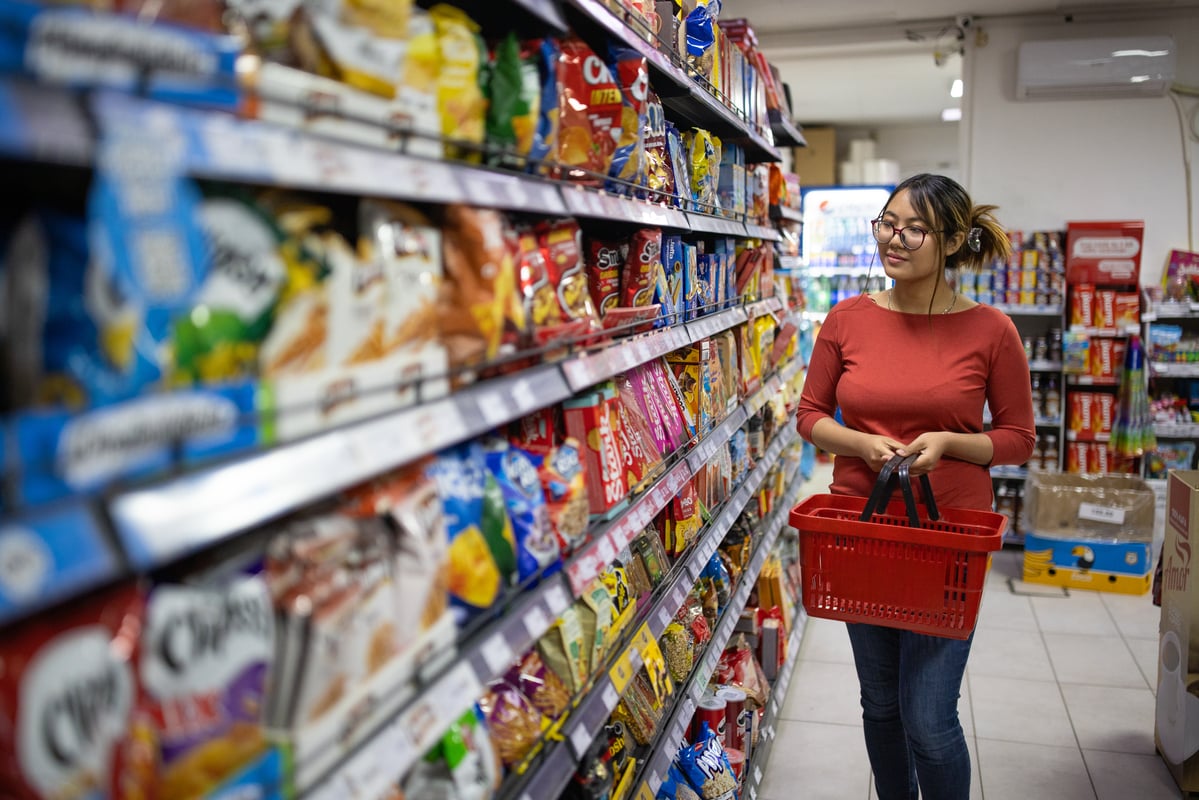
Consumer Staples Stocks Offer Steady Returns Amid Market Rally

- Coca-Cola Competitor: PepsiCo reported first-quarter 2026 revenue of $19.4 billion, an 8.5% increase, with operating profit rising 24% to $3.2 billion, demonstrating strong performance in both beverage and snack markets, despite its stock price lagging behind the S&P 500.
- Dividend Growth: With a dividend yield of 3.5%, PepsiCo's management confirmed a 4% increase in June, marking 54 consecutive years of dividend hikes, reflecting the company's commitment to shareholder returns.
- Household Brand Leader: Procter & Gamble achieved $1.3 billion in sales for 2025, a 15% increase, and projects a 13% growth for 2026, indicating strong demand in the essential goods market, even as its stock price remains stagnant.
- Dividend Stability: Procter & Gamble has raised its dividend for 70 consecutive years, currently yielding just below 3%, and announced a 3% increase on April 14, showcasing its ability to provide stable returns to shareholders amid economic fluctuations.
See More

Stability of Consumer Staples Stocks Amid Market Rally
- Coca-Cola Competition: PepsiCo competes fiercely with Coca-Cola in the beverage market, with 58% of its 2025 net revenue coming from snack brands, demonstrating the strong market demand for its diversified product portfolio.
- Strong Financial Performance: PepsiCo's Q1 2026 revenue rose 8.5% to $19.4 billion, while operating profit surged 24% to $3.2 billion, showcasing the company's resilience and profitability amid economic fluctuations.
- Dividend Growth: PepsiCo announced a 4% increase in its dividend in June, marking its 54th consecutive year of dividend increases, reflecting the company's commitment to returning value to shareholders.
- Essential Products Demand: Procter & Gamble reported $1.3 billion in sales for 2025, a 15% increase, with projections for 2026 indicating a 13% growth, highlighting its stability and sustained market demand even during economic downturns.
See More

Consumer Staples Companies Resilient to Market Volatility

- Coca-Cola's Global Reach: Coca-Cola boasts over 200 beverage varieties consumed at 2.2 billion servings daily, with a stellar adjusted operating margin of 31.2% supporting its 64 consecutive years of dividend growth, showcasing strong brand power and profitability, although its total return of 123% over the past decade lags behind the S&P 500's 300%.
- Costco's Steady Growth: With 924 locations worldwide, Costco's low prices and membership model enable it to achieve consistent same-store sales growth amid economic fluctuations, delivering a total return of 182% over the past five years, significantly outperforming the S&P 500, despite a high P/E ratio of 51.5 indicating strong market favor.
- Procter & Gamble's Resilience: Procter & Gamble's essential products like laundry detergent and toothpaste maintain steady demand during downturns, with only a 3.3% revenue dip during the 2009 recession and consistent quarterly growth during the pandemic, highlighted by 136 years of uninterrupted dividends and a total return of 127% over the past decade.
- Walmart's Market Dominance: Walmart generated $706 billion in net sales for fiscal 2026 with 10,900 stores globally, achieving a 4.5% same-store sales increase and 53 years of dividend growth, demonstrating strong competitive strength in recessions, although its current P/E of 45.7 suggests a high valuation.
See More

Global Beverage Giant's Stable Performance
- Coca-Cola's Profitability: Coca-Cola achieved an adjusted operating margin of 31.2% in fiscal 2025, enabling the company to increase dividends for 64 consecutive years, demonstrating its strong resilience during economic downturns.
- Costco's Market Performance: Costco's total return of 182% over the past five years significantly outperformed the S&P 500, although its current P/E ratio of 51.5 indicates that investors are optimistic about its future growth potential.
- Procter & Gamble's Stable Demand: Procter & Gamble experienced only a 3.3% revenue dip during the 2009 recession and reported growth in every quarter during the pandemic in 2020 and 2021, highlighting the essential nature of its products in any economic climate.
- Walmart's Sales Growth: Walmart generated $706 billion in net sales in fiscal 2026 with 10,900 stores worldwide, and despite a P/E ratio of 45.7, its stock price surged 167% over the past five years, reflecting strong market performance.
See More
Coca-Cola: A Steady Investment Choice
- Market Volatility: As of March 30, the S&P 500 index was down 7% year-to-date, reflecting the impact of economic uncertainty, Middle East conflicts, and AI disruption, although it rebounded nearly 7% in the first two weeks of April, investors must remain cautious about future risks.
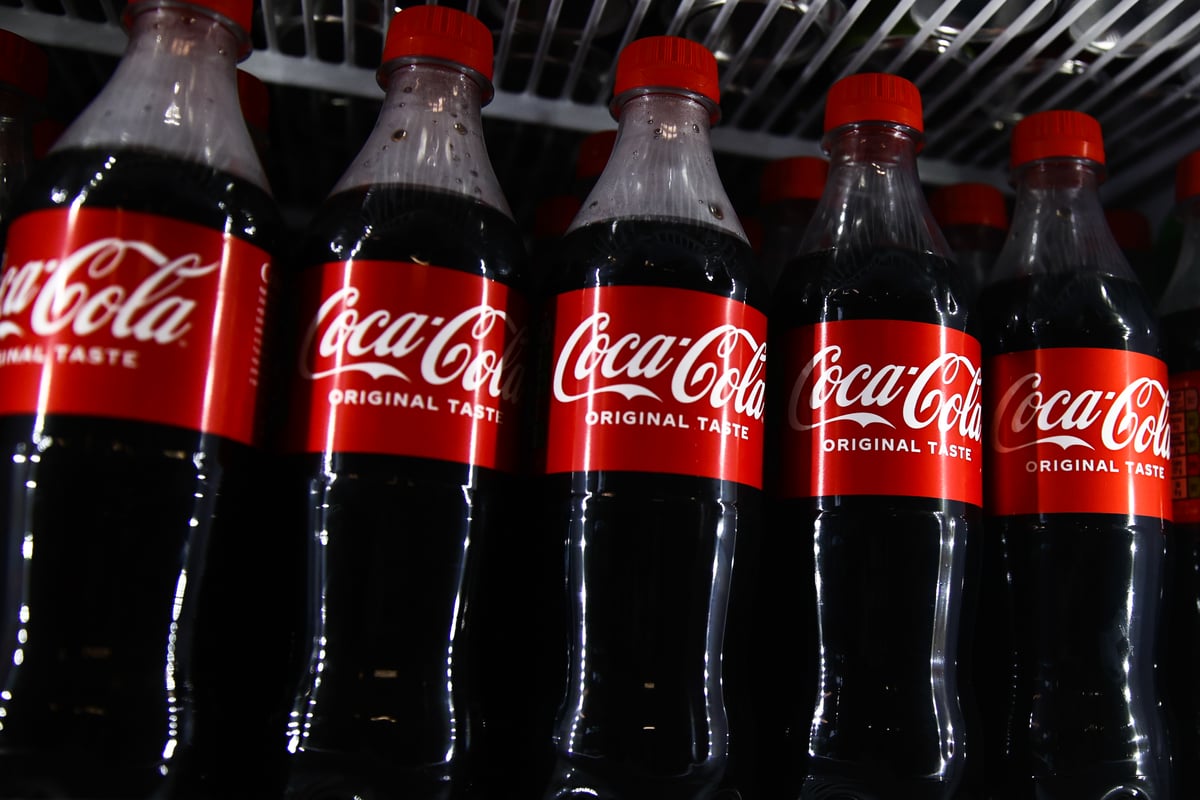
- Coca-Cola's Stability: With a five-year average net profit margin of 27% and a dividend that has increased for 64 consecutive years, Coca-Cola demonstrates strong profitability and stable cash flow, making it an ideal choice for risk-averse investors.
- Brand Advantage: Coca-Cola's powerful brand and wide economic moat ensure its leading position in the competitive beverage market, allowing investors to remain unconcerned about macroeconomic changes affecting its business.
- Investment Return Comparison: Despite Coca-Cola's total return of 127% over the past decade, it significantly lags behind the S&P 500 index's 297% total return, indicating that its future returns may not exceed market averages, appealing primarily to those seeking stability.
See More

Coca-Cola: A Stable Investment Choice
- Stable Profitability: Coca-Cola boasts a trailing five-year average net profit margin of 27%, indicating the stability and profitability of its business model, making it an ideal choice for investors during economic uncertainty.
- Consistent Dividend Growth: The company has increased its dividend for 64 consecutive years, demonstrating strong cash flow and financial health, which attracts risk-averse investors seeking stable income.
- Brand Advantage: Coca-Cola's strong brand influence and extensive market coverage create a significant economic moat, ensuring its leading position in the competitive beverage market.
- Market Performance Comparison: Despite Coca-Cola's total return of 127% over the past decade, it significantly lags behind the S&P 500 index's 297%, suggesting that its future returns may not outperform the market average.
See More
Consumer Staples Stocks Offer Steady Returns Amid Market Rally
- Coca-Cola Competitor: PepsiCo reported first-quarter 2026 revenue of $19.4 billion, an 8.5% increase, with operating profit rising 24% to $3.2 billion, demonstrating strong performance in both beverage and snack markets, despite its stock price lagging behind the S&P 500.
- Dividend Growth: With a dividend yield of 3.5%, PepsiCo's management confirmed a 4% increase in June, marking 54 consecutive years of dividend hikes, reflecting the company's commitment to shareholder returns.
- Household Brand Leader: Procter & Gamble achieved $1.3 billion in sales for 2025, a 15% increase, and projects a 13% growth for 2026, indicating strong demand in the essential goods market, even as its stock price remains stagnant.
- Dividend Stability: Procter & Gamble has raised its dividend for 70 consecutive years, currently yielding just below 3%, and announced a 3% increase on April 14, showcasing its ability to provide stable returns to shareholders amid economic fluctuations.
See More
Stability of Consumer Staples Stocks Amid Market Rally
- Coca-Cola Competition: PepsiCo competes fiercely with Coca-Cola in the beverage market, with 58% of its 2025 net revenue coming from snack brands, demonstrating the strong market demand for its diversified product portfolio.
- Strong Financial Performance: PepsiCo's Q1 2026 revenue rose 8.5% to $19.4 billion, while operating profit surged 24% to $3.2 billion, showcasing the company's resilience and profitability amid economic fluctuations.
- Dividend Growth: PepsiCo announced a 4% increase in its dividend in June, marking its 54th consecutive year of dividend increases, reflecting the company's commitment to returning value to shareholders.
- Essential Products Demand: Procter & Gamble reported $1.3 billion in sales for 2025, a 15% increase, with projections for 2026 indicating a 13% growth, highlighting its stability and sustained market demand even during economic downturns.
See More
Consumer Staples Companies Resilient to Market Volatility
- Coca-Cola's Global Reach: Coca-Cola boasts over 200 beverage varieties consumed at 2.2 billion servings daily, with a stellar adjusted operating margin of 31.2% supporting its 64 consecutive years of dividend growth, showcasing strong brand power and profitability, although its total return of 123% over the past decade lags behind the S&P 500's 300%.
- Costco's Steady Growth: With 924 locations worldwide, Costco's low prices and membership model enable it to achieve consistent same-store sales growth amid economic fluctuations, delivering a total return of 182% over the past five years, significantly outperforming the S&P 500, despite a high P/E ratio of 51.5 indicating strong market favor.
- Procter & Gamble's Resilience: Procter & Gamble's essential products like laundry detergent and toothpaste maintain steady demand during downturns, with only a 3.3% revenue dip during the 2009 recession and consistent quarterly growth during the pandemic, highlighted by 136 years of uninterrupted dividends and a total return of 127% over the past decade.
- Walmart's Market Dominance: Walmart generated $706 billion in net sales for fiscal 2026 with 10,900 stores globally, achieving a 4.5% same-store sales increase and 53 years of dividend growth, demonstrating strong competitive strength in recessions, although its current P/E of 45.7 suggests a high valuation.
See More
Global Beverage Giant's Stable Performance
- Coca-Cola's Profitability: Coca-Cola achieved an adjusted operating margin of 31.2% in fiscal 2025, enabling the company to increase dividends for 64 consecutive years, demonstrating its strong resilience during economic downturns.
- Costco's Market Performance: Costco's total return of 182% over the past five years significantly outperformed the S&P 500, although its current P/E ratio of 51.5 indicates that investors are optimistic about its future growth potential.
- Procter & Gamble's Stable Demand: Procter & Gamble experienced only a 3.3% revenue dip during the 2009 recession and reported growth in every quarter during the pandemic in 2020 and 2021, highlighting the essential nature of its products in any economic climate.
- Walmart's Sales Growth: Walmart generated $706 billion in net sales in fiscal 2026 with 10,900 stores worldwide, and despite a P/E ratio of 45.7, its stock price surged 167% over the past five years, reflecting strong market performance.
See More
Coca-Cola: A Steady Investment Choice
- Market Volatility: As of March 30, the S&P 500 index was down 7% year-to-date, reflecting the impact of economic uncertainty, Middle East conflicts, and AI disruption, although it rebounded nearly 7% in the first two weeks of April, investors must remain cautious about future risks.
- Coca-Cola's Stability: With a five-year average net profit margin of 27% and a dividend that has increased for 64 consecutive years, Coca-Cola demonstrates strong profitability and stable cash flow, making it an ideal choice for risk-averse investors.
- Brand Advantage: Coca-Cola's powerful brand and wide economic moat ensure its leading position in the competitive beverage market, allowing investors to remain unconcerned about macroeconomic changes affecting its business.
- Investment Return Comparison: Despite Coca-Cola's total return of 127% over the past decade, it significantly lags behind the S&P 500 index's 297% total return, indicating that its future returns may not exceed market averages, appealing primarily to those seeking stability.
See More
Coca-Cola: A Stable Investment Choice
- Stable Profitability: Coca-Cola boasts a trailing five-year average net profit margin of 27%, indicating the stability and profitability of its business model, making it an ideal choice for investors during economic uncertainty.
- Consistent Dividend Growth: The company has increased its dividend for 64 consecutive years, demonstrating strong cash flow and financial health, which attracts risk-averse investors seeking stable income.
- Brand Advantage: Coca-Cola's strong brand influence and extensive market coverage create a significant economic moat, ensuring its leading position in the competitive beverage market.
- Market Performance Comparison: Despite Coca-Cola's total return of 127% over the past decade, it significantly lags behind the S&P 500 index's 297%, suggesting that its future returns may not outperform the market average.
See More