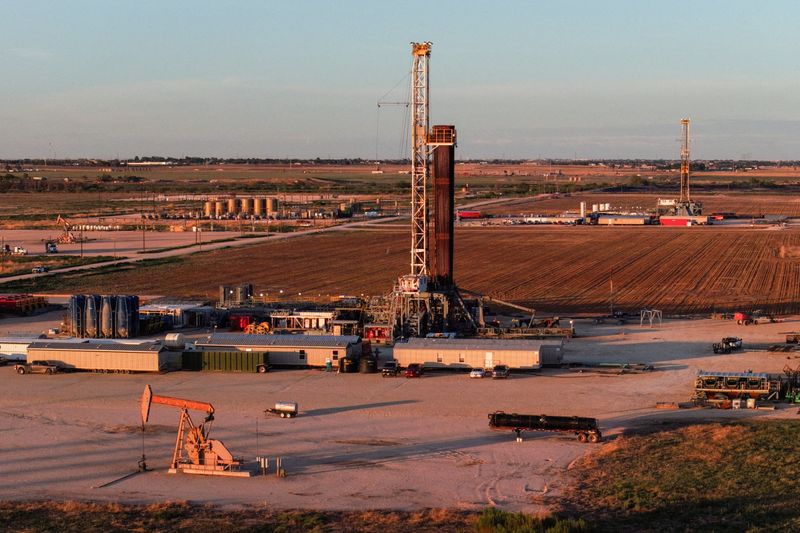
Data Center Construction Sparks Political Anxiety in Pennsylvania
Written by Emily J. Thompson, Senior Investment Analyst
Updated: Apr 24 2026
0mins


Should l Buy AMZN?
Source: CNBC
- Massive Investment: Amazon's $20 billion investment in AI-driven data centers in Pennsylvania is causing political turmoil in key districts, potentially impacting control of the U.S. House.
- Intense District Competition: The four congressional districts in eastern Pennsylvania are considered swing areas, where Democratic Governor Josh Shapiro's expansion plans may pressure incumbent Republicans, especially ahead of the upcoming elections.
- Growing Public Opposition: The opposition to data center construction is intensifying, particularly in the Lehigh Valley, where residents express concerns about rising electricity costs and environmental impacts, forming a bipartisan coalition against the projects.
- Election Impact from Rising Costs: Pennsylvania's electricity rates surged by 21.7% in 2025, and the associated costs linked to data centers could burden Republican incumbents in elections, forcing them to navigate between supporting data centers and addressing constituents' concerns.
Trade with 70% Backtested Accuracy
Stop guessing "Should I Buy AMZN?" and start using high-conviction signals backed by rigorous historical data.
Sign up today to access powerful investing tools and make smarter, data-driven decisions.
Analyst Views on AMZN
Wall Street analysts forecast AMZN stock price to rise
44 Analyst Rating
41 Buy
3 Hold
0 Sell
Strong Buy
Current: 271.170

Low
175.00
Averages
280.01
High
325.00
Current: 271.170
Low
175.00
Averages
280.01
High
325.00
About AMZN
Amazon.com, Inc. provides a range of products and services to customers. The products offered through its stores include merchandise and content it has purchased for resale and products offered by third-party sellers. The Company’s segments include North America, International and Amazon Web Services (AWS). It serves consumers through its online and physical stores and focuses on selection, price, and convenience. Customers access its offerings through its websites, mobile apps, Alexa, devices, streaming, and physically visiting its stores. It also manufactures and sells electronic devices, including Kindle, Fire tablet, Fire TV, Echo, Ring, Blink, and eero, and develops and produces media content. It serves developers and enterprises of all sizes, including start-ups, government agencies, and academic institutions, through AWS, which offers a set of on-demand technology services, including compute, storage, database, analytics, and machine learning, and other services.
About the author

Emily J. Thompson
Emily J. Thompson, a Chartered Financial Analyst (CFA) with 12 years in investment research, graduated with honors from the Wharton School. Specializing in industrial and technology stocks, she provides in-depth analysis for Intellectia’s earnings and market brief reports.

Amazon Forecasts $200 Billion Capital Expenditure in 2026 Focused on AI

- Capital Expenditure Plan: Amazon forecasts approximately $200 billion in capital expenditures for 2026, with a significant portion allocated to artificial intelligence, indicating the company's commitment to future technology investments.
- AI Investment Strategy: By focusing funds on AI, Amazon aims to enhance operational efficiency and customer experience, thereby maintaining its competitive edge and further solidifying its market share in a rapidly evolving landscape.
- Market Reaction Expectations: This capital expenditure forecast could positively impact Amazon's stock price, as investors may increase their holdings due to the company's confidence in future growth prospects.
- Long-Term Growth Potential: Amazon's investment reflects not only a response to current market trends but also a strategic positioning for long-term technological innovation, suggesting potential business expansion and revenue growth in the future.
See More

Analyzing Investment Opportunities in REITs

- REIT Performance Analysis: In recent years, REITs have generally underperformed compared to non-dividend stocks, primarily due to the interest rate environment and pandemic effects; however, long-term investors may now consider adding solid REITs to their portfolios for stable income and market-beating returns.
- Impact of Interest Rates: A low interest rate environment benefits REITs as it lowers borrowing costs and increases commercial property values, which is expected to drive REIT prices up and yield significant total returns over the next 5 to 10 years.
- Top REIT Recommendations: Realty Income Corporation owns over 15,000 single-tenant properties and has averaged a 13.6% total return annually since its 1994 listing, with a current dividend yield of 5.2%, showcasing its potential for consistent income growth.
- Industry Leaders: Prologis, one of the largest real estate owners globally, boasts over 1.3 billion square feet of leasable industrial space with a yield of about 3%; Equinix, the largest data center REIT, benefits from the rapid growth of AI infrastructure, presenting significant growth potential despite a lower yield of around 2%.
See More

Market Update: Stocks Set for Higher Open Amid Positive Economic Signals


- Positive Employment Report: The April employment report in the U.S. exceeded expectations, albeit not overly strong, leading to optimism for a higher open in the stock market, which may boost investor risk appetite and confidence in economic recovery.
- CoreWeave's Weak Forecast: CoreWeave's second-quarter revenue forecast fell short of expectations, causing its stock to drop over 7%, highlighting the competitive pressures in the AI compute market as operating expenses rise faster than revenue growth.
- Nike Downgrade: Wells Fargo downgraded Nike from buy to hold, reducing the price target from $55 to $45 due to increased competition in the athletic apparel market and slower-than-expected turnaround progress, which could impact future performance.
- Cloudflare Layoff Announcement: Cloudflare announced layoffs of 1,100 employees, or 20% of its workforce, and expects to incur significant charges as it transitions to an AI-first model, with implementation expected to be largely completed by the third quarter, potentially affecting operational efficiency in the short term.
See More

Anthropic's Mythos Model Triggers Cybersecurity Alarm


- Surge in Cybersecurity Risks: Anthropic's new model, Mythos, has uncovered thousands of software vulnerabilities, prompting global banks and tech giants like Apple and Amazon to swiftly implement measures to mitigate potential cyberattack risks, highlighting the escalating threat of AI in cybercrime.
- Government Oversight Considerations: The release of Mythos has raised concerns over AI models, leading the Trump administration to contemplate increased regulation of future models, which could impact innovation and development directions in the AI industry, particularly in cybersecurity.
- Vulnerability Detection Capabilities: While Mythos's capabilities have garnered widespread attention, cybersecurity experts note that existing models, including earlier versions from OpenAI, can also identify similar vulnerabilities, indicating that AI's application in cybersecurity is not new and has intensified industry panic.
- Offensive-Defensive Imbalance: Although companies like Anthropic and OpenAI are developing cybersecurity defense tools, researchers argue that the current advantage lies with attackers rather than defenders, resulting in heightened risks for financial institutions and a lag in the speed of vulnerability remediation compared to the frequency of attacks.
See More

Amazon Data Center Sparks Community Concerns
- Community Opposition: Residents in the northern outskirts of Santiago, Chile, are strongly opposing the construction of an Amazon data center, fearing it will destroy vital green spaces and negatively impact their quality of life.
- Environmental Review Outcome: Despite residents' efforts to block the project, environmental authorities ruled in early April that the data center could proceed, indicating that concerns about the necessary high-voltage power line would be assessed separately, raising questions about environmental oversight.
- Investment Plans and Commitments: Amazon Web Services (AWS) plans to invest over $4 billion in Chile over the next 15 years to build and maintain infrastructure, signaling its intent to expand in Latin America, even amid community and environmental pushback.
- Long-term Impact Assessment: The data center is expected to operate for 30 years in northern Santiago, with residents worried that its construction could dramatically alter their daily lives, potentially leading to increased resource consumption and environmental degradation, highlighting the need for a balance between attracting investment and protecting the environment.
See More

AI Models Reveal New Cybersecurity Threats
- Surge in Vulnerabilities: Anthropic's Mythos model has uncovered thousands of software vulnerabilities, yet companies still take days or weeks to patch them, leaving systems exposed and highlighting a significant gap in defensive capabilities.
- Offensive Advantage: While companies like Anthropic and OpenAI are working on cyber defense capabilities, researchers emphasize that the current advantage lies with attackers, particularly as AI accelerates the speed at which vulnerabilities are discovered, increasing the risk of cybercrime.
- Heightened Industry Panic: Financial institutions and governments are scrambling in response to the release of Mythos, fearing that AI-driven cyberattacks could lead to larger-scale financial damages, especially within critical infrastructures like schools and hospitals.
- Innovation and Inequality: The limited release of Mythos has given select companies a head start in patching vulnerabilities, but it has also created a disparity in cybersecurity innovation, restricting the development of broader solutions across the industry.
See More
Amazon Forecasts $200 Billion Capital Expenditure in 2026 Focused on AI
- Capital Expenditure Plan: Amazon forecasts approximately $200 billion in capital expenditures for 2026, with a significant portion allocated to artificial intelligence, indicating the company's commitment to future technology investments.
- AI Investment Strategy: By focusing funds on AI, Amazon aims to enhance operational efficiency and customer experience, thereby maintaining its competitive edge and further solidifying its market share in a rapidly evolving landscape.
- Market Reaction Expectations: This capital expenditure forecast could positively impact Amazon's stock price, as investors may increase their holdings due to the company's confidence in future growth prospects.
- Long-Term Growth Potential: Amazon's investment reflects not only a response to current market trends but also a strategic positioning for long-term technological innovation, suggesting potential business expansion and revenue growth in the future.
See More
Analyzing Investment Opportunities in REITs
- REIT Performance Analysis: In recent years, REITs have generally underperformed compared to non-dividend stocks, primarily due to the interest rate environment and pandemic effects; however, long-term investors may now consider adding solid REITs to their portfolios for stable income and market-beating returns.
- Impact of Interest Rates: A low interest rate environment benefits REITs as it lowers borrowing costs and increases commercial property values, which is expected to drive REIT prices up and yield significant total returns over the next 5 to 10 years.
- Top REIT Recommendations: Realty Income Corporation owns over 15,000 single-tenant properties and has averaged a 13.6% total return annually since its 1994 listing, with a current dividend yield of 5.2%, showcasing its potential for consistent income growth.
- Industry Leaders: Prologis, one of the largest real estate owners globally, boasts over 1.3 billion square feet of leasable industrial space with a yield of about 3%; Equinix, the largest data center REIT, benefits from the rapid growth of AI infrastructure, presenting significant growth potential despite a lower yield of around 2%.
See More
Market Update: Stocks Set for Higher Open Amid Positive Economic Signals
- Positive Employment Report: The April employment report in the U.S. exceeded expectations, albeit not overly strong, leading to optimism for a higher open in the stock market, which may boost investor risk appetite and confidence in economic recovery.
- CoreWeave's Weak Forecast: CoreWeave's second-quarter revenue forecast fell short of expectations, causing its stock to drop over 7%, highlighting the competitive pressures in the AI compute market as operating expenses rise faster than revenue growth.
- Nike Downgrade: Wells Fargo downgraded Nike from buy to hold, reducing the price target from $55 to $45 due to increased competition in the athletic apparel market and slower-than-expected turnaround progress, which could impact future performance.
- Cloudflare Layoff Announcement: Cloudflare announced layoffs of 1,100 employees, or 20% of its workforce, and expects to incur significant charges as it transitions to an AI-first model, with implementation expected to be largely completed by the third quarter, potentially affecting operational efficiency in the short term.
See More
Anthropic's Mythos Model Triggers Cybersecurity Alarm
- Surge in Cybersecurity Risks: Anthropic's new model, Mythos, has uncovered thousands of software vulnerabilities, prompting global banks and tech giants like Apple and Amazon to swiftly implement measures to mitigate potential cyberattack risks, highlighting the escalating threat of AI in cybercrime.
- Government Oversight Considerations: The release of Mythos has raised concerns over AI models, leading the Trump administration to contemplate increased regulation of future models, which could impact innovation and development directions in the AI industry, particularly in cybersecurity.
- Vulnerability Detection Capabilities: While Mythos's capabilities have garnered widespread attention, cybersecurity experts note that existing models, including earlier versions from OpenAI, can also identify similar vulnerabilities, indicating that AI's application in cybersecurity is not new and has intensified industry panic.
- Offensive-Defensive Imbalance: Although companies like Anthropic and OpenAI are developing cybersecurity defense tools, researchers argue that the current advantage lies with attackers rather than defenders, resulting in heightened risks for financial institutions and a lag in the speed of vulnerability remediation compared to the frequency of attacks.
See More
Amazon Data Center Sparks Community Concerns
- Community Opposition: Residents in the northern outskirts of Santiago, Chile, are strongly opposing the construction of an Amazon data center, fearing it will destroy vital green spaces and negatively impact their quality of life.
- Environmental Review Outcome: Despite residents' efforts to block the project, environmental authorities ruled in early April that the data center could proceed, indicating that concerns about the necessary high-voltage power line would be assessed separately, raising questions about environmental oversight.
- Investment Plans and Commitments: Amazon Web Services (AWS) plans to invest over $4 billion in Chile over the next 15 years to build and maintain infrastructure, signaling its intent to expand in Latin America, even amid community and environmental pushback.
- Long-term Impact Assessment: The data center is expected to operate for 30 years in northern Santiago, with residents worried that its construction could dramatically alter their daily lives, potentially leading to increased resource consumption and environmental degradation, highlighting the need for a balance between attracting investment and protecting the environment.
See More
AI Models Reveal New Cybersecurity Threats
- Surge in Vulnerabilities: Anthropic's Mythos model has uncovered thousands of software vulnerabilities, yet companies still take days or weeks to patch them, leaving systems exposed and highlighting a significant gap in defensive capabilities.
- Offensive Advantage: While companies like Anthropic and OpenAI are working on cyber defense capabilities, researchers emphasize that the current advantage lies with attackers, particularly as AI accelerates the speed at which vulnerabilities are discovered, increasing the risk of cybercrime.
- Heightened Industry Panic: Financial institutions and governments are scrambling in response to the release of Mythos, fearing that AI-driven cyberattacks could lead to larger-scale financial damages, especially within critical infrastructures like schools and hospitals.
- Innovation and Inequality: The limited release of Mythos has given select companies a head start in patching vulnerabilities, but it has also created a disparity in cybersecurity innovation, restricting the development of broader solutions across the industry.
See More