Coterra Energy to Announce Q4 Earnings on February 26
Written by Emily J. Thompson, Senior Investment Analyst
Updated: Feb 25 2026
0mins
Should l Buy CTRA?
Source: seekingalpha
- Earnings Announcement Schedule: Coterra Energy is set to release its Q4 2023 earnings on February 26 after market close, with consensus EPS estimates at $0.47, reflecting a 4.1% year-over-year decline, while revenue estimates stand at $1.89 billion, indicating a 35% year-over-year increase.
- Historical Performance Review: Over the past two years, Coterra has exceeded EPS estimates 50% of the time and revenue estimates 63% of the time, demonstrating a degree of stability in its financial performance.
- Expectation Revision Dynamics: In the last three months, EPS estimates have seen three upward revisions and 18 downward revisions, while revenue estimates have experienced three upward and five downward revisions, indicating market uncertainty regarding the company's future performance.
- M&A Context: The merger between Coterra Energy and Devon Energy, valued at $58 billion, represents a significant step in market consolidation, which could have profound implications for their future financial performance and market positioning.
Trade with 70% Backtested Accuracy
Stop guessing "Should I Buy CTRA?" and start using high-conviction signals backed by rigorous historical data.
Sign up today to access powerful investing tools and make smarter, data-driven decisions.
Analyst Views on CTRA
Wall Street analysts forecast CTRA stock price to rise
12 Analyst Rating
10 Buy
2 Hold
0 Sell
Strong Buy
Current: 31.180

Low
28.00
Averages
33.90
High
50.00
Current: 31.180
Low
28.00
Averages
33.90
High
50.00
About CTRA
Coterra Energy Inc. is an exploration and production company based in Houston, Texas with focused operations in the Permian Basin, Marcellus Shale and Anadarko Basin. The Company is engaged in the development, exploration and production of oil, natural gas and natural gas liquids exclusively within the continental United States. Its Permian Basin operation consists of approximately 345,000 net acres. Its development activities are primarily focused on the Wolfcamp Shale and the Bone Spring formation in Culberson and Reeves Counties in Texas and Lea and Eddy Counties in New Mexico. Its Marcellus Shale operation includes properties that are principally located in Susquehanna County, Pennsylvania, where it holds approximately 186,000 net acres in the dry gas window of the Marcellus Shale. Its Anadarko Basin operation holds around 182,000 net acres that are located in Oklahoma. Its development activities are primarily focused on both the Woodford Shale and the Meramec formations.
About the author

Emily J. Thompson
Emily J. Thompson, a Chartered Financial Analyst (CFA) with 12 years in investment research, graduated with honors from the Wharton School. Specializing in industrial and technology stocks, she provides in-depth analysis for Intellectia’s earnings and market brief reports.

Occidental and Other Oil Stocks Decline: Implications of a G-7 Reserve Release.


- Oil Stocks Decline: Oil stocks experienced a decline early Tuesday as investors reacted to the ongoing situation in Iran.
- Investor Sentiment: There is a prevailing hope among investors for a quick resolution to the Iran war, which has been influencing crude oil prices.
- Crude Price Impact: The conflict has led to a significant increase in crude prices over the past week and a half.
- Market Reactions: The fluctuations in oil stocks reflect broader market concerns regarding geopolitical tensions and their economic implications.
See More

COTERRA ENERGY INC: UBS Increases Price Target from $33 to $38

- Company Update: Coterra Energy Inc. has raised its target price for shares.
- New Target Price: The new target price is set at $38, an increase from the previous $33.
See More

Jim Cramer's Investment Advice Amid Middle East Tensions


- Selective Investment Strategy: Jim Cramer advises investors to be selective following the U.S.-Israeli conflict with Iran, noting that while stocks initially sold off, there is no need for a full portfolio overhaul, particularly as the long-term narrative around artificial intelligence remains intact.
- Healthcare Sector Opportunities: Cramer recommends investing in the healthcare sector, asserting it will remain insulated from economic fallout, and initiated a position in Cardinal Health on Monday morning, which plays a crucial role in healthcare distribution and is pursuing growth through acquisitions.
- Reducing Oil Exposure: Cramer highlights that the market reaction creates opportunities to lighten oil positions, suggesting a 50% reduction in holdings due to inflated valuations from rising oil prices, drawing on historical patterns where such stocks tend to decline after initial spikes.
- Cautious on Consumer Staples: While Procter & Gamble is typically viewed as a classic defensive stock, Cramer expresses caution, indicating that rising oil prices could squeeze consumer spending, potentially impacting the performance of such stocks.
See More

Stock Movers: Chevron, Norwegian, Delta, Lockheed, RTX, Berkshire Hathaway, and Others


- Market Reaction: Stock futures experienced a significant decline on Monday.
- Global Impact: The ongoing conflict in the Middle East is causing turbulence in global markets.
See More
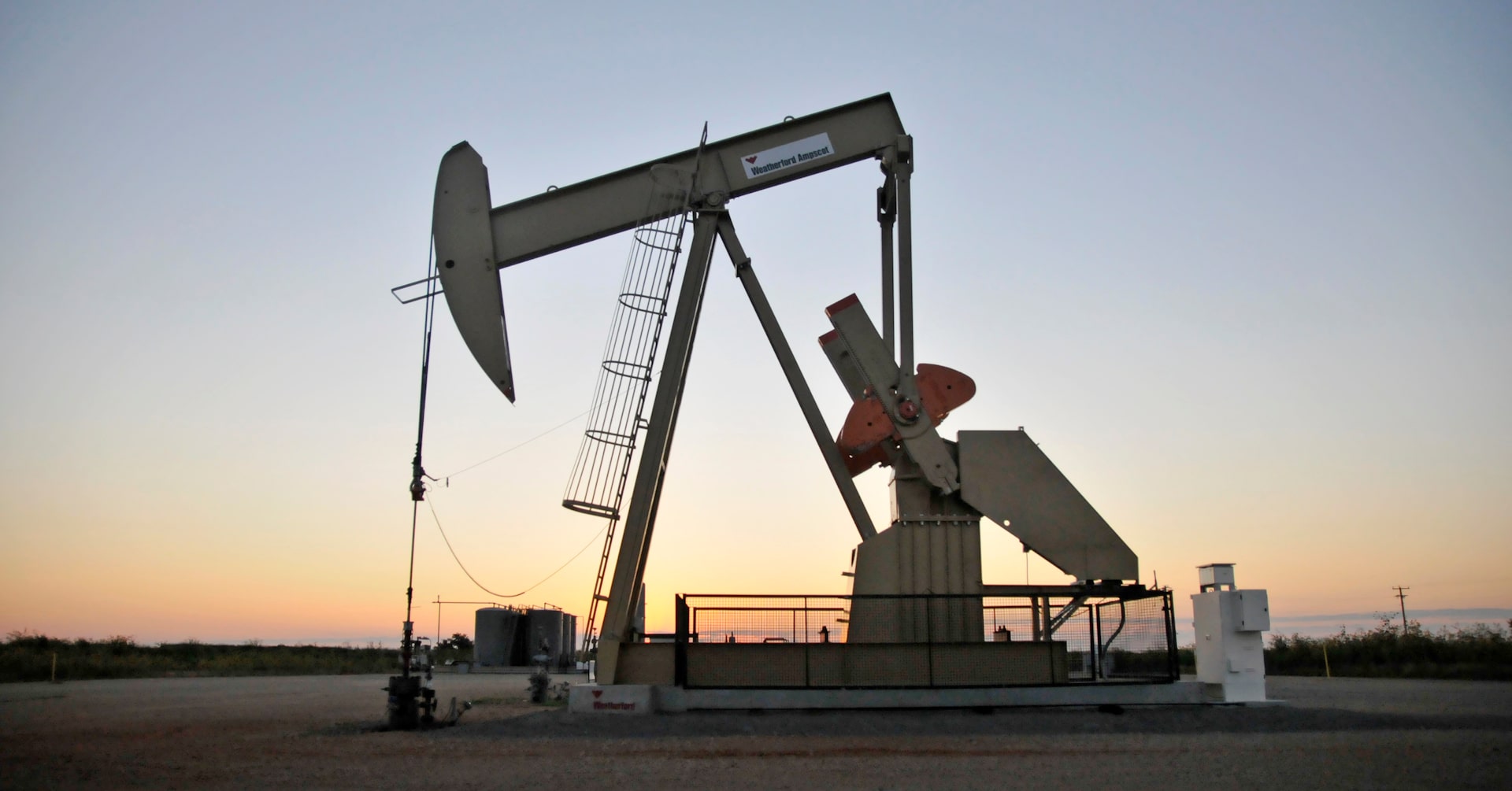
Devon Energy Acquires Coterra Energy in Strategic Merger

- Merger Details: Coterra shareholders will receive 0.7 shares of Devon Energy for each Coterra share, resulting in Devon owning 54% of the combined entity, which underscores Devon's dominant market position.
- Production Boost: Post-merger, Devon's production capacity will increase from 850,000 barrels to 1.6 million barrels per day, effectively doubling its output and significantly enhancing its competitiveness in the U.S. shale oil market.
- Cost Synergies: Devon anticipates realizing $1 billion in cost synergies from the merger, which will enhance profitability while expanding its reach into the Marcellus shale region, increasing its operational market count.
- Long-Term Growth Potential: The merger will provide Devon with over a decade of inventory for development, ensuring stable growth in oil and gas production, although it must still navigate the risks associated with volatile commodity prices.
See More

Devon Energy's Merger with Coterra to Boost Production
- Shareholder Structure Change: After the merger with Coterra Energy, Devon shareholders will own 54% of the company, and while it is termed a merger, it is effectively an acquisition, with Coterra shareholders receiving 0.7 Devon shares for each share held, indicating Devon's proactive stance in market consolidation.
- Significant Production Increase: Post-merger, Devon expects its daily oil production to rise from 850,000 barrels to 1.6 million barrels, nearly doubling output, which will significantly enhance the company's market competitiveness and profitability.
- Cost Synergy Realization: Devon anticipates achieving $1 billion in cost synergies through this merger, further improving operational efficiency while expanding into the Marcellus shale region, thereby increasing the company's market reach.
- Long-Term Growth Potential: Following the merger, Devon will have over a decade of inventory to develop, ensuring stable growth in the future; although market volatility will still impact performance, this merger provides a stronger foundation for Devon's growth.
See More
Occidental and Other Oil Stocks Decline: Implications of a G-7 Reserve Release.
- Oil Stocks Decline: Oil stocks experienced a decline early Tuesday as investors reacted to the ongoing situation in Iran.
- Investor Sentiment: There is a prevailing hope among investors for a quick resolution to the Iran war, which has been influencing crude oil prices.
- Crude Price Impact: The conflict has led to a significant increase in crude prices over the past week and a half.
- Market Reactions: The fluctuations in oil stocks reflect broader market concerns regarding geopolitical tensions and their economic implications.
See More
COTERRA ENERGY INC: UBS Increases Price Target from $33 to $38
- Company Update: Coterra Energy Inc. has raised its target price for shares.
- New Target Price: The new target price is set at $38, an increase from the previous $33.
See More
Jim Cramer's Investment Advice Amid Middle East Tensions
- Selective Investment Strategy: Jim Cramer advises investors to be selective following the U.S.-Israeli conflict with Iran, noting that while stocks initially sold off, there is no need for a full portfolio overhaul, particularly as the long-term narrative around artificial intelligence remains intact.
- Healthcare Sector Opportunities: Cramer recommends investing in the healthcare sector, asserting it will remain insulated from economic fallout, and initiated a position in Cardinal Health on Monday morning, which plays a crucial role in healthcare distribution and is pursuing growth through acquisitions.
- Reducing Oil Exposure: Cramer highlights that the market reaction creates opportunities to lighten oil positions, suggesting a 50% reduction in holdings due to inflated valuations from rising oil prices, drawing on historical patterns where such stocks tend to decline after initial spikes.
- Cautious on Consumer Staples: While Procter & Gamble is typically viewed as a classic defensive stock, Cramer expresses caution, indicating that rising oil prices could squeeze consumer spending, potentially impacting the performance of such stocks.
See More
Stock Movers: Chevron, Norwegian, Delta, Lockheed, RTX, Berkshire Hathaway, and Others
- Market Reaction: Stock futures experienced a significant decline on Monday.
- Global Impact: The ongoing conflict in the Middle East is causing turbulence in global markets.
See More
Devon Energy Acquires Coterra Energy in Strategic Merger
- Merger Details: Coterra shareholders will receive 0.7 shares of Devon Energy for each Coterra share, resulting in Devon owning 54% of the combined entity, which underscores Devon's dominant market position.
- Production Boost: Post-merger, Devon's production capacity will increase from 850,000 barrels to 1.6 million barrels per day, effectively doubling its output and significantly enhancing its competitiveness in the U.S. shale oil market.
- Cost Synergies: Devon anticipates realizing $1 billion in cost synergies from the merger, which will enhance profitability while expanding its reach into the Marcellus shale region, increasing its operational market count.
- Long-Term Growth Potential: The merger will provide Devon with over a decade of inventory for development, ensuring stable growth in oil and gas production, although it must still navigate the risks associated with volatile commodity prices.
See More
Devon Energy's Merger with Coterra to Boost Production
- Shareholder Structure Change: After the merger with Coterra Energy, Devon shareholders will own 54% of the company, and while it is termed a merger, it is effectively an acquisition, with Coterra shareholders receiving 0.7 Devon shares for each share held, indicating Devon's proactive stance in market consolidation.
- Significant Production Increase: Post-merger, Devon expects its daily oil production to rise from 850,000 barrels to 1.6 million barrels, nearly doubling output, which will significantly enhance the company's market competitiveness and profitability.
- Cost Synergy Realization: Devon anticipates achieving $1 billion in cost synergies through this merger, further improving operational efficiency while expanding into the Marcellus shale region, thereby increasing the company's market reach.
- Long-Term Growth Potential: Following the merger, Devon will have over a decade of inventory to develop, ensuring stable growth in the future; although market volatility will still impact performance, this merger provides a stronger foundation for Devon's growth.
See More