ConocoPhillips Bets Big on Alaska's North Slope with $9 Billion Willow Project
Written by Emily J. Thompson, Senior Investment Analyst
Updated: 3 days ago
0mins
Source: NASDAQ.COM
- Massive Project Scale: ConocoPhillips' Willow project, with an expected cost of up to $9 billion, marks the largest energy exploration initiative in Alaska's North Slope in over 20 years, potentially significantly enhancing the company's cash flow upon success.
- Cash Flow Growth Potential: Once operational, the Willow project is projected to generate $4 billion in incremental annual cash flow, combined with an anticipated $3 billion from cost-cutting measures, presenting a highly optimistic outlook for overall cash flow growth.
- Production Capacity Expectations: The project is expected to reach peak production of 180,000 barrels per day by 2029, ultimately yielding over 600 million barrels of recoverable oil, which would significantly bolster the company's competitive position in the market.
- Increased Shareholder Returns: With the anticipated cash flow increase, ConocoPhillips is likely to enhance its dividend and expand its share repurchase program, expecting to achieve $7 billion in incremental free cash flow by 2029, thereby boosting investor confidence.
Trade with 70% Backtested Accuracy
Stop guessing "Should I Buy COP?" and start using high-conviction signals backed by rigorous historical data.
Sign up today to access powerful investing tools and make smarter, data-driven decisions.
Analyst Views on COP
Wall Street analysts forecast COP stock price to rise
19 Analyst Rating
15 Buy
3 Hold
1 Sell
Moderate Buy
Current: 111.210

Low
98.00
Averages
115.67
High
133.00
Current: 111.210
Low
98.00
Averages
115.67
High
133.00
About COP
ConocoPhillips is an exploration and production company. Its Alaska segment primarily explores for, produces, transports and markets crude oil, natural gas and NGLs. The Lower 48 segment consists of operations located in the 48 contiguous states in the United States and the Gulf of Mexico. Canadian operations consist of the Surmont oil sands development in Alberta, the liquids-rich Montney unconventional play in British Columbia and commercial operations. The Europe, Middle East and North Africa segment consists of operations principally located in the Norwegian sector of the North Sea, the Norwegian Sea, Qatar, Libya, Equatorial Guinea and commercial and terminalling operations in the United Kingdom. Asia Pacific segment has exploration and production operations in China, Malaysia, Australia and commercial operations in China, Singapore and Japan. Other International segment includes interests in Colombia as well as contingencies associated with prior operations in other countries.
About the author

Emily J. Thompson
Emily J. Thompson, a Chartered Financial Analyst (CFA) with 12 years in investment research, graduated with honors from the Wharton School. Specializing in industrial and technology stocks, she provides in-depth analysis for Intellectia’s earnings and market brief reports.
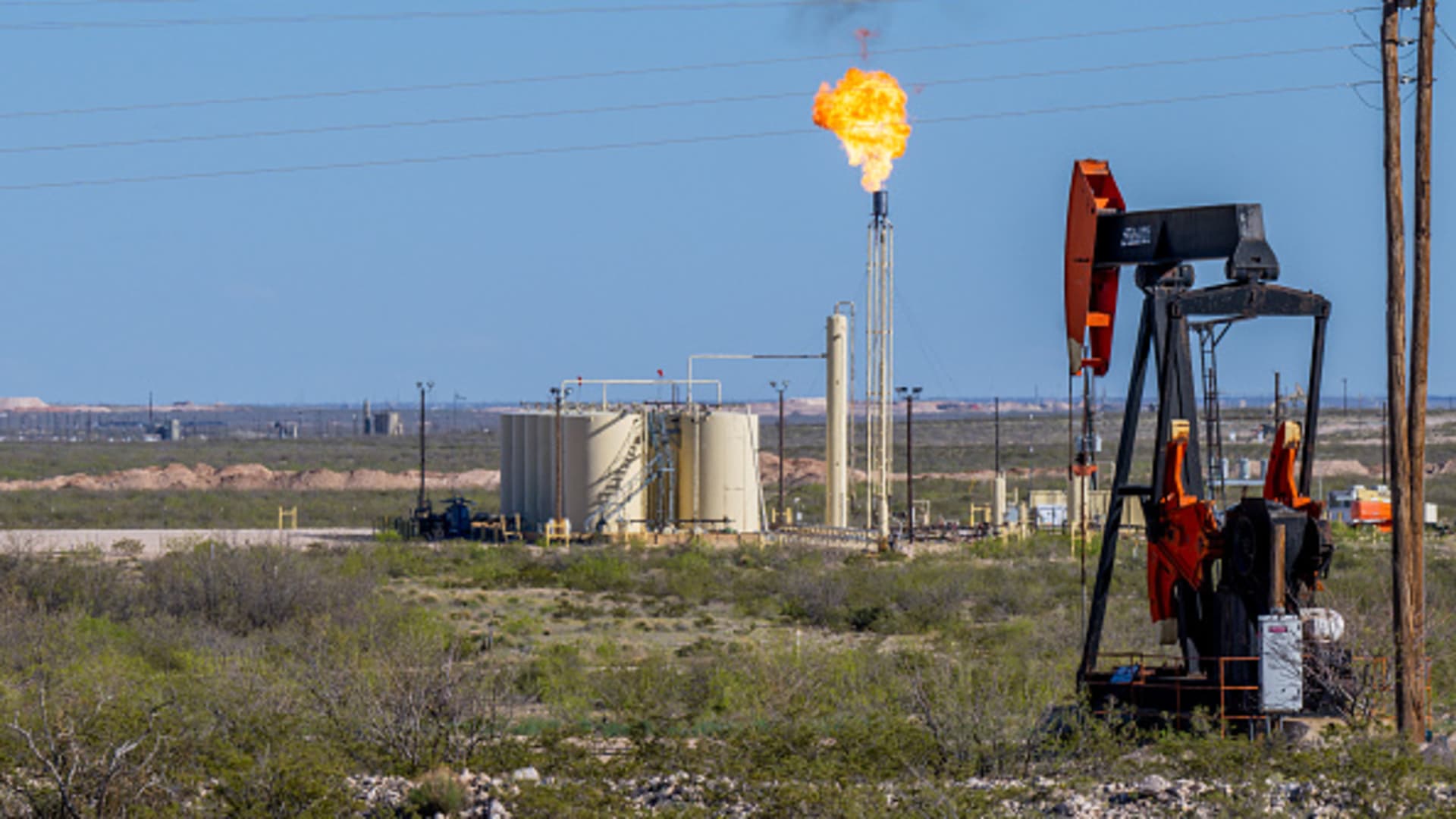
Analysis of Energy Market Choices for 2026


- Company Size Comparison: ConocoPhillips, one of the world's largest independent oil exploration companies, achieved $61.6 billion in revenue for FY 2025, an 8% increase, showcasing its strong competitive position in global markets, while Viper Energy, focusing on mineral and royalty interests, reported nearly $1.4 billion in revenue with a 62% growth but faced a net loss of $68 million, highlighting the fragility of its business model.
- Financial Health Status: ConocoPhillips reported a net income of approximately $8 billion with a net margin of 13%, despite a decline from 16.2% in 2024, and a debt-to-equity ratio of 0.4 indicates a moderate level of borrowing that ensures operational stability; in contrast, Viper Energy's free cash flow was close to negative $1.3 billion, indicating severe financial challenges.
- Risk Analysis: ConocoPhillips faces significant risks from commodity price volatility, particularly sensitivity to crude oil and natural gas prices, alongside regulatory pressures regarding climate change and potential legal litigation; meanwhile, Viper Energy is heavily dependent on Diamondback Energy's operations, where any delays directly impact its royalty revenues, and new environmental regulations may force production cuts.
- Valuation Comparison: ConocoPhillips has a forward P/E of 10.6, indicating relative value, while Viper Energy's P/S ratio stands at 4.1, reflecting its growth potential; in an uncertain market environment, ConocoPhillips's scale and relative value make it more attractive for 2026, especially with its $3.30 per share dividend payout capability.
See More
Analysis of Energy Stock Investment Choices
- Financial Performance: ConocoPhillips achieved $61.6 billion in revenue for FY 2025, marking an 8% increase, with a net income of approximately $8 billion and a net margin of 13%, despite a decline from 16.2% in 2024, indicating its stability and profitability in global markets.
- Capital Structure Analysis: As of December 2025, ConocoPhillips had a debt-to-equity ratio of about 0.4, suggesting a moderate borrowing strategy for operational funding, while its free cash flow was close to $7.2 billion, enhancing financial flexibility.
- Viper Energy Business Model: Viper Energy, primarily reliant on Diamondback Energy, reported nearly $1.4 billion in revenue for FY 2025, a 62% increase, but faced a net loss of $68 million, reflecting challenges in mineral rights income and market volatility risks.
- Market Outlook Comparison: In an uncertain market environment, ConocoPhillips' scale and relative value make it a more attractive investment choice for 2026, particularly with its $3.30 per share dividend payment, demonstrating a commitment to shareholder returns and stability.
See More

Equinor Invests 4 Billion NOK in North Sea Gas Development

- Investment Scale: Equinor ASA and its partners are investing over 4 billion NOK in a new subsea development at the Troll gas field, which is expected to significantly boost gas production and strengthen its position in the European energy market.
- Partnership Structure: In the Troll West Increased Gas Recovery project, Equinor holds a 30.55% stake, while Petoro owns 55.93%, with Shell, TotalEnergies, and ConocoPhillips holding 8.19%, 3.69%, and 1.64% respectively, showcasing a strong collaborative effort.
- Production Expectations: The project is expected to contribute around 11 billion standard cubic meters of gas, ensuring sustained high production from Troll A and Kollsnes until 2030, meeting approximately 10% of Europe's gas needs.
- Production Goals: Equinor aims to produce 1.3 million barrels per day from the Norwegian continental shelf by 2035, with the project implementation designed to reduce costs through process simplification and reuse of existing infrastructure, thereby promoting job creation and value generation.
See More
US Stocks Rise on US-Iran Peace Deal Optimism


- Market Rally: The S&P 500 rose 1.08%, the Dow Jones increased by 0.14%, and the Nasdaq 100 surged 2.48% as optimism over the US-Iran peace deal eased inflation risks, reflecting a positive market sentiment.
- Chip Sector Surge: Intel's stock jumped over 10% after President Trump announced a partnership with Apple to design and produce semiconductors domestically, leading the iShares Semiconductor ETF to rise more than 7%, indicating strong momentum in the tech sector.
- Energy Stocks Weaken: WTI crude oil prices fell to a 3.5-month low, causing significant declines in energy stocks, with SLB, ConocoPhillips, and Halliburton dropping over 3%, highlighting concerns over energy price volatility.
- Supportive Economic Data: Initial jobless claims fell to 226,000, close to the expected 225,000, indicating labor market strength, while the Philadelphia Fed business outlook index rose to 10.3, surpassing expectations, further boosting investor confidence.
See More
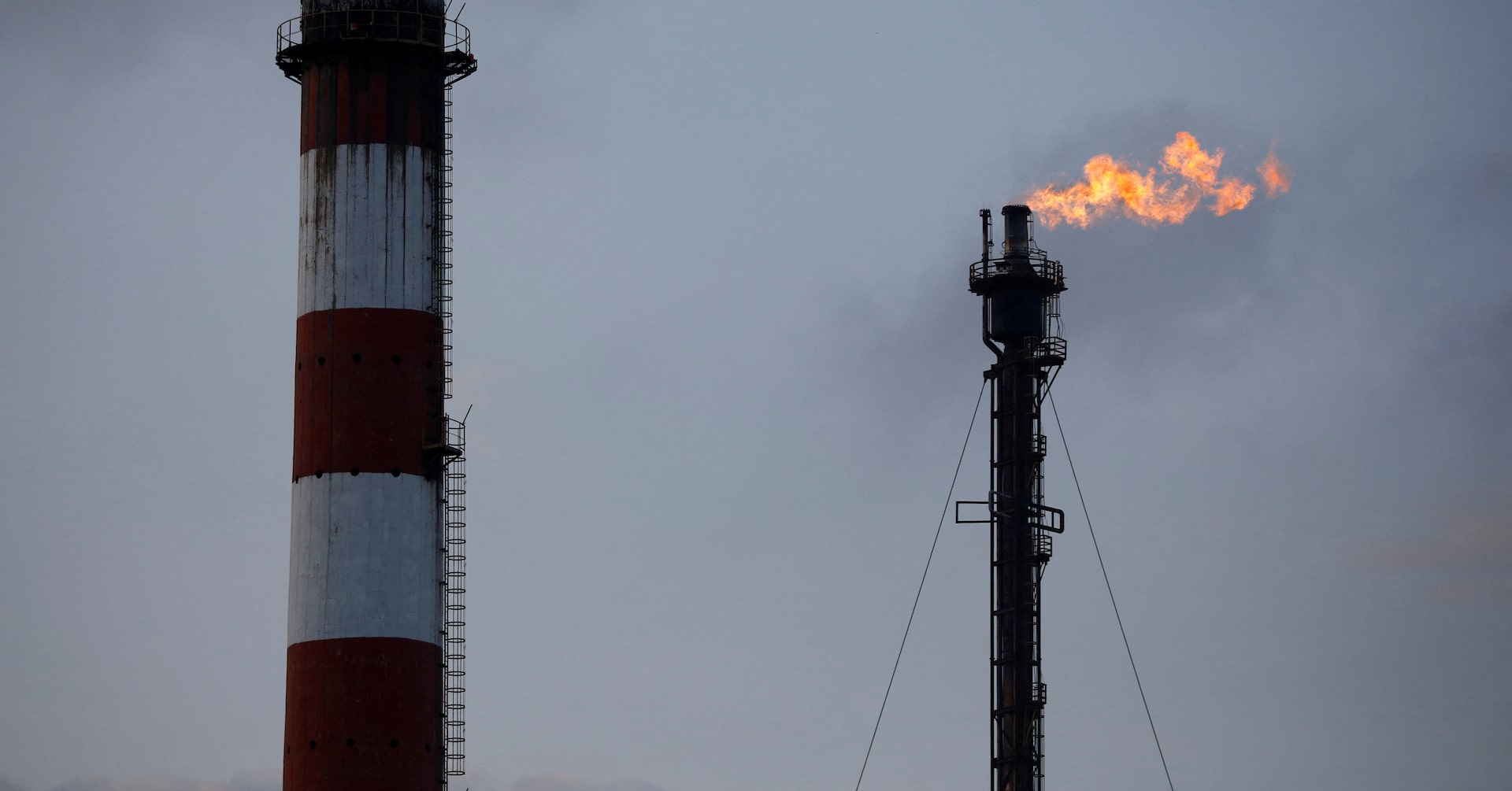
US and Iran Reach Deal to End War and Reopen Strait of Hormuz


- Oil Price Volatility: Since the U.S. and Israel attacked Iran on February 28, oil prices and global stocks have experienced significant volatility, resulting in widespread damage to Middle Eastern oil infrastructure and a shutdown of oil shipments through the vital Strait of Hormuz, impacting global energy supply.
- Energy ETF Performance: The Vanguard Energy ETF has delivered a 25% return year-to-date but has lost about 11% of its value since reaching an all-time high on March 27, indicating uncertainty in the future of energy stocks amid geopolitical tensions.
- Market Reaction: The S&P 500 index is up 10.4% year-to-date and has gained about 19% since hitting a 2026 low on March 30, but this may be bad news for energy stocks as the Vanguard Energy ETF and the S&P 500 have been moving in opposite directions since late March.
- Investment Advice: Although the Vanguard Energy ETF has achieved an average annual return of 21.1% over the past five years, the complex situation in the Middle East suggests that oil prices could plummet in the future, leading to a recommendation for long-term investors to be cautious and avoid heavy investments in oil stocks.
See More

US Stocks Surge as Geopolitical Risks Ease
- Market Rebound: The signing of a preliminary deal by President Trump to end the US-Iran war has driven crude oil prices to a 3.5-month low, resulting in a broad market rally with the S&P 500 up 0.99% and the Nasdaq 100 up 2.16%, indicating a resurgence in risk appetite among investors.
- Chip Stocks Lead Gains: Intel shares surged 7% after Trump announced a partnership with Apple to design and produce semiconductors domestically, propelling the entire semiconductor sector higher, with the iShares Semiconductor ETF rising over 5%, reflecting strong investor confidence in tech stocks.
- Energy Stocks Under Pressure: Crude oil prices fell more than 3%, putting pressure on energy producers, with major companies like ExxonMobil and Chevron experiencing declines, highlighting market concerns regarding the energy sector's outlook amid falling oil prices.
- Supportive Economic Data: Initial jobless claims in the US fell to 226,000, close to the expected 225,000, indicating labor market resilience, while the Philadelphia Fed business outlook index rose to 10.3, exceeding expectations, further bolstering market optimism.
See More
Analysis of Energy Market Choices for 2026
- Company Size Comparison: ConocoPhillips, one of the world's largest independent oil exploration companies, achieved $61.6 billion in revenue for FY 2025, an 8% increase, showcasing its strong competitive position in global markets, while Viper Energy, focusing on mineral and royalty interests, reported nearly $1.4 billion in revenue with a 62% growth but faced a net loss of $68 million, highlighting the fragility of its business model.
- Financial Health Status: ConocoPhillips reported a net income of approximately $8 billion with a net margin of 13%, despite a decline from 16.2% in 2024, and a debt-to-equity ratio of 0.4 indicates a moderate level of borrowing that ensures operational stability; in contrast, Viper Energy's free cash flow was close to negative $1.3 billion, indicating severe financial challenges.
- Risk Analysis: ConocoPhillips faces significant risks from commodity price volatility, particularly sensitivity to crude oil and natural gas prices, alongside regulatory pressures regarding climate change and potential legal litigation; meanwhile, Viper Energy is heavily dependent on Diamondback Energy's operations, where any delays directly impact its royalty revenues, and new environmental regulations may force production cuts.
- Valuation Comparison: ConocoPhillips has a forward P/E of 10.6, indicating relative value, while Viper Energy's P/S ratio stands at 4.1, reflecting its growth potential; in an uncertain market environment, ConocoPhillips's scale and relative value make it more attractive for 2026, especially with its $3.30 per share dividend payout capability.
See More
Analysis of Energy Stock Investment Choices
- Financial Performance: ConocoPhillips achieved $61.6 billion in revenue for FY 2025, marking an 8% increase, with a net income of approximately $8 billion and a net margin of 13%, despite a decline from 16.2% in 2024, indicating its stability and profitability in global markets.
- Capital Structure Analysis: As of December 2025, ConocoPhillips had a debt-to-equity ratio of about 0.4, suggesting a moderate borrowing strategy for operational funding, while its free cash flow was close to $7.2 billion, enhancing financial flexibility.
- Viper Energy Business Model: Viper Energy, primarily reliant on Diamondback Energy, reported nearly $1.4 billion in revenue for FY 2025, a 62% increase, but faced a net loss of $68 million, reflecting challenges in mineral rights income and market volatility risks.
- Market Outlook Comparison: In an uncertain market environment, ConocoPhillips' scale and relative value make it a more attractive investment choice for 2026, particularly with its $3.30 per share dividend payment, demonstrating a commitment to shareholder returns and stability.
See More
Equinor Invests 4 Billion NOK in North Sea Gas Development
- Investment Scale: Equinor ASA and its partners are investing over 4 billion NOK in a new subsea development at the Troll gas field, which is expected to significantly boost gas production and strengthen its position in the European energy market.
- Partnership Structure: In the Troll West Increased Gas Recovery project, Equinor holds a 30.55% stake, while Petoro owns 55.93%, with Shell, TotalEnergies, and ConocoPhillips holding 8.19%, 3.69%, and 1.64% respectively, showcasing a strong collaborative effort.
- Production Expectations: The project is expected to contribute around 11 billion standard cubic meters of gas, ensuring sustained high production from Troll A and Kollsnes until 2030, meeting approximately 10% of Europe's gas needs.
- Production Goals: Equinor aims to produce 1.3 million barrels per day from the Norwegian continental shelf by 2035, with the project implementation designed to reduce costs through process simplification and reuse of existing infrastructure, thereby promoting job creation and value generation.
See More
US Stocks Rise on US-Iran Peace Deal Optimism
- Market Rally: The S&P 500 rose 1.08%, the Dow Jones increased by 0.14%, and the Nasdaq 100 surged 2.48% as optimism over the US-Iran peace deal eased inflation risks, reflecting a positive market sentiment.
- Chip Sector Surge: Intel's stock jumped over 10% after President Trump announced a partnership with Apple to design and produce semiconductors domestically, leading the iShares Semiconductor ETF to rise more than 7%, indicating strong momentum in the tech sector.
- Energy Stocks Weaken: WTI crude oil prices fell to a 3.5-month low, causing significant declines in energy stocks, with SLB, ConocoPhillips, and Halliburton dropping over 3%, highlighting concerns over energy price volatility.
- Supportive Economic Data: Initial jobless claims fell to 226,000, close to the expected 225,000, indicating labor market strength, while the Philadelphia Fed business outlook index rose to 10.3, surpassing expectations, further boosting investor confidence.
See More
US and Iran Reach Deal to End War and Reopen Strait of Hormuz
- Oil Price Volatility: Since the U.S. and Israel attacked Iran on February 28, oil prices and global stocks have experienced significant volatility, resulting in widespread damage to Middle Eastern oil infrastructure and a shutdown of oil shipments through the vital Strait of Hormuz, impacting global energy supply.
- Energy ETF Performance: The Vanguard Energy ETF has delivered a 25% return year-to-date but has lost about 11% of its value since reaching an all-time high on March 27, indicating uncertainty in the future of energy stocks amid geopolitical tensions.
- Market Reaction: The S&P 500 index is up 10.4% year-to-date and has gained about 19% since hitting a 2026 low on March 30, but this may be bad news for energy stocks as the Vanguard Energy ETF and the S&P 500 have been moving in opposite directions since late March.
- Investment Advice: Although the Vanguard Energy ETF has achieved an average annual return of 21.1% over the past five years, the complex situation in the Middle East suggests that oil prices could plummet in the future, leading to a recommendation for long-term investors to be cautious and avoid heavy investments in oil stocks.
See More
US Stocks Surge as Geopolitical Risks Ease
- Market Rebound: The signing of a preliminary deal by President Trump to end the US-Iran war has driven crude oil prices to a 3.5-month low, resulting in a broad market rally with the S&P 500 up 0.99% and the Nasdaq 100 up 2.16%, indicating a resurgence in risk appetite among investors.
- Chip Stocks Lead Gains: Intel shares surged 7% after Trump announced a partnership with Apple to design and produce semiconductors domestically, propelling the entire semiconductor sector higher, with the iShares Semiconductor ETF rising over 5%, reflecting strong investor confidence in tech stocks.
- Energy Stocks Under Pressure: Crude oil prices fell more than 3%, putting pressure on energy producers, with major companies like ExxonMobil and Chevron experiencing declines, highlighting market concerns regarding the energy sector's outlook amid falling oil prices.
- Supportive Economic Data: Initial jobless claims in the US fell to 226,000, close to the expected 225,000, indicating labor market resilience, while the Philadelphia Fed business outlook index rose to 10.3, exceeding expectations, further bolstering market optimism.
See More