Congressional Investigation Reveals Medicare Overpayment Issues
Written by Emily J. Thompson, Senior Investment Analyst
Updated: Mar 10 2026
0mins
Source: seekingalpha
- Medicare Overpayment Investigation: The Joint Economic Committee's investigation revealed that alleged overpayments to Medicare Advantage plans resulted in a $13.4 billion increase in Medicare Part B premiums last year, primarily impacting seniors, highlighting potential financial pressures within the Medicare system.
- Premium Hike Impact: The investigation found that the average Medicare premium for American seniors rose by approximately 10%, equating to over $200 annually, directly affecting beneficiaries of both Medicare Advantage and standard Medicare, indicating a pressing need for policy adjustments.
- Insurer Rebuttal: America's Health Insurance Plans (AHIP), representing health insurers, denied the investigation's findings, claiming they were based on “fundamentally flawed data and methodology,” illustrating the industry's strong opposition to policy changes and potential conflicts of interest.
- Market Participant Overview: UnitedHealth (UNH) stands as the largest player in the Medicare Advantage market, followed by Humana (HUM) and others, underscoring the significant role and influence of major insurers in the evolving landscape of Medicare policy.
Trade with 70% Backtested Accuracy
Stop guessing "Should I Buy UNH?" and start using high-conviction signals backed by rigorous historical data.
Sign up today to access powerful investing tools and make smarter, data-driven decisions.
Analyst Views on UNH
Wall Street analysts forecast UNH stock price to rise
19 Analyst Rating
16 Buy
3 Hold
0 Sell
Strong Buy
Current: 259.020

Low
330.00
Averages
397.82
High
444.00
Current: 259.020
Low
330.00
Averages
397.82
High
444.00
About UNH
UnitedHealth Group Incorporated is a healthcare and well-being company. Its segments include Optum Health, Optum Insight, Optum Rx, and UnitedHealthcare, which includes UnitedHealthcare Employer & Individual, UnitedHealthcare Medicare & Retirement and UnitedHealthcare Community & State. Optum Health offers comprehensive and patient-centered care, addressing the physical, mental, social, and financial well-being. Optum Health delivers primary, specialty and surgical care; helps patients and providers navigate and address complex, chronic and behavioral health needs. Optum Insight connects the healthcare system with services, analytics and platforms that make clinical, administrative and financial processes simpler and more efficient for all participants in the healthcare system. Optum Rx offers a range of pharmacy care services through retail pharmacies, through home delivery, specialty and community health pharmacies and the provision of in-home and community-based infusion services.
About the author

Emily J. Thompson
Emily J. Thompson, a Chartered Financial Analyst (CFA) with 12 years in investment research, graduated with honors from the Wharton School. Specializing in industrial and technology stocks, she provides in-depth analysis for Intellectia’s earnings and market brief reports.
Schwab U.S. Dividend Equity ETF Reconstitution Boosts Healthcare Allocation


- Annual Reconstitution Update: The Schwab U.S. Dividend Equity ETF has optimized its portfolio through the deletion of 22 stocks and the addition of 25 new stocks in its latest annual reconstitution, ensuring it holds the top 100 high-yield dividend stocks and enhancing overall portfolio quality.
- Increased Healthcare Allocation: Following the reconstitution, the allocation to the healthcare sector has risen from 15.4% to 18.9%, with UnitedHealth and Abbott Laboratories joining the top ten holdings at 4% and 3.95% respectively, thereby strengthening the fund's investment in the healthcare sector.
- Dividend Growth Potential: While the overall dividend yield of the ETF remains at 3.4% post-reconstitution, the new holdings boast a higher average five-year dividend growth rate of 9.4%, which is expected to generate greater long-term income for investors, enhancing the fund's appeal.
- Strong Dividend Track Record: Both UnitedHealth and Abbott Laboratories have impressive dividend growth records, with the former increasing dividends by 52% over the past five years and the latter by 40%, providing investors with a stable income source and further solidifying the ETF's investment value.
See More

Schwab U.S. Dividend ETF Reconstitutes, Increases Healthcare Holdings
- Healthcare Stock Increase: The Schwab U.S. Dividend ETF's recent annual reconstitution added two healthcare stocks, raising the sector's allocation from 15.4% to 18.9%, making it the second-largest sector, indicating a strategic focus on the growth potential of healthcare.
- High-Yield Stock Selection: During this reconstitution, UnitedHealth and Abbott Laboratories were added to the top ten holdings with allocations of 4% and 3.95%, respectively, reflecting the fund's preference for high-yield healthcare stocks, which is expected to enhance long-term investor returns.
- Dividend Growth Potential: The new holdings have an average dividend growth rate of 9.4%, surpassing the pre-reconstitution rate of 8.6%, and while the overall yield remains at 3.4%, the faster growth rate could lead to higher total returns for investors in the future.
- Strong Dividend Records: Both UnitedHealth and Abbott have robust dividend growth histories, with the former increasing its dividend by 52% over the past five years and the latter by 40%, showcasing the attractiveness and stability of the healthcare sector in dividend investing.
See More
Medicare Trust Fund Expected to Deplete by 2040


- Trust Fund Depletion Risk: The Medicare Hospital Insurance Trust Fund is projected to be depleted by 2040 according to updated projections from the Congressional Budget Office, which would lead to payment cuts to hospitals and providers, initially estimated to be in the low double digits, potentially triggering a ripple effect throughout the healthcare supply chain.
- Limited Payment Capacity: Once the trust fund reserves are exhausted, Medicare will shift to a pay-as-you-go system, meaning it can only pay what it receives from payroll taxes, which could further reduce hospital margins and limit available services.
- Inadequate Mitigation Measures: Analysts indicate that while options like increasing the current 2.9% payroll tax rate or cutting spending could mitigate risks, these measures are highly unpopular, and no significant changes are expected until the situation becomes critical, likely leading to increased volatility in the healthcare sector.
- Congressional Options: Congress has the ability to protect Medicare by raising payroll taxes or adjusting Medicare Advantage payments, but these proposals face significant resistance, particularly the idea of raising the eligibility age, which could impact insurers like UnitedHealthcare (UNH) and Humana (HUM).
See More

UnitedHealth Group Stock Falls 3.37% Amid Market Decline
- Stock Performance: UnitedHealth Group (UNH) closed at $259.02, reflecting a 3.37% decline from the previous day, underperforming the S&P 500's 1.67% drop, indicating market concerns regarding its future profitability.
- Industry Performance: Over the past month, UNH's stock has fallen by 6.49%, contributing to a 7.36% loss in the Medical sector, which is significantly worse than the S&P 500's 6.15% decline, highlighting the company's relative weakness in the industry.
- Earnings Expectations: The company is expected to release its earnings report on April 21, 2026, with consensus estimates forecasting an EPS of $6.62, an 8.06% year-over-year decline, and revenue of $110.08 billion, indicating a modest 0.46% growth, suggesting signs of stagnation.
- Valuation Analysis: UnitedHealth Group currently trades at a Forward P/E ratio of 15.15, aligning with the industry average, but its PEG ratio of 1.23 exceeds the industry average of 0.94, suggesting higher market expectations for future growth, which may also indicate valuation pressure.
See More
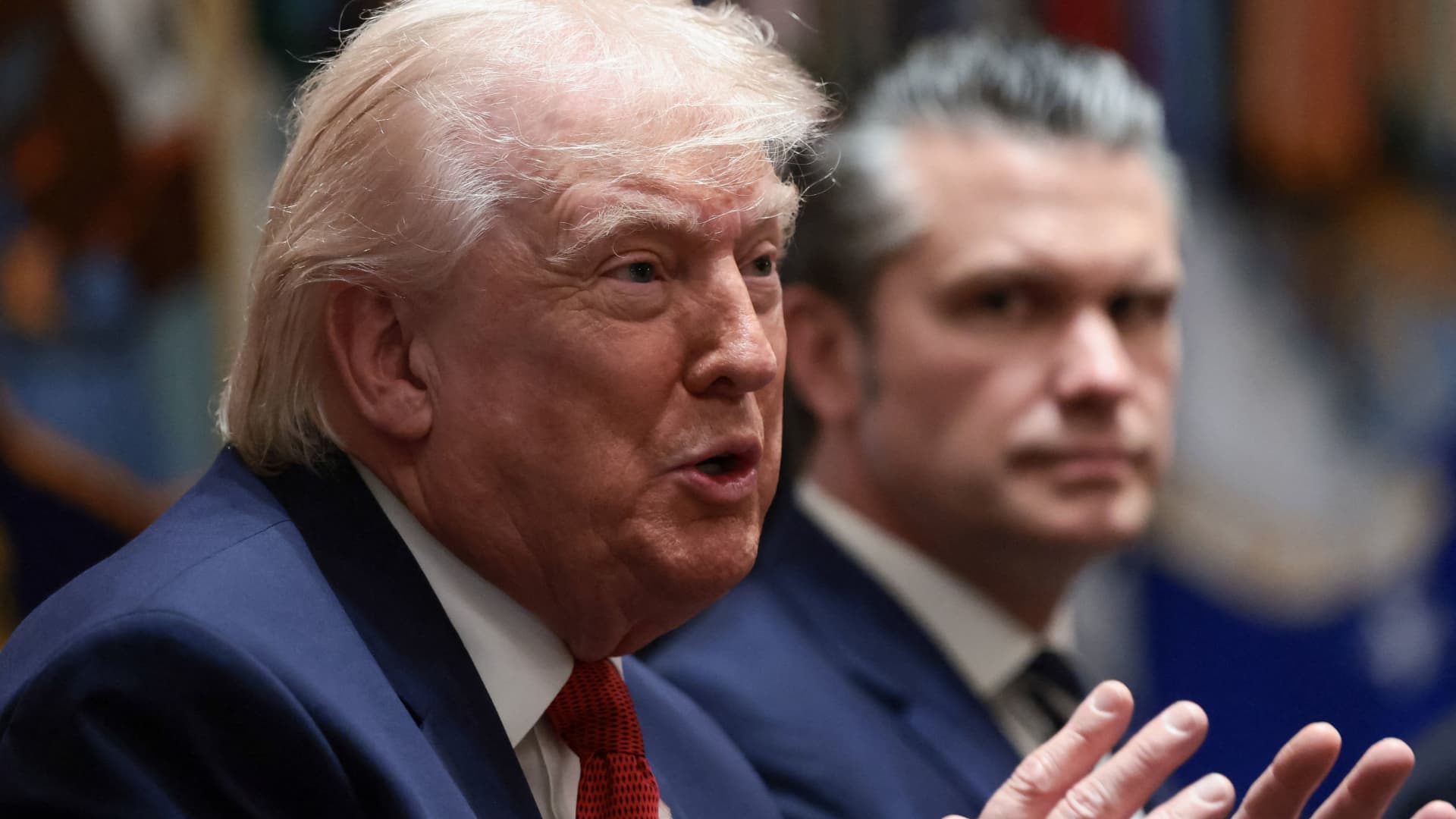
U.S. Senate Reaches Funding Deal for Homeland Security Department

- Funding Deal for DHS: The U.S. Senate reached a funding agreement early this morning for the Department of Homeland Security, indicating progress toward ending the department's shutdown, although the bill excludes funding for Immigration and Customs Enforcement, which may impact immigration policy enforcement.
- Market Volatility Intensifies: Following Trump's announcement to extend the pause on attacks against Iran's nuclear facilities, the S&P 500 recorded its largest one-day loss in over two months, with crude prices surpassing $110 per barrel, reflecting the market's sensitivity to geopolitical risks.
- AI Legal Victory: AI firm Anthropic secured a preliminary injunction in federal court against the Pentagon's blacklisting, with the judge labeling the action as “classic illegal First Amendment retaliation,” which could affect government collaborations with AI companies.
- Fed Nomination Controversy: Senator Elizabeth Warren issued a scathing letter to Kevin Warsh, Trump's pick for Federal Reserve Chair, stating his past failures should disqualify him from promotion, potentially influencing the Fed's future policy direction.
See More

British Airways Introduces Emission Reduction Incentives for Pilots

- Emission Reduction Incentive: British Airways has launched a new initiative encouraging pilots to reduce aircraft carbon dioxide emissions by 60,000 tons beyond 2025 levels to earn a bonus worth 1% of their base pay, addressing the rising jet fuel prices.
- Collaboration with Union: The airline is working with the British Airline Pilots' Association (BALPA) to vote on this proposal at the end of April, with implementation expected next year, demonstrating the company's commitment to improving pilots' work experience.
- Surging Fuel Prices: Amid the U.S.-Iran conflict, global jet fuel prices have surged by 106%, with international benchmark Brent crude nearing $107 per barrel, forcing airlines to consider raising ticket prices or canceling unprofitable flights.
- Industry Impact: The incentive reflects the airline industry's response to high fuel cost pressures, as other carriers like Cathay Pacific and Qantas also adjust fares to cope with rising costs, highlighting the challenges faced across the sector.
See More
Schwab U.S. Dividend Equity ETF Reconstitution Boosts Healthcare Allocation
- Annual Reconstitution Update: The Schwab U.S. Dividend Equity ETF has optimized its portfolio through the deletion of 22 stocks and the addition of 25 new stocks in its latest annual reconstitution, ensuring it holds the top 100 high-yield dividend stocks and enhancing overall portfolio quality.
- Increased Healthcare Allocation: Following the reconstitution, the allocation to the healthcare sector has risen from 15.4% to 18.9%, with UnitedHealth and Abbott Laboratories joining the top ten holdings at 4% and 3.95% respectively, thereby strengthening the fund's investment in the healthcare sector.
- Dividend Growth Potential: While the overall dividend yield of the ETF remains at 3.4% post-reconstitution, the new holdings boast a higher average five-year dividend growth rate of 9.4%, which is expected to generate greater long-term income for investors, enhancing the fund's appeal.
- Strong Dividend Track Record: Both UnitedHealth and Abbott Laboratories have impressive dividend growth records, with the former increasing dividends by 52% over the past five years and the latter by 40%, providing investors with a stable income source and further solidifying the ETF's investment value.
See More
Schwab U.S. Dividend ETF Reconstitutes, Increases Healthcare Holdings
- Healthcare Stock Increase: The Schwab U.S. Dividend ETF's recent annual reconstitution added two healthcare stocks, raising the sector's allocation from 15.4% to 18.9%, making it the second-largest sector, indicating a strategic focus on the growth potential of healthcare.
- High-Yield Stock Selection: During this reconstitution, UnitedHealth and Abbott Laboratories were added to the top ten holdings with allocations of 4% and 3.95%, respectively, reflecting the fund's preference for high-yield healthcare stocks, which is expected to enhance long-term investor returns.
- Dividend Growth Potential: The new holdings have an average dividend growth rate of 9.4%, surpassing the pre-reconstitution rate of 8.6%, and while the overall yield remains at 3.4%, the faster growth rate could lead to higher total returns for investors in the future.
- Strong Dividend Records: Both UnitedHealth and Abbott have robust dividend growth histories, with the former increasing its dividend by 52% over the past five years and the latter by 40%, showcasing the attractiveness and stability of the healthcare sector in dividend investing.
See More
Medicare Trust Fund Expected to Deplete by 2040
- Trust Fund Depletion Risk: The Medicare Hospital Insurance Trust Fund is projected to be depleted by 2040 according to updated projections from the Congressional Budget Office, which would lead to payment cuts to hospitals and providers, initially estimated to be in the low double digits, potentially triggering a ripple effect throughout the healthcare supply chain.
- Limited Payment Capacity: Once the trust fund reserves are exhausted, Medicare will shift to a pay-as-you-go system, meaning it can only pay what it receives from payroll taxes, which could further reduce hospital margins and limit available services.
- Inadequate Mitigation Measures: Analysts indicate that while options like increasing the current 2.9% payroll tax rate or cutting spending could mitigate risks, these measures are highly unpopular, and no significant changes are expected until the situation becomes critical, likely leading to increased volatility in the healthcare sector.
- Congressional Options: Congress has the ability to protect Medicare by raising payroll taxes or adjusting Medicare Advantage payments, but these proposals face significant resistance, particularly the idea of raising the eligibility age, which could impact insurers like UnitedHealthcare (UNH) and Humana (HUM).
See More
UnitedHealth Group Stock Falls 3.37% Amid Market Decline
- Stock Performance: UnitedHealth Group (UNH) closed at $259.02, reflecting a 3.37% decline from the previous day, underperforming the S&P 500's 1.67% drop, indicating market concerns regarding its future profitability.
- Industry Performance: Over the past month, UNH's stock has fallen by 6.49%, contributing to a 7.36% loss in the Medical sector, which is significantly worse than the S&P 500's 6.15% decline, highlighting the company's relative weakness in the industry.
- Earnings Expectations: The company is expected to release its earnings report on April 21, 2026, with consensus estimates forecasting an EPS of $6.62, an 8.06% year-over-year decline, and revenue of $110.08 billion, indicating a modest 0.46% growth, suggesting signs of stagnation.
- Valuation Analysis: UnitedHealth Group currently trades at a Forward P/E ratio of 15.15, aligning with the industry average, but its PEG ratio of 1.23 exceeds the industry average of 0.94, suggesting higher market expectations for future growth, which may also indicate valuation pressure.
See More
U.S. Senate Reaches Funding Deal for Homeland Security Department
- Funding Deal for DHS: The U.S. Senate reached a funding agreement early this morning for the Department of Homeland Security, indicating progress toward ending the department's shutdown, although the bill excludes funding for Immigration and Customs Enforcement, which may impact immigration policy enforcement.
- Market Volatility Intensifies: Following Trump's announcement to extend the pause on attacks against Iran's nuclear facilities, the S&P 500 recorded its largest one-day loss in over two months, with crude prices surpassing $110 per barrel, reflecting the market's sensitivity to geopolitical risks.
- AI Legal Victory: AI firm Anthropic secured a preliminary injunction in federal court against the Pentagon's blacklisting, with the judge labeling the action as “classic illegal First Amendment retaliation,” which could affect government collaborations with AI companies.
- Fed Nomination Controversy: Senator Elizabeth Warren issued a scathing letter to Kevin Warsh, Trump's pick for Federal Reserve Chair, stating his past failures should disqualify him from promotion, potentially influencing the Fed's future policy direction.
See More
British Airways Introduces Emission Reduction Incentives for Pilots
- Emission Reduction Incentive: British Airways has launched a new initiative encouraging pilots to reduce aircraft carbon dioxide emissions by 60,000 tons beyond 2025 levels to earn a bonus worth 1% of their base pay, addressing the rising jet fuel prices.
- Collaboration with Union: The airline is working with the British Airline Pilots' Association (BALPA) to vote on this proposal at the end of April, with implementation expected next year, demonstrating the company's commitment to improving pilots' work experience.
- Surging Fuel Prices: Amid the U.S.-Iran conflict, global jet fuel prices have surged by 106%, with international benchmark Brent crude nearing $107 per barrel, forcing airlines to consider raising ticket prices or canceling unprofitable flights.
- Industry Impact: The incentive reflects the airline industry's response to high fuel cost pressures, as other carriers like Cathay Pacific and Qantas also adjust fares to cope with rising costs, highlighting the challenges faced across the sector.
See More