Concerns Over Market AI Diminish: Nvidia, DeepSeek, and Anthropic May Spark New Anxiety, Plus 5 Additional Updates for Today.
Written by Emily J. Thompson, Senior Investment Analyst
Updated: Feb 25 2026
0mins


Should l Buy AA?
Source: Barron's
AI Revolution Perception: The article suggests that the fears surrounding the artificial intelligence revolution may be overstated, indicating a more optimistic outlook on its impact.
Potential Benefits: It highlights the potential benefits of AI, including advancements in various fields and improvements in efficiency and productivity.
Public Sentiment: There is a growing sentiment that AI could enhance human capabilities rather than replace them, fostering collaboration between humans and machines.
Future Outlook: The discussion points towards a future where AI is integrated positively into society, alleviating concerns about job displacement and ethical dilemmas.
Trade with 70% Backtested Accuracy
Stop guessing "Should I Buy AA?" and start using high-conviction signals backed by rigorous historical data.
Sign up today to access powerful investing tools and make smarter, data-driven decisions.
Analyst Views on AA
Wall Street analysts forecast AA stock price to fall
8 Analyst Rating
2 Buy
4 Hold
2 Sell
Hold
Current: 70.410

Low
38.00
Averages
57.63
High
78.00
Current: 70.410
Low
38.00
Averages
57.63
High
78.00
About AA
Alcoa Corporation is a vertically integrated aluminum company comprised of bauxite mining, alumina refining, aluminum production (smelting and casting), and energy generation. The Company's operations are comprised of two business segments: Alumina and Aluminum. The Alumina segment primarily consists of its bauxite mines and alumina refineries, and its operations include the mining of bauxite and other aluminous ores, as well as the refining, production, and sale of smelter grade and non-metallurgical alumina. The alumina produced by this segment is sold primarily to internal and external aluminum smelter customers; a portion of the alumina is sold to external customers who process it into industrial chemical products. The Aluminum segment consists of the Company's aluminum smelting and casting operations along with the Company's energy production assets in Brazil, Canada, and the United States. It has direct and indirect ownership of over 25 operating locations across eight countries.
About the author

Emily J. Thompson
Emily J. Thompson, a Chartered Financial Analyst (CFA) with 12 years in investment research, graduated with honors from the Wharton School. Specializing in industrial and technology stocks, she provides in-depth analysis for Intellectia’s earnings and market brief reports.

Alcoa's Q1 Earnings Report and Aluminum Segment Outlook

- Aluminum Segment Outlook: The company anticipates a favorable impact of approximately $55 million in Q2 for the Aluminum segment, driven by increased shipments and the restart of the San Ciprián smelter in Spain, although this is partially offset by lower energy sales.
- Alumina Segment Challenges: Due to the ongoing Middle East conflict, Alcoa expects a negative impact of about $15 million in Q2 on the Alumina segment's adjusted core profit, primarily from rising energy prices and shipment delays.
- Q1 Financial Results: In Q1, Alcoa reported revenue of $3.193 billion, down from $3.369 billion a year ago and below the analyst estimate of $3.3 billion, with adjusted earnings per share at $1.40, significantly lower than $2.15 from the previous year, reflecting shipment delays and lower volumes.
- Market Sentiment Shift: Despite a flat close during regular trading, AA shares fell 3% in after-hours trading, while retail sentiment shifted from bearish to neutral, indicating increased investor attention on the company's future performance.
See More
Alcoa Reports Q1 Earnings Miss Amid Revenue Decline
- Earnings Decline: Alcoa reported Q1 adjusted earnings of $425 million, or $1.60 per share, down 22.4% from $548 million and $2.07 per share a year earlier, primarily due to an 8% drop in aluminum shipments and a 31% decline in alumina shipments, negatively impacting overall financial performance.
- Revenue Drop: The company experienced a 5% decline in revenue closely tied to reduced aluminum and alumina shipments, particularly amid inventory repositioning and decreased trading in North America, indicating signs of weak market demand.
- Future Outlook: Despite the disappointing Q1 results, Alcoa anticipates a $15 million unfavorable impact on adjusted EBITDA in Q2 for its alumina segment due to the conflict in Iran, but expects a $55 million favorable impact from inventory repositioning and higher shipments, suggesting potential growth opportunities amid adversity.
- Production Guidance Unchanged: Alcoa's full-year guidance for alumina and aluminum production and shipments remains unchanged at 9.7-9.9 million metric tons and 2.4-2.6 million metric tons respectively, reflecting the company's confidence in future market conditions despite geopolitical risks and supply chain challenges.
See More

US Stocks Rise as Oil Prices Plunge


- Market Highs: The S&P 500 rose by 0.87% and the Nasdaq 100 reached an all-time high, reflecting growing investor optimism regarding a potential US-Iran peace deal, which may enhance risk appetite and further boost stock market momentum.
- Oil Price Plunge: WTI crude prices fell over 10% after Iran announced the Strait of Hormuz is now fully open for commercial shipping, easing inflation concerns and contributing to a 6 basis point drop in the 10-year Treasury yield, which invigorates the bond market.
- Earnings Optimism: Q1 earnings for the S&P 500 are projected to increase by 12% year-over-year, although excluding the tech sector, growth is only expected at 3%, yet this overall positive outlook may attract more investor interest and bolster market confidence.
- Airline Stocks Surge: With reduced fuel costs, United Airlines (UAL) shares surged over 10%, while other airlines like Royal Caribbean (RCL) and Alaska Air (ALK) also saw significant gains, indicating strong market confidence in the recovery of the airline industry.
See More

Analysis of XME ETF's 52-Week Price Fluctuations

- Price Range Analysis: The XME ETF has a 52-week low of $52.71 and a high of $135.6764, with the latest trade at $118.38, indicating relative stability and volatility in the current market.
- Technical Analysis Tool: Comparing the current share price to the 200-day moving average provides valuable insights for investors, aiding in market trend assessment and potential buying opportunities.
- ETF Trading Mechanism: ETFs trade similarly to stocks, where investors buy and sell 'units' that can be created or destroyed based on investor demand, impacting liquidity and market performance.
- Inflows and Outflows Monitoring: Weekly monitoring of changes in shares outstanding helps identify ETFs experiencing significant inflows or outflows, as these liquidity shifts can affect the performance of individual stocks held within the ETF.
See More

Netflix's Disappointing Forecast Leads to Stock Drop


- Netflix's Forecast Downgrade: Netflix's second-quarter earnings forecast of 78 cents per share falls short of the 84 cents expected by analysts, resulting in a 10% stock drop that signals investor concerns about future growth.
- Alcoa's Earnings Miss: Alcoa reported adjusted earnings of $1.40 per share, missing the $1.49 forecast by analysts, and its revenue of $3.19 billion also fell short of the $3.28 billion estimate, leading to a 2% decline in stock price.
- Affirm's Stock Surge: Affirm's shares rose over 3% after Morgan Stanley named it a top pick, highlighting its earnings potential and the easing of private credit fears, which could support a rebound after a 19% slump in 2026.
- Ally Financial's Earnings Beat: Ally Financial reported first-quarter earnings of $1.11 per share, exceeding the $0.93 estimate, although revenue slightly missed expectations at $2.10 billion, resulting in a 2.5% increase in stock price.
See More
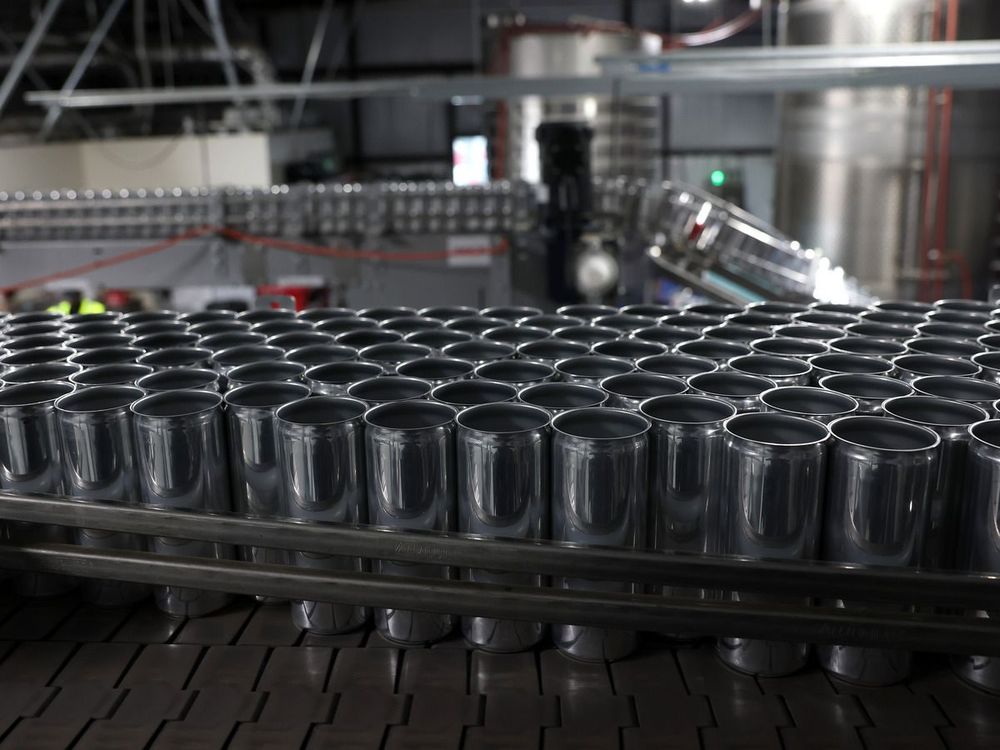
Aluminum Stocks Surge Amid Middle East Conflict

- Aluminum Price Surge: Amid U.S.-Israeli military actions against Iran, aluminum prices have surged past $3,600 per tonne, with analysts warning they could reach $4,000 if regional production losses persist, significantly impacting the global aluminum market and enhancing U.S. producers' profitability.
- Strong Company Performance: Since the onset of the conflict, Alcoa (AA) and Century Aluminum (CENX) have seen their stock prices rise by 20% and 28%, respectively, reflecting market optimism about the aluminum sector, particularly in light of Trump's increased tariffs on aluminum imports.
- Earnings Report Analysis: Although Alcoa reported a 5.2% decline in Q1 revenue, falling short of Wall Street estimates, its earnings per share of $1.4 met expectations, indicating the company's resilience in a high aluminum price environment, with production projected to remain between 2.4 to 2.6 million metric tons in 2026.
- Optimistic Market Outlook: Morgan Stanley upgraded Alcoa to 'Overweight' with a price target raised to $80, reflecting analysts' confidence in rising aluminum prices and Alcoa's high operating leverage, with expectations that future aluminum supply shortages will further drive stock prices upward.
See More
Alcoa's Q1 Earnings Report and Aluminum Segment Outlook
- Aluminum Segment Outlook: The company anticipates a favorable impact of approximately $55 million in Q2 for the Aluminum segment, driven by increased shipments and the restart of the San Ciprián smelter in Spain, although this is partially offset by lower energy sales.
- Alumina Segment Challenges: Due to the ongoing Middle East conflict, Alcoa expects a negative impact of about $15 million in Q2 on the Alumina segment's adjusted core profit, primarily from rising energy prices and shipment delays.
- Q1 Financial Results: In Q1, Alcoa reported revenue of $3.193 billion, down from $3.369 billion a year ago and below the analyst estimate of $3.3 billion, with adjusted earnings per share at $1.40, significantly lower than $2.15 from the previous year, reflecting shipment delays and lower volumes.
- Market Sentiment Shift: Despite a flat close during regular trading, AA shares fell 3% in after-hours trading, while retail sentiment shifted from bearish to neutral, indicating increased investor attention on the company's future performance.
See More
Alcoa Reports Q1 Earnings Miss Amid Revenue Decline
- Earnings Decline: Alcoa reported Q1 adjusted earnings of $425 million, or $1.60 per share, down 22.4% from $548 million and $2.07 per share a year earlier, primarily due to an 8% drop in aluminum shipments and a 31% decline in alumina shipments, negatively impacting overall financial performance.
- Revenue Drop: The company experienced a 5% decline in revenue closely tied to reduced aluminum and alumina shipments, particularly amid inventory repositioning and decreased trading in North America, indicating signs of weak market demand.
- Future Outlook: Despite the disappointing Q1 results, Alcoa anticipates a $15 million unfavorable impact on adjusted EBITDA in Q2 for its alumina segment due to the conflict in Iran, but expects a $55 million favorable impact from inventory repositioning and higher shipments, suggesting potential growth opportunities amid adversity.
- Production Guidance Unchanged: Alcoa's full-year guidance for alumina and aluminum production and shipments remains unchanged at 9.7-9.9 million metric tons and 2.4-2.6 million metric tons respectively, reflecting the company's confidence in future market conditions despite geopolitical risks and supply chain challenges.
See More
US Stocks Rise as Oil Prices Plunge
- Market Highs: The S&P 500 rose by 0.87% and the Nasdaq 100 reached an all-time high, reflecting growing investor optimism regarding a potential US-Iran peace deal, which may enhance risk appetite and further boost stock market momentum.
- Oil Price Plunge: WTI crude prices fell over 10% after Iran announced the Strait of Hormuz is now fully open for commercial shipping, easing inflation concerns and contributing to a 6 basis point drop in the 10-year Treasury yield, which invigorates the bond market.
- Earnings Optimism: Q1 earnings for the S&P 500 are projected to increase by 12% year-over-year, although excluding the tech sector, growth is only expected at 3%, yet this overall positive outlook may attract more investor interest and bolster market confidence.
- Airline Stocks Surge: With reduced fuel costs, United Airlines (UAL) shares surged over 10%, while other airlines like Royal Caribbean (RCL) and Alaska Air (ALK) also saw significant gains, indicating strong market confidence in the recovery of the airline industry.
See More
Analysis of XME ETF's 52-Week Price Fluctuations
- Price Range Analysis: The XME ETF has a 52-week low of $52.71 and a high of $135.6764, with the latest trade at $118.38, indicating relative stability and volatility in the current market.
- Technical Analysis Tool: Comparing the current share price to the 200-day moving average provides valuable insights for investors, aiding in market trend assessment and potential buying opportunities.
- ETF Trading Mechanism: ETFs trade similarly to stocks, where investors buy and sell 'units' that can be created or destroyed based on investor demand, impacting liquidity and market performance.
- Inflows and Outflows Monitoring: Weekly monitoring of changes in shares outstanding helps identify ETFs experiencing significant inflows or outflows, as these liquidity shifts can affect the performance of individual stocks held within the ETF.
See More
Netflix's Disappointing Forecast Leads to Stock Drop
- Netflix's Forecast Downgrade: Netflix's second-quarter earnings forecast of 78 cents per share falls short of the 84 cents expected by analysts, resulting in a 10% stock drop that signals investor concerns about future growth.
- Alcoa's Earnings Miss: Alcoa reported adjusted earnings of $1.40 per share, missing the $1.49 forecast by analysts, and its revenue of $3.19 billion also fell short of the $3.28 billion estimate, leading to a 2% decline in stock price.
- Affirm's Stock Surge: Affirm's shares rose over 3% after Morgan Stanley named it a top pick, highlighting its earnings potential and the easing of private credit fears, which could support a rebound after a 19% slump in 2026.
- Ally Financial's Earnings Beat: Ally Financial reported first-quarter earnings of $1.11 per share, exceeding the $0.93 estimate, although revenue slightly missed expectations at $2.10 billion, resulting in a 2.5% increase in stock price.
See More
Aluminum Stocks Surge Amid Middle East Conflict
- Aluminum Price Surge: Amid U.S.-Israeli military actions against Iran, aluminum prices have surged past $3,600 per tonne, with analysts warning they could reach $4,000 if regional production losses persist, significantly impacting the global aluminum market and enhancing U.S. producers' profitability.
- Strong Company Performance: Since the onset of the conflict, Alcoa (AA) and Century Aluminum (CENX) have seen their stock prices rise by 20% and 28%, respectively, reflecting market optimism about the aluminum sector, particularly in light of Trump's increased tariffs on aluminum imports.
- Earnings Report Analysis: Although Alcoa reported a 5.2% decline in Q1 revenue, falling short of Wall Street estimates, its earnings per share of $1.4 met expectations, indicating the company's resilience in a high aluminum price environment, with production projected to remain between 2.4 to 2.6 million metric tons in 2026.
- Optimistic Market Outlook: Morgan Stanley upgraded Alcoa to 'Overweight' with a price target raised to $80, reflecting analysts' confidence in rising aluminum prices and Alcoa's high operating leverage, with expectations that future aluminum supply shortages will further drive stock prices upward.
See More