Coca-Cola and S&P Global's Dividend Growth Potential
Written by Emily J. Thompson, Senior Investment Analyst
Updated: 5 days ago
0mins
Should l Buy KO?
Source: Fool
- Coca-Cola's Stability: Coca-Cola has raised its dividends for 64 consecutive years, and despite a decline in global beverage consumption, it has diversified its product portfolio and maintained a capital-light business model, achieving a 5% organic revenue growth in 2025, with a forecasted growth of 4%-5% in 2026, demonstrating strong cash flow and ongoing dividend payment capacity.
- Dividend Yield and Valuation: With a current dividend yield of 2.6% and a low payout ratio of 67%, Coca-Cola has ample room to increase dividends in the future; at a stock price of $78, it trades at a reasonable P/E ratio of 24, making it suitable for long-term holding.
- S&P Global's Resilience: S&P Global has raised its dividends for 53 consecutive years, and although its yield is only 0.9%, its stable growth in financial data and analytics services allows it to weather economic fluctuations, with adjusted EPS growing 14% in 2025 and expected growth of 9%-10% in 2026.
- Business Restructuring and Future Outlook: S&P Global plans to spin off its automotive data business later this year to streamline operations and enhance profitability; with a current stock price of $448 and a P/E ratio of 23, it presents an attractive option for investors seeking stability.
Trade with 70% Backtested Accuracy
Stop guessing "Should I Buy KO?" and start using high-conviction signals backed by rigorous historical data.
Sign up today to access powerful investing tools and make smarter, data-driven decisions.
Analyst Views on KO
Wall Street analysts forecast KO stock price to rise
14 Analyst Rating
13 Buy
1 Hold
0 Sell
Strong Buy
Current: 77.040

Low
71.00
Averages
79.33
High
85.00
Current: 77.040
Low
71.00
Averages
79.33
High
85.00
About KO
The Coca-Cola Company is a beverage company. The Company's segments include Europe, Middle East and Africa (EMEA); Latin America; North America; Asia Pacific, and Bottling Investments. It sells multiple brands across several beverage categories worldwide. Its portfolio of sparkling soft drink brands includes Coca-Cola, Sprite and Fanta. Its water, sports, coffee and tea brands include Dasani, smartwater, vitaminwater, Topo Chico, BODYARMOR, Powerade, Costa, Georgia, Fuze Tea, Gold Peak and Ayataka. Its juice, value-added dairy and plant-based beverage brands include Minute Maid, Simply, innocent, Del Valle, fairlife and Santa Clara. It operates in two lines of business: concentrate operations and finished product operations. Its concentrate operations sell beverage concentrates, syrups, including fountain syrups, and certain finished beverages to authorized bottling operations. Its finished product operations sell sparkling soft drinks and a variety of other finished beverages.
About the author

Emily J. Thompson
Emily J. Thompson, a Chartered Financial Analyst (CFA) with 12 years in investment research, graduated with honors from the Wharton School. Specializing in industrial and technology stocks, she provides in-depth analysis for Intellectia’s earnings and market brief reports.

Berkshire Hathaway's Cash Reserves Analysis

- Cash Reserve Status: Berkshire Hathaway ended 2025 with a cash reserve of $373.3 billion, down from $381.6 billion in Q3, yet still demonstrating strong financial strength, indicating the company's resilience amid market fluctuations.
- Stock Trading Dynamics: The company has been a net seller for the 13th consecutive quarter, primarily raising funds through sales of Apple and Bank of America stocks, reflecting its ongoing focus on these core holdings and risk management strategies.
- Buyback Strategy Adjustment: Although the company has not repurchased shares for six straight quarters, it began buying back stock earlier this month, indicating a reassessment of current stock prices, particularly as the price-to-book ratio has decreased from 1.8 to 1.4.
- CEO Strategic Outlook: New CEO Abel emphasized patience in managing the cash reserves in his annual letter, stating the need for disciplined investment timing while also highlighting the importance of risk management beyond its large insurance operations.
See More

Berkshire Ends 2025 with Record Cash Reserves
- Cash Reserve Status: Berkshire ended 2025 with a cash reserve of $373.3 billion, down from $381.6 billion in Q3, yet still demonstrating strong financial strength that allows for flexibility in future investment opportunities.
- Stock Trading Strategy: The company has been a net seller for the 13th consecutive quarter, primarily raising funds through sales of Apple and Bank of America stocks, indicating a cautious approach to these holdings, while Apple remains its largest investment, reflecting stability in its long-term investment strategy.
- Stock Buyback Decision: Berkshire has not repurchased any shares for six consecutive quarters, although it has recently begun to reconsider its buyback strategy, indicating a more cautious approach to assessing the intrinsic value of its stock, especially with the current P/B ratio at 1.4.
- Impact of Management Changes: New CEO Abel emphasizes the importance of patience and risk management, and while investors express frustration over the company's inaction, he believes that maintaining discipline and a prudent investment strategy is wise in a rapidly evolving technological landscape.
See More
Coca-Cola vs Altria: Stock Analysis

- Coca-Cola's Steady Growth: Coca-Cola continues to expand in the global beverage market, successfully increasing sales of bottled water, juices, and sports drinks despite declining soda consumption, with projected EPS growth of 6.6% CAGR from 2025 to 2028.
- Altria's Business Transformation: Altria accelerates its shift towards smoke-free products through the acquisition of e-cigarette leader NJOY, expecting smoke-free revenue to reach at least $5 billion by 2028, which would account for a quarter of its projected sales, demonstrating adaptability to future market trends.
- Dividend King Status: Both Coca-Cola and Altria are Dividend Kings, with Coca-Cola raising dividends for 64 consecutive years at a yield of 2.65%, while Altria has increased dividends 60 times over 56 years, boasting a yield of 6.25%, showcasing strong dividend performance from both companies.
- Valuation and Investment Choice: Coca-Cola's forward P/E ratio stands at 24, while Altria's is lower at 12, making Altria more attractive in the current market environment due to its lower valuation and higher dividend yield, especially in light of its expanding smoke-free business.
See More

Consumer Stocks Defy Market Trends with Gains

- Coca-Cola Consolidated Performance: Coca-Cola Consolidated's stock surged 51% over the past year, reaching a market cap of $14 billion, and despite revenue growth not exceeding 12%, it has achieved 16 consecutive years of positive growth, indicating its stable market performance and long-term investment value.
- McDonald's Product Innovation: McDonald's launched the limited-time Big Arch, and despite controversy surrounding the CEO's tasting video, the company achieved a net margin of 27% in 2025, with expectations to increase dividends, solidifying its status as a 'Dividend King'.
- Restaurant Brands International Growth: Restaurant Brands International boasts a market cap of $26 billion, and while smaller than McDonald's, it achieved a 12% revenue growth rate in 2025 and offers a 3.5% dividend yield, showcasing its attractiveness in a competitive market.
- Defensive Consumer Trends: Amid economic uncertainty, oil, gas, and defense sectors performed strongly, while consumer companies like Coca-Cola, McDonald's, and Restaurant Brands International reached new stock highs, reflecting market confidence and demand for these brands.
See More
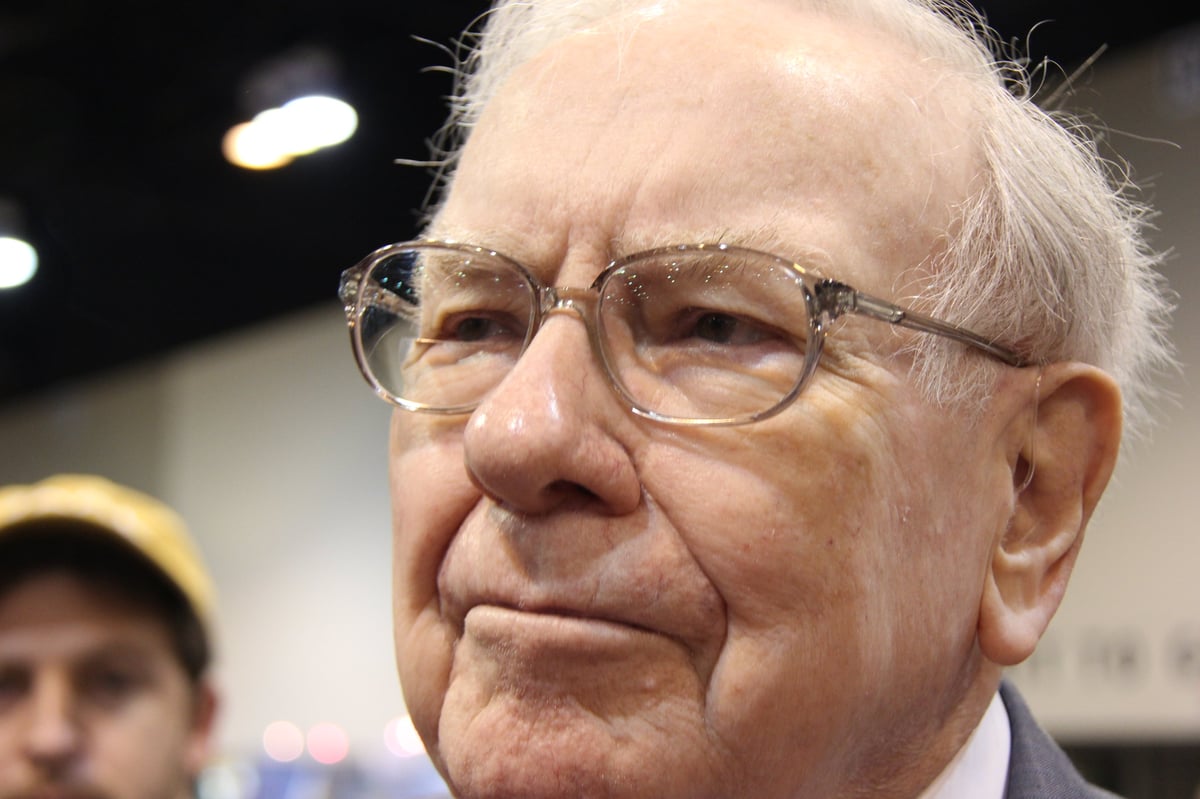
Buffett's Retirement Marks Shift in Berkshire's Investment Strategy
- Buffett's Retirement: Warren Buffett officially retired on December 31, 2025, concluding his six-decade tenure as CEO of Berkshire Hathaway, although he remains chairman, which may impact the company's investment decisions and market confidence.
- Net Stock Selling: During Buffett's last three years, he was a net seller of stocks for 13 consecutive quarters, totaling nearly $187 billion, reflecting his cautious stance on current market valuations, which could lower investor expectations for future earnings.
- No Stock Buybacks: Over the past 19 months, Buffett did not repurchase any of Berkshire's stock despite having $373.3 billion in cash and equivalents, indicating his conservative view on the company's stock valuation, which may affect shareholder returns.
- Successor's Strategy: New CEO Greg Abel commits to continuing Buffett's value investment philosophy, emphasizing share buybacks when stocks trade below intrinsic value, which could create long-term value for shareholders, but short-term market volatility remains a concern.
See More

Buffett's 13 Quarters of Net Stock Selling Before Retirement
- Buffett's Selling Strategy: Leading up to his retirement, Buffett was a net seller of stocks for 13 consecutive quarters, offloading nearly $187 billion, which reflects his cautious stance on market valuations despite overseeing a massive $318 billion investment portfolio.
- Share Buyback Policy Change: In July 2018, Berkshire's board amended share repurchase terms, allowing Buffett to buy back shares when trading below 120% of book value; however, he refrained from any buybacks in the 19 months before his retirement, indicating high market valuations.
- Successor's Investment Philosophy: New CEO Greg Abel adopts Buffett's investment philosophy, emphasizing patience and value investing, and is expected to continue repurchasing shares at appropriate price levels to enhance shareholder value.
- Market Reaction and Future Outlook: Although Buffett did not purchase his favorite stock before retirement, confidence in his successor remains strong, as Abel announced a resumption of share buybacks on March 5, demonstrating the company's flexibility under current market conditions.
See More
Berkshire Hathaway's Cash Reserves Analysis
- Cash Reserve Status: Berkshire Hathaway ended 2025 with a cash reserve of $373.3 billion, down from $381.6 billion in Q3, yet still demonstrating strong financial strength, indicating the company's resilience amid market fluctuations.
- Stock Trading Dynamics: The company has been a net seller for the 13th consecutive quarter, primarily raising funds through sales of Apple and Bank of America stocks, reflecting its ongoing focus on these core holdings and risk management strategies.
- Buyback Strategy Adjustment: Although the company has not repurchased shares for six straight quarters, it began buying back stock earlier this month, indicating a reassessment of current stock prices, particularly as the price-to-book ratio has decreased from 1.8 to 1.4.
- CEO Strategic Outlook: New CEO Abel emphasized patience in managing the cash reserves in his annual letter, stating the need for disciplined investment timing while also highlighting the importance of risk management beyond its large insurance operations.
See More
Berkshire Ends 2025 with Record Cash Reserves
- Cash Reserve Status: Berkshire ended 2025 with a cash reserve of $373.3 billion, down from $381.6 billion in Q3, yet still demonstrating strong financial strength that allows for flexibility in future investment opportunities.
- Stock Trading Strategy: The company has been a net seller for the 13th consecutive quarter, primarily raising funds through sales of Apple and Bank of America stocks, indicating a cautious approach to these holdings, while Apple remains its largest investment, reflecting stability in its long-term investment strategy.
- Stock Buyback Decision: Berkshire has not repurchased any shares for six consecutive quarters, although it has recently begun to reconsider its buyback strategy, indicating a more cautious approach to assessing the intrinsic value of its stock, especially with the current P/B ratio at 1.4.
- Impact of Management Changes: New CEO Abel emphasizes the importance of patience and risk management, and while investors express frustration over the company's inaction, he believes that maintaining discipline and a prudent investment strategy is wise in a rapidly evolving technological landscape.
See More
Coca-Cola vs Altria: Stock Analysis
- Coca-Cola's Steady Growth: Coca-Cola continues to expand in the global beverage market, successfully increasing sales of bottled water, juices, and sports drinks despite declining soda consumption, with projected EPS growth of 6.6% CAGR from 2025 to 2028.
- Altria's Business Transformation: Altria accelerates its shift towards smoke-free products through the acquisition of e-cigarette leader NJOY, expecting smoke-free revenue to reach at least $5 billion by 2028, which would account for a quarter of its projected sales, demonstrating adaptability to future market trends.
- Dividend King Status: Both Coca-Cola and Altria are Dividend Kings, with Coca-Cola raising dividends for 64 consecutive years at a yield of 2.65%, while Altria has increased dividends 60 times over 56 years, boasting a yield of 6.25%, showcasing strong dividend performance from both companies.
- Valuation and Investment Choice: Coca-Cola's forward P/E ratio stands at 24, while Altria's is lower at 12, making Altria more attractive in the current market environment due to its lower valuation and higher dividend yield, especially in light of its expanding smoke-free business.
See More
Consumer Stocks Defy Market Trends with Gains
- Coca-Cola Consolidated Performance: Coca-Cola Consolidated's stock surged 51% over the past year, reaching a market cap of $14 billion, and despite revenue growth not exceeding 12%, it has achieved 16 consecutive years of positive growth, indicating its stable market performance and long-term investment value.
- McDonald's Product Innovation: McDonald's launched the limited-time Big Arch, and despite controversy surrounding the CEO's tasting video, the company achieved a net margin of 27% in 2025, with expectations to increase dividends, solidifying its status as a 'Dividend King'.
- Restaurant Brands International Growth: Restaurant Brands International boasts a market cap of $26 billion, and while smaller than McDonald's, it achieved a 12% revenue growth rate in 2025 and offers a 3.5% dividend yield, showcasing its attractiveness in a competitive market.
- Defensive Consumer Trends: Amid economic uncertainty, oil, gas, and defense sectors performed strongly, while consumer companies like Coca-Cola, McDonald's, and Restaurant Brands International reached new stock highs, reflecting market confidence and demand for these brands.
See More
Buffett's Retirement Marks Shift in Berkshire's Investment Strategy
- Buffett's Retirement: Warren Buffett officially retired on December 31, 2025, concluding his six-decade tenure as CEO of Berkshire Hathaway, although he remains chairman, which may impact the company's investment decisions and market confidence.
- Net Stock Selling: During Buffett's last three years, he was a net seller of stocks for 13 consecutive quarters, totaling nearly $187 billion, reflecting his cautious stance on current market valuations, which could lower investor expectations for future earnings.
- No Stock Buybacks: Over the past 19 months, Buffett did not repurchase any of Berkshire's stock despite having $373.3 billion in cash and equivalents, indicating his conservative view on the company's stock valuation, which may affect shareholder returns.
- Successor's Strategy: New CEO Greg Abel commits to continuing Buffett's value investment philosophy, emphasizing share buybacks when stocks trade below intrinsic value, which could create long-term value for shareholders, but short-term market volatility remains a concern.
See More
Buffett's 13 Quarters of Net Stock Selling Before Retirement
- Buffett's Selling Strategy: Leading up to his retirement, Buffett was a net seller of stocks for 13 consecutive quarters, offloading nearly $187 billion, which reflects his cautious stance on market valuations despite overseeing a massive $318 billion investment portfolio.
- Share Buyback Policy Change: In July 2018, Berkshire's board amended share repurchase terms, allowing Buffett to buy back shares when trading below 120% of book value; however, he refrained from any buybacks in the 19 months before his retirement, indicating high market valuations.
- Successor's Investment Philosophy: New CEO Greg Abel adopts Buffett's investment philosophy, emphasizing patience and value investing, and is expected to continue repurchasing shares at appropriate price levels to enhance shareholder value.
- Market Reaction and Future Outlook: Although Buffett did not purchase his favorite stock before retirement, confidence in his successor remains strong, as Abel announced a resumption of share buybacks on March 5, demonstrating the company's flexibility under current market conditions.
See More